

Short but sweet. Some fascinating ideas here are hampered by nightmare game mechanics.
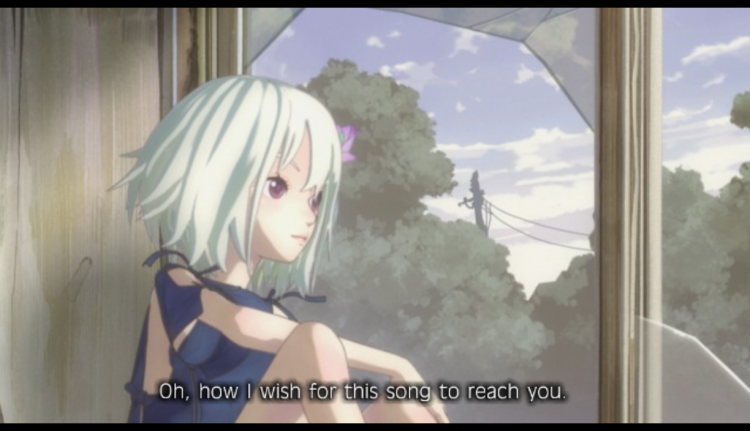 It is said that solitary confinement is one of the worst punishments a person can be given. Prolonged isolation can have long-term, severe adverse effects on someone. We are, after all, social creatures. So imagine waking up in a world where seemingly everyone else has vanished. That is the premise of “Fragile Dreams: Farewell Ruins of the Moon” for the Wii, developed and released by Bandai Namco and Tri Crescendo in 2010.
The desolate ruins of Tokyo leave few hints aside from the occasional cryptic drawing or message scrawled on walls and floors. Fragile Dreams mixes RPG with survival horror while not always taking the best from each genre, but just the same, mixing together into an intriguing mélange.
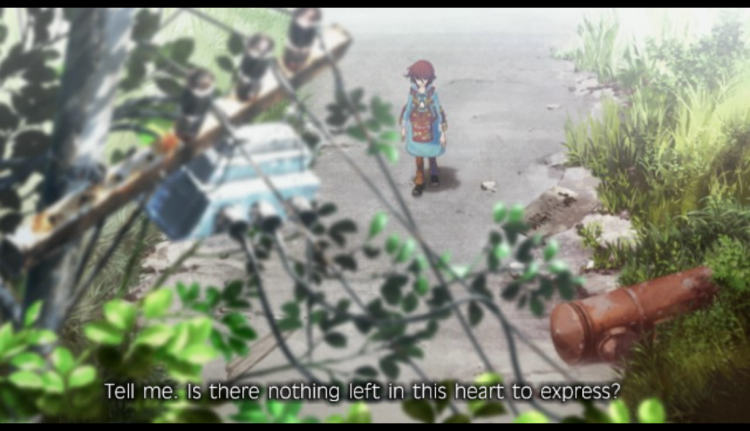 The somber piano pieces invoke images of hell on earth, and the screeching, tortured ghosts seem intent on stopping the main protagonist, Seto, at every step. Admittedly the “here I come” of the walking legs, missing the upper half of their body are more annoying than scary and most enemies are relatively tame. Most of them can be struck down in just a few hits, bosses included, and would be incredibly easy if not for the subpar camera that fights against you consistently.
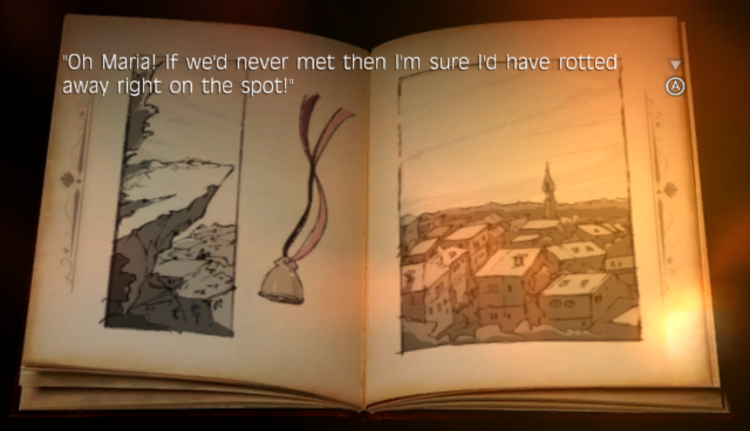
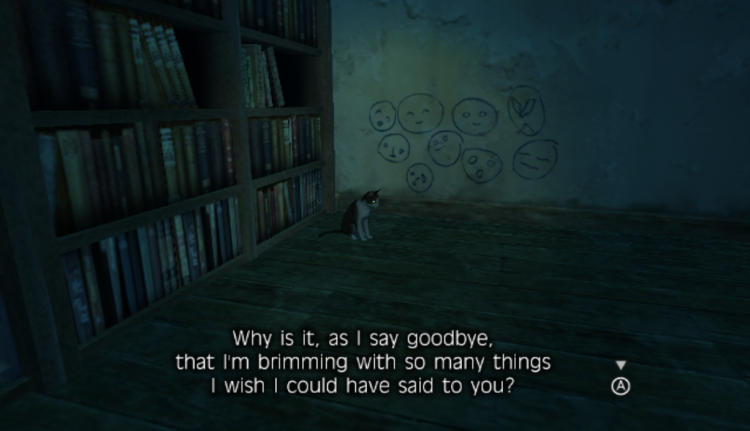 However, the dismal setting can’t be ignored. Memories of the recent past are found around every corner, speaking of a different time when people lived their lives with joy, and curiosity but also confusion and depression and, really, the gamut of the human condition. The overall theme reinforces this idea that we should enjoy our loved ones while trying our best to leave our mark in some meaningful way.
There is a fleeting sadness when it is realized that all that hope, all of those stories, some that were never resolved, are buried as the future advances unhindered.
 If you are looking for a brawny hero with toned muscles, Seto is the exact opposite, and for much of the game, it’s more likely he will be running around hitting enemies with sticks, brooms, iron pipes, golf clubs, and whatever else he can find. There is no holy god-like sword or thunder axe! But these reasonably innocuous items used as weapons are realistic. After all, where could you possibly find anything better with everything in ruins? This is manageable, but another touch of realism that is not nearly as bearable is the fact that weapons constantly break! Remember Zelda: Breath of the Wild? Some people hated that game mechanic, but that game has nothing on Fragile Dreams. There were instances I’d get a new, shiny weapon only for it to break, no joke, after three hits!
Weapon breakage isn’t even a huge deal by itself, but inventory space is limited; even after two upgrades to Seto’s bag, item management continues to be a headache until the end of the game. You are given only so many blocks in your bag, and each item takes up anywhere from 1 to 5 blocks. When accounting for the fact that any weapon could break just minutes later, item management becomes a frequent struggle of “Do I need to carry more weapons or more healing items?”
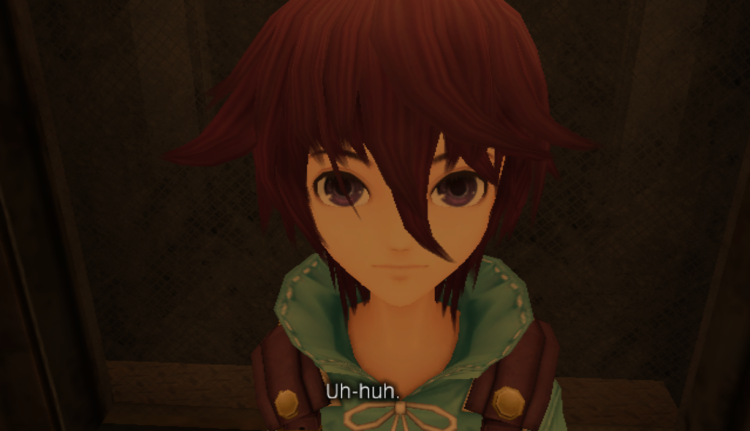 Thankfully, campfires, which serve as save points, free healing, and aid in item management, are generously spread throughout the game. It is nearly impossible to go more than 10 minutes of gameplay without seeing one, and sometimes, they are minutes of gameplay apart. Why should the sight of these glorious pits spread happiness through your being? Not just because it is free healing or allows progress to be saved. Not even because it makes grinding seamless, but because the briefcase can be found here. This is what gamers pine for: extended space for all those wonderful finds! With thought and planning, items can be moved in and out of the briefcase to Seto’s bag; the briefcase holds, by this game’s standards, a large enough amount of stuff it might as well be unlimited. The one caveat is, the briefcase can only be accessed at a campfire, nowhere else at any other time. Once bag space expands a second time, thanks to Chicken Head, this is an interesting mechanic to play around with, moving things between the bag and briefcase.
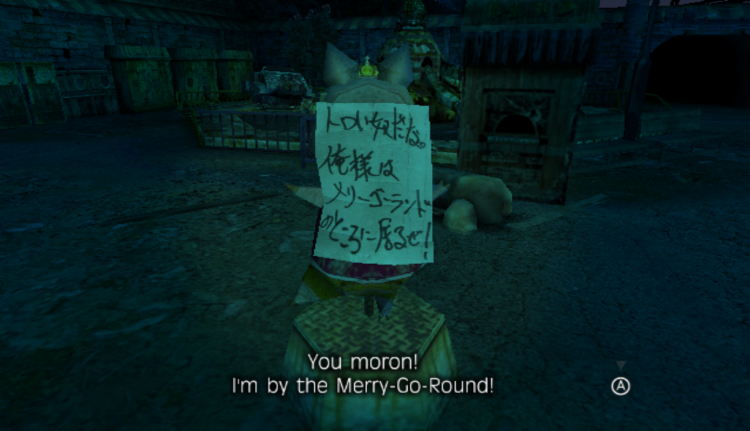
Speaking of Chicken Head, that creepy, unpredictable weirdo. He is the sole shop in the game. He only appears at campfires and randomly. How often did he appear, required mini-cutscene and all, when I had no need for him? Every single time, I’d say. Only to take 8, 10, or 12 times to show up when I needed to buy something (Yes, I counted) at some of the last campfires in the game. Randomness should not be popping up when it involves purchasing supplies. Simply offer a prompt, “Do you want to buy something? Yes or No,” and let his bizarre chicken head waltz in if “Yes” is chosen. The whole thing felt like an oversight.
 But that’s the issue with the game. The entire second half felt like some kind of oversight. While the first half gave a captivating look into a post-apocalyptic world filled with utmost care in detail, the second half of the game is a bunch of long, boring corridors. It finally redeems itself in the final hike up the tower, but by then, interest is likely to have decreased.
Although Fragile Dreams has all the hallmarks of a game that was rushed, there is still something serviceable here. The downcast tone, the bleak atmosphere, and the dismal feeling of solitude make for a mystery that demands to be uncovered.
 Wayback Wednesday Volume 1: Final Fantasy 7 and Chrono Trigger.
Wayback Wednesday Volume 2: Super Metroid and Castlevania: Symphony of the Night.
Wayback Wednesday Volume 3: The Legend of Zelda: A Link to the Past and Lunar: Silver Star Story Complete
Wayback Wednesday Volume 4: Secret of Mana and Wild Arms
Wayback Wednesday Volume 5: Illusion of Gaia and Grandia
Wayback Wednesday Volume 6: Breath of Fire 3 and X-Men Legends
Wayback Wednesday Volume 7: Star Ocean: The Second Story and Super Mario RPG
Wayback Wednesday Volume 8: Demon's Crest and Dragon Quest VI
Wayback Wednesday Volume 9: Suikoden I and Jeanne d'Arc
Wayback Wednesday Volume 10: Ranking the first 6 Final Fantasy games
Wayback Wednesday Volume 11: Earthbound and Valkyrie Profile
Wayback Wednesday Volume 12: Legend of Legaia and Secret of Evermore
Wayback Wednesday Volume 13: Threads of Fate and Soulblazer
Wayback Wednesday Volume 14: Radiata Stories and Robotrek
Wayback Wednesday Volume 15: Rogue Galaxy and Vandal Hearts
Wayback Wednesday Volume 16: Chrono Cross and Muramasa: The Demon Blade
Wayback Wednesday Volume 17: Okami and Legend of Mana
Wayback Wednesday Volume 18: Paper Mario and Terranigma
Wayback Wednesday Volume 19: Dragon Quest VIII and Atelier Iris 2: The Azoth of Destiny
Wayback Wednesday Volume 20: Ranking the 6 console Final Fantasy games from the PS1 and 2
Wayback Wednesday Volume 21: Eternal Sonata and Actraiser
Wayback Wednesday Volume 22: Persona: Revelations and Tales of Destiny
Wayback Wednesday Volume 23: Shadow Hearts: Covenant and Dragon View
Wayback Wednesday Volume 24: Ken Griffey Jr. Presents Major League Baseball and Lunar: Eternal Blue
Wayback Wednesday Volume 25: Suikoden II and Xenogears
Wayback Wednesday Volume 26: Azure Dreams and Wild Arms 2
Wayback Wednesday Volume 27: Ar Tonelico and Sword of Mana
Wayback Wednesday Volume 28: Albert Odyssey and Super Paper Mario
Wayback Wednesday Volume 29: Arcana and X-Men Legends II
Wayback Wednesday Volume 30: 10 over-rated classics that haven’t aged well
Wayback Wednesday Volume 31: Dragon Quest IX and E.V.O.: Search for Eden
Wayback Wednesday Volume 32: Tales of Symphonia and Elemental Gimmick Gear
Wayback Wednesday Volume 33: Ys Seven and Brain Lord
Wayback Wednesday Volume 34: Lufia and The Legend of Oasis
Wayback Wednesday Volume 35: Kingdom Hearts: Birth by Sleep and Magic Knight Rayearth
Wayback Wednesday Volume 36: Tales of the Abyss and Crisis Core: Final Fantasy VII
Wayback Wednesday Volume 37: Rhapsody: A Musical Adventure and Legaia 2
Wayback Wednesday Volume 38: Star Ocean 3: Till the End of Time and The Twisted Tales of Spike McFang
Wayback Wednesday Volume 39: The Granstream Saga and Wild Arms 3