
This review is based on my original playthrough in the summer of 2000 and a 2024 replay of the remaster. All screenshots are from the remaster.
Secret of Mana is one of my all-time favorite games. Flaws and all, it was a charming, memorable experience. I was disappointed to miss out on the sequel, Seiken Densetsu 3, which is probably why I was so stoked for the PlayStation 1 release of Legend of Mana. I played the game shortly after release, as well as the remaster in 2024, and have been grappling with a certain question for nearly two and a half decades, and that question is: Does this game do justice to Secret of Mana? Even while writing the review, it was tough to answer.
Although this is a remaster, I didn’t notice that much of a difference between the PS1 version and the PlayStation 4 version. There aren’t a lot of changes, but three notable ones are the ability to save anywhere, an autosave feature, and the ability to turn off battles at any time. The second feature is especially interesting because of how obtuse this game is. Until I played Romancing Saga 2 and 3 in 2026, it was one of the most cryptic RPGs I had ever played, so the ability to turn off battles while exploring is a huge plus.
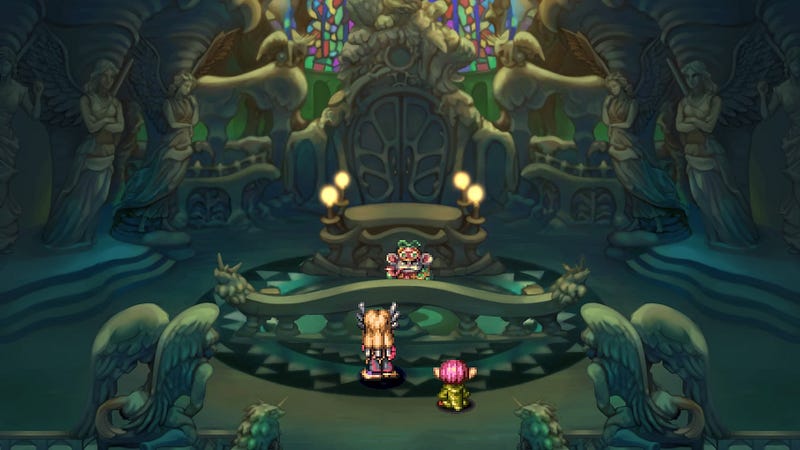 Don’t get me wrong, each location is an absolute joy to explore, and there are over two dozen of them, but sometimes figuring out how to progress in the game or just finishing a simple quest can feel like pulling teeth. There are 67 quests, but without a walk-through, finding even half of them could be considered a minor miracle. At first, the game might seem like a jumbled mess with all these seemingly random quests, but in time, there’s a lot of interconnectedness that shines through the various story arcs. This is a non-linear game, and it will not hold your hand or guide you in any way regarding progression. Even the fortune teller in Domina is mostly useless, though somewhat funny.
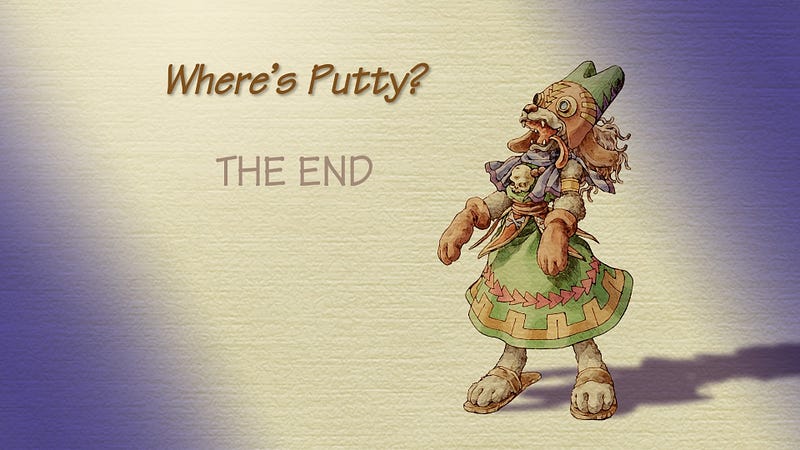 I recall from the PlayStation 1 version that this game was painfully easy, and unfortunately, nothing has changed with this remaster. At first, I turned off battles to make exploring more seamless, but I continued that way to maintain some level of challenge. For the last half of the game, the only experience I earned was by beating bosses. It doesn’t help that any computer-controlled characters, pets, or Golems are completely useless. Still, with competent artificial intelligence, this game could be beaten blindfolded, so it’s not a big deal that they are useless. But it can’t be stated enough that this is one of the most atrocious examples of AI I’ve ever seen. It’s even worse than Secret of Mana for the Super Nintendo.
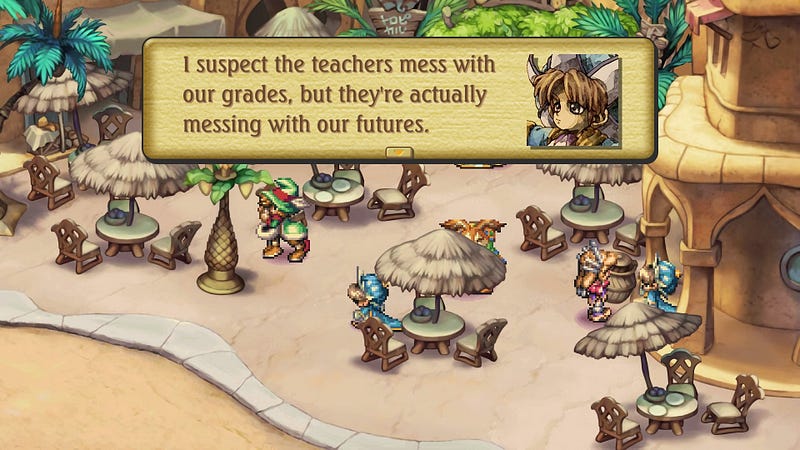 Just the same, it’s unfortunate there aren’t dependable companions in battle because the pet-raising and Golem-building mechanics are interesting with a lot of room for customization. But because the game is too easy, there’s little point in exploring these options. If the game were more formidable, they could have been an interesting and useful addition to battles.
Plus, combat feels clunky, slow, and sluggish with questionable hit detection. If this provided more of a challenge and flowed better, I could imagine replaying this every few years, but instead, this is likely my second and last time playing. It was a mistake for Square to move towards more brawler-like fighting. I also disliked the way the experience and levels are handled. The AI seems to be allergic to the green crystals that drop, and unless you are quick, they disappear almost as quickly as they show up, so it’s not like you can wait for the computer-controlled character to pick them up. Any ally quickly lags in levels, but they seem to actively avoid the crystals, so it got to the point where I just soloed everything.
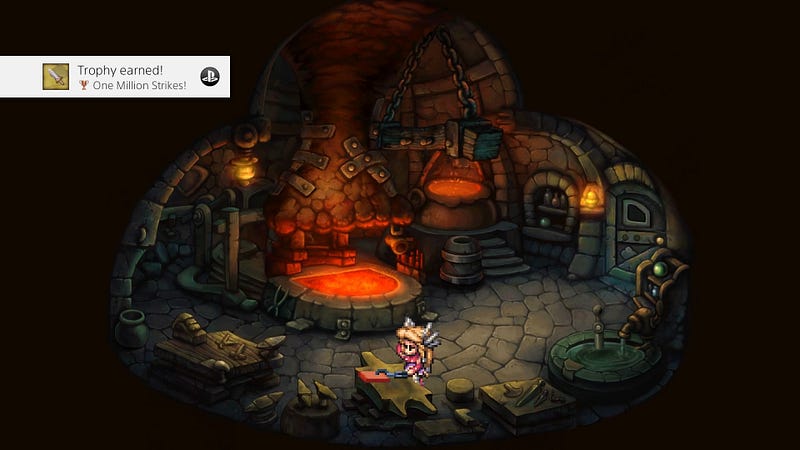 There is a crafting system, but again, I decided not to engage with it. I got by using weapons I purchased in towns. It is sad to see so many intriguing ideas wasted because of a lack of challenge; there is no urgency or push to take a deeper dive. I wished in vain for a boss to give me a run for my money so I could go back and try to make a badass Golem or craft a super-powerful weapon; alas, the need was never there.
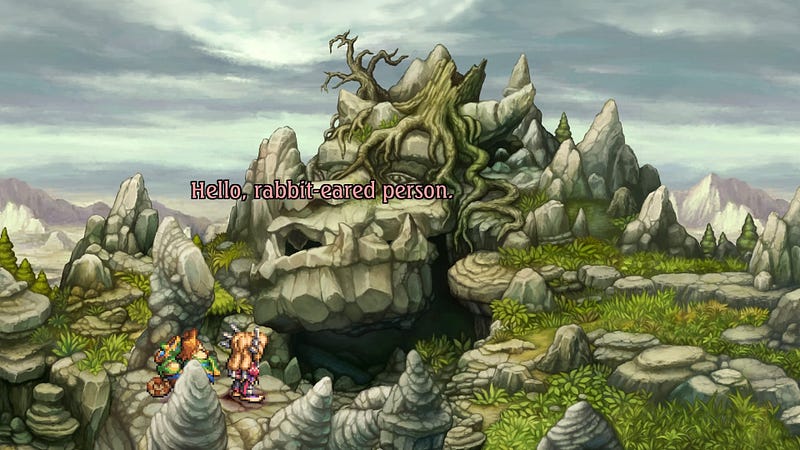 But in other ways, this game has aged exceptionally well. Aesthetically, this is like a child’s pop-up book bursting with color. Every single location is inviting and filled to the brim with detail. In an era where many developers seemed to favor 3D graphics and trying to be more lifelike, I would argue that this is one of the best-looking PlayStation 1 games, and graphically, the transition to the PlayStation 4 and Switch has been seamless. The game looks smoother in the remaster but overall maintains the hand-drawn style from the original.
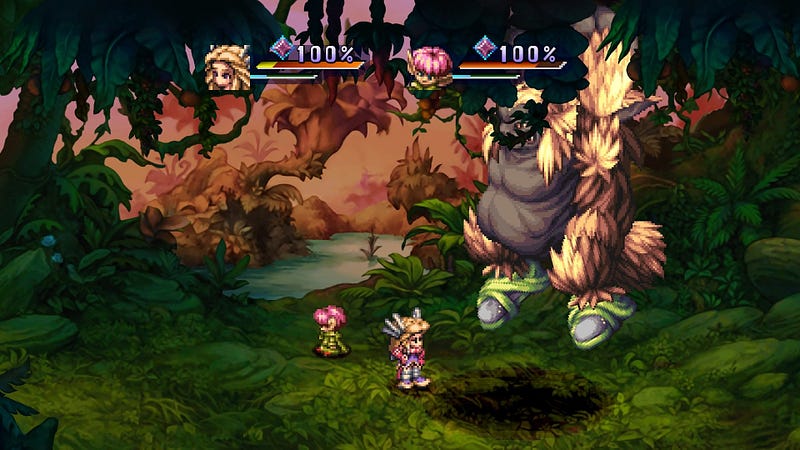 Most of the bosses are gigantic and something to behold, sometimes taking up nearly a quarter of the screen.
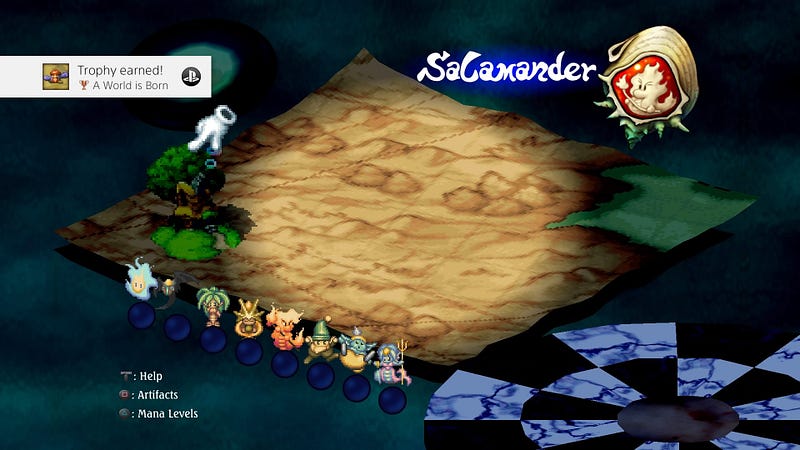 I had hoped the remaster would make an effort to explain certain gameplay mechanics better, but sadly, there are some aspects gamers are left in the dark about. At its core, being given a blank map and the ability to place artifacts is interesting. These artifacts are gained through specific quests, and once placed, turn into towns and dungeons. While the freedom is appreciated, the developers do not explain how and why the placement of these artifacts is important, and thus gamers likely have to turn to a walkthrough for such information. Plus, it is possible to miss some quests if artifacts aren’t placed well enough, so I’d, at the very least, recommend seeking out an artifact placement guide.
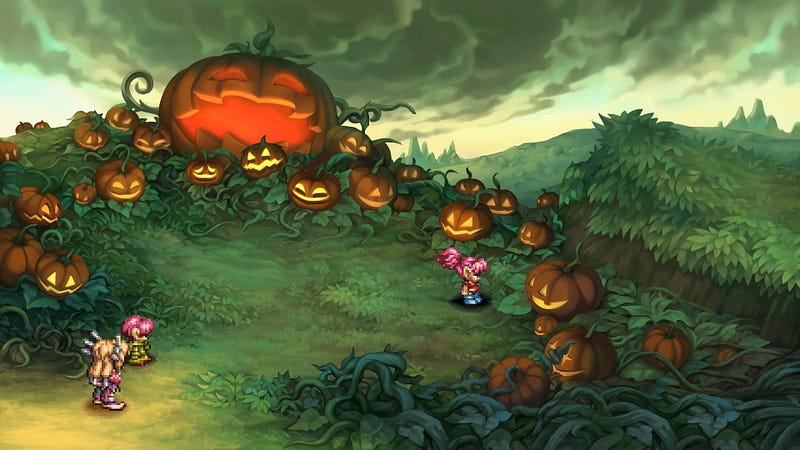 The peculiar off-kilter atmosphere is bolstered by a soundtrack that is equally as otherworldly and ethereal. The variety of tracks deserves mention, from the somber, melancholy winter-like tune of Lumina to the laid-back autumn-like vibes of Lake Kilma. The music perfectly complements the gorgeous world of Fa’Diel and helps shine a light on its mysterious, unusual narrative.
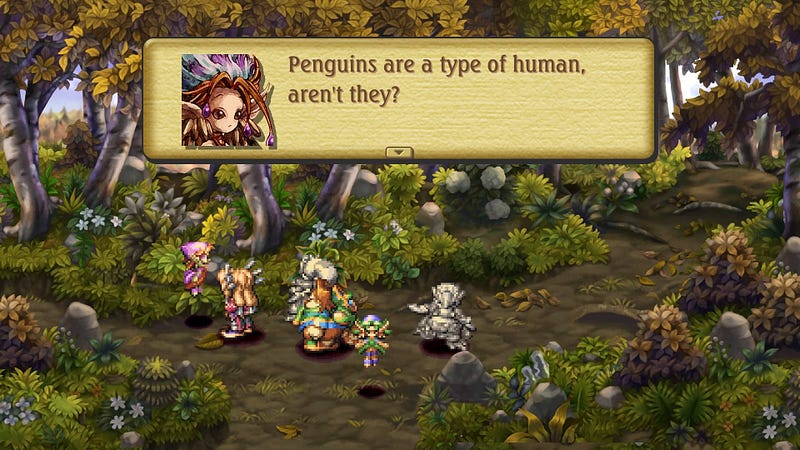 Legend of Mana was a unique experiment in the Mana series. While it doesn’t reach the heights of the two SNES Mana games, it has enough going for it to make it worthwhile. This is not the best game to attempt a blind first playthrough unless you like non-linear, obtuse games. Otherwise, there are some neat ideas, and it deserves a try just for the art style and superb soundtrack, but come in knowing it is too easy.
This week in my Wayback Wednesday series, I’ve covered two games that, despite their flaws, are among the most visually stunning ever made. For the art styles alone, they’re more than worth it.
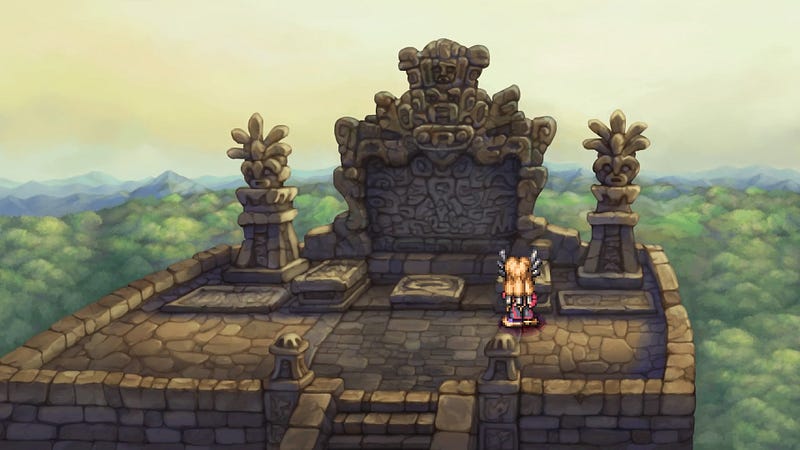 It’s interesting looking back at how I received this game as an awkward teen compared to how I experienced it again in 2024 in my late 30s. For example, the image above was just pretty to me back in 2000. In 2024, after visiting, at the time, about 55 countries, it gave me subtle Tikal (Guatemala) vibes. I remember waking up at sunset once to see something like it in real life. And to take a moment to completely nerd out, one of my first thoughts upon entering Machu Picchu was Illusion of Gaia.
It’s moments like that which show how flawed games can still resonate so deeply, and why I’ll always love gaming.
Wayback Wednesday Volume 1: Final Fantasy 7 and Chrono Trigger.
Wayback Wednesday Volume 2: Super Metroid and Castlevania: Symphony of the Night.
Wayback Wednesday Volume 3: The Legend of Zelda: A Link to the Past and Lunar: Silver Star Story Complete
Wayback Wednesday Volume 4: Secret of Mana and Wild Arms
Wayback Wednesday Volume 5: Illusion of Gaia and Grandia
Wayback Wednesday Volume 6: Breath of Fire 3 and X-Men Legends
Wayback Wednesday Volume 7: Star Ocean: The Second Story and Super Mario RPG
Wayback Wednesday Volume 8: Demon's Crest and Dragon Quest VI
Wayback Wednesday Volume 9: Suikoden I and Jeanne d'Arc
Wayback Wednesday Volume 10: Ranking the first 6 Final Fantasy games
Wayback Wednesday Volume 11: Earthbound and Valkyrie Profile
Wayback Wednesday Volume 12: Legend of Legaia and Secret of Evermore
Wayback Wednesday Volume 13: Threads of Fate and Soulblazer
Wayback Wednesday Volume 14: Radiata Stories and Robotrek
Wayback Wednesday Volume 15: Rogue Galaxy and Vandal Hearts
Wayback Wednesday Volume 16: Chrono Cross and Muramasa: The Demon Blade