

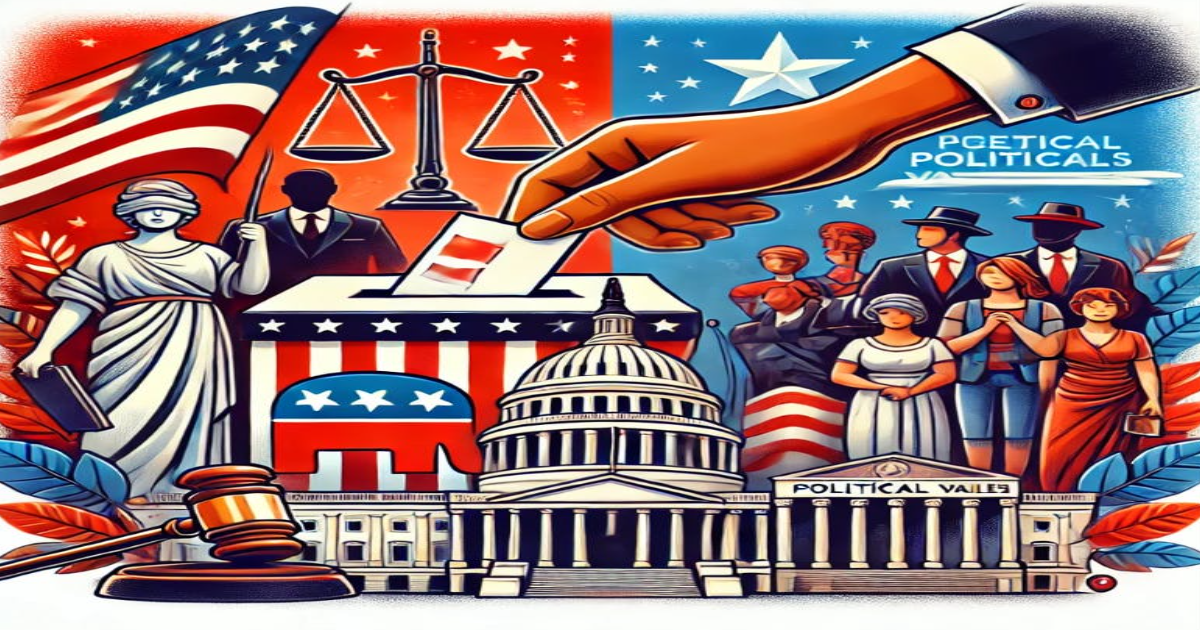
Democracy is more than a form of government; it is a fundamental political value that shapes societies and defines the principles by which people govern themselves. At its core, democracy embodies the ideals of equality, freedom, and participation, ensuring that power lies with the people. In this chapter, we explore the essence of democracy, its historical roots, its role in contemporary political values, and the challenges it faces today.
The Essence of Democracy
Democracy is derived from the Greek words "demos" (the people) and "kratos" (power or rule), meaning "rule by the people." It is a system where citizens have the power to make decisions about their government, typically through elected representatives. The fundamental principles of democracy include:
Political Equality: Every citizen has an equal right to participate in the political process, including the right to vote and run for office.
Majority Rule and Minority Rights: While decisions are made by majority vote, the rights of minorities are protected to ensure fairness and prevent tyranny.
Freedom of Expression: Citizens must have the freedom to express their opinions, debate ideas, and criticize the government without fear of repression.
Rule of Law: Laws apply equally to all citizens, including those in power, ensuring justice and preventing abuse.
Participation and Representation: Democracy requires active participation by citizens, who elect representatives to make decisions on their behalf.
Historical Roots
The concept of democracy dates back to ancient Greece, particularly the city-state of Athens, where citizens participated directly in decision-making. However, modern democracy as we know it evolved significantly over time. The Magna Carta (1215) in England, the Enlightenment thinkers of the 17th and 18th centuries, and pivotal events like the American and French Revolutions all contributed to the development of democratic ideals.
The United States Constitution, drafted in 1787, established a democratic framework that balances power between the executive, legislative, and judicial branches. The Bill of Rights further safeguarded individual freedoms, laying the groundwork for a robust democratic system.
Democracy in Contemporary Political Values
In the modern era, democracy remains a cornerstone of political values in many countries. It serves as a benchmark for governance and human rights. Democracies are characterized by regular free and fair elections, transparent governance, and active civil societies. The value of democracy in contemporary political landscapes includes:
Promoting Human Rights: Democracies tend to uphold and protect human rights, ensuring that citizens have the freedom to live without oppression.
Ensuring Accountability: Democratic systems hold leaders accountable through elections and checks and balances, reducing the risk of corruption and abuse of power.
Encouraging Participation: Democracy encourages civic engagement, where citizens are involved in decision-making processes that affect their lives.
Fostering Stability and Peace: Democratic nations are generally more stable and peaceful, as the rule of law and respect for human rights reduce internal conflicts.
Driving Economic Prosperity: Democracies often create favorable conditions for economic growth by promoting transparency, protecting property rights, and encouraging innovation.
Challenges to Democracy
Despite its many strengths, democracy faces significant challenges in the contemporary world. Some of these include:
Populism and Authoritarianism: The rise of populist leaders and authoritarian regimes threatens democratic values by undermining institutions and eroding civil liberties.
Voter Apathy: Low voter turnout and political disengagement can weaken democracy by allowing unrepresentative governance.
Disinformation: The spread of misinformation and fake news can distort public perception and undermine informed decision-making.
Economic Inequality: Growing economic disparities can lead to unequal political influence, where wealthier individuals or groups have more power than ordinary citizens.
Erosion of Trust: A decline in trust in public institutions and electoral processes can weaken the legitimacy of democratic systems.
The Role of Education and Civic Engagement
To address these challenges, education and civic engagement are vital. Educating citizens about democratic principles and their rights empowers them to participate actively and responsibly in the political process. Civic education fosters critical thinking, encouraging individuals to question, debate, and contribute to societal development.
Furthermore, promoting civic engagement through community involvement, volunteerism, and participation in local governance strengthens democracy. When citizens are actively involved, they hold leaders accountable and ensure that their voices are heard.
Conclusion
Democracy is a living, evolving system that requires constant nurturing and vigilance. It represents the collective will and values of the people, ensuring that power is exercised fairly and justly. By understanding the essence of democracy, its historical development, and the contemporary challenges it faces, we can better appreciate its importance in shaping political values. As we move forward, let us commit to upholding democratic principles, engaging actively in civic life, and fostering a society where liberty, equality, and justice prevail.
Continue to Chapter 4 ➡️Justice in Political Values in Political Values