

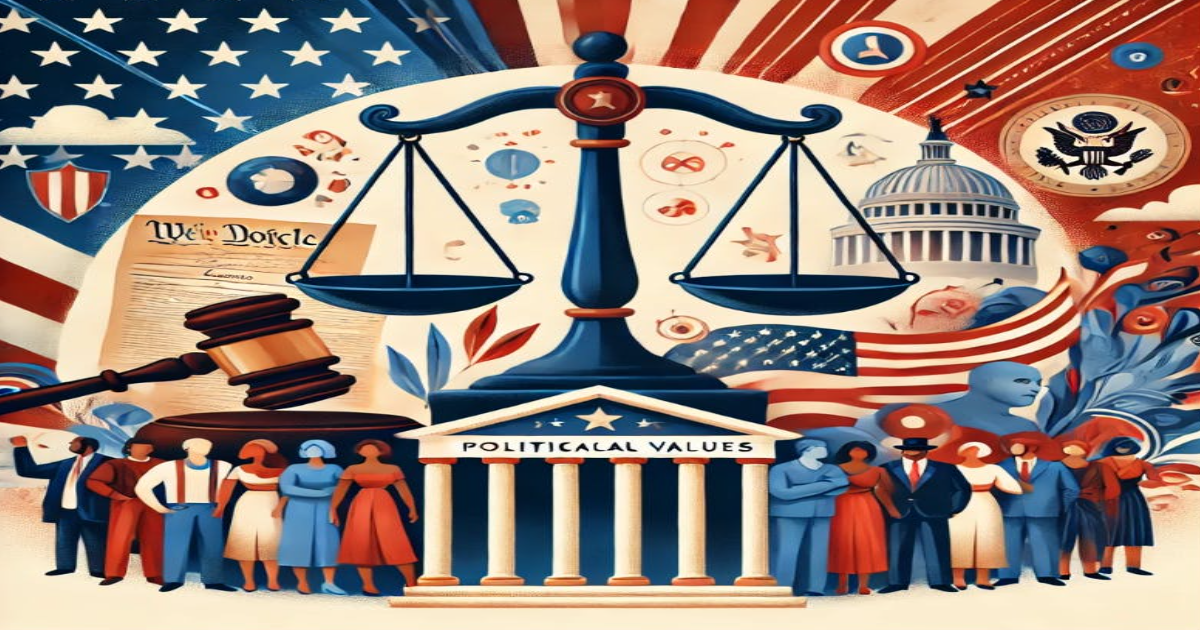
Justice is a cornerstone of political values, embodying the principles of fairness, equality, and moral righteousness. It is the foundation upon which societies are built, ensuring that laws and institutions operate to protect the rights of all individuals. In this chapter, we explore the significance of justice, its historical development, its role in contemporary society, and the challenges it faces today.
The Essence of Justice
Justice, in its simplest form, is the concept of moral rightness based on ethics, law, fairness, and equity. It involves the consistent and fair application of laws, ensuring that every individual is treated equally and fairly. Justice is not just about punishment and retribution; it is also about restoring balance and promoting social harmony.
Historical Development
The pursuit of justice has been a central theme throughout history. Ancient civilizations, such as those in Mesopotamia, Egypt, and Greece, developed early legal systems to maintain order and resolve conflicts. Key milestones in the historical development of justice include:
Hammurabi's Code: One of the earliest known sets of laws, Hammurabi's Code established principles of justice in ancient Babylon, emphasizing retributive justice and the idea that the punishment should fit the crime.
Roman Law: The Roman legal system contributed significantly to the concept of justice, introducing principles such as legal precedent and the rights of the accused.
Magna Carta: Signed in 1215, the Magna Carta laid the groundwork for modern legal systems by establishing the principle that everyone, including the king, is subject to the law.
Enlightenment Thinkers: Philosophers such as John Locke, Montesquieu, and Jean-Jacques Rousseau influenced the development of modern justice systems, advocating for the separation of powers, individual rights, and the rule of law.
Justice in Contemporary Society
In modern society, justice continues to be a fundamental political value, shaping laws, policies, and institutions. Key aspects of contemporary justice include:
Legal Justice: Ensuring that laws are applied fairly and consistently to all individuals, regardless of their background or status. This includes protecting the rights of the accused, ensuring due process, and providing fair trials.
Social Justice: Addressing inequalities and injustices in society, such as discrimination, poverty, and lack of access to education and healthcare. Social justice aims to create a more equitable and inclusive society.
Economic Justice: Promoting fairness in economic policies and practices, ensuring that everyone has access to opportunities and resources needed for economic stability and growth.
Restorative Justice: Focusing on repairing the harm caused by criminal behavior through reconciliation and rehabilitation, rather than solely through punishment.
The Impact of Justice
Promoting justice has profound benefits for individuals and society as a whole:
Protection of Rights: Justice systems protect the rights and freedoms of individuals, ensuring that everyone is treated with dignity and respect.
Social Cohesion: Fair and just societies tend to be more cohesive and stable, as individuals feel a sense of trust and belonging.
Economic Prosperity: Justice in economic policies promotes fair competition and access to opportunities, contributing to sustainable economic growth.
Moral Integrity: Upholding justice reinforces moral and ethical standards, guiding behavior and decision-making in society.
Challenges to Achieving Justice
Despite its importance, achieving true justice remains a complex and challenging endeavor. Some of the barriers include:
Systemic Inequality: Deep-rooted inequalities in society, such as racism, sexism, and economic disparity, can undermine the pursuit of justice.
Corruption and Abuse of Power: Corruption within legal and political systems can erode trust and hinder the fair application of justice.
Access to Justice: Many individuals, particularly those from marginalized communities, face barriers to accessing legal resources and representation.
Balancing Interests: Ensuring justice requires balancing the interests of different groups, which can be difficult in diverse and pluralistic societies.
The Role of Advocacy and Policy
Addressing these challenges requires a concerted effort from individuals, communities, and institutions. Key strategies include:
Advocacy and Activism: Advocates and activists play a crucial role in raising awareness about injustices and pushing for systemic change. Grassroots movements can mobilize public support and influence policy decisions.
Policy Reforms: Governments and institutions must implement policies that promote justice, such as anti-discrimination laws, criminal justice reform, and measures to address economic inequality.
Education and Awareness: Educating individuals about their rights and the principles of justice can empower them to advocate for themselves and others.
Community Engagement: Engaging communities in discussions about justice and fairness can foster a more inclusive and equitable society.
Conclusion
Justice is a fundamental political value that underpins the moral and ethical framework of society. By understanding its historical development, contemporary significance, and the challenges it faces, we can work towards creating a fairer and more just world. Through advocacy, policy reforms, and community engagement, we can promote justice and ensure that everyone has the opportunity to live with dignity and equality. Let us commit to upholding the principles of justice in all aspects of life, recognizing that a just society is the foundation of a prosperous and harmonious world.
Continue to Chapter 5 ➡️Conservatism in Political Values