
Quick Overview
In "The Great Gambit," students take on roles as distinct social groups in pre-WWI German society – Political Leaders, Colonial Administrators, Civilians, and Workers – making strategic decisions each turn to gain influence. The ultimate goal is to prevent the outbreak of World War I by creating a more stable society where all groups have a meaningful voice (influence) in shaping their future.
Each turn, the teacher presents a historical event that sets the context, while students, representing different social groups, respond by making decisions based on their goals and current situation. These decisions affect all groups and accumulate over time to determine the outcome.
Game Rules and How to Play
If you want to save time, you can continue reading the article to get a quick understanding of how to play. For those who want a more in-depth explanation, the video tutorial for students provides a detailed walkthrough of the gameplay.
https://www.youtube.com/watch?v=DqcoZYPmt-8
1. Game Modes: Two Ways to Play
There are two main game modes in The Great Gambit:
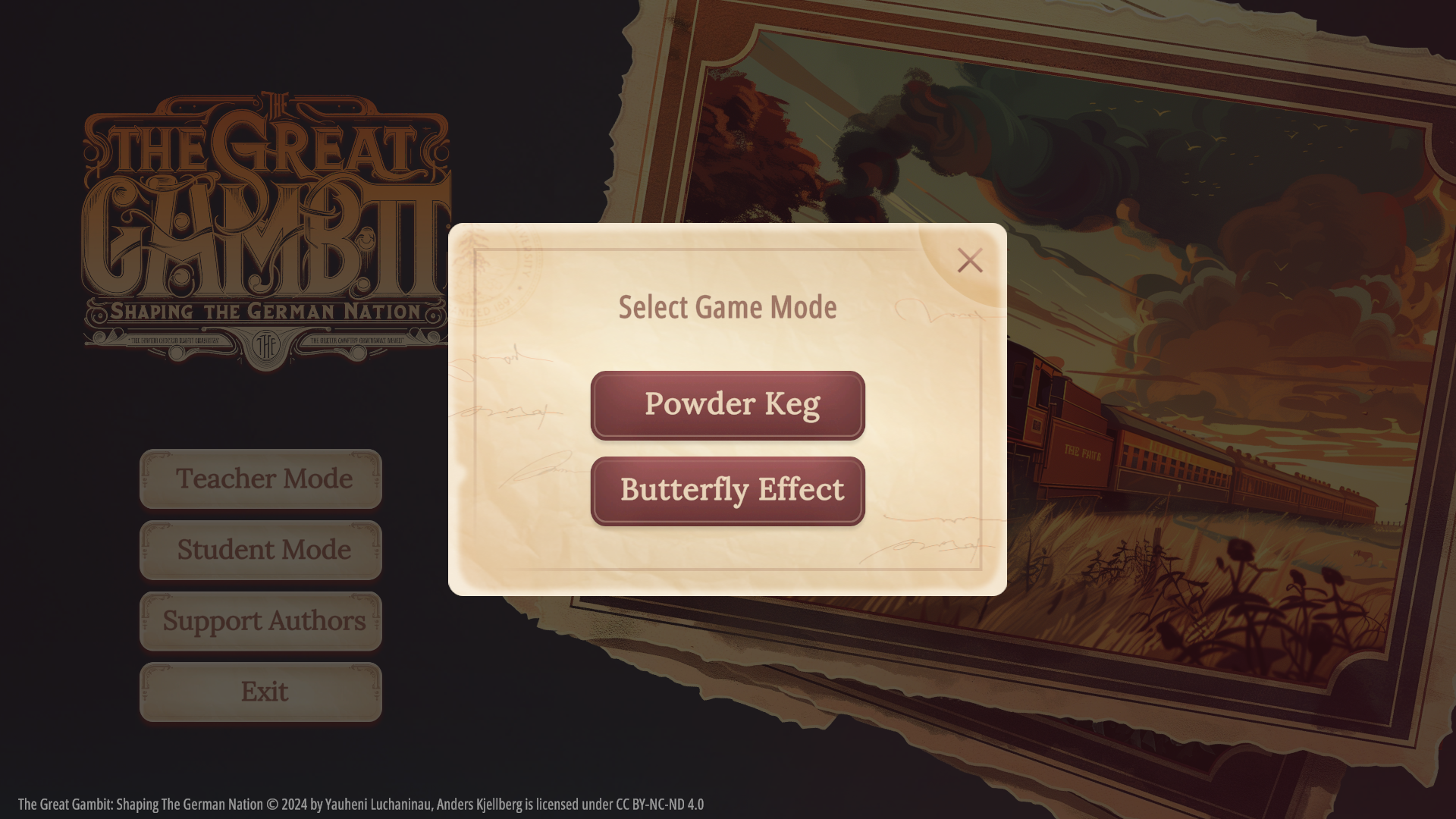
Powder Keg (Contest Mode):
In this mode, the primary goal is to introduce students to the game’s mechanics and the historical timeline. This mode is less intense in terms of cooperation, allowing students to learn the rules and understand the key historical events leading to World War I without overwhelming them. Groups will focus on their own objectives and strategies, competing to gather the most gems.Butterfly Effect (Cooperation Mode):
This mode challenges students to navigate pre-war Germany's complex social dynamics. Groups work to maintain stability while balancing their individual interests with collective needs. While pursuing their own objectives, groups can cooperate to prevent tensions from escalating into conflict. This creates a dynamic environment where every decision affects multiple groups and shapes the possibility of maintaining peace, demonstrating how interconnected social forces influence historical outcomes.
Each mode provides a different educational experience, either focusing on learning the game and history or giving students a chance to rethink history itself.
2. Getting Started
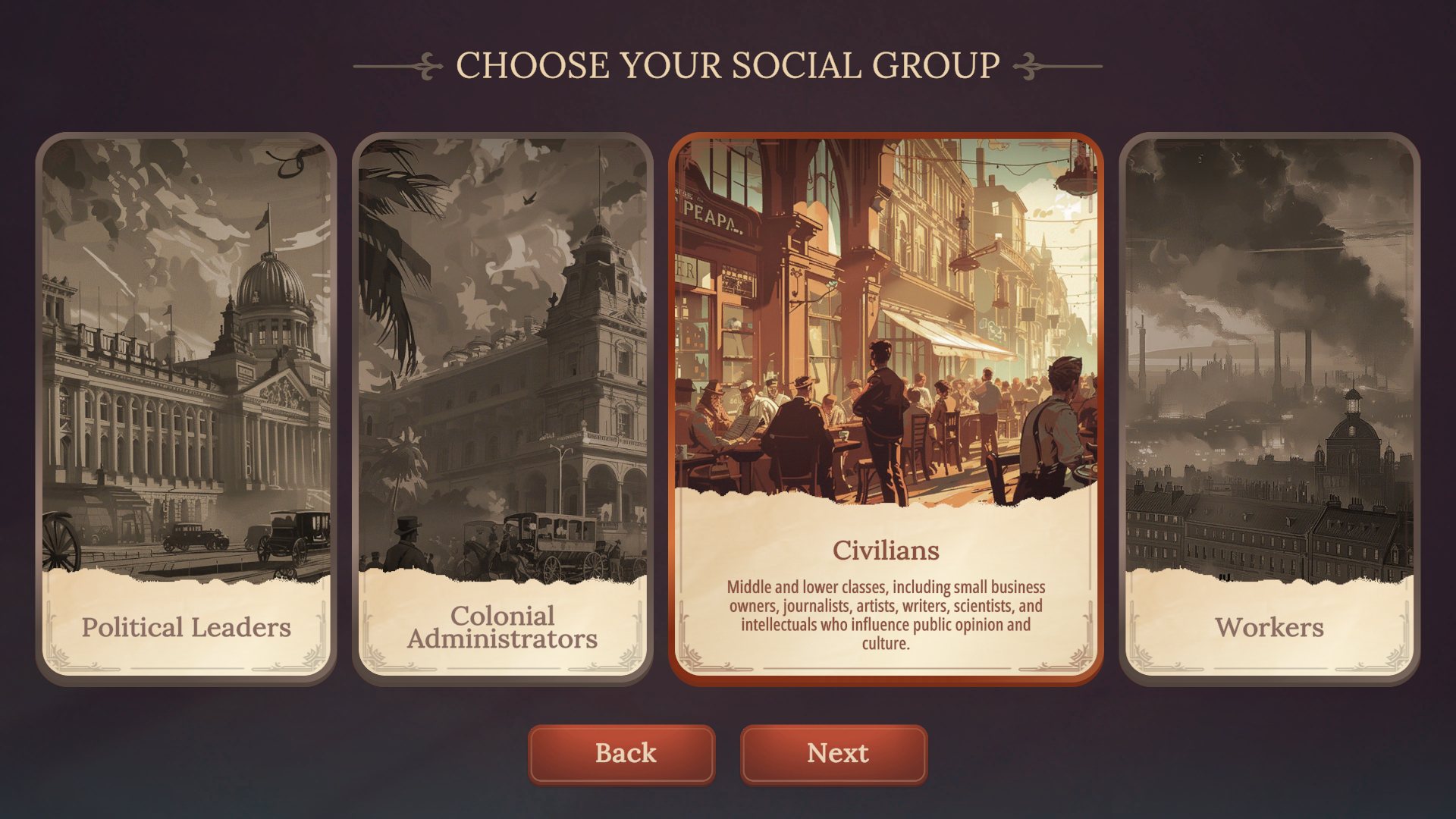
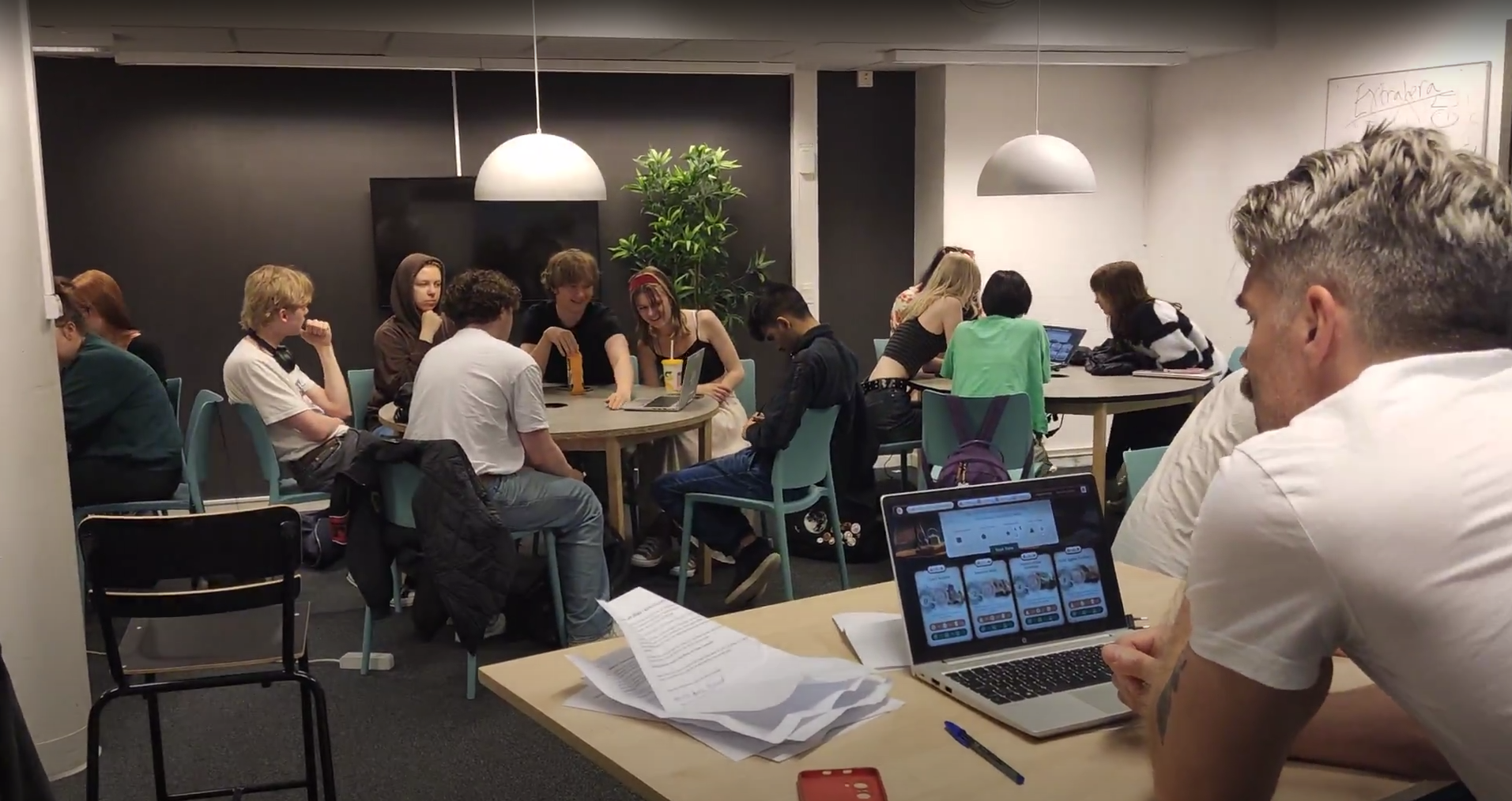
The teacher divides students into four groups representing key roles.
3. Setting the Scene
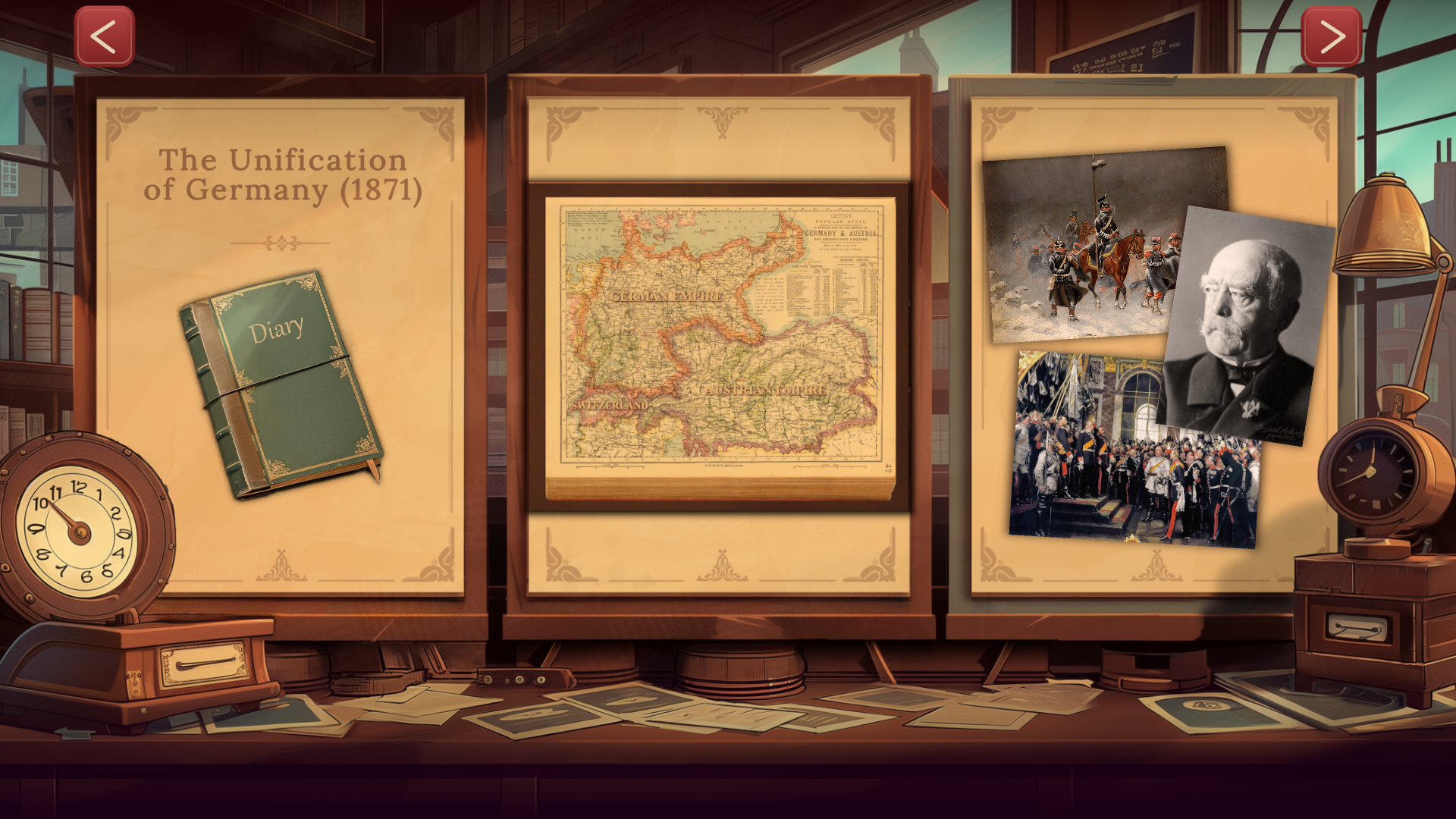
The teacher uses Archives Feature at the beginning of each turn to introduce a significant historical event. The students see the same on their computers.
It acts as visual aids to help immerse students further into the historical events.
The teacher introduces the event verbally, explaining its significance and context.
Students have access to diary entries that provide intimate perspectives on the events.
Students can explore an interactive environment that includes maps with marked areas relevant to the event, historical images with detailed views, and video clips that bring the period to life.
4. Decision-Making: The Heart of the Game
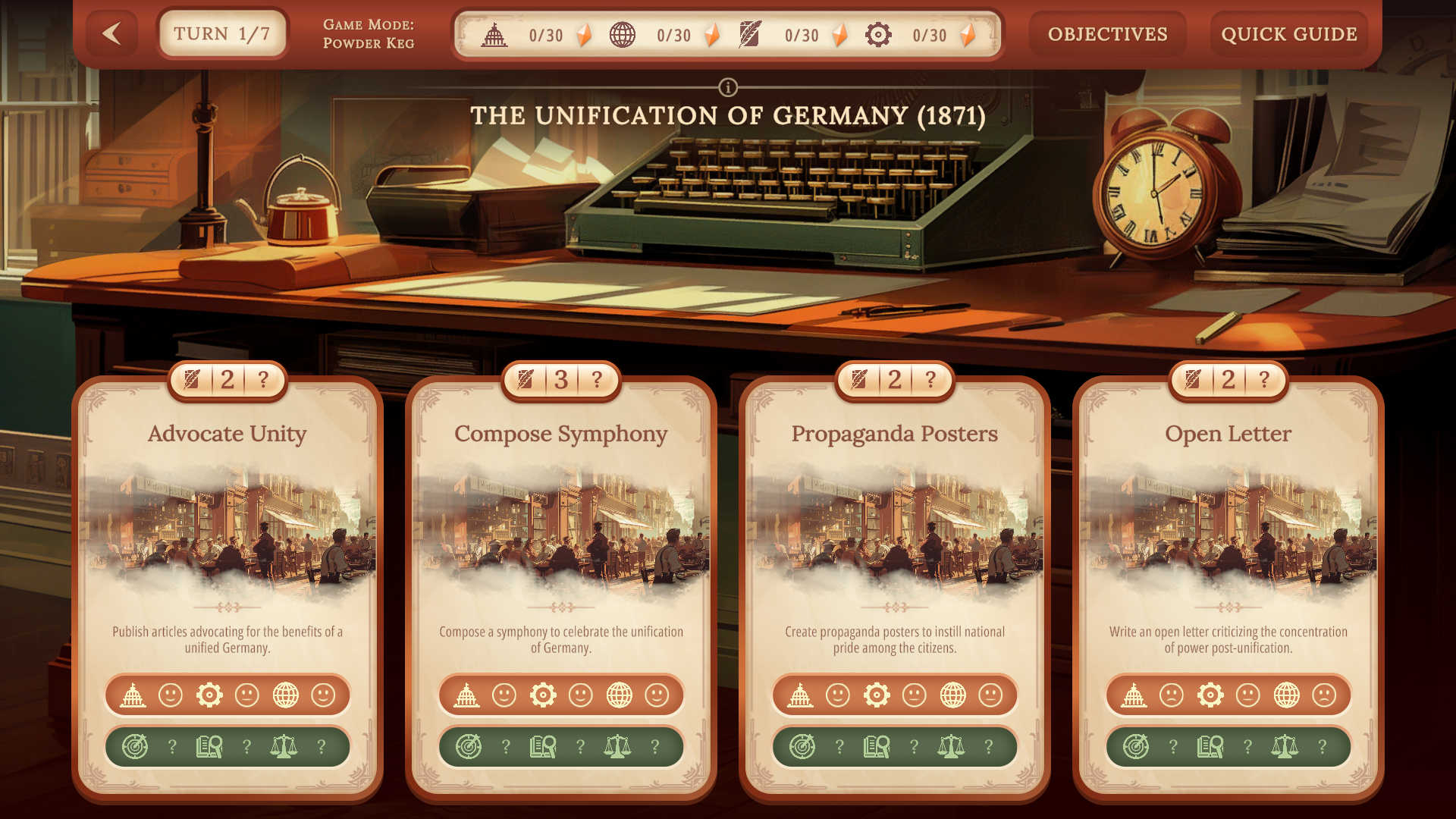
After the event is introduced, each group receives 4 Decision Cards for that turn. When making their choices, students must consider multiple factors, including their role’s objectives, how their decision will affect others, and the possible outcomes of their actions and even try to predict the moves of their opponents.
The students should discuss their choices within their group (discussions between groups are not allowed during decision-making), deciding which card to play based on many factors.
5. Outcome and Scoring
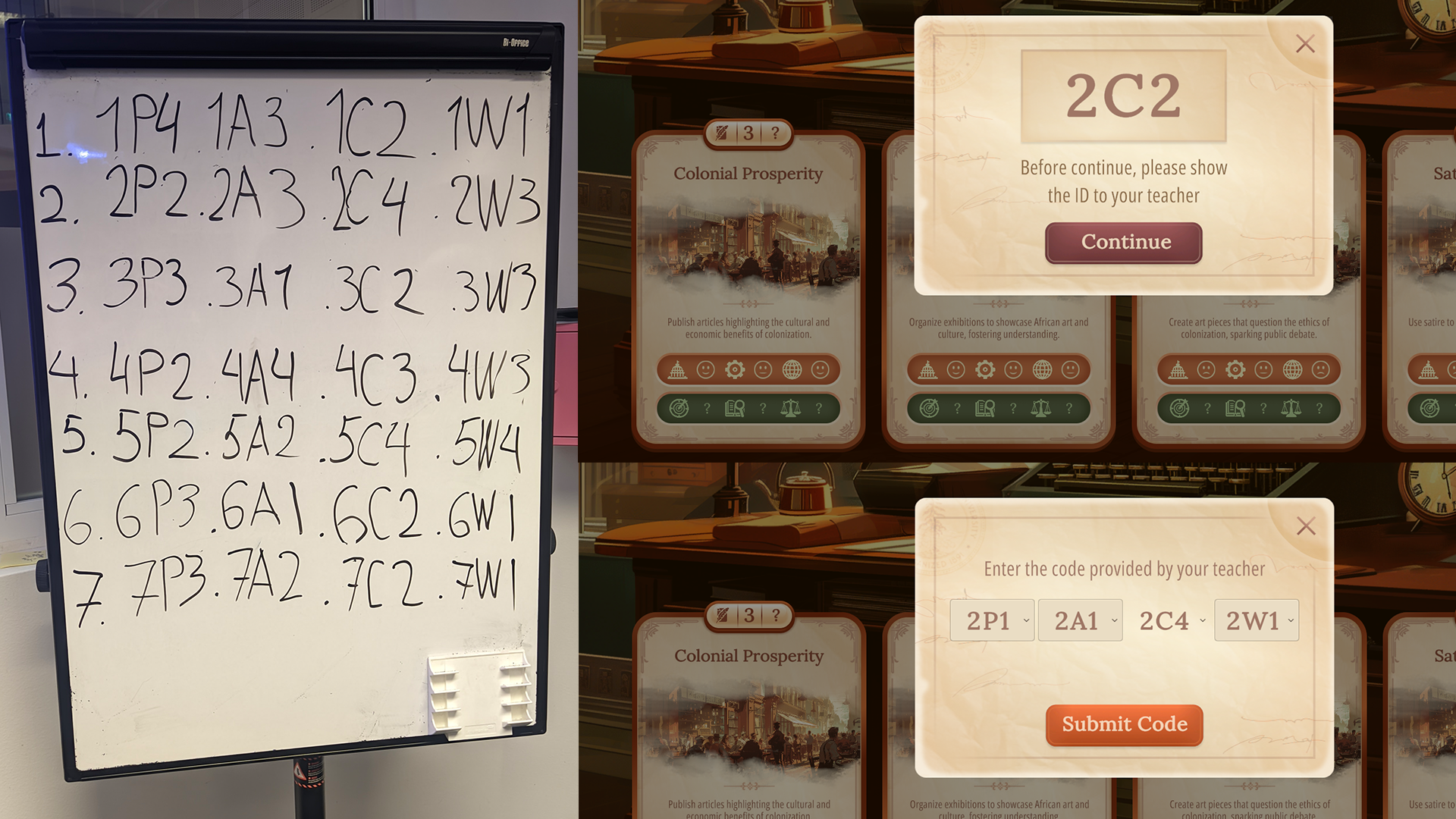
Once all groups have selected their decisions, the teacher collects the CardIDs (unique codes for each decision card) and enters them into the system. The app calculates the outcomes for the turn.
The teacher keeps these codes visible on the whiteboard, as students who accidentally enter incorrect codes can easily reference the whiteboard to reenter the proper codes.
Such a simple approach allows to play without the internet or wi-fi network which are not reliable things.
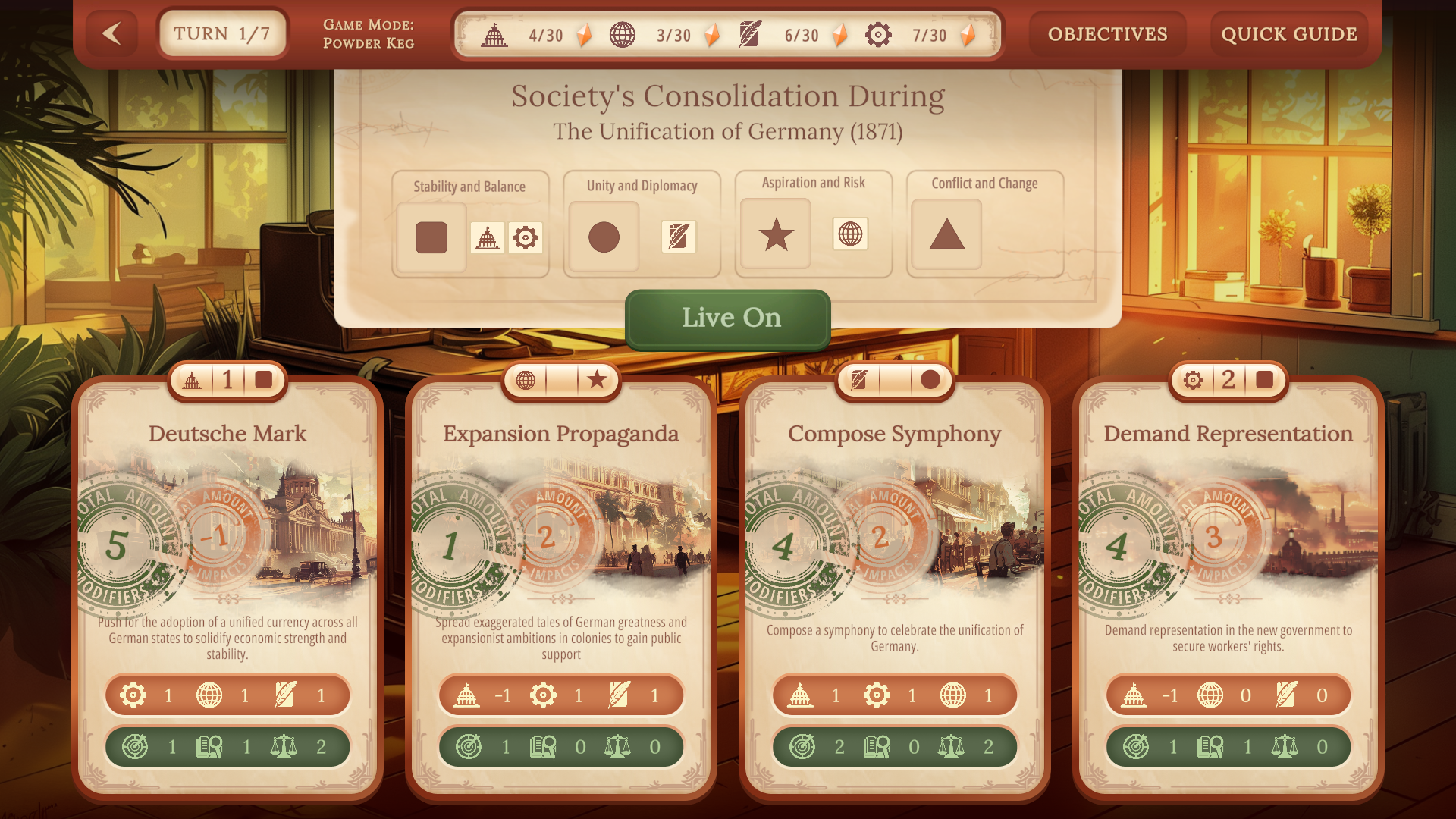
The outcomes determine how many gems each group earns for the turn, which impacts their overall progress toward winning the game.
6. Outcomes and Group Discussions
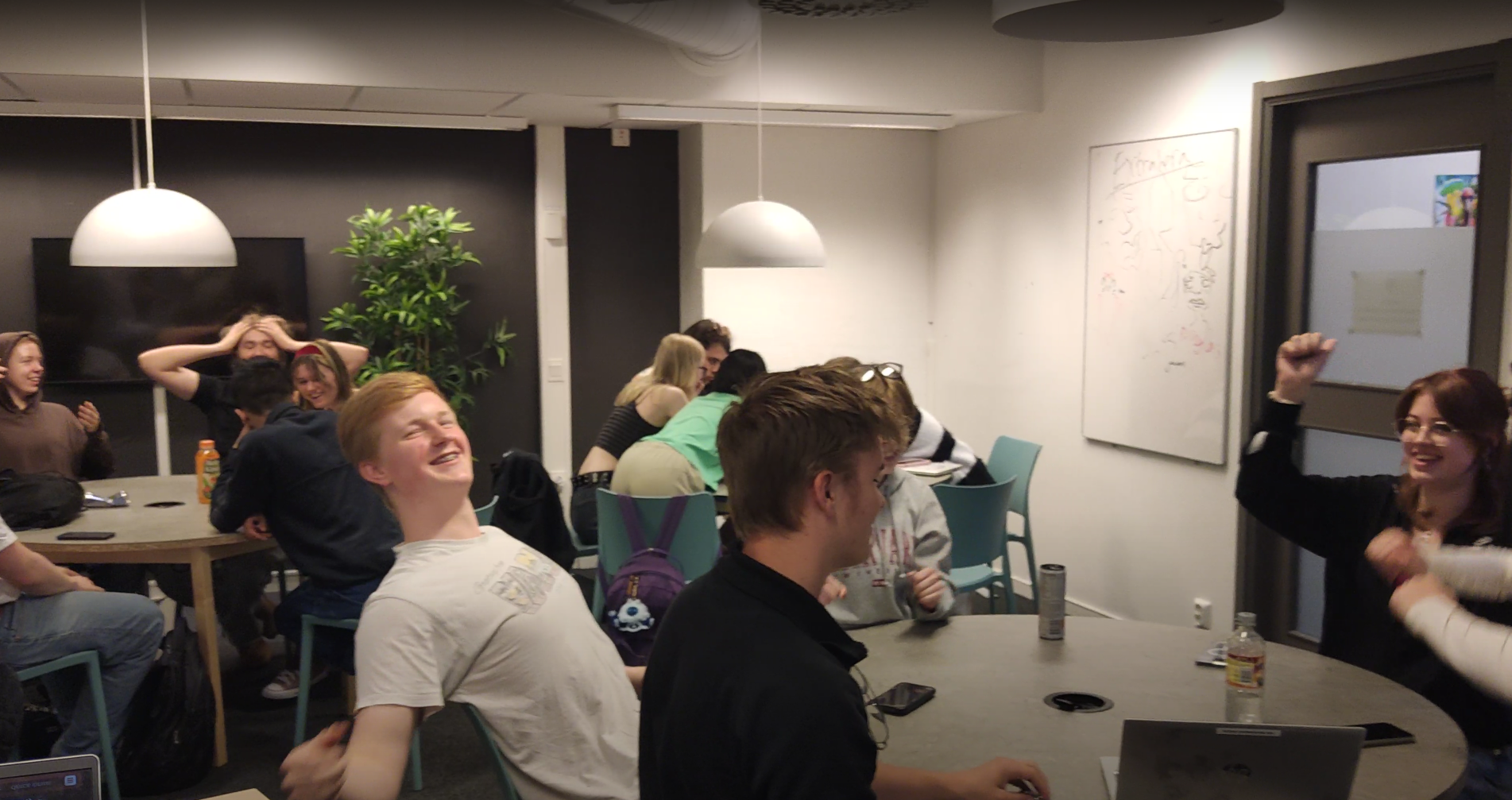
Once decisions are revealed, students discuss outcomes between groups, often sparking heated debates. They experience firsthand how other groups' choices affect them, which can lead to disagreements, alliances, or even conflicts as some feel betrayed or disadvantaged.
These discussions are a critical part of the game, as they allow students to engage deeply with the consequences of their decisions, forming new strategies and reflecting on how conflicts emerge within societies.
7. Progression Through History
The game progresses through 7 historical turns, each representing a critical moment leading up to World War I. For each turn, the teacher presents the historical context, groups make decisions, and outcomes are calculated. Some of the key events include:
The Unification of Germany (1871)
The Scramble for Africa (1871-1885)
The Naval Arms Race (1898-1912)
The Bosnian Crisis (1908-1909)
The Agadir Crisis (1911)
The Balkan Wars (1912-1913)
The Assassination of Archduke Franz Ferdinand (1914)
Each turn challenges students to adapt their strategies and learn from previous decisions, ultimately shaping their understanding of the complex lead-up to the war.
8. Endgame: Reflecting on the Results
At the end of the game, students reflect on the consequences of their actions in one of two ways, depending on the game mode:
Powder Keg (Contest Mode):
At the end of this mode, students will witness a final presentation that highlights the devastating scale of World War I, offering a sobering reminder of the consequences of conflict and competition.Butterfly Effect (Cooperation Mode):
Here, students will see whether they successfully avoided the war by cooperating and achieving the CollectiveWinTarget. The final presentation will show the outcomes for each group, reflecting on what might have changed if the war had been prevented or, if they failed, what the consequences were for each role. This mode emphasizes reflection on how different choices could have reshaped history.
9. Integrating Into the Teacher’s Curriculum
The Great Gambit fits seamlessly into a four-lesson structure:
Lesson 1: Playing Powder Keg (90 minutes)
This mode introduces students to the rules, gameplay mechanics, and the historical timeline leading up to World War I. It serves as an introduction to the game and its strategic decision-making.
Lesson 2: Reflection on Society
After experiencing the events in Powder Keg, students are ready to engage in deeper discussions. This is where the teacher steps in to guide them through critical analysis of their actions during the game. The teacher helps students see how their in-game decisions reflect the behaviors of German society before World War I. Since students have now "lived through" this period, the historical events feel more like personal experiences, making them more engaged and ready to analyze the causes of conflict, power struggles, and alliances.
Lesson 3: Playing Butterfly Effect (90 minutes)
In this cooperative mode, students work together to avoid the war, exploring the potential to change history. This lesson emphasizes teamwork and critical thinking.
Lesson 4: Reflecting on Outcomes
The final lesson is a deep reflection on the outcomes of Butterfly Effect. Whether students avoided the war or not, the teacher guides them in drawing lessons from the historical events and applying them to the modern world. This is where the teacher "extracts lessons," guiding students to think critically about how historical decisions relate to being responsible, informed citizens—promoting peace, understanding conflict, and emphasizing the value of critical thinking about conflict and cooperation in today’s world.