
Hello, everyone!
This is my first post, and I’d like to address the question posed in the title.
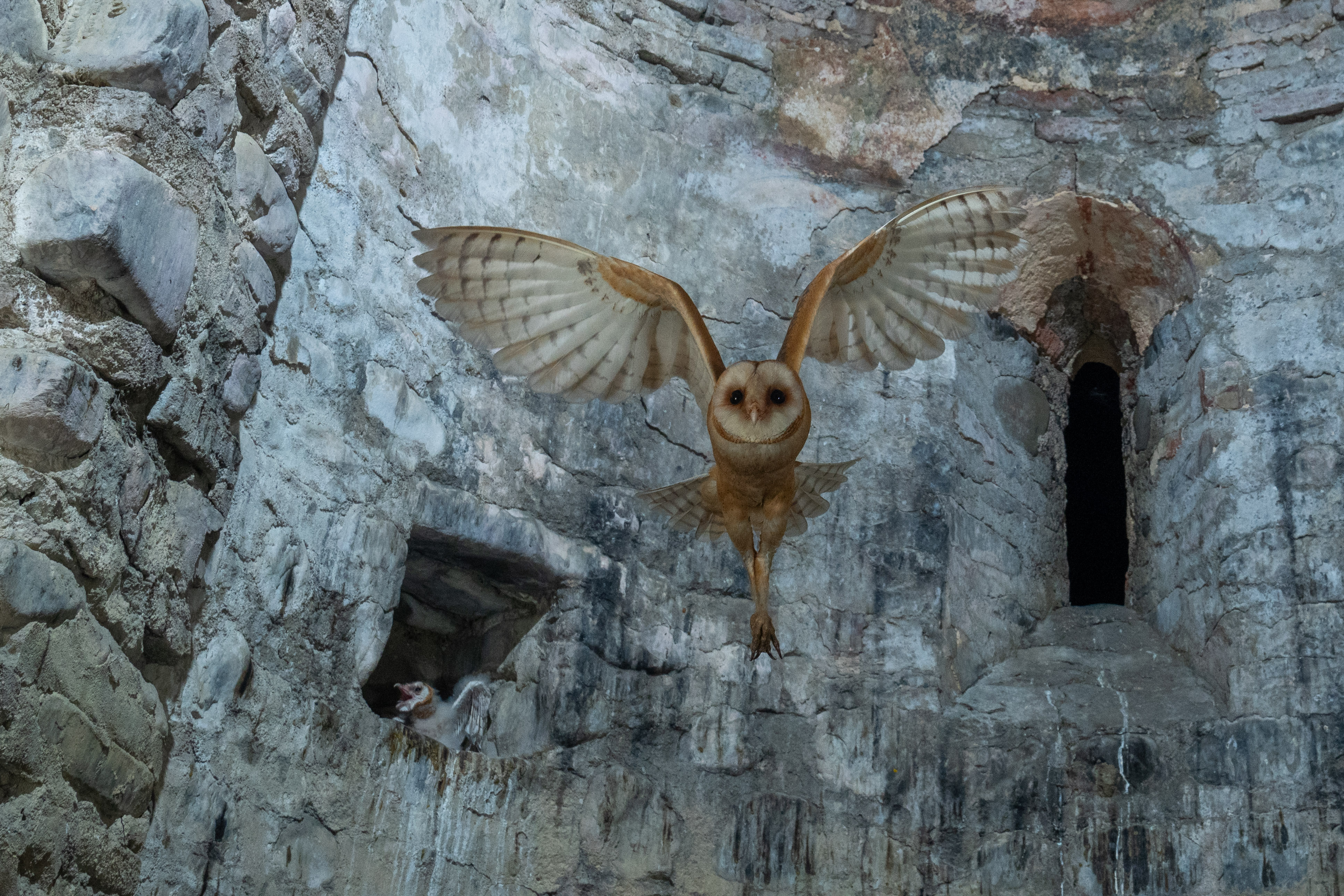
A Barn Owl breeding in a church in the Kakheti region. Photo by Sergey Bystritsky
Before diving into that, let me explain why the situation regarding the Barn Owl in Georgia, and the Caucasus region as a whole, is so unique. Although the Barn Owl is a cosmopolitan species, it was not recorded in the Caucasus until recently.
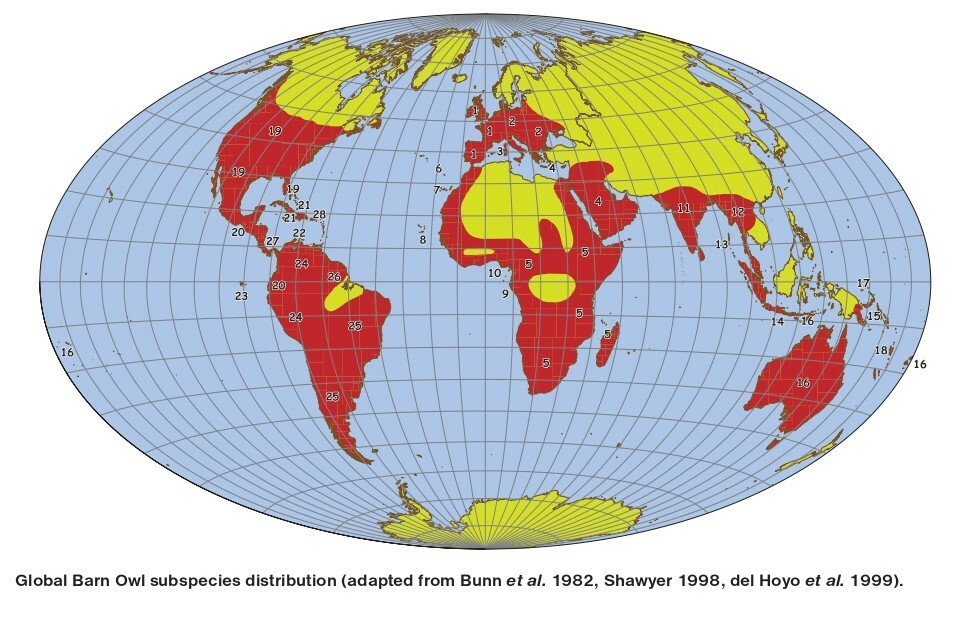
A map showing the distribution of the Barn Owl worldwide, from the book "Barn Owl" (2010) written by K.Poprach
In the late 20th century, populations in Western Europe, Turkey, and Iran increased, leading to an expansion of their range. This growth allowed Barn Owls to reach the Black Sea coast in Ukraine, Russia, Turkey, and Georgia, as well as the Caspian Sea coast in Iran and Azerbaijan. The first sighting of a Barn Owl in Georgia occurred in 2003. Remarkably, in just over 20 years, this species has occupied the entire country at elevations below 1,000 meters.
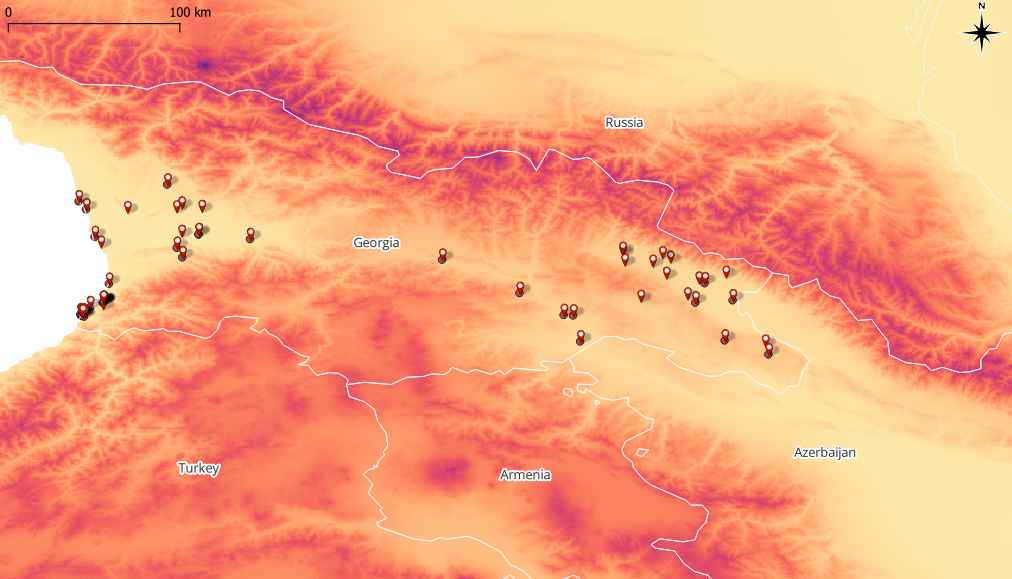
The map of current distribution of Barn Owl in Georgia
The expansion of the Barn Owl's breeding range to the Caucasus has been a natural process, influenced by a habitat availability. As a native species, the Barn Owl has adapted well to this region, seamlessly integrating into the local ecosystem without causing any disruption.
Breeding under the roofs of buildings and on the grounds of abandoned churches presents challenges for Barn Owls. Increased human disturbance and potential habitat degradation can threaten their nesting success. These sites may also expose nests to predation and the risk of accidental destruction during maintenance or renovation activities.
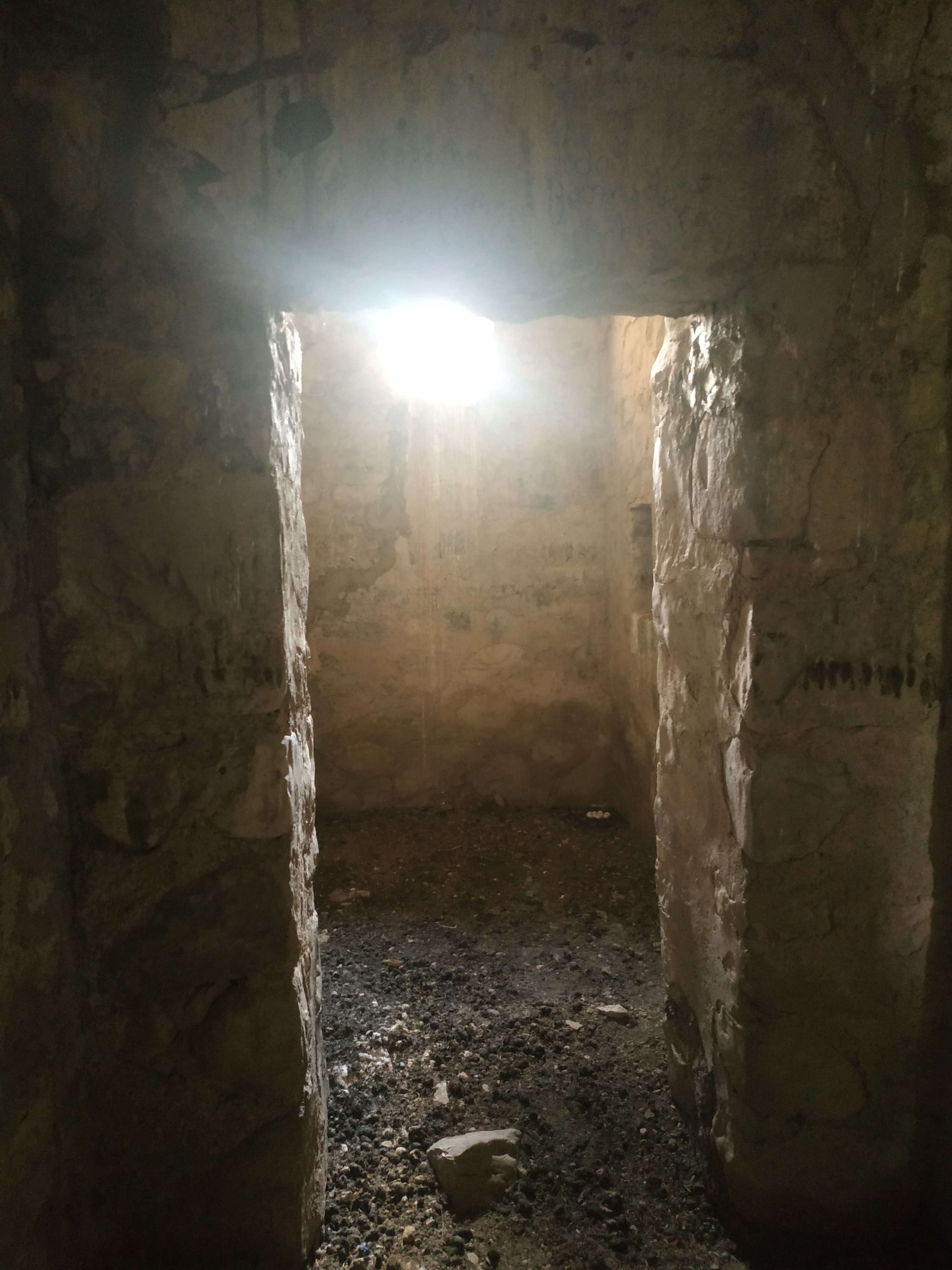
A clutch of Barn Owl eggs on the ground level of an abandoned church (in the right corner of the room under the window)
Artificial nest boxes offer significant advantages for Barn Owls, providing safe and secure nesting sites, especially in areas with limited natural habitats. These boxes protect owls from predators and harsh weather, enhancing their chances of successful breeding. Additionally, by encouraging Barn Owls to nest near agricultural areas, these boxes promote their role in pest control, helping farmers manage rodent populations. Overall, artificial nest boxes play a crucial role in the conservation of Barn Owls and their vital ecological contributions.
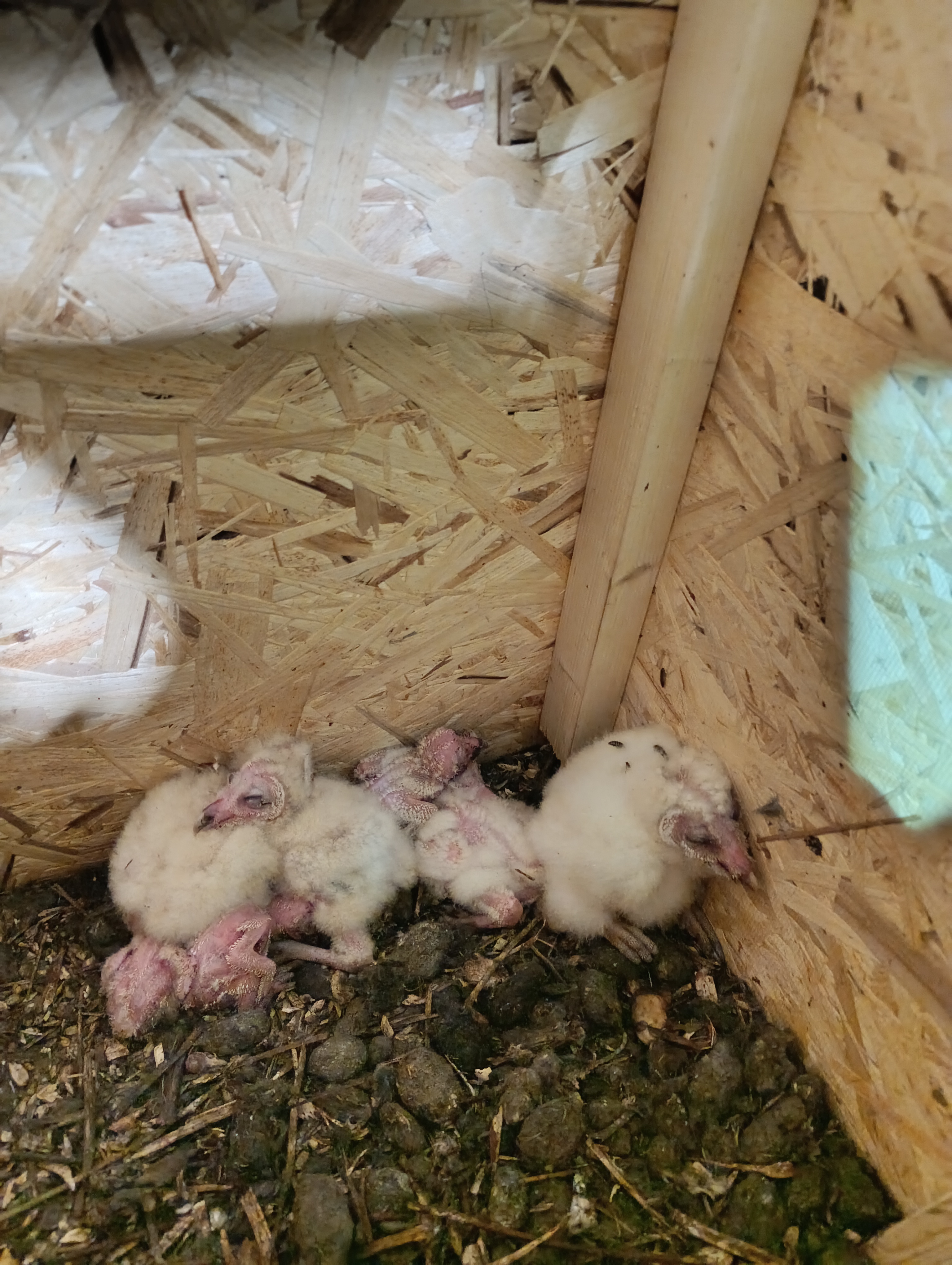
Chicks of Barn Owl in our nest box
In 2023, we began installing nest boxes in Georgia, continuing into 2024. As of October 2024, a total of 34 boxes have been placed in the eastern regions: Kakheti and Kvemo Kartli (see the map).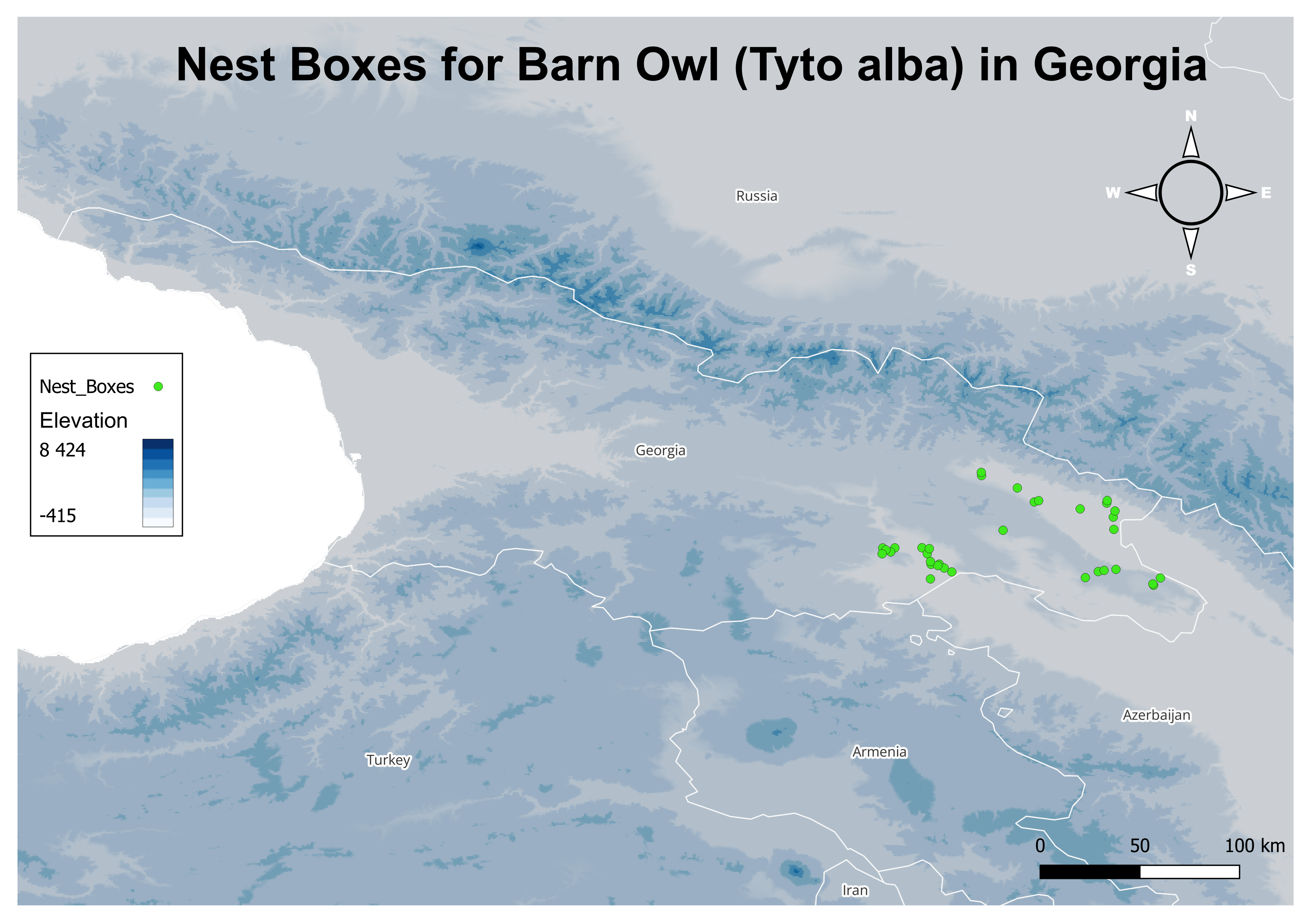
The map of nest boxes for Barn Owl in Georgia
Eight of the boxes have already been used by owls, with some pairs relocating from unsafe areas to the boxes after installation.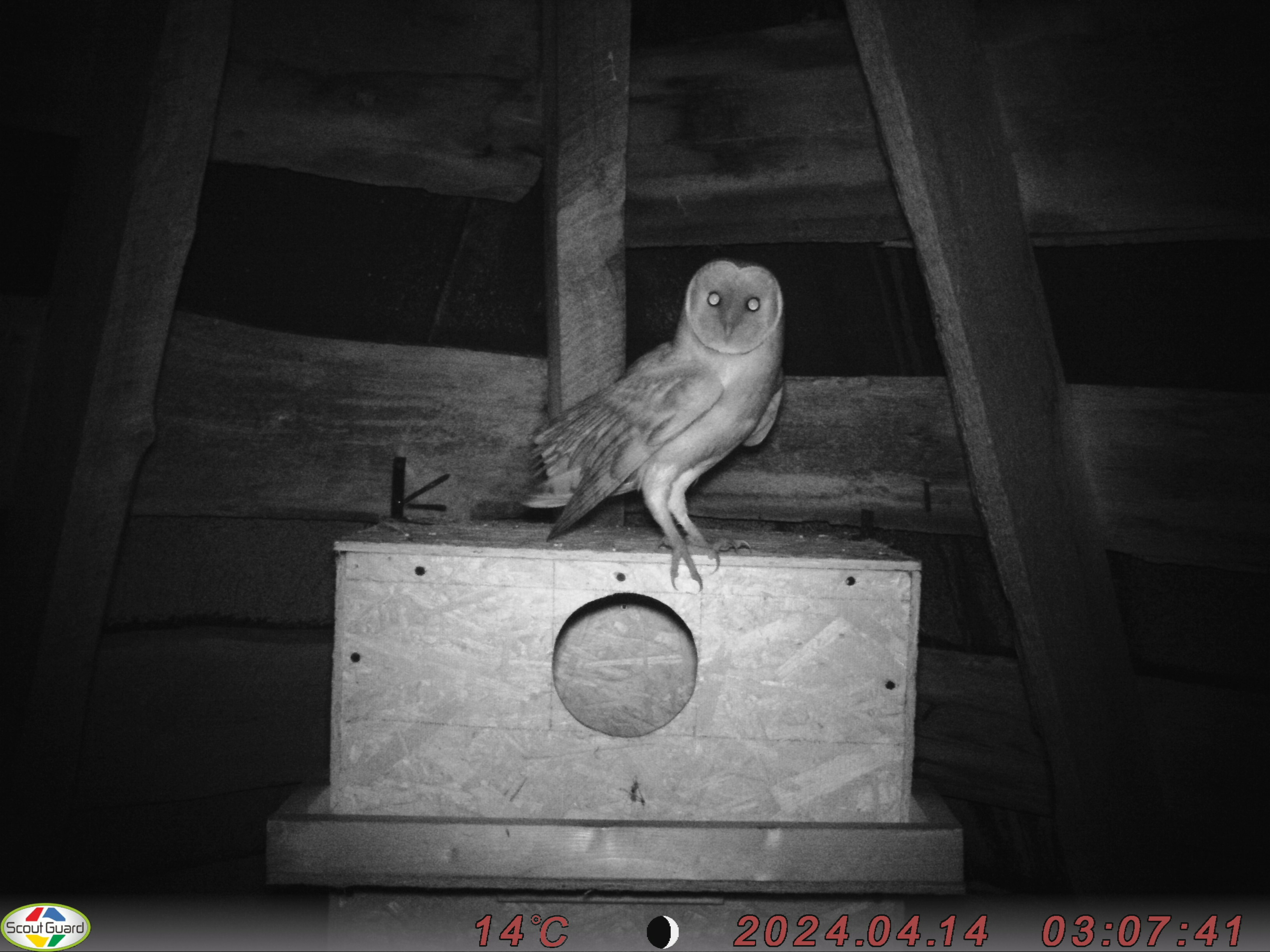
Barn Owl inspecting our box
Barn Owls provide significant benefits for farmers by controlling populations of rodents and other small mammals that can harm crops. By naturally managing these pests, they reduce the reliance on chemical pesticides, fostering a healthier and more sustainable farming environment.
My goal is to create safe spaces for Barn Owls where they can thrive without facing danger. Previously, I funded the construction and installation of these boxes out of my own pocket. However, some colleagues and friends have come together to support this initiative, which is why I’ve started a Buy Me a Coffee page. I am immensely grateful to everyone who has contributed! Choosing Barn Owl Membership you create one more nesting site for this species!
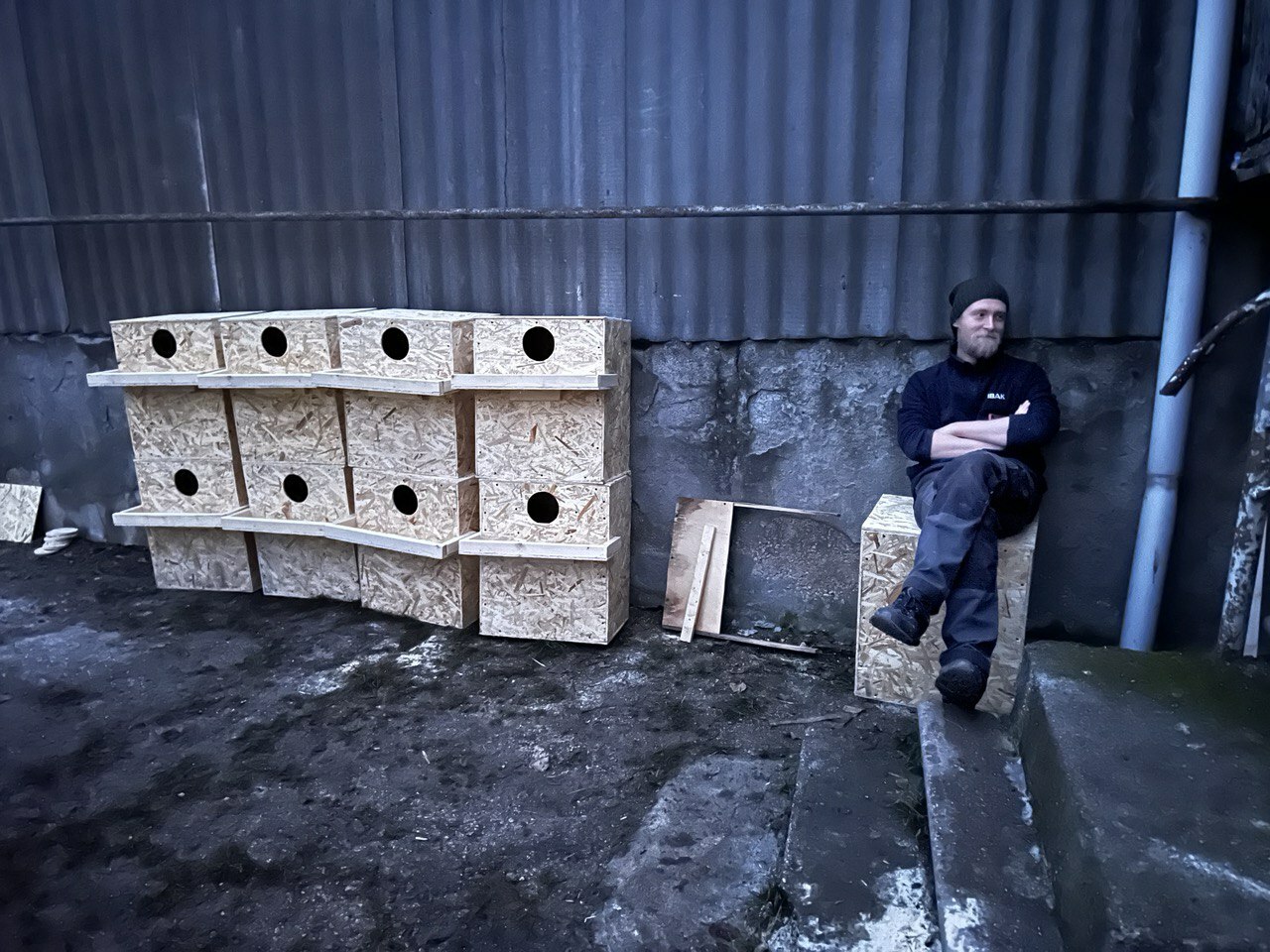
All these boxes are already installed in churches and other buildings. Photo by Sergey Bystritsky
My goal is to install 100 nest boxes for Barn Owls! Yes, I want to hang 100 boxes! Your contributions are invaluable in helping us reach this target. Together, we can achieve even more!
Barn Owls in Georgia need your support!