

Image created and owned by Ilya BazhanWe plan to film a range of individuals for the 'The Gene of Dissent' documentary, including heroes, witnesses, experts, and 'keepers of memory.' This is a working shortlist and will be refined based on confirmations, availability, and security considerations.
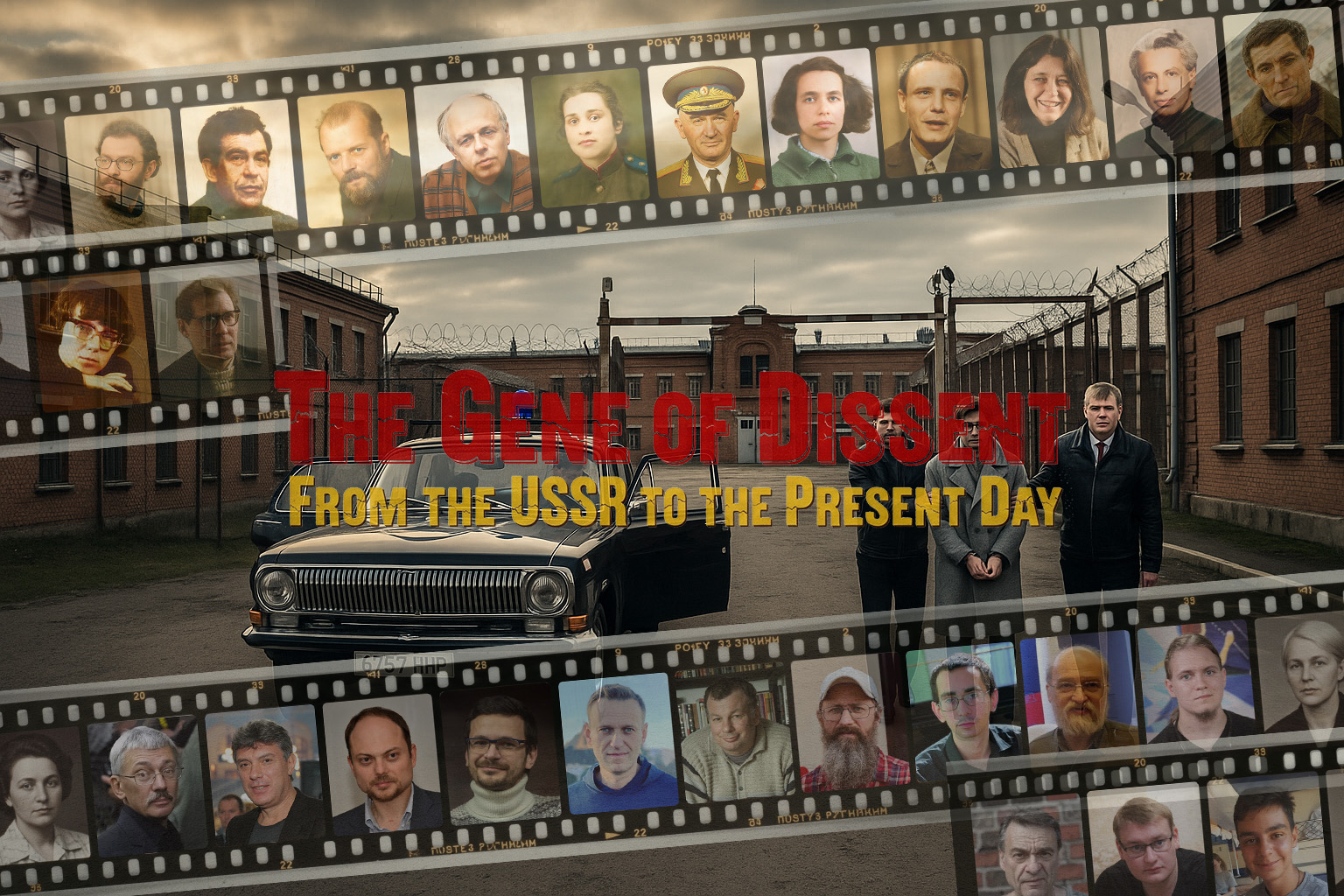 ☝️ This image was created using AI
The film tells the story of the most significant figures of the dissident movement in the USSR who are no longer with us.
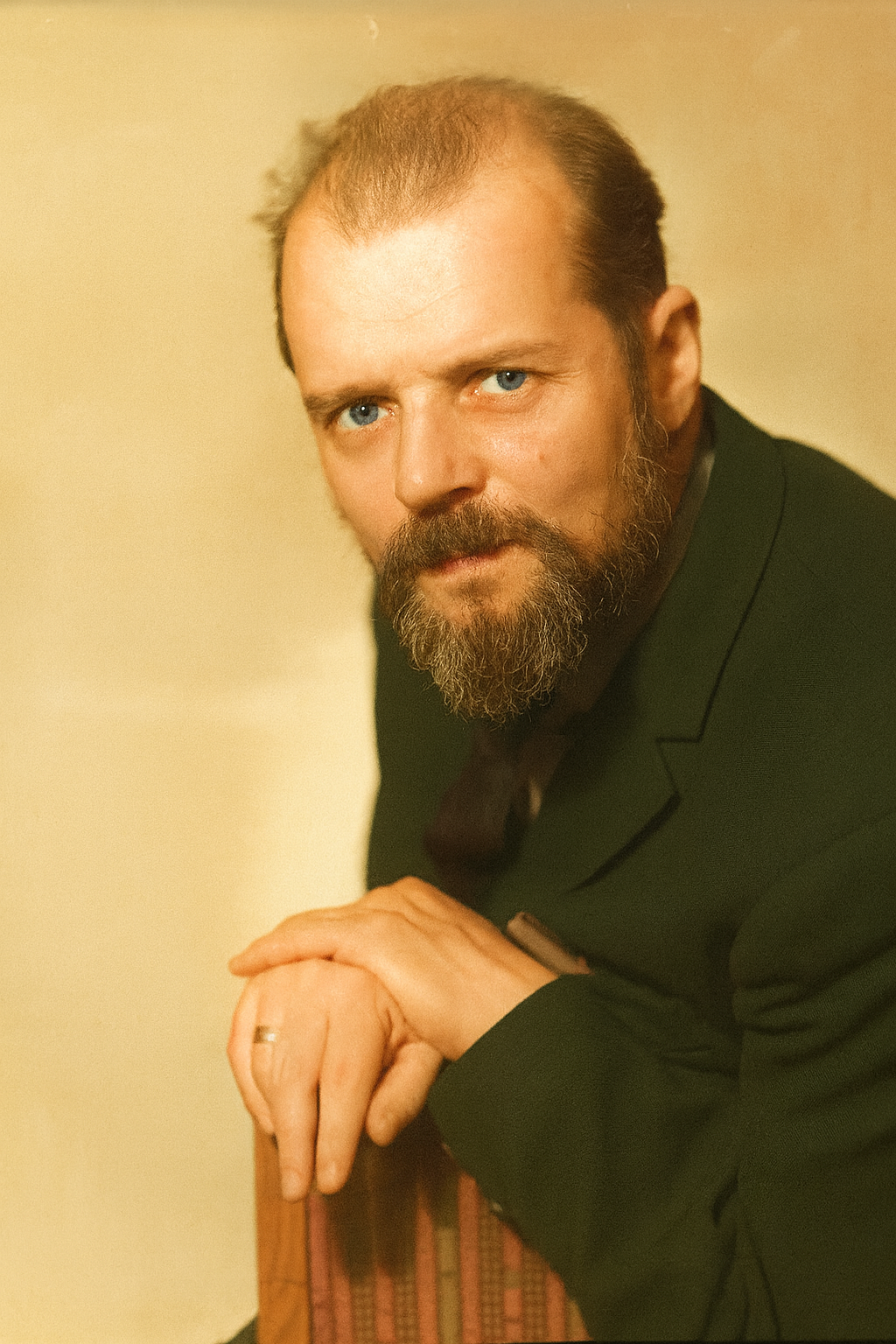 ☝️ In the photo: Alexander Yesenin-Volpin (1924–2016) — a Soviet and American mathematician, philosopher, poet, and Soviet dissident. As the son of the famous poet Sergei Yesenin, Yesenin-Volpin became widely known for his principled stance and activities. He gained renown as a political dissident and prisoner of conscience, spending a total of about 6 years in prisons, exile, and psychiatric hospitals for political reasons. He also went down in history as the author of the famous slogan of Soviet human rights defenders: 'Respect your Constitution!', calling on the authorities to strictly observe their own laws. Yesenin-Volpin is a key figure in the Soviet human rights movement and a notable scholar who combined his scientific career with the struggle for civil rights in the USSR. (This photograph was colorized using AI).
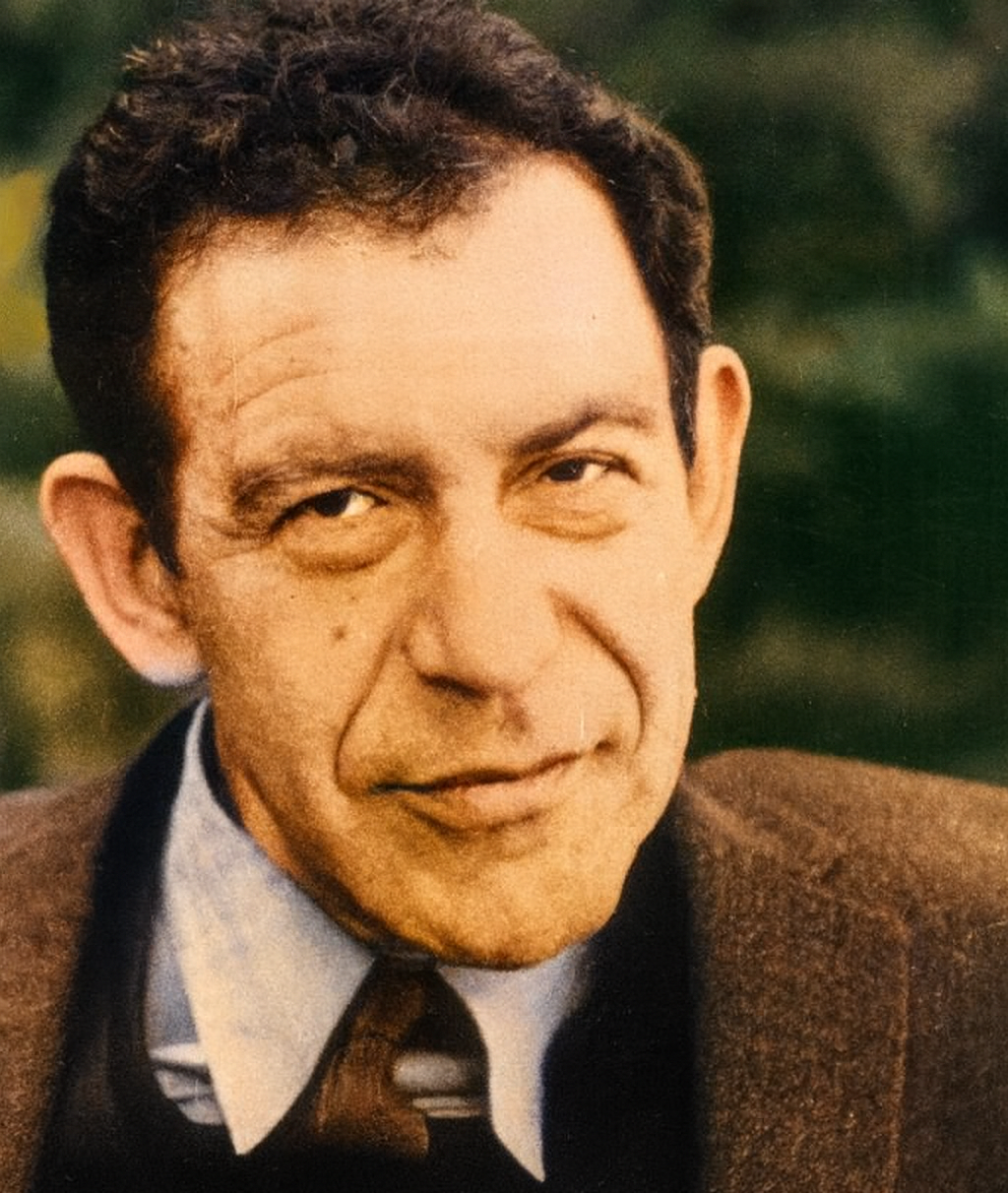 ☝️ In the photo: Yuli Daniel (1925–1988) was a prose writer, poet, and Soviet dissident. At the Sinyavsky-Daniel trial in 1966, unlike many other defendants in political trials, he categorically refused to plead guilty to 'anti-Soviet agitation and propaganda.' This was an unprecedented act that shattered the Soviet judicial ritual of public repentance and inspired many. For this, he was convicted and sentenced to 5 years in a strict-regime labor camp. (This photograph was colorized using AI).
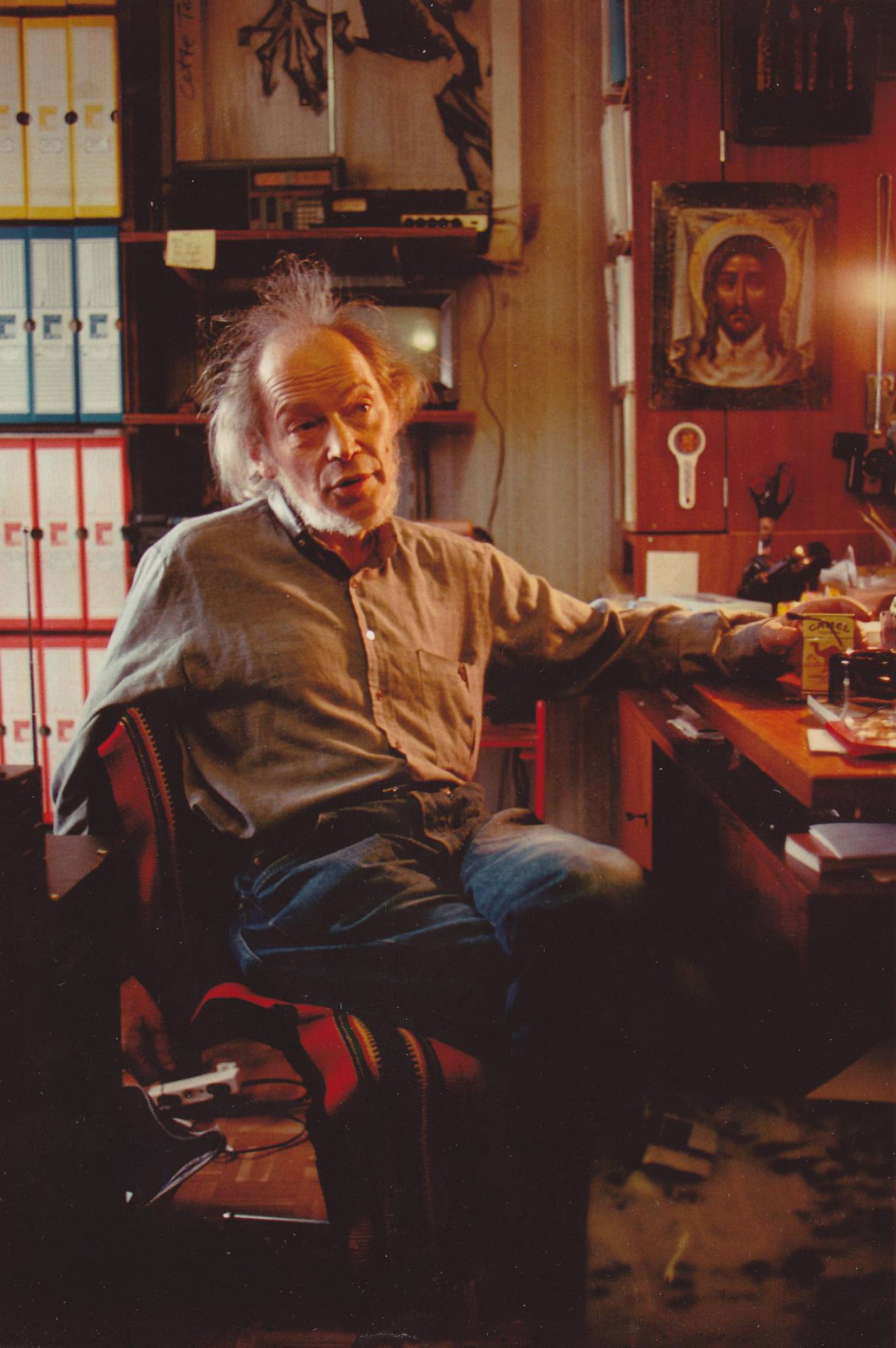 ☝️ In the photo: Alexander Ginzburg (1936–2002) was a Soviet journalist, publisher, and dissident. He voluntarily took on the dangerous mission of managing the Russian Social Fund for Aid to Political Prisoners and Their Families within the USSR. Thanks to his efforts, dozens of families across the USSR received monthly financial aid, goods, and gifts for their children. Ginzburg consciously risked his freedom, considering aid to prisoners a matter of honor. From 1974 to 1977, dozens of children of political prisoners received necessary support thanks to his work. For his activities, he spent about 10 years in prison. In 1979, he was released as part of an exchange for Soviet spies arrested in the United States.
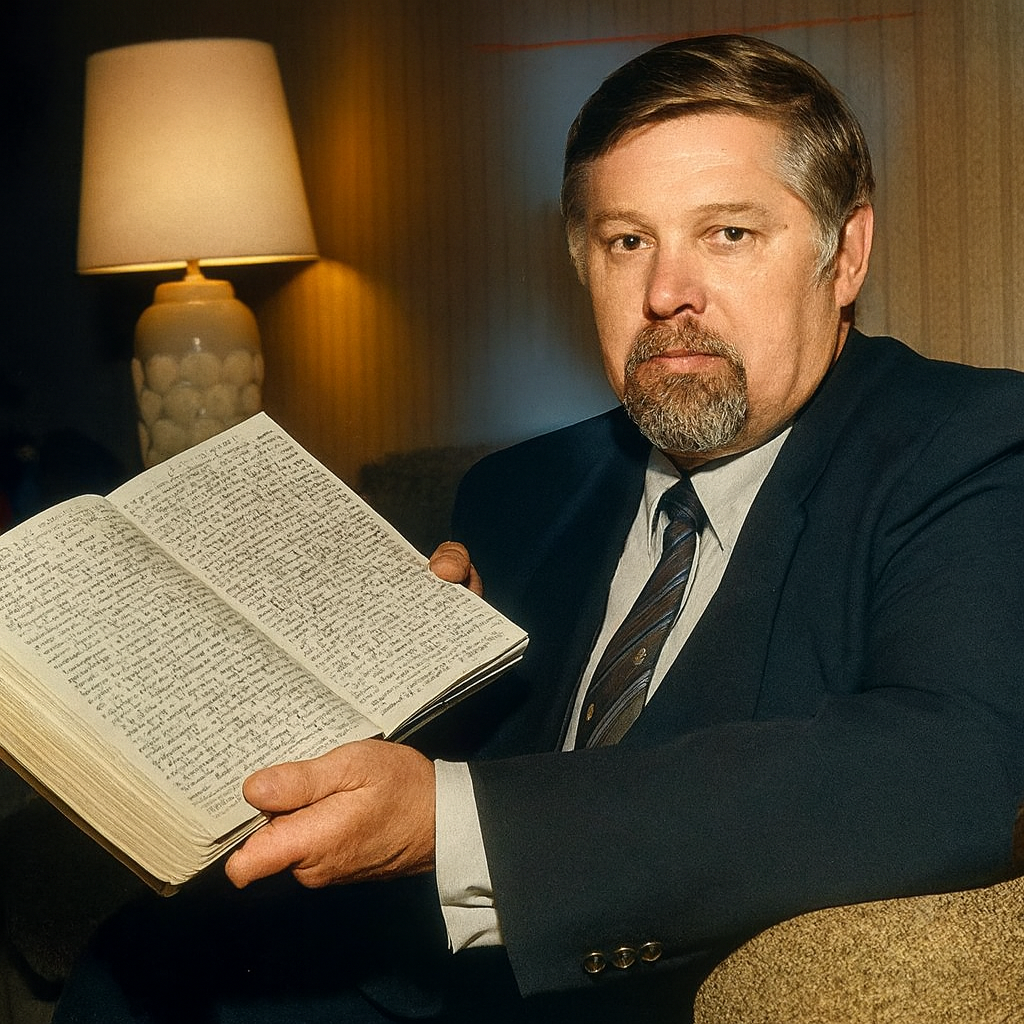 ☝️ In the photo: Georgy Vins (1928–1998) was a hereditary religious dissident, a Baptist presbyter, writer, and poet. Vins co-organized the first public protest by Protestants in USSR history: on May 16–17, 1966, hundreds of Baptists from all over the Union gathered at the Central Committee of the Communist Party of the Soviet Union in Moscow, demanding an end to persecution and the release of imprisoned believers. This unprecedented, peaceful rally of faith required enormous courage—believers risked their freedom by opposing the state policy of atheism.
On April 27, 1979, when Vins was told he was being stripped of his USSR citizenship and would become 'a man thrown overboard' without a homeland, he calmly replied: 'I have a Heavenly Citizenship, which I have through Jesus Christ. And no one can take this Citizenship away from me.' The authorities proceeded to revoke Georgy Vins's USSR citizenship and exiled him to the USA along with a group of other political prisoners, as part of an exchange for two convicted Soviet spies. (This photograph was colorized using AI).
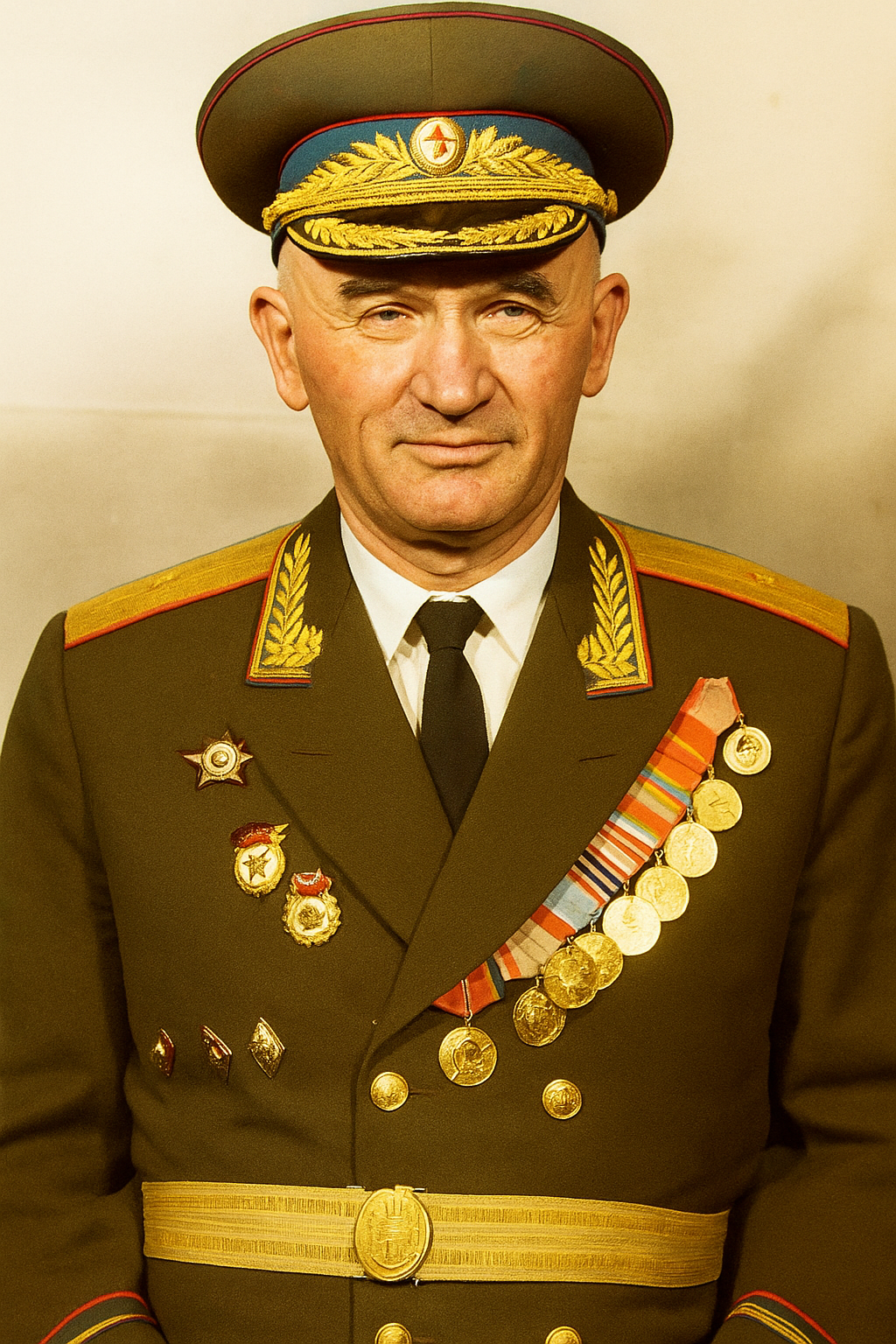 ☝️ In the photo: Petro Grigorenko (1907–1987) was a Soviet Major General who became one of the first dissidents and human rights defenders in the USSR. After a brilliant military career, Grigorenko, in his mature years, spoke out against the abuses of power and human rights violations in the Soviet Union. For his dissident activities, he was confined to special psychiatric hospitals, stripped of his Major General rank, and, in 1977, of his USSR citizenship. In total, he endured about 8,5 years of forced psychiatric treatment and other forms of confinement, followed by exile from the USSR. (This photograph was colorized using AI).
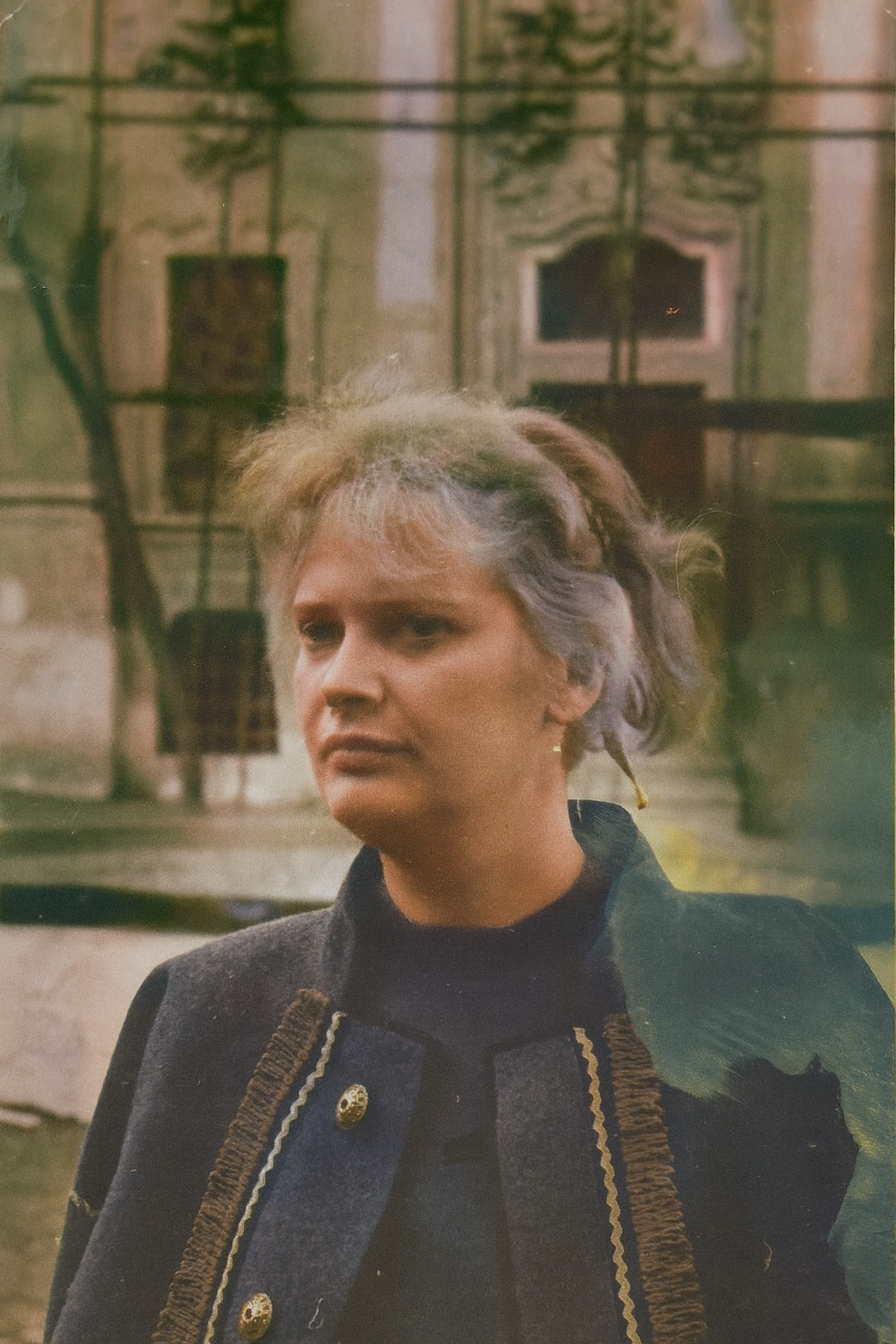 ☝️ In the photo: Alla Horska (1929–1970) was a Ukrainian artist and dissident. Starting in 1962, she participated in the investigation of NKVD (The People's Commissariat for Internal Affairs) mass execution burial sites (in the Bykivnia Forest and other locations) and sent appeals to the authorities. As an activist of the 'Sixtiers' movement, she helped the families of political prisoners and faced constant KGB surveillance and bans on her exhibition activities. She was murdered in 1970; according to some accounts, by KGB agents. (This photograph was colorized using AI).
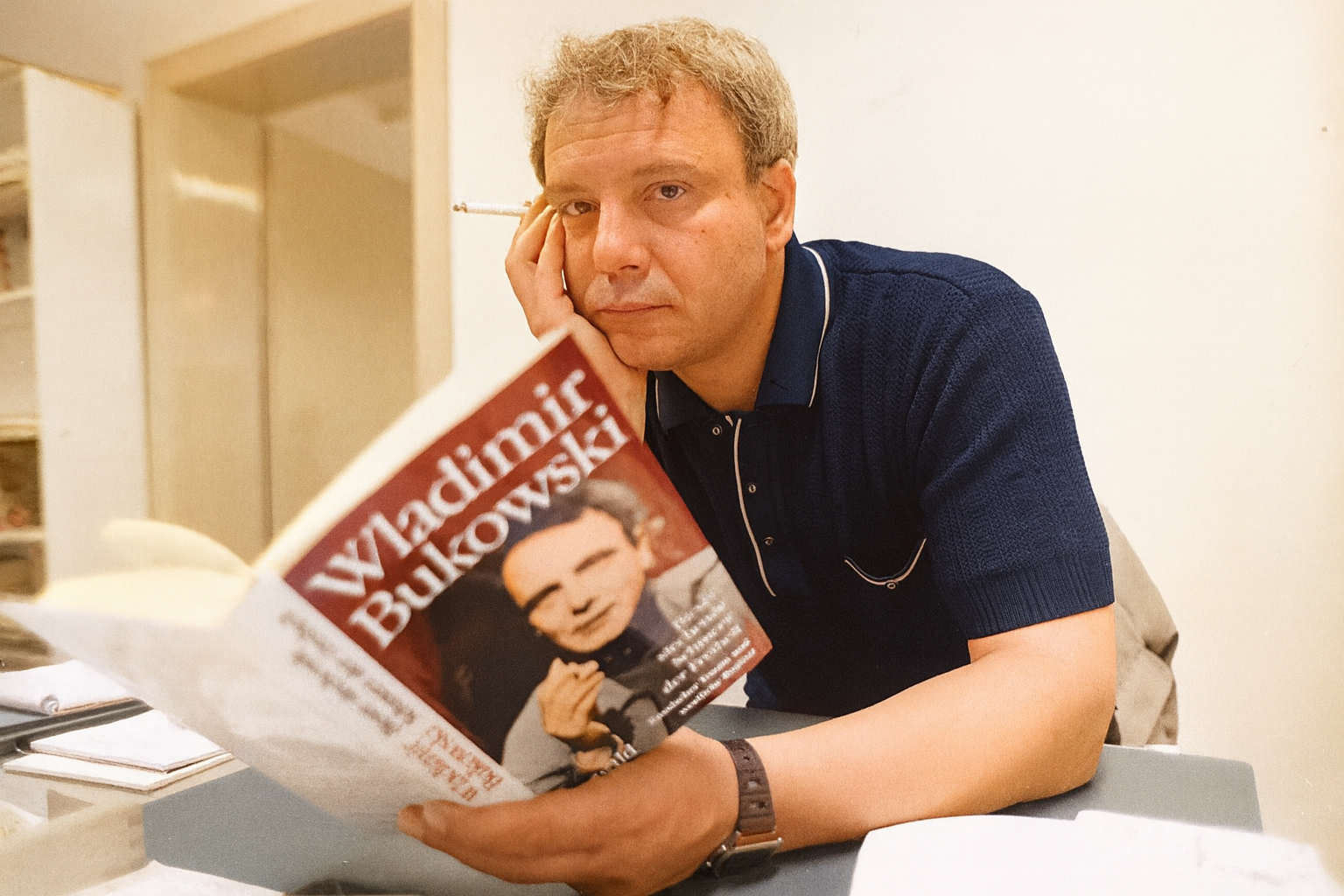 ☝️ In the photo: Vladimir Bukovsky (1942–2019) was a Soviet dissident, human rights activist, and writer. He was the first to publicly expose the system of political psychiatry in the USSR. His 12-year resistance in prisons and psychiatric hospitals, followed by his active work in exile, made him a symbol of the fight against totalitarianism.
He was expelled from the USSR and exchanged for the leader of the Chilean communists, Luis Corvalán, in December 1976. Bukovsky documented the everyday terror in the USSR in his memoir 'To Build a Castle' (Russian title: 'And the Wind Returns...') and other works, becoming a credible witness to the era. Thanks to him, the exposure of the Soviet regime's crimes became widespread: he released documents from the KGB archives, wrote the book 'Judgment in Moscow' based on them, and revealed facts about the Soviet party system to the Western public. (This photograph was colorized using AI).
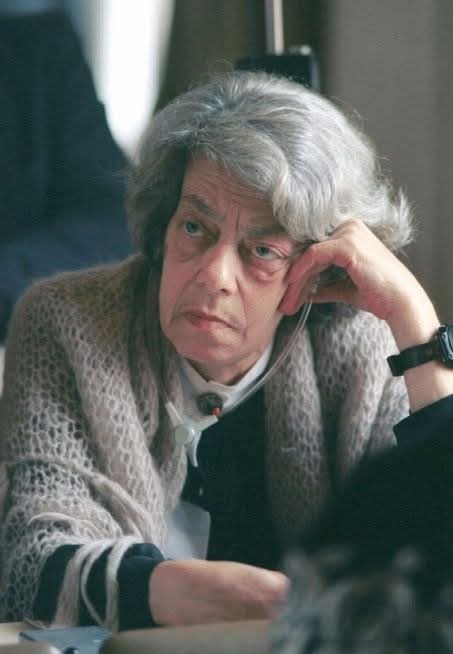 ☝️ In the photo: Larisa Bogoraz (1929–2004). For her participation in the August 25, 1968 demonstration in Red Square, she was sentenced to 4 years of exile in Siberia, after which she endured many years of constant searches and pressure. At her trial, she stated in her final words: 'I was faced with a choice: to protest or to remain silent. For me, to remain silent meant joining in the approval of actions I do not approve of. For me, to remain silent meant to lie.'
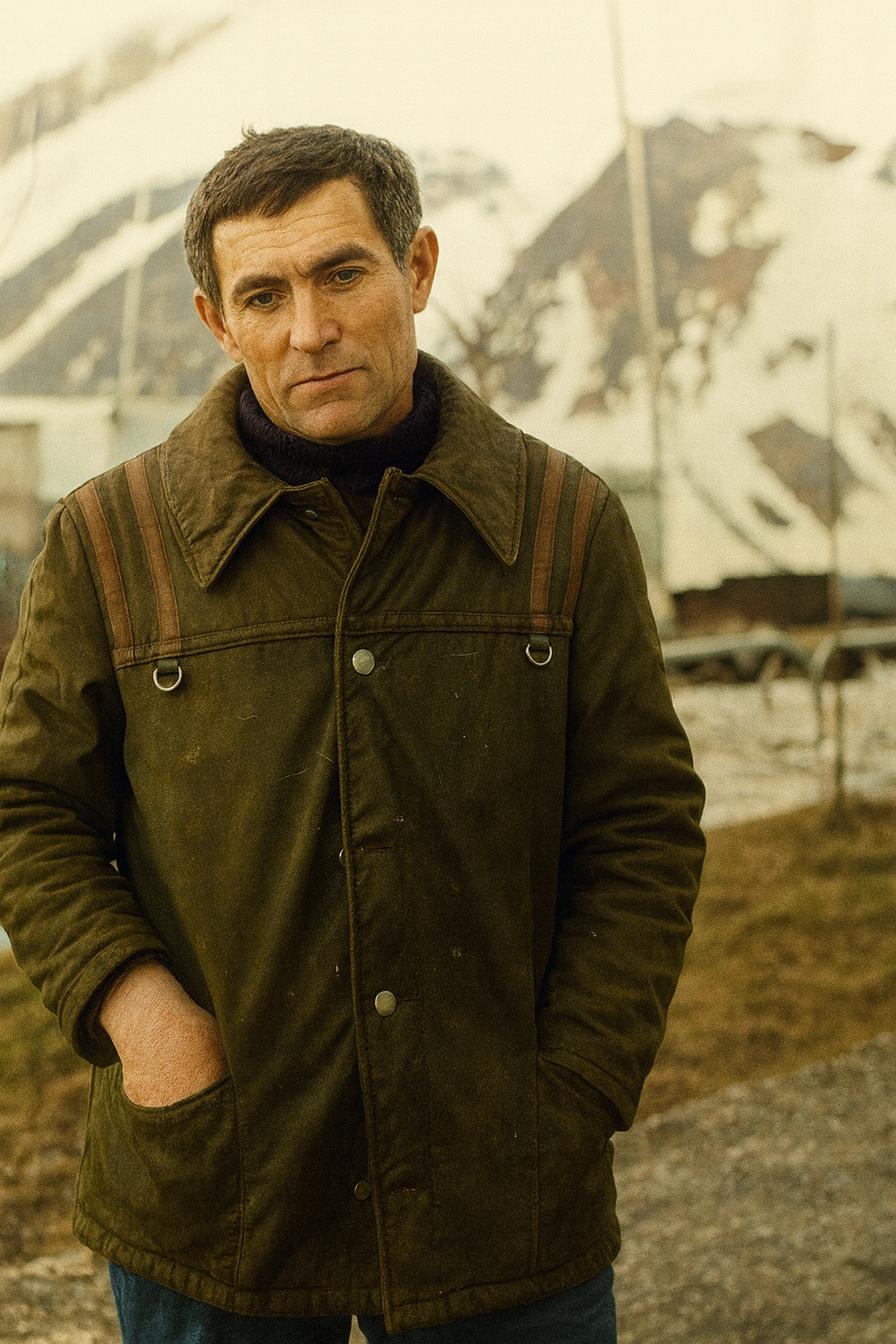 ☝️ In the photo: Vasyl Stus (1938–1985) was a Ukrainian poet of the 'Sixtiers' generation and a Soviet dissident. He wrote poetry in Ukrainian and translated world classics (Goethe, Rilke, Kipling, etc.).
In 1970, Stus openly accused the Kyiv KGB of being involved in the death of dissident artist Alla Horska. This courageous statement was dismissed by the authorities as 'blatant slander.' For his resistance to the Soviet regime, Stus spent approximately 13 years in labor camps and exile.
In 1985, in the 'Perm-36' prison camp, guards beat Stus. He declared a dry hunger strike in protest and died a week later. During his final imprisonment, Stus wrote a poem beginning with the words, 'How good it is that I do not fear death...' This poignant stanza is often seen as a symbol of his fearlessness: he states that he 'will not bow his honest face' before the judge. Vasyl Stus is considered the 'voice of conscience' of the Ukrainian intelligentsia. (This photograph was colorized using AI).
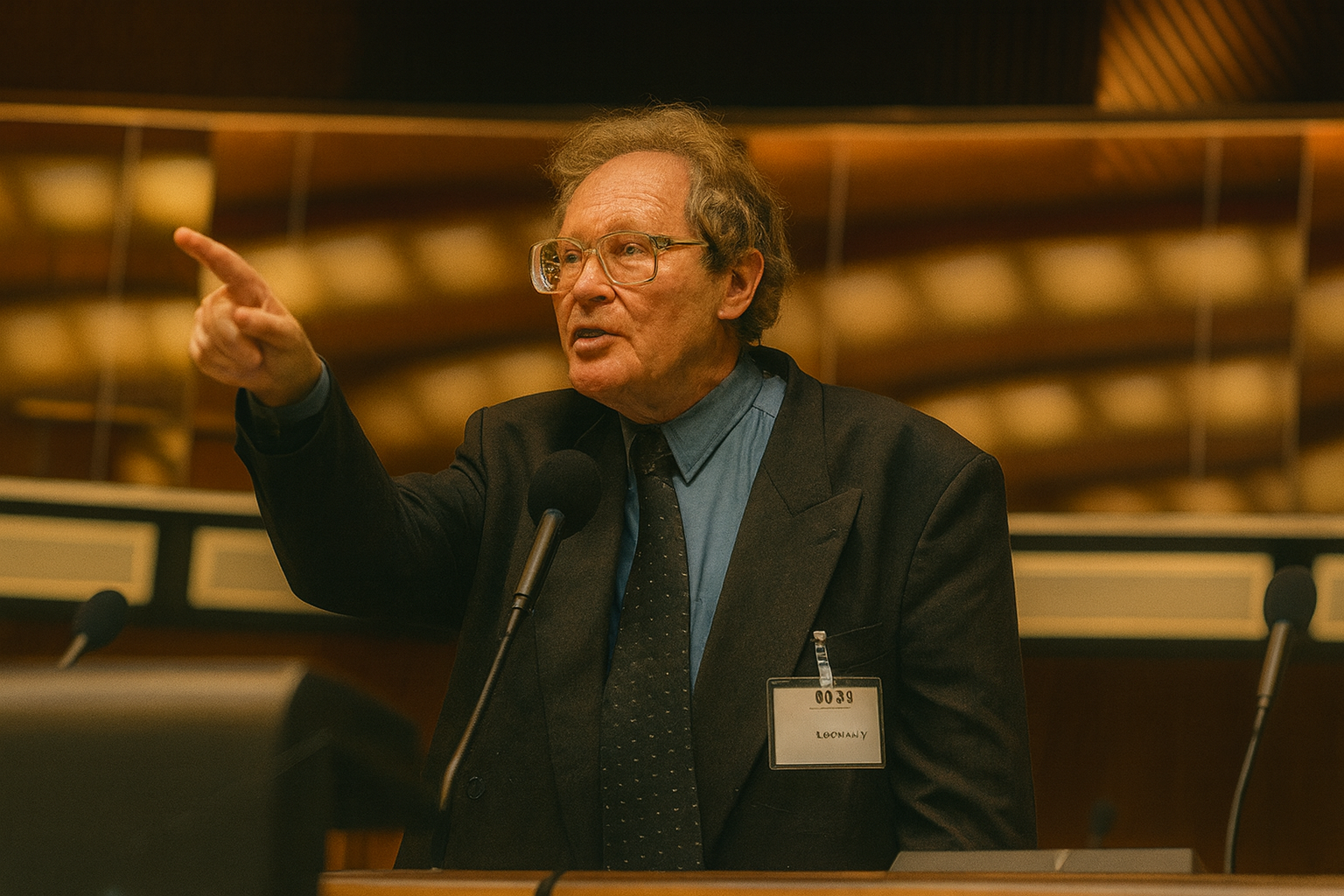 ☝️ In the photo: Sergei Kovalyov (1930–2021). In 1966, he organized a petition against the sentencing of Sinyavsky and Daniel. In 1969, he co-founded the Initiative Group for Human Rights. In 1975, he was sentenced to 7 years in a strict-regime camp and 5 years of exile for his participation in the Chronicle of Current Events and his human rights activities.
Kovalyov was one of the authors of the Declaration of Human and Civil Rights (1991) and the 'Rights and Freedoms of Man and Citizen' chapter of the Russian Constitution (1993). In 1995, he personally went to Grozny as the Commissioner for Human Rights to try to stop the bombings, risking his life: 'in 1995, he sat in Grozny so that Russian planes would not bomb the city.' In that same year, Kovalyov went to Budyonnovsk during the terrorist siege of the hospital to save the hostages. According to his colleagues, he was among the volunteers. (This photograph was colorized using AI).
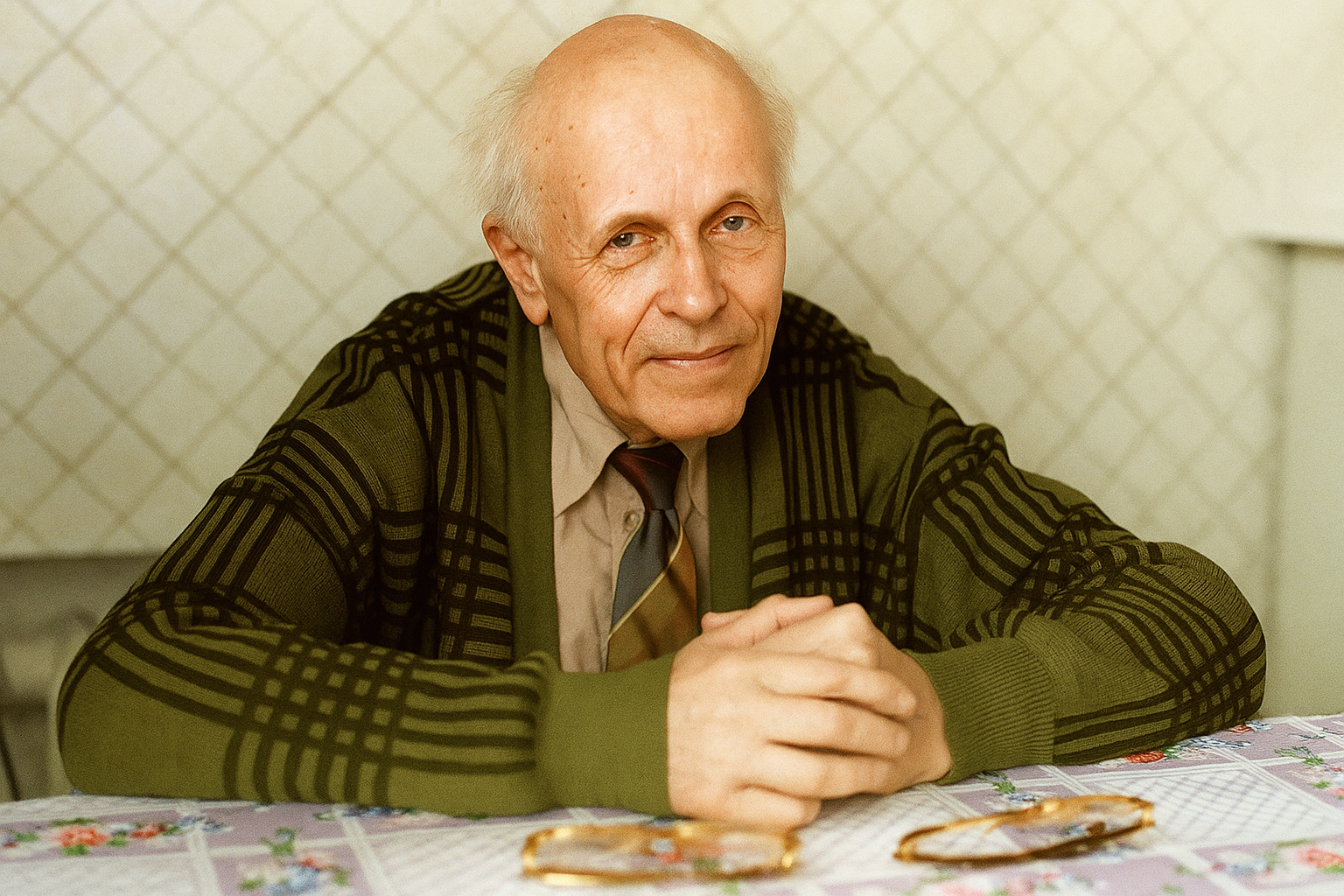 ☝️ In the photo: Andrei Sakharov (1921–1989) was an eminent scientist, public figure, and Soviet dissident. Sakharov became renowned as one of the creators of the first Soviet hydrogen bomb (thermonuclear weapon) and as a laureate of the 1975 Nobel Peace Prize.
In 1980, he was banished without trial to internal exile in Gorky, where he spent about 6 years in a state of de facto isolation and persecution.
In his memoirs, he emphasized the special nature of his fate: 'My destiny turned out to be larger than my personality... I merely tried to live up to my own destiny.' (This photograph was colorized using AI).
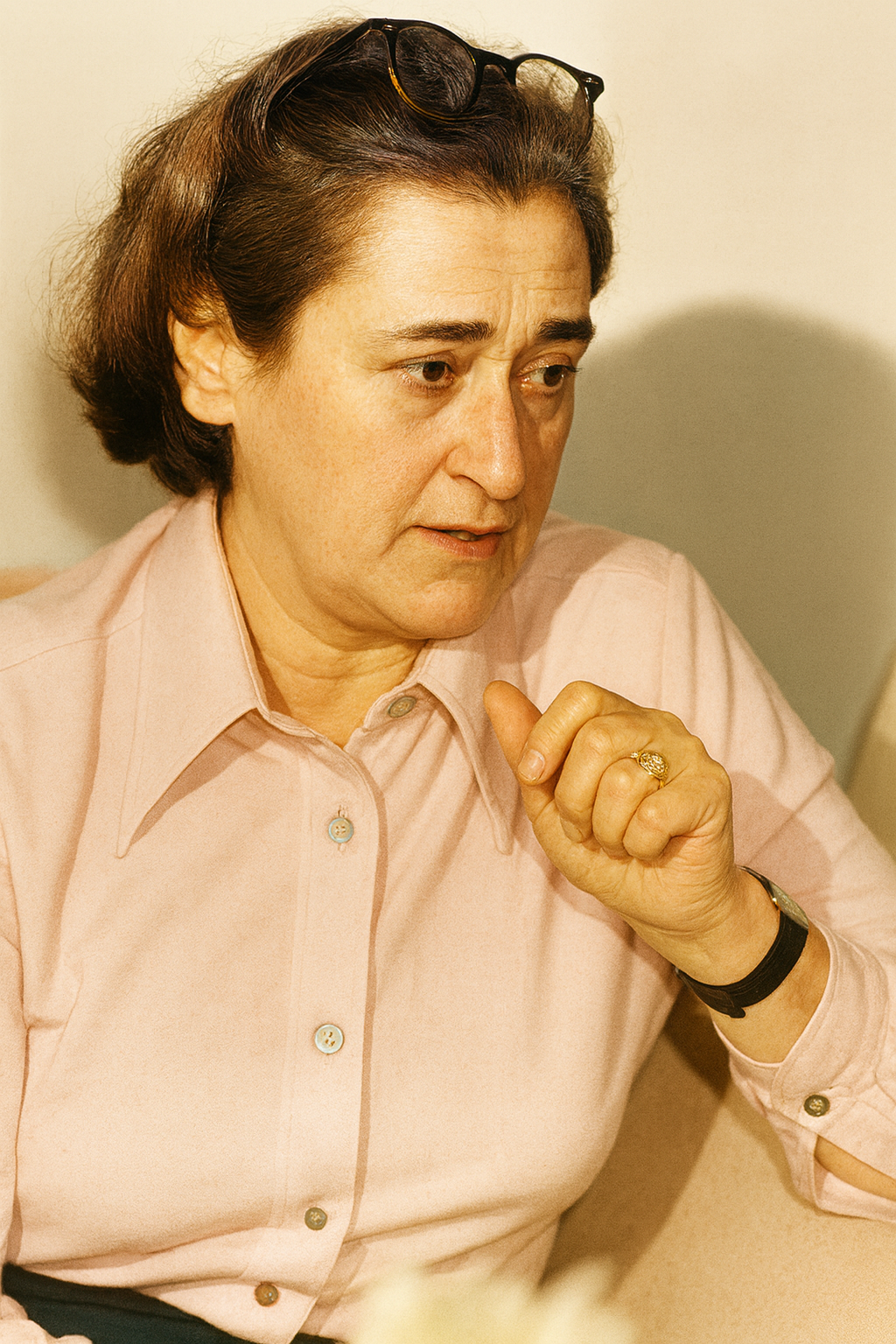 ☝️ In the photo: Elena Bonner (1923–2011) was a prominent Soviet and Russian human rights activist, dissident, and publicist, and the wife of academician Andrei Sakharov. Bonner played a notable role in the Soviet and post-Soviet human rights movement. As her contemporaries recall, she was 'one of the leading Soviet dissidents and human rights campaigners.'
Her contributions included organizing human rights movements (the Moscow Helsinki Group), publishing exposés and letters of protest, and nurturing a new generation of human rights defenders through her own example and guidance. In 2011, reflecting on her life, Bonner said: 'My life has been typical, tragic, and beautiful'—a bold acknowledgment of her personal destiny and loyalty to her ideals. (This photograph was colorized using AI).
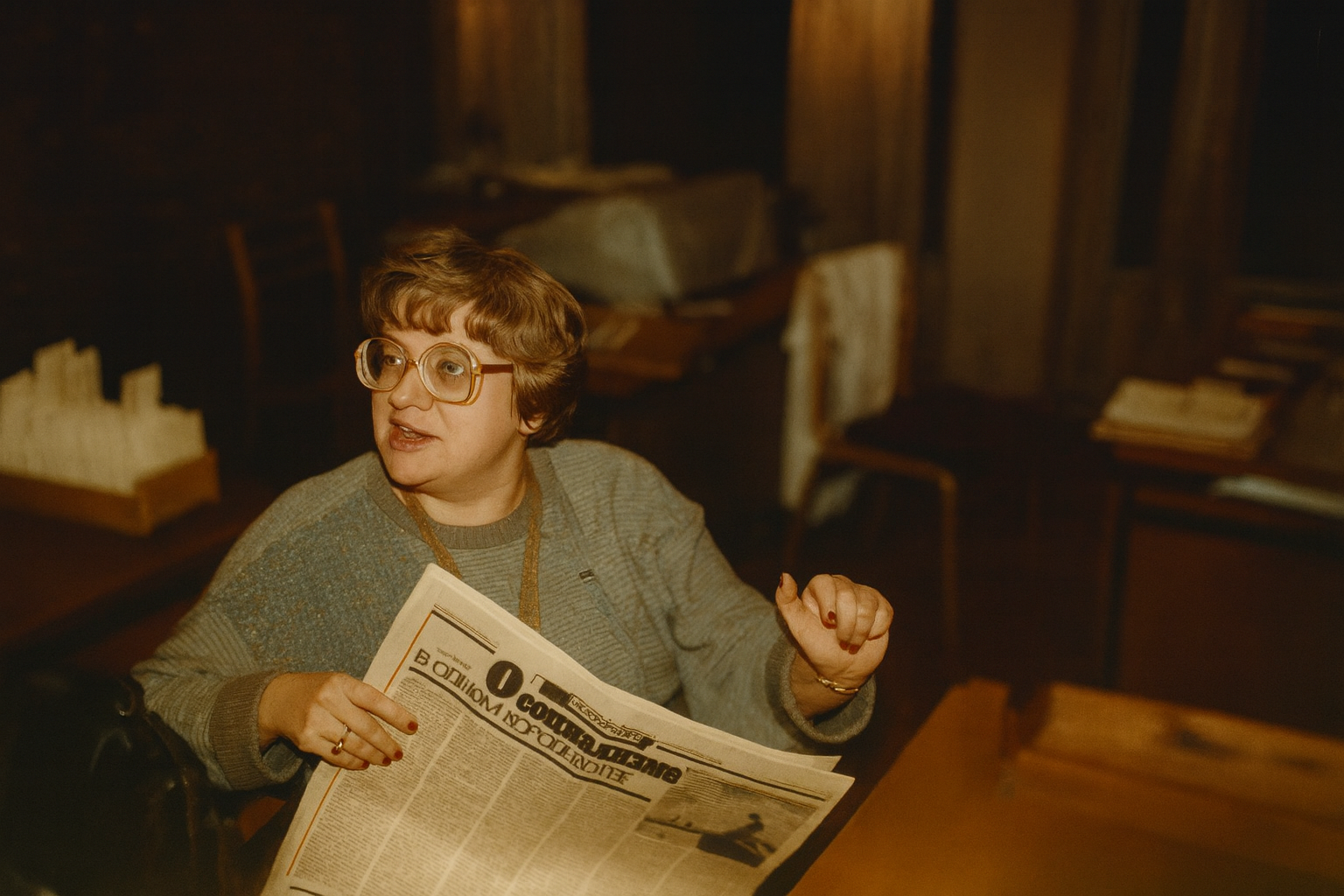 ☝️ In the photo: Valeriya Novodvorskaya (1950–2014) was a Soviet and Russian dissident, publicist, and liberal politician. On December 5, 1969, then a 19-year-old student, she scattered anti-Soviet leaflets in the auditorium of the Kremlin Palace of Congresses. She was arrested for this act.
During interrogations, Novodvorskaya refused to renounce her views and even stated that she 'would be glad to accept death for her ideals.' For her dissident activities, she spent 2 years subjected to punitive psychiatry with a diagnosis of 'sluggish schizophrenia, paranoid personality development.'
According to her contemporaries, she was called 'a dissident among dissidents' and the 'grandmother of Russian democracy.' She was the founder of the first Soviet opposition party, the Democratic Union (1988), and a co-founder of the pro-European party Western Choice. (This photograph was colorized using AI).
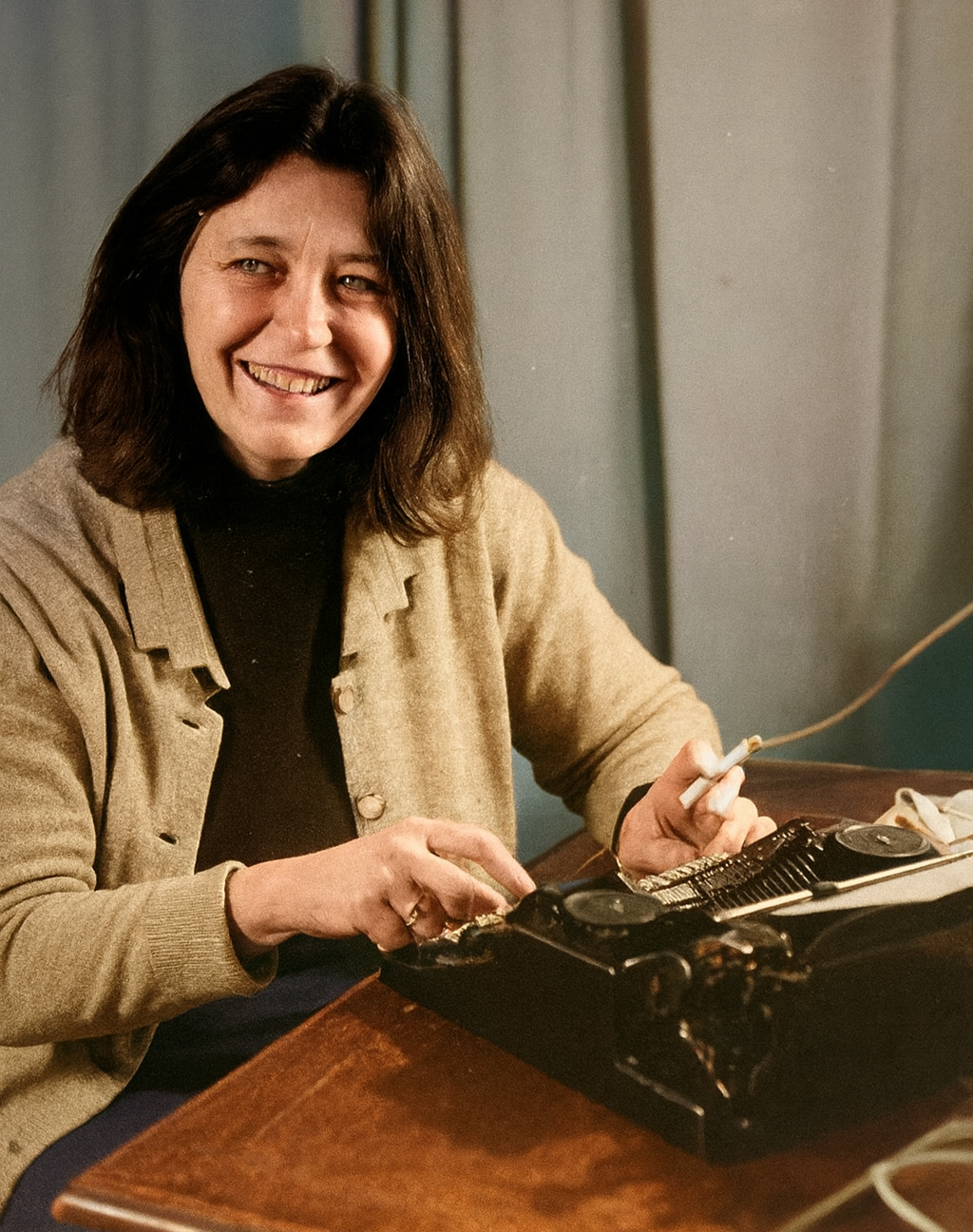 ☝️ In the photo: Zoya Krakhmalnikova (1929–2008) was a literary critic and publicist of Ukrainian origin, and one of the key figures in the Orthodox dissident movement in the USSR. Her activities drew attention to the persecution of believers: journalists and human rights activists wrote about her.
According to her biographers, she 'resolutely sought to return Orthodoxy to Russian culture' during the period of atheism. After prison, she continued to publicly criticize the Russian Orthodox Church for its merging with the authorities (or: collusion with the state) and for anti-Semitism. For her dissident activities, she was sentenced to 1 year of imprisonment in a Corrective Labor Colony and five years of exile. (This photograph was colorized using AI).
Living witnesses & movement participants
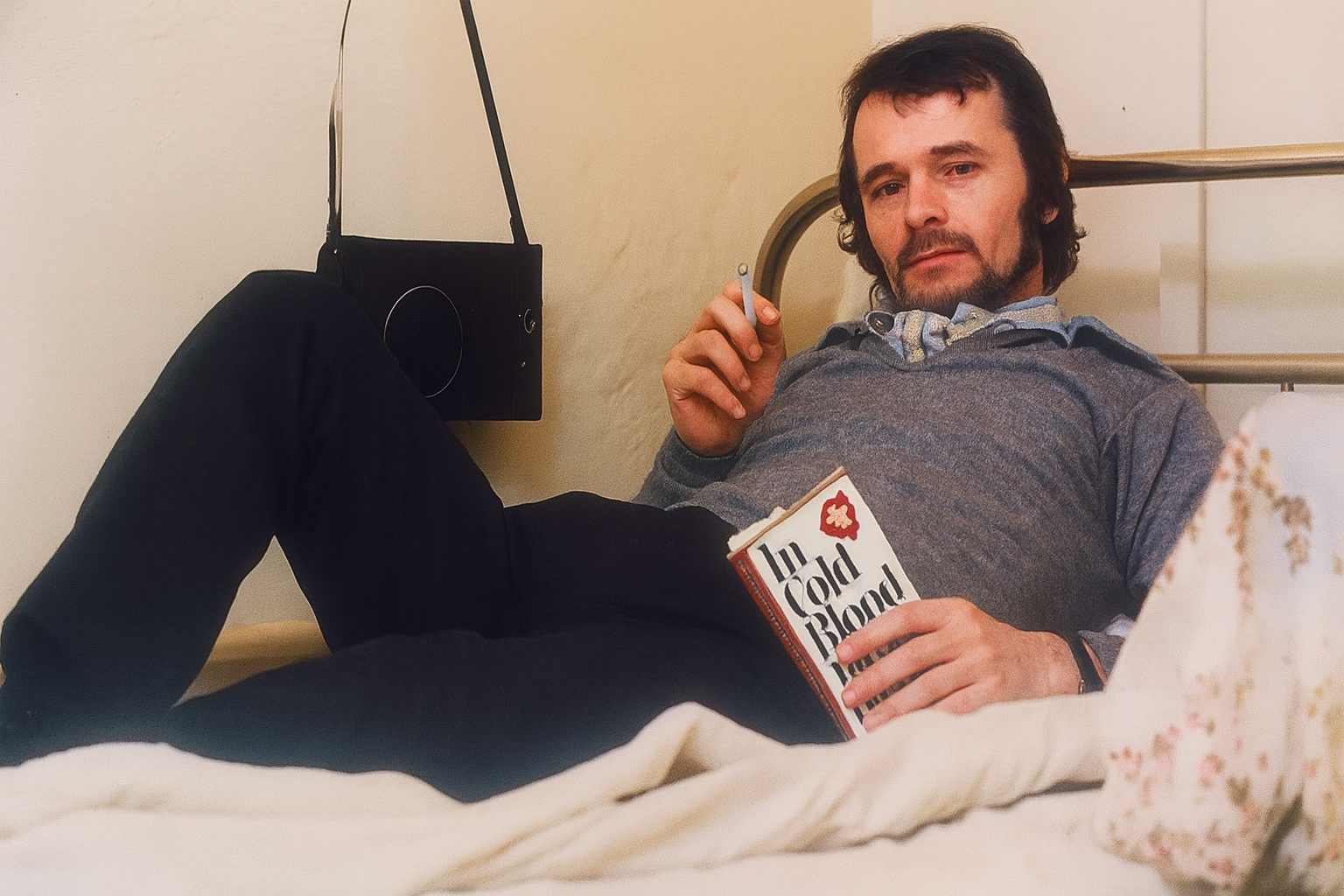 ☝️ In the photo: Mustafa Abduldzhemil Dzhemilev is a Soviet dissident, human rights activist, Ukrainian politician, and the long-time Chairman of the Mejlis of the Crimean Tatar People (1991–2013). He played a key role in the struggle for the return of deported Crimean Tatars to their Homeland and the restoration of their rights.
For his activities, Dzhemilev was persecuted: he was convicted seven times by Soviet courts and spent a total of 15 years in prison. After Ukraine regained its independence, he became an influential politician: a People's Deputy of Ukraine serving multiple terms in the Verkhovna Rada (parliament) since 1998, and since 2014, the Commissioner of the President of Ukraine for the Affairs of the Crimean Tatar People. (This photograph was colorized using AI).
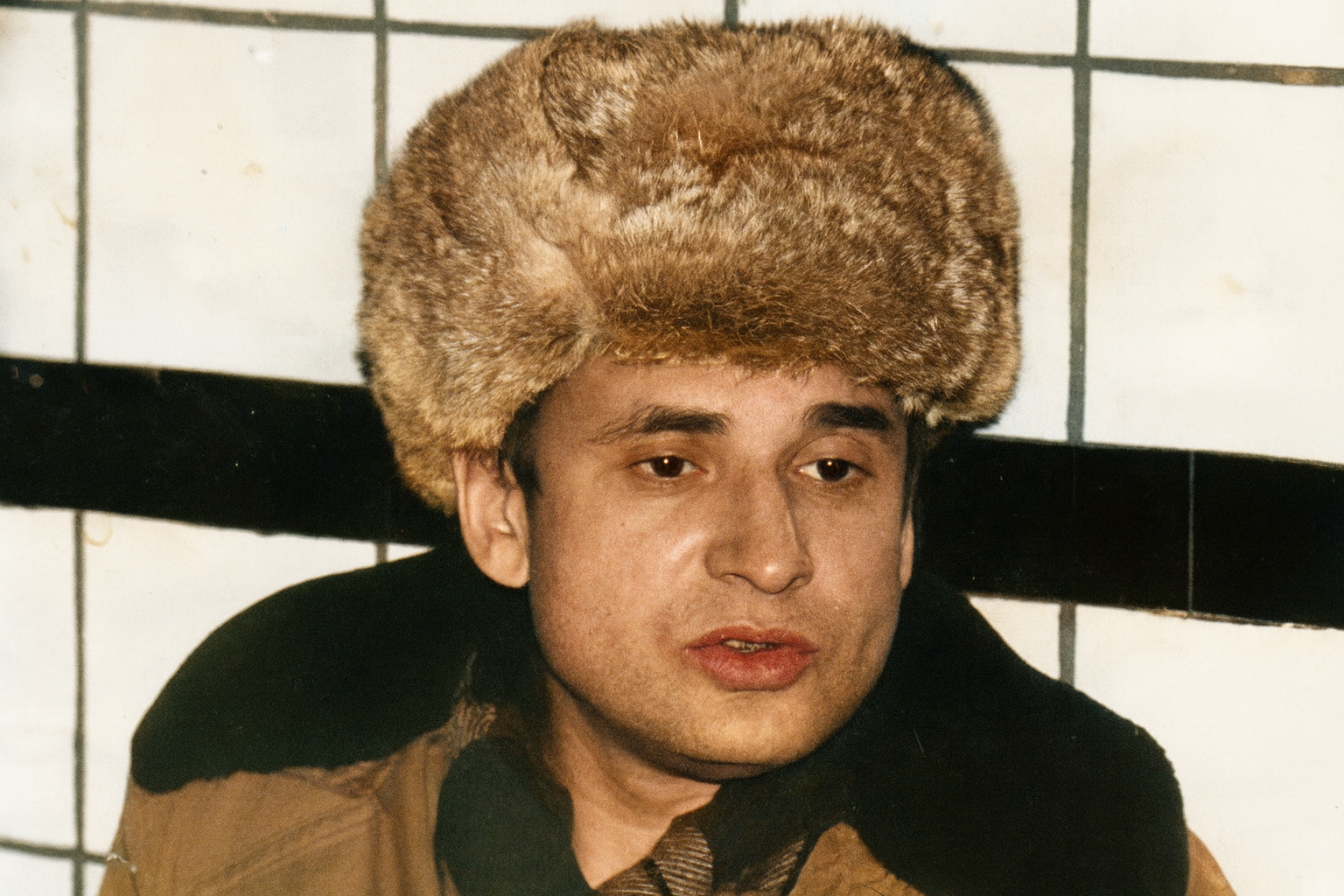 ☝️ In the photo: Vyacheslav Bakhmin. The 1968 events in Czechoslovakia were the catalyst for Bakhmin's participation in opposition activities. He actively participated in the human rights movement and was persecuted for it, enduring searches, interrogations, summonses to the KGB for 'warnings,' and more.
From 1975 to 1980, he signed letters in defense of political prisoners. Starting in 1977, he was one of the organizers of the Working Commission to Investigate the Use of Psychiatry for Political Purposes. He spent a total of approximately seven years in confinement.
After August 1991, he worked at the Ministry of Foreign Affairs of the Russian Federation, where he headed the Department of Global Problems and Humanitarian Cooperation. Since 1993, he has been a member of the Human Rights Commission under the President of the Russian Federation. On January 21, 2019, he was elected co-chair of the Moscow Helsinki Group. (This photograph was colorized using AI).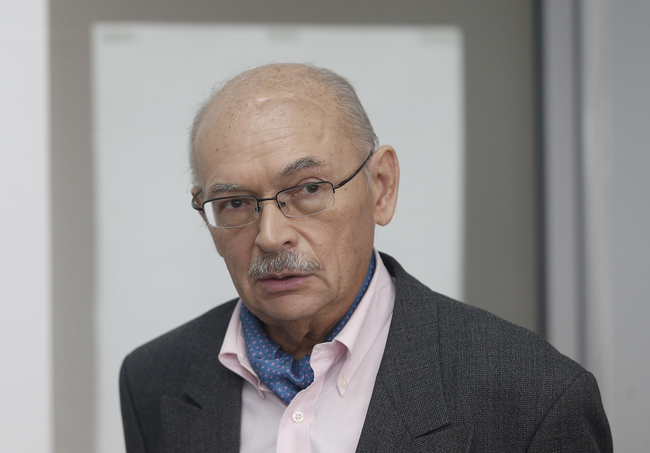 ☝️ In the photo: Andrei Grigorenko—son of the dissident general Pyotr Grigorenko, a famous Soviet human rights activist and Major General—was his father's 'fellow activist' in dissident activities from a young age.
In 1963, he was an active member of the 'Union for the Struggle for the Revival of Leninism,' which his father founded and which distributed leaflets criticizing the Soviet authorities. He was arrested multiple times. In 1975, he was declared 'hereditarily insane' and exiled from the USSR to the USA, which was a continuation of the use of punitive psychiatry against his family.
He has lived in the USA since 1975, where he continued his human rights activities, particularly the long-term struggle for the rights of the Crimean Tatars. He heads his father's namesake foundation, which focuses on studying totalitarianism, preserving historical memory, and human rights work. (This photograph was colorized using AI).
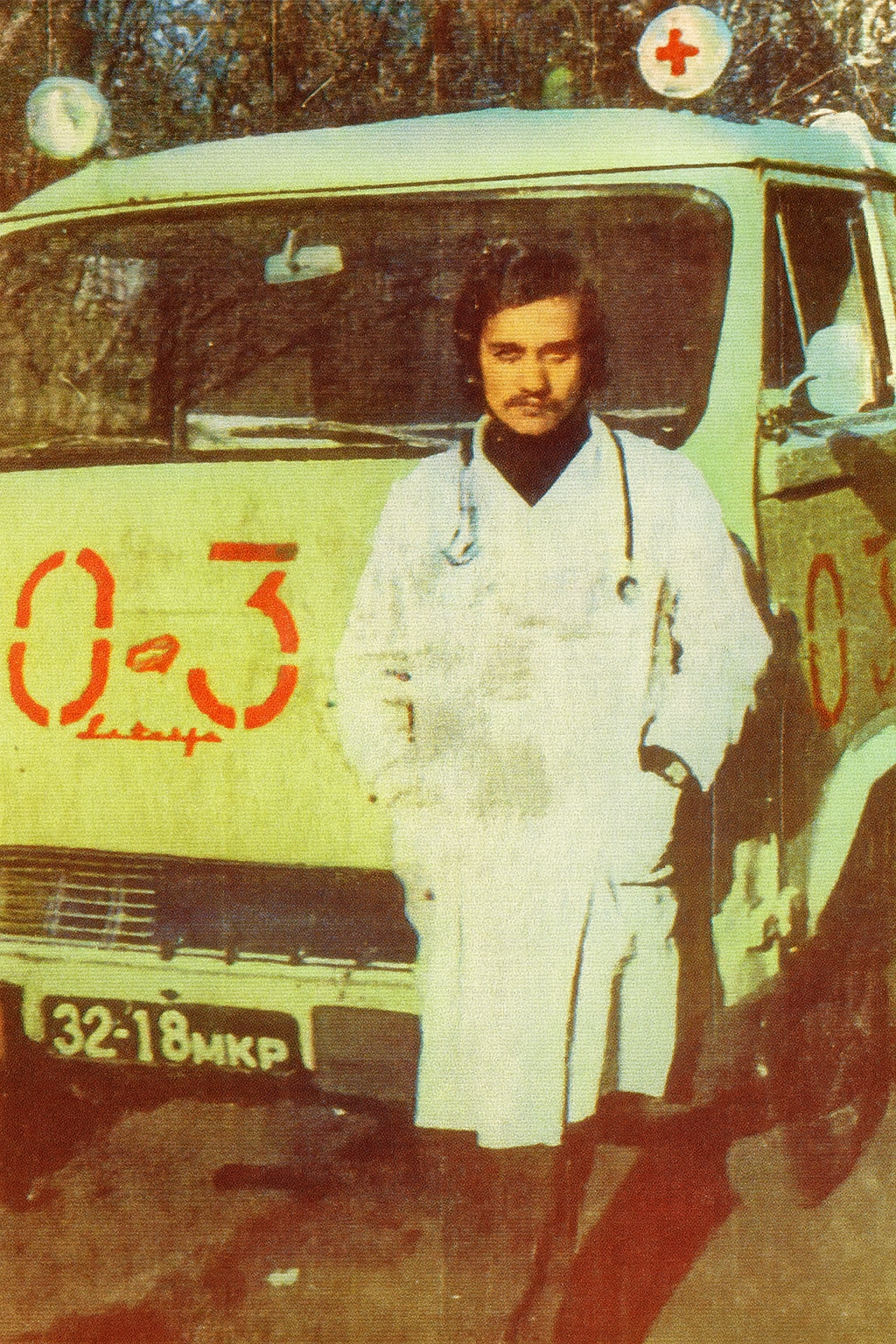 ☝️ In the photo: Alexander Podrabinek is a veteran of the dissident movement, a human rights activist, and a journalist who has dedicated his life to exposing political repression in the USSR.
Podrabinek was one of the organizers of the Working Commission to Investigate the Use of Psychiatry for Political Purposes in the USSR. He participated in the samizdat bulletin Chronicle of Current Events and compiled the collection 'Punitive Medicine,' which exposed the use of psychiatry against dissenters.
For his human rights activities, Podrabinek was arrested for 'slandering the Soviet system' and sentenced to five years of exile in Siberia. While in exile, he did not stop his activities and was arrested again on similar charges and sent to a labor camp for 3.5 years.
Despite the repression, Podrabinek publicly stood by his principles. Notably, he refused to leave the USSR and, at a press conference at Andrei Sakharov's apartment, refused to submit to the authorities' 'blackmail'. (This photograph was colorized using AI).
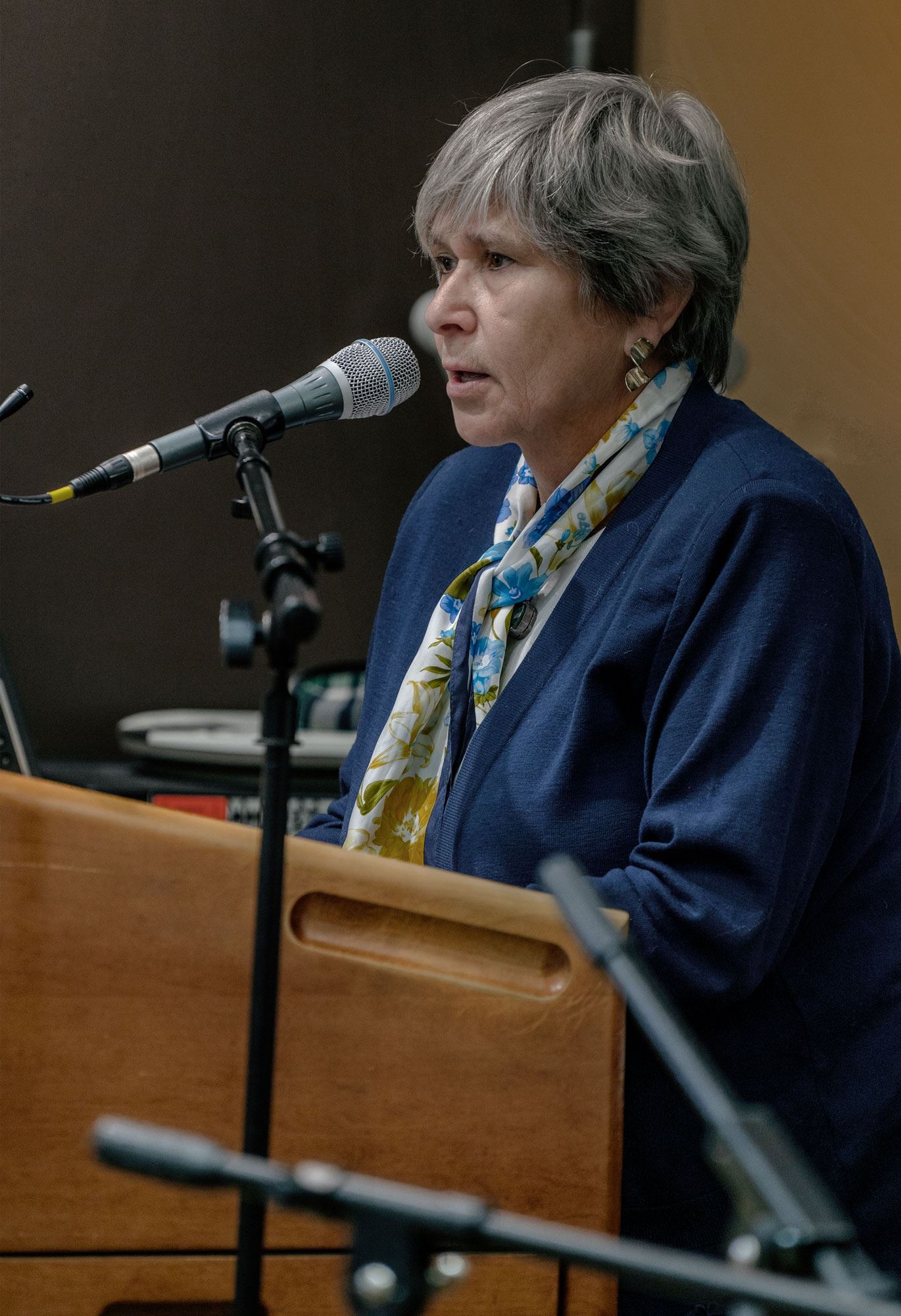 ☝️ In the photo: Tatiana Yankelevich is a Soviet-American historian and human rights activist, and the daughter of the famous dissident Elena Bonner (the widow of academician Andrei Sakharov). Yankelevich is the stepdaughter of Nobel laureate Andrei Sakharov.
Beginning in the mid-1970s, her family was under intense KGB surveillance due to the human rights activities of her mother and stepfather. Under pressure from Soviet authorities, Tatiana Yankelevich, along with her husband, human rights activist Yefrem Yankelevich, and their two children, was forced to emigrate from the USSR in 1977. She served as Andrei Sakharov's official representative outside the USSR..
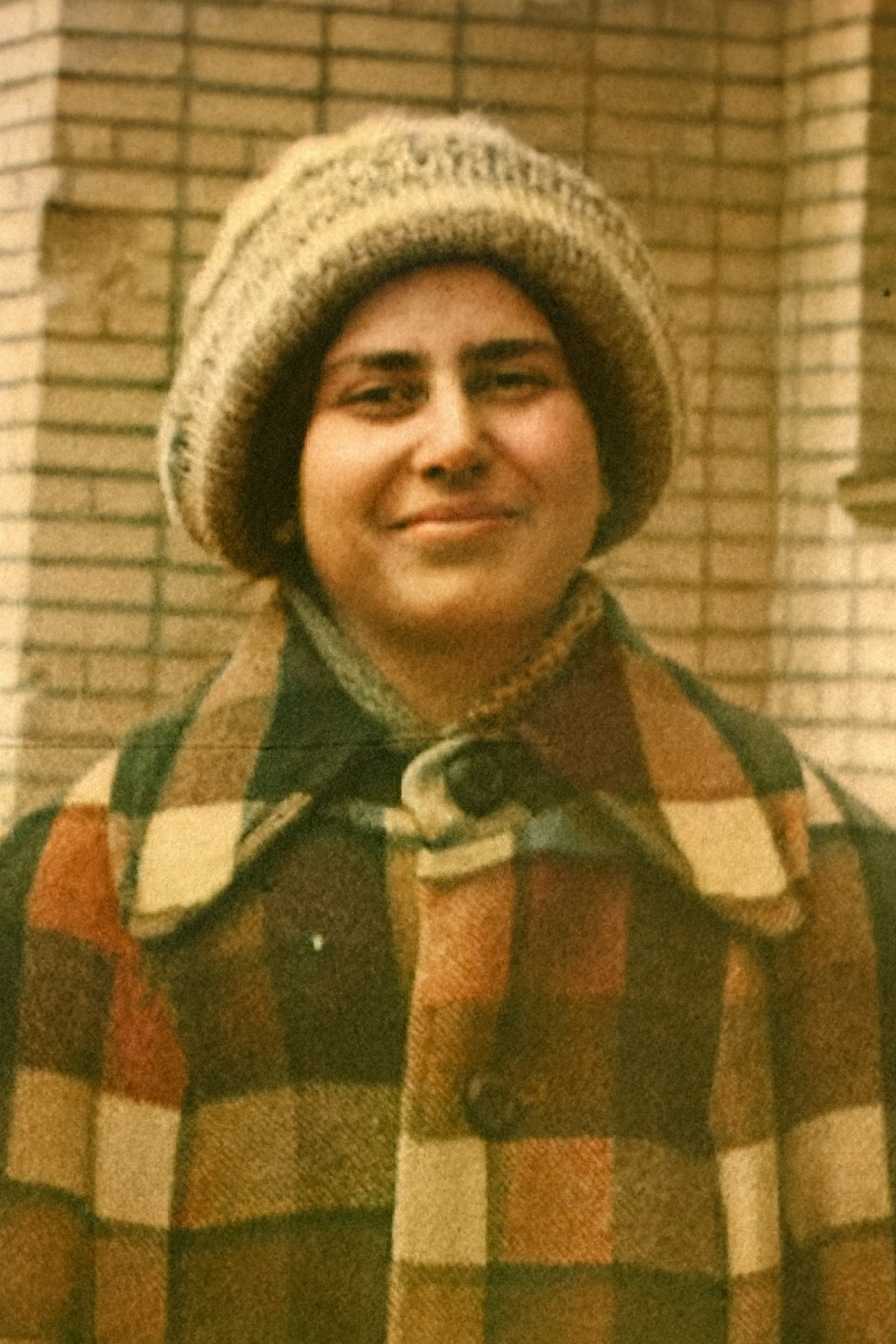 ☝️ In the photo: Elena Sannikova. Starting in the 1980s, she was involved in the 'Fund for Aid to Political Prisoners and Their Families' and was an active member of the 'Initiative Group for the Defense of the Rights of the Disabled in the USSR.'
She was subjected to detentions, searches, interrogations, and forced hospitalization. In 1984, she was arrested by the KGB and placed in the 'Lefortovo' pre-trial detention center. She was then sentenced under Article 70 of the RSFSR Criminal Code ('Anti-Soviet Agitation and Propaganda') to 1 year in a corrective labor camp and 4 years of exile. She served her camp term in Dubravlag (Mordovia). She was released under a pardon during Perestroika. (This photograph was colorized using AI).
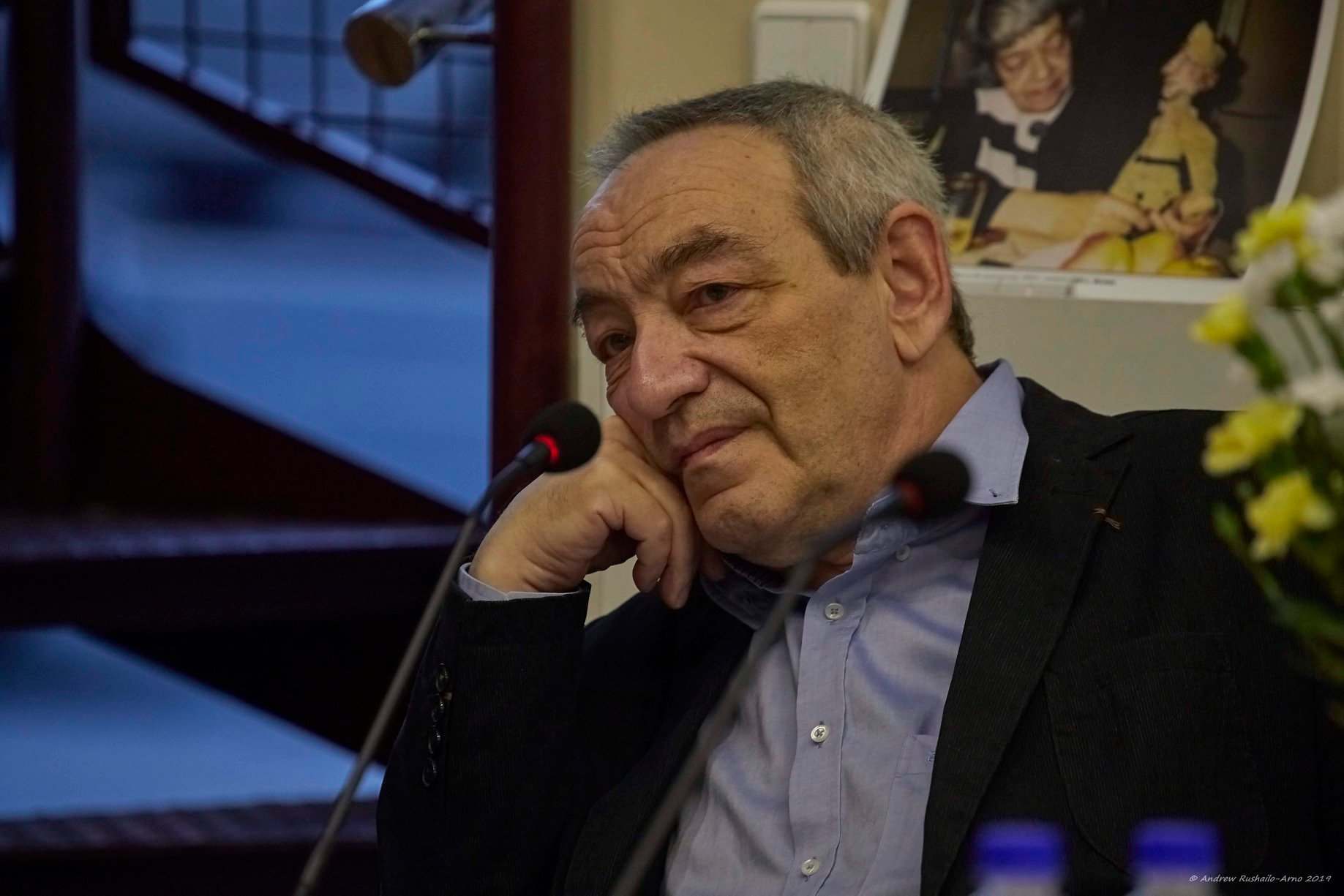 ☝️ In the photo: Alexander Daniel. He is known as a historian, dissident, and activist who has dedicated his life to preserving the historical memory of political repression and dissent in the USSR. His biography is inextricably linked to the struggle for human rights, making him not just a researcher but also a direct participant and living witness to key historical events.
He is the son of iconic figures in the Soviet dissident movement: poet and dissident Yuli Daniel and human rights activist Larisa Bogoraz. This family heritage had a defining influence on his life path. From a young age, Daniel was under close KGB surveillance. In the 1970s, he was actively involved in samizdat (underground publishing), which was an extremely risky activity under the Soviet regime. (This photograph was colorized using AI).
Dissidents of modern Russia
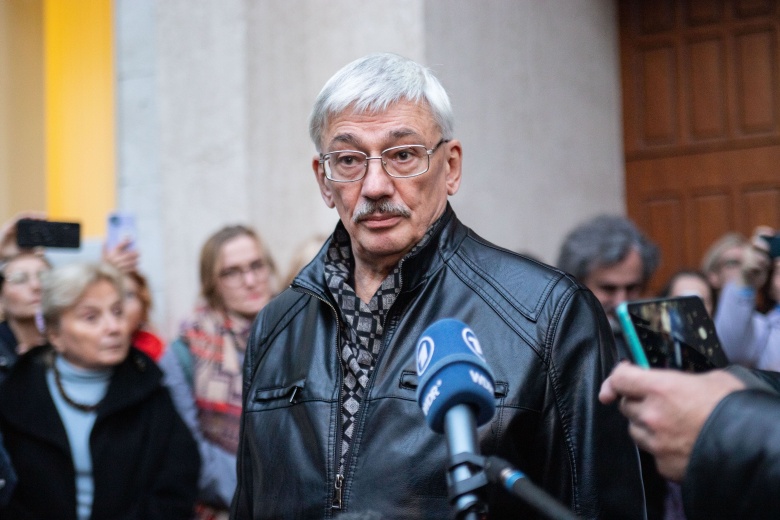 ☝️ In the photo: Oleg Orlov is a Russian human rights activist, one of the leaders and co-chairmen of the 'Memorial' Human Rights Center, and a participant in the Soviet dissident movement.
He has co-authored and organized field human rights missions in the North Caucasus since the 1990s. In 1995, he was part of the negotiating group in Budyonnovsk and acted as a voluntary hostage to secure the release of civilian hostages.
As a representative of 'Memorial', he was a laureate of the Sakharov Prize in 2009. In 2022, 'Memorial' was awarded the Nobel Peace Prize.
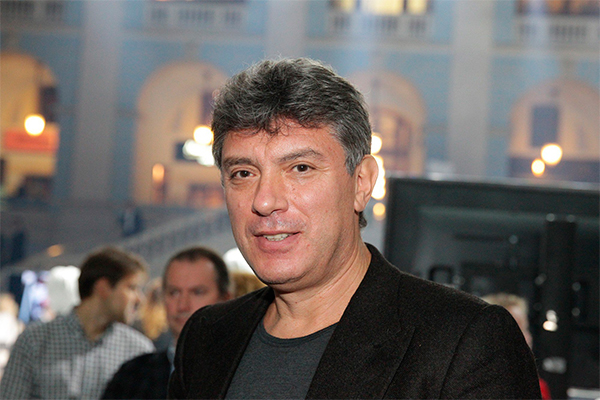 ☝️ In the photo: Boris Nemtsov (1959–2015) was a Russian politician and federal-level statesman, a reformer in the 1990s, Governor of the Nizhny Novgorod region (1991–1997), First Deputy Prime Minister of Russia (1997–1998), a leader of the democratic opposition in the 2000s–2010s, and a Russian dissident. He was repeatedly arrested for his activities. He was assassinated on February 27, 2015, on the Bolshoy Moskvoretsky Bridge in Moscow.
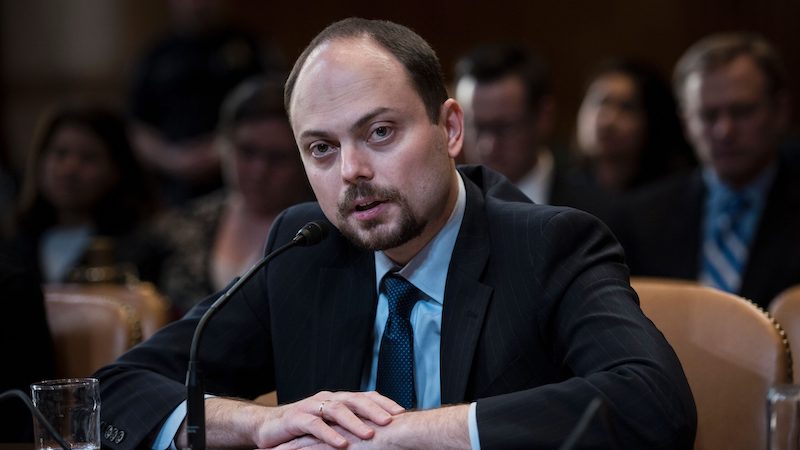 ☝️ In the photo: Vladimir Kara-Murza Jr. is a Russian opposition politician, publicist, historian, and dissident. He is the author of documentary films about Soviet dissidents ('They Chose Freedom,' 2005) and Boris Nemtsov ('Nemtsov,' 2016), and one of the lobbyists for the 'Magnitsky Acts' in the US, UK, EU, Canada, and Australia.
He survived severe poisonings in 2015 and 2017. He is a 2024 Pulitzer Prize laureate. On April 17, 2023, he was sentenced to 25 years in prison. On August 1, 2024, he was released as part of the largest prisoner exchange between Russia and Western countries.
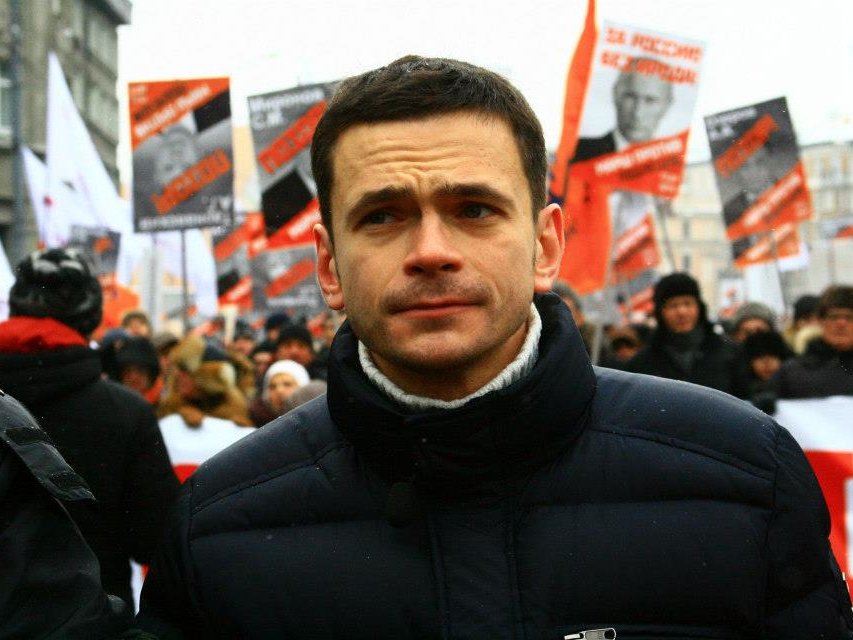 ☝️ In the photo: Ilya Yashin is an opposition politician and Russian dissident. He was one of the organizers of opposition protests in the 2010s. He is the author of investigative and analytical reports, including 'Putin. War' and 'Threat to National Security' (about Ramzan Kadyrov, the head of Chechnya).
He was one of the closest allies of Boris Nemtsov and Alexei Navalny. He remained in Russia after February 22, 2022, and spoke publicly about Bucha—for this, he was sentenced to 8.5 years in prison on charges of 'spreading fakes' about the army. On August 1, 2024, he was released as part of a major prisoner exchange and has lived in Germany since then.
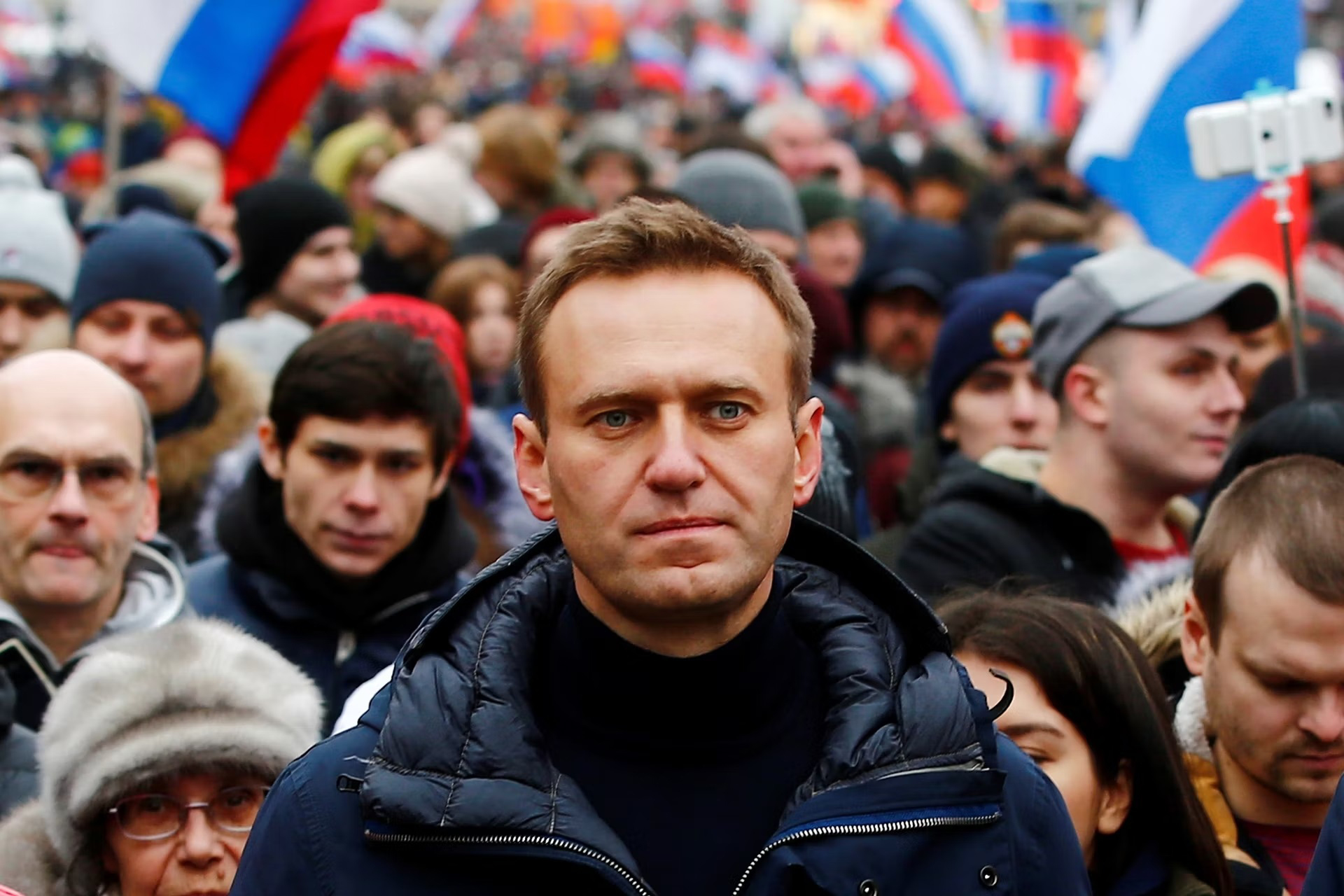 ☝️ In the photo: Alexei Navalny (1976–2024) was an opposition politician, founder of the Anti-Corruption Foundation, and a Russian dissident. He became known for his anti-corruption investigations starting in 2008. Since 2011, he was one of the key figures in most opposition protests in Russia.
He was repeatedly persecuted. In 2020, he survived a poisoning. In 2021, he was arrested upon returning to Russia after treatment for the poisoning. In 2023, he received a 19-year sentence in an 'extremism' case. On February 16, 2024, he was killed (presumably poisoned) in the IK-3 'Polyarny Volk' (Arctic Wolf) penal colony in the settlement of Kharp.
Lesser-known dissidents of the present day.
Mikhail Krieger, Dmitry Skurikhin, Pavel Kushnir, and others.
(Information will appear here soon.)
Parallels of events
In the film, we draw parallels between events related to Soviet dissidents during the Soviet era and events in modern Russia.
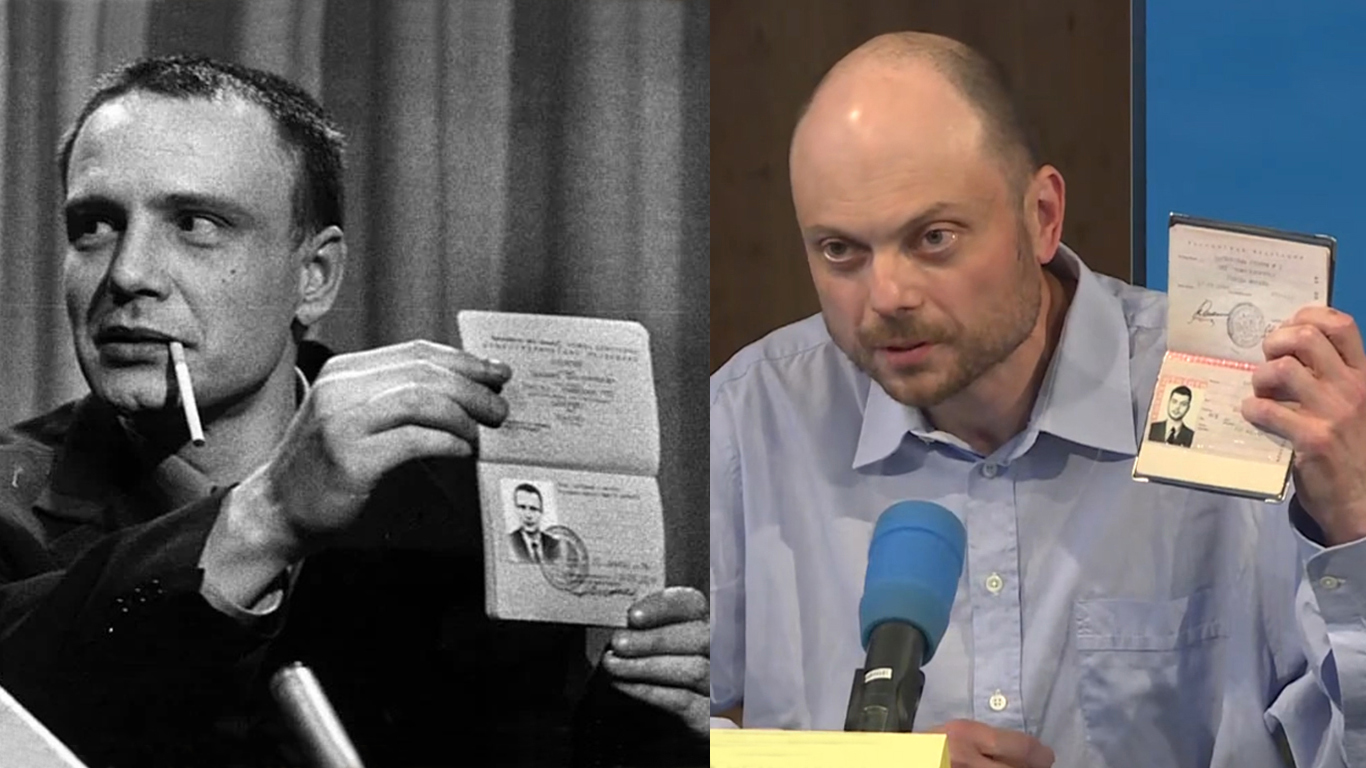 ☝️ In the photo: On the left, Vladimir Bukovsky after being exchanged for the leader of the Communist Party of Chile, Luis Corvalán. 1976. On the right, Vladimir Kara-Murza Jr. after being exchanged for Russian spies and the killer Vadim Krasikov. 2024.
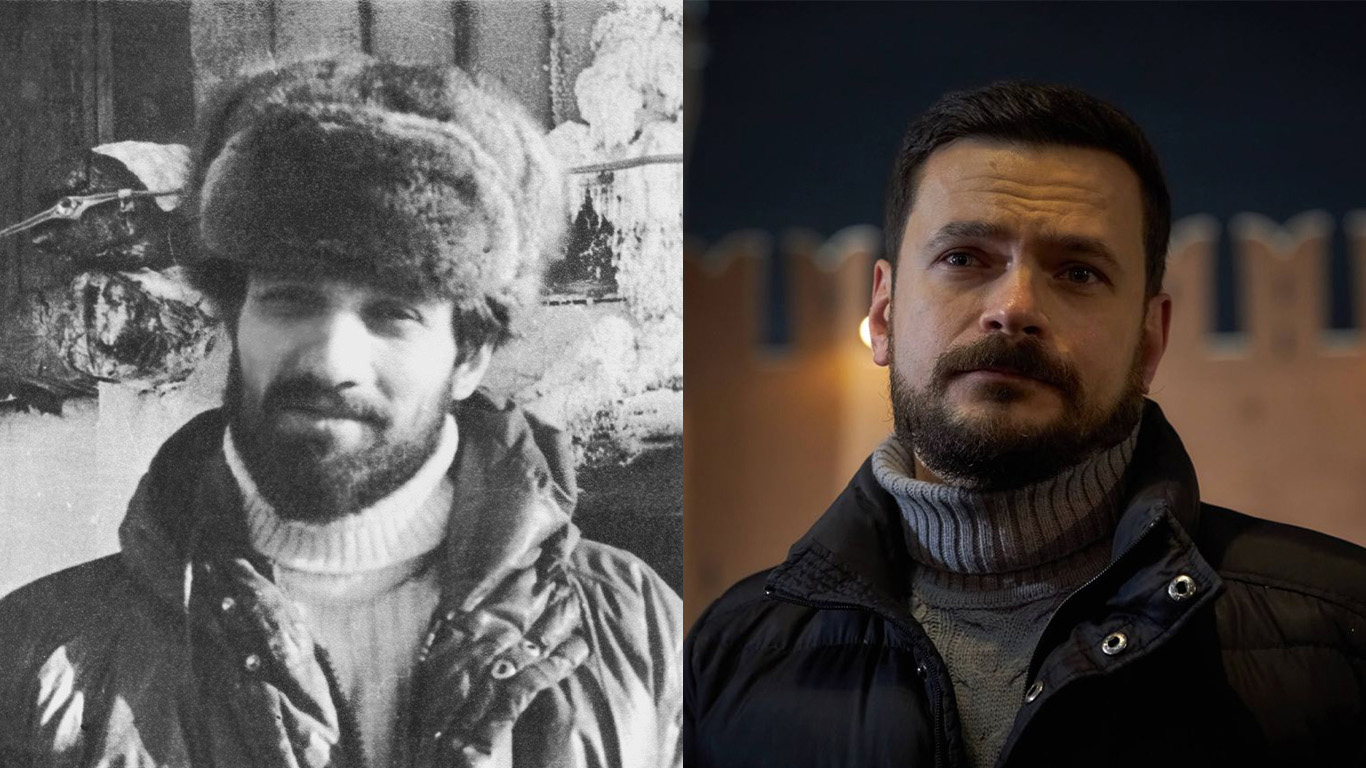 ☝️ In the photo: Alexander Podrabinek (left) and Ilya Yashin (right).
Parallels between the events of dissidents being exiled—and their active refusal to leave their homeland—under Soviet rule and in modern Russia.
In 1977, KGB officers suggested that Podrabinek emigrate, threatening that criminal cases would otherwise be opened against him and his brother.
Podrabinek refused to emigrate, publishing the following statement:
'...I do not want to be in prison. I cherish even the semblance of freedom I enjoy right now. I know that in the West, I could live freely and finally receive a proper education. I know that there, I won't be tailed by four agents threatening to beat me or push me under a train. I know that there, I will not be put in a concentration camp or a psychiatric hospital for trying to protect the defenseless and the oppressed.
I know that one can breathe freely there, but here, it is oppressive; they silence you and choke you if you speak too loudly. I know that our country is unhappy and doomed to suffering. And that is why I remain.
I do not want to be behind bars, but I am not afraid of the camps. I cherish my freedom, and my brother's freedom, but I will not barter with it. I will not yield to any blackmail. A clear conscience is more important to me than material comfort.
I was born in Russia. This is my country, and I must remain in it, however difficult it may be here and however easy it may be in the West. For as long as I am able, I will continue to defend those whose rights are so grossly violated in our country...'
On June 28, 2022, Ilya Yashin was arrested under the 'law on fakes.' Yashin believes his arrest was a hint that he needed to leave Russia. 'It’s like: "Why are you so slow on the uptake, guy? Leave the country! How else can we explain it to you?" I’ll say it again. Yes, I am slow on the uptake. No, I am not going anywhere from my country,' Yashin wrote on his Telegram channel. On December 9, 2022, he was sentenced to 8.5 years in prison.
On August 1, 2024, he was released as part of a prisoner exchange between Russia and the West. Arriving in Germany after his release from prison, Yashin stated: 'I do not consider what happened to me on the first [of the month] as an exchange; I view this event specifically as an illegal expulsion from Russia against my will.' Yashin reported that he had written a statement addressed to the head of the 'Lefortovo' detention center, in which he refused to give consent 'to be expelled outside of Russia.'
The film draws parallels between the use of punitive psychiatry in the Soviet Union and in modern Russia.
Punitive psychiatry in the USSR was a cynical method of discrediting dissenters by declaring them insane. Is this truly in the past? Our film draws direct parallels between the 1960s-80s and modern Russia. Experts in the film note a frightening similarity in the methods used to combat dissent.
In the USSR, dissidents were diagnosed with 'sluggish schizophrenia' for their 'disagreement.' Experts note that this practice has not disappeared: today, 'schizotypal disorder' serves as the equivalent, and having an 'active position' is once again grounds to question one's sanity.
The goal is the suppression of will. The repressive mechanisms are identical: court-ordered forced treatment in political cases and the use of neuroleptics (antipsychotics) as 'legalized torture' to break a person's will.
Families & close ones (to bring back those we’ve lost)
The family of Andrei Sakharov and Elena Bonner (heirs and keepers of the archive).
Dmitry (Dmytro) Stus — son of the poet Vasyl Stus.
The family of Georgy Vins — a legacy of religious dissent and tamizdat.
And other families.
Human-rights organizations & their voices
Memorial (historians and human rights defenders).
Veterans of the Moscow, Ukrainian, and Lithuanian Helsinki Groups — the "backbone" of the institutional human rights network.
Historians & researchers (to stitch the big picture)
Russian and international specialists on the movement, curators and archivists of samizdat, and researchers of punitive psychiatry.
Journalists and chroniclers (including from media in exile) who are systematizing testimonies.
Note:
This list is provisional. Some voices live in exile or risk zones; some stories will be told through families, colleagues, and archival interviews. Source safety is our priority.
Why these voices
Because they deliver three layers of truth at once:
Personal risk (living witnesses).
Memory & continuity (families, archivists).
Context & evidence (historians, lawyers, rights groups).
No museum glass. Real faces, documents, songs, kitchens, cells — the textures that make history breathe.
From the author and director of the film "The Gene of Dissent" Ilya Bazhan.
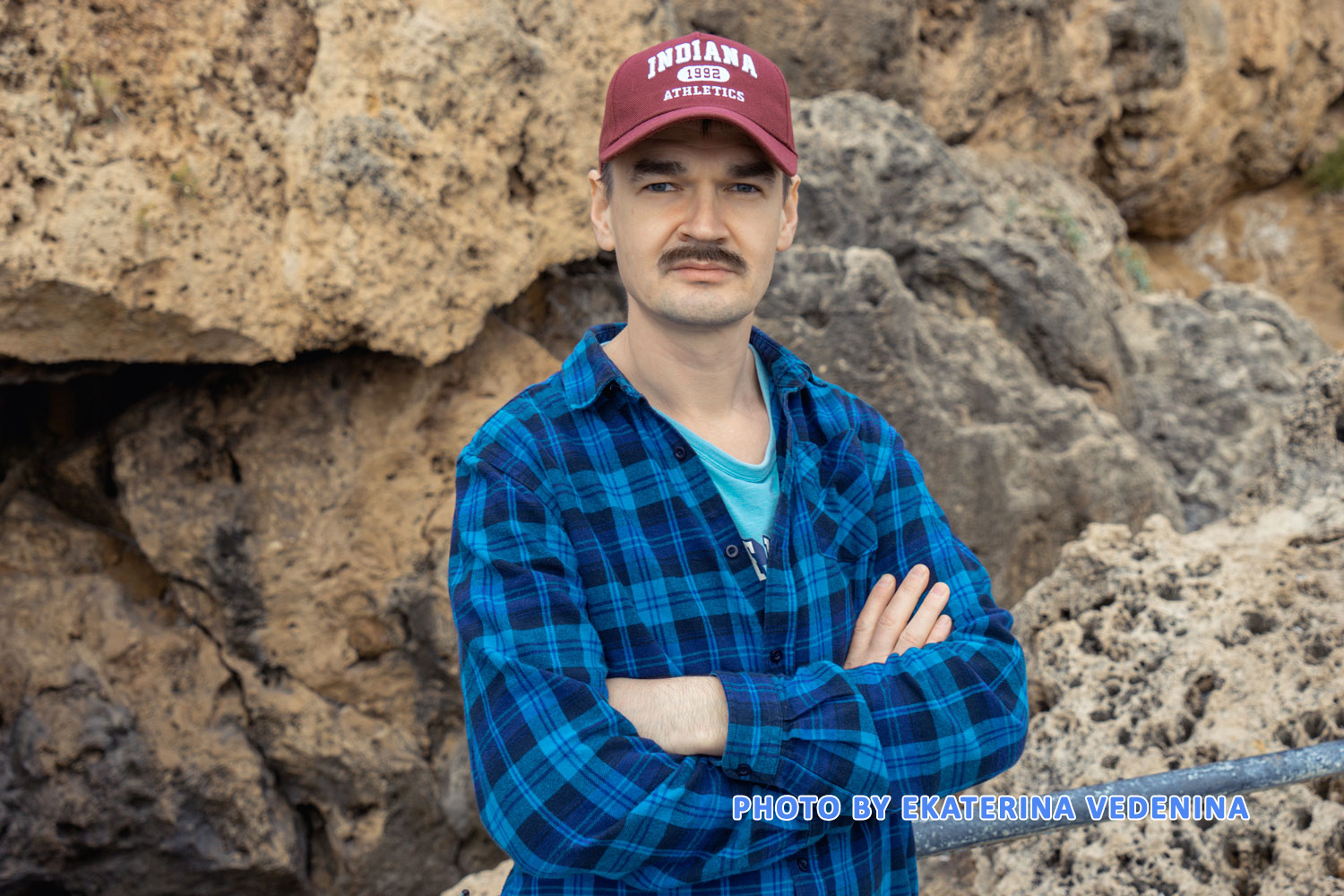 ☝️ In the photo: Author and Director of the film "The Gene of Dissent", Chief Editor of "BAZHAN JOURNAL" Ilya Bazhan.
"As in the Soviet Union, Russia has once again embarked on the path of authoritarianism and totalitarianism. Today, as then, dissidents are like a litmus test by which one can determine what is happening to the country.
Dissidents are also diagnostic tools and methods of bloodless struggle against the inhuman remnants of the past.
Our film is a study of Soviet dissidents in parallel comparison with dissidents of modern Russia. A film about heroic people, without whom Russia cannot be peaceful and developing.
Support our work, contribute to the production of the film by buying the team a coffee or making a monthly donation!
Thank you for supporting us! Love you!"
☕ If you want this film to happen — and be heard — buy us a coffee. Every cup becomes a train ticket to a witness, a licensed minute of rare footage, and one more preserved voice.