Russia’s so-called “shadow fleet” is no longer merely a sanctions issue. It is rapidly evolving into a broader environmental, economic, and security threat for Europe.
According to the Financial Times, more than half of the vessels linked to this shadow fleet may now be technically unsafe. Many of these tankers are over 20 years old—an age at which commercial ships are typically decommissioned. Instead, enabled by sanctions circumvention schemes, opaque ownership structures, offshore jurisdictions, and weak enforcement, they continue to operate across global maritime routes.
This creates a set of interconnected risks:
• aging tankers transporting oil without sufficient technical oversight;
• vessels frequently changing flags, ownership, and operators;
• unclear or insufficient insurance coverage;
• an increased likelihood of environmental disasters in the Baltic Sea, North Sea, and Mediterranean.
The risks are no longer hypothetical. The Financial Times has already documented oil spills and maritime safety incidents involving vessels linked to these networks.
However, the shadow fleet is only one element of a much broader system.
Over the past years, Russia has been constructing a parallel economic and logistical infrastructure designed to sustain long-term confrontation with the West. This system includes offshore financial mechanisms, opaque supply chains, sanctions evasion routes, maritime logistics networks, and continued access to strategic industrial inputs.
This is where initiatives such as #Alumina21 become strategically significant.
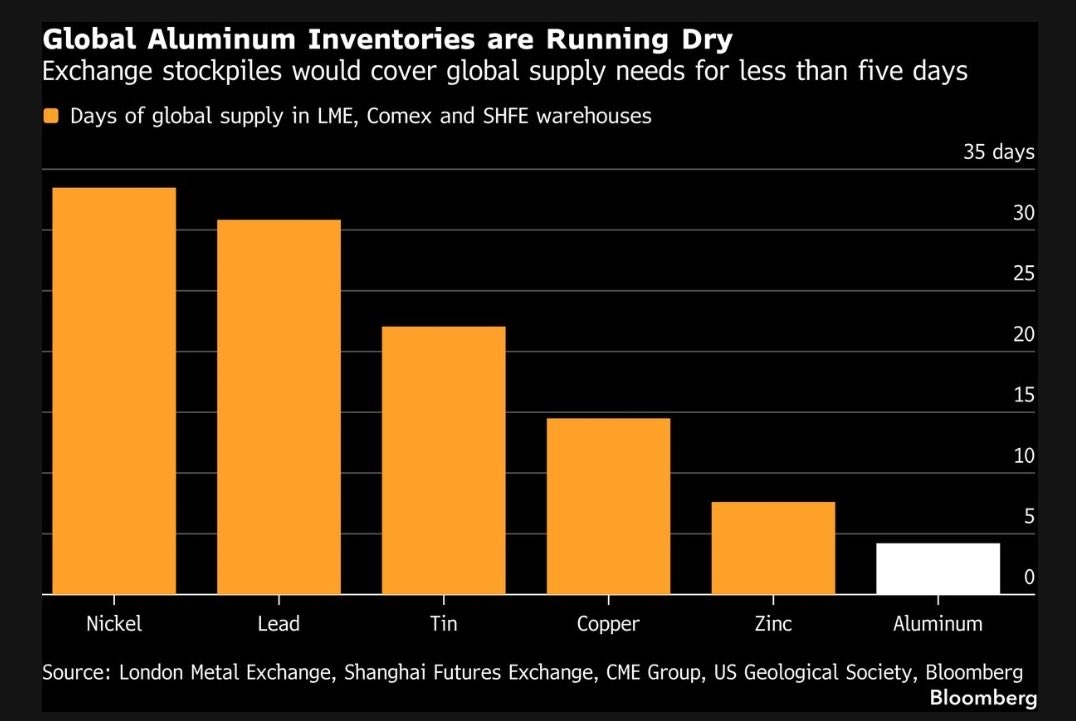
The Alumina21 campaign highlights a critical inconsistency within the EU sanctions framework: while restrictions target certain categories of Russian aluminum, upstream materials such as alumina continue to enter Russian supply chains. This creates a loophole through which essential industrial inputs may still support sectors linked to Russia’s military-industrial complex.
The broader issue extends beyond aluminum.
What we are witnessing is the emergence of an adaptive war economy—one designed to survive sanctions through fragmentation, legal grey zones, and global logistical complexity.
Both the shadow fleet and the Alumina21 case point to the same structural problem: Russia is building alternative systems outside transparent international regulation, while democratic institutions continue to respond with fragmented and reactive measures.
This raises urgent questions for the European Union and NATO:
• Can sanctions remain effective without targeting logistical and industrial infrastructure?
• Is international maritime regulation prepared for large-scale sanctions circumvention fleets?
• How should European security policy adapt to hybrid economic warfare?
• Are existing legal mechanisms sufficient to address state-driven exploitation of global trade systems?
Several policy steps appear increasingly necessary:
• stronger technical monitoring of vessels operating in European waters;
• expanded sanctions targeting logistics, insurance, and offshore ownership structures;
• joint EU–NATO maritime monitoring mechanisms;
• restrictions on unsafe vessels entering European ports;
• independent technical audits of aging tanker fleets;
• increased transparency in strategic raw material supply chains;
• closing loopholes that allow industrial inputs to support military-industrial production.
The challenge Europe faces today is not limited to military aggression.
It is the transformation of economic infrastructure into a tool of hybrid warfare.
Unless Europe adapts more quickly, the next crisis may not begin with missiles—but with environmental disaster, industrial dependency, and the erosion of international enforcement mechanisms.