
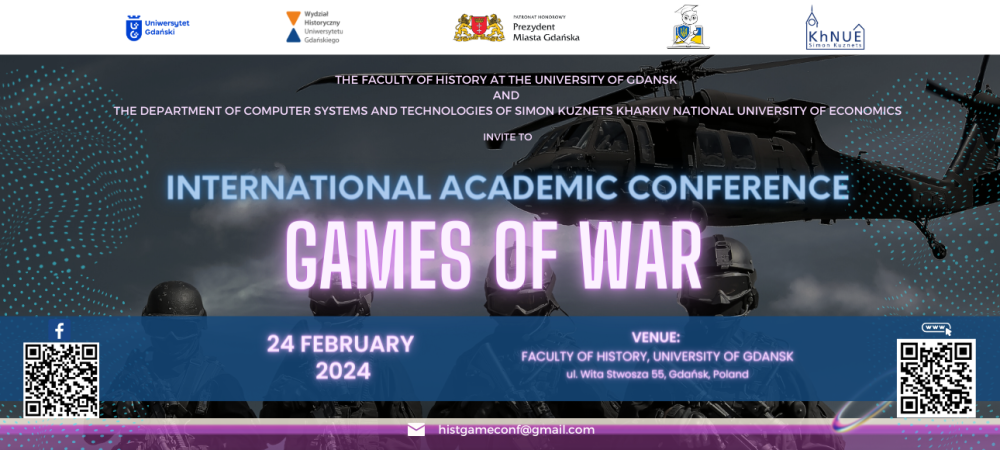
The "Games of War" conference, organized by the University in Gdansk, Poland [and coorganized by Kharkiv National Economic University, Ukraine], stands as a beacon of innovation and educational advancement in the realm of historical game design. As Poland cements its reputation for hosting one of the world's premier board game designer camps, this conference further underscores the nation's commitment to exploring the intersection of history, conflict, and interactive media. This particular event, dedicated to marking two years of the ongoing war in Ukraine, signifies a poignant convergence of academia, industry expertise, and current global events, providing a multifaceted platform for discussion and learning. The challenge of time zone differences posed a significant hurdle, with a 7-hour gap making participation in the morning sessions unfeasible for me. Despite this, the dedication to partake in the latter half of the conference, even if it meant starting the day at 6 am, reflects the high level of my interest. The choice to host a conference instead of more traditional forms of activism or commemoration might seem unconventional to some. However, it offers a unique avenue to delve deep into the nuanced relationships between war, history, and gaming. Through this lens, participants can explore how games serve not only as forms of entertainment but also as powerful tools for education, empathy, and understanding complex historical events.
The array of speakers at "Games of War" was particularly noteworthy, drawing from a diverse pool of industry professionals and experts with varied experiences. This eclectic mix ensured a rich, comprehensive discourse, covering a range of perspectives and insights into the challenges and opportunities of designing games that accurately and respectfully represent historical conflicts.
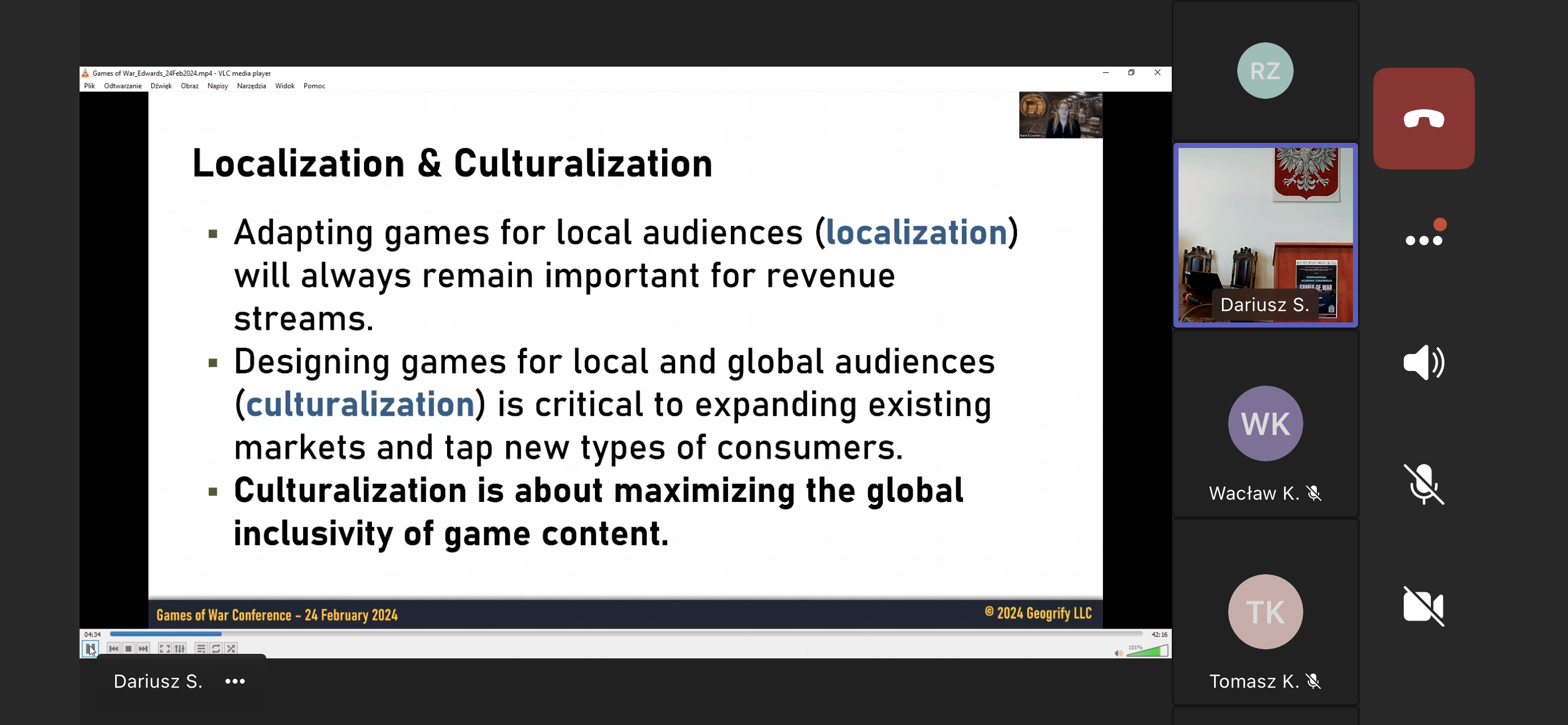
This lecture resonated deeply with the practices of KOZAK GAMES, affirming the company's commitment to culturalization beyond mere translation. By infusing games like PERUDO, Cunning Folks, CRAZY KICK, and STEW with themes drawn from Ukrainian history, mythology, animation, and cuisine, KOZAK GAMES exemplifies how the essence of a culture can be woven into the fabric of gaming experiences. The transformation of STEW into a game themed around the iconic Ukrainian dish BORSCH is a testament to the company's dedication to celebrating and sharing Ukrainian culture through the universal language of games. The approach taken by KOZAK GAMES, as highlighted by Kate Edwards' insights, showcases the importance of culturalization in creating games that not only entertain but also educate and foster a deeper connection with players from various cultural backgrounds. It's a practice that enriches the gaming landscape, allowing for a more inclusive and diverse representation of cultures and histories. The learnings from Edwards' lecture underscore the potential of games as a medium for cultural exchange and understanding in our increasingly globalized world. It reinforces the belief that through thoughtful culturalization, game developers and publishers can contribute to a more interconnected and empathetic global community. For KOZAK GAMES, this endeavor to share the richness of Ukrainian culture with the world is a noble pursuit, one that promises to continue shaping their unique contributions to the gaming industry.
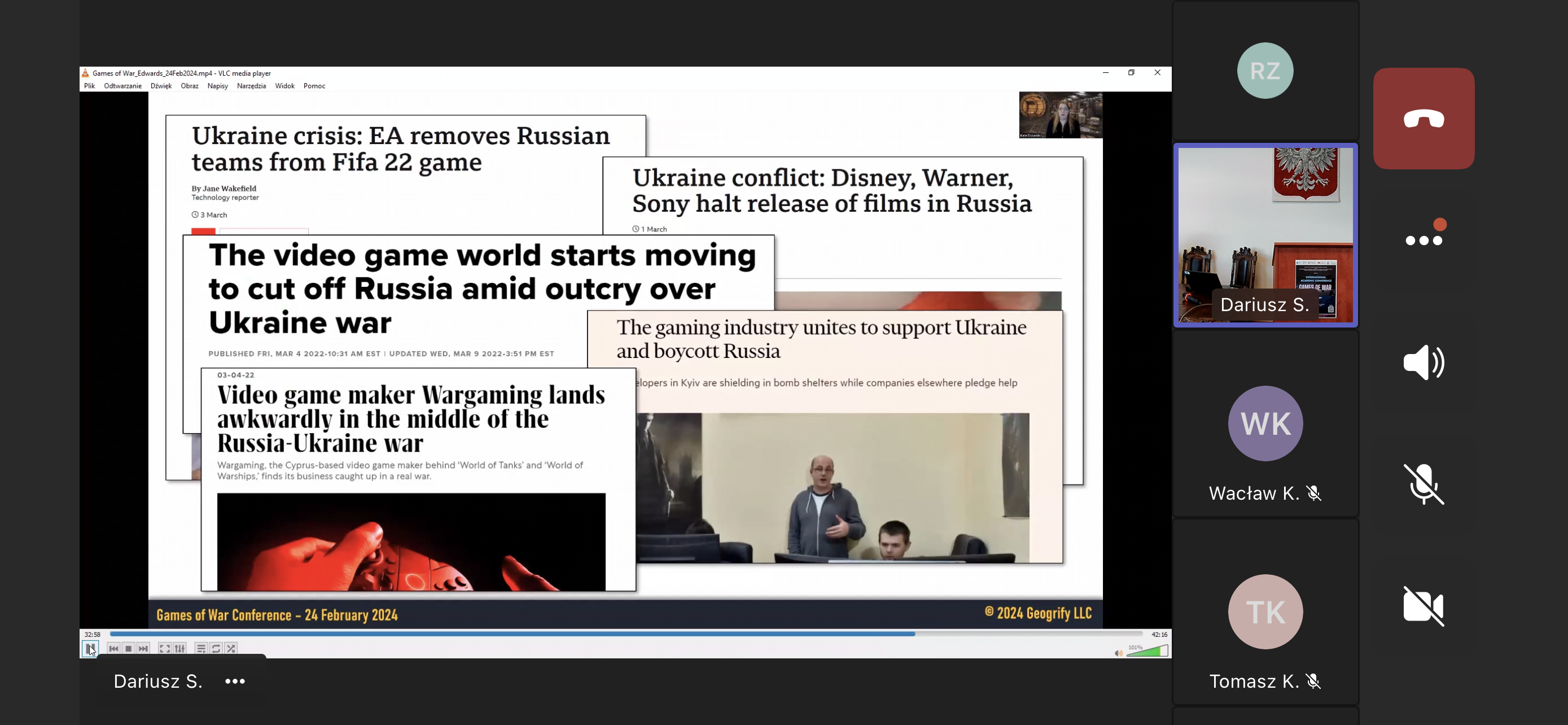
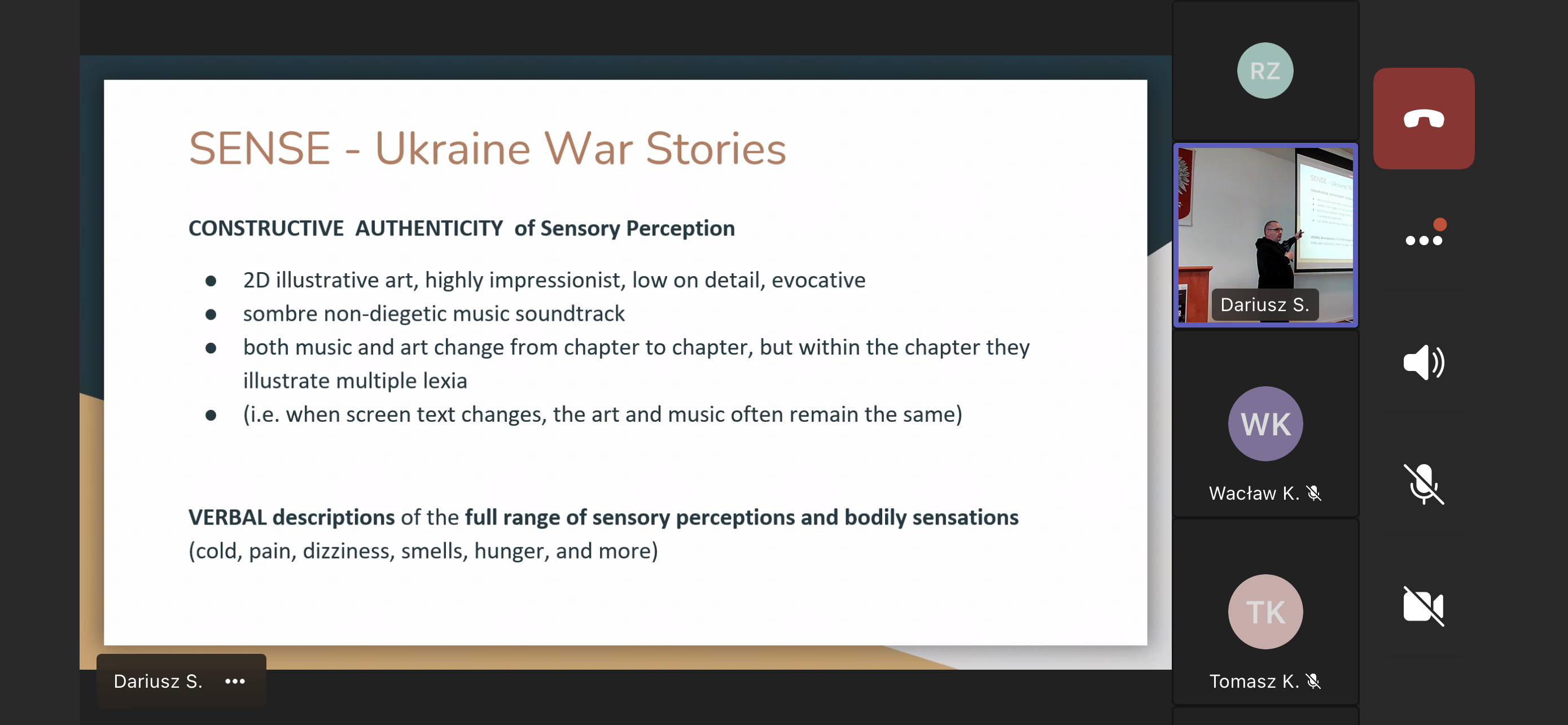
The session by Anna Sroka and Igor Kwasigroch at the "Games of War" conference offered a unique and insightful examination of the global reception of "Ukraine War Stories" through the lens of user reviews from various countries and platforms, including STEAM. This analysis provided a multifaceted view of how cultural backgrounds and national perspectives influence player reactions and interpretations of the game. By categorizing and discussing reviews based on their geographic origin, Anna and Igor showcased how players from different parts of the world engaged with the game's portrayal of the Ukrainian conflict. This approach highlighted the varying levels of empathy, understanding, and interest across different cultures, reflecting the global diversity of the gaming community. It was an innovative way to gauge the impact of "Ukraine War Stories," revealing how a game about a specific regional conflict could resonate with a worldwide audience, each bringing their own viewpoints and biases to their gaming experience. This detailed analysis of feedback served as a testament to the power of video games as a medium for cultural expression and education. It underscored the importance of considering diverse player bases in game development, especially for titles that tackle sensitive historical and current events. The session illuminated the challenges and opportunities in creating games that aim to transcend cultural barriers and foster a global dialogue on pressing issues.
While acknowledging that the conference was not without its imperfections, it's important to recognize the significance of this inaugural event. As the first of its kind, some growing pains are inevitable, yet they also offer valuable lessons for future iterations. The constructive feedback and experiences gained this year lay a solid foundation for improvement, setting the stage for "Games of War" to evolve into an even more impactful and refined event in the coming years. The initiative by the University in Gdansk to integrate historical game design into academic study and to facilitate discussions through conferences like "Games of War" is a commendable step toward broadening the understanding and appreciation of games as educational tools. As we look forward to future events, there is a palpable sense of anticipation for the growth, innovation, and collaboration that will continue to emerge from this vibrant community. Good luck guys!