

I was sitting on my bathroom floor at 2 AM, replaying a client email in my head.
The client wasn't angry. The email wasn't even bad. But my brain had decided it was catastrophic. So there I sat, building an entire case against myself, worrying about something that hadn't happened and probably wouldn't.
That was three years ago. I still worry. But something changed.
A concept I stumbled across, buried in a Japanese philosophy book, quietly rewired how I relate to anxiety. Not with a hack. Not with a morning routine. With a different way of seeing reality.
It's called Mujō.
What Mujō Actually Means (And What Most People Get Wrong)
Mujō is a Buddhist concept that became central to Japanese culture around the 13th century. The word translates roughly to "impermanence."
Most people hear impermanence and think it means "nothing lasts, so nothing matters." That's the lazy reading. It's also wrong.
Mujō doesn't say nothing matters. It says everything is in motion. Every feeling, every situation, every version of yourself. The worry you feel at 2 AM is not a permanent truth about your life. It is a moment passing through.
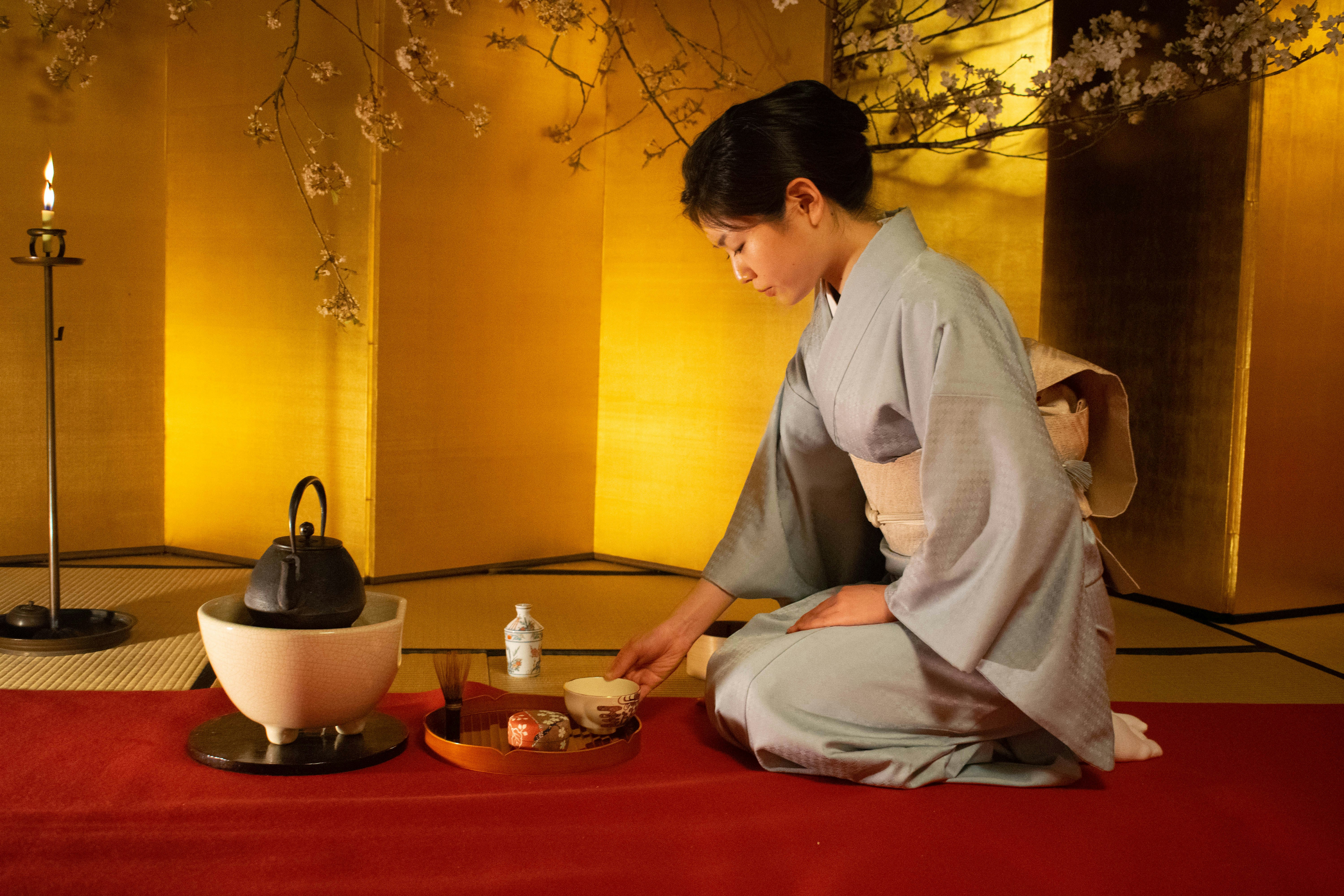
The Japanese literary tradition built an entire aesthetic around this. They called it mono no aware, the gentle sadness of things. Cherry blossoms are beautiful partly because they fall. A sunset moves you because it ends.
The suffering isn't in the impermanence. The suffering is in fighting it.
How I Was Fighting Impermanence Without Knowing It
Here's what my worrying actually looked like in practice.
I'd receive uncertain news, a client going quiet, a post underperforming, a plan falling apart. And immediately my brain would do something strange: it would freeze the moment. Lock it in place. Treat that single data point as permanent evidence about how things would always be.
Client goes quiet. Brain conclusion: you're finished.
Post flops. Brain conclusion: you were never good.
That is the opposite of Mujō. That is treating a passing moment like a fixed fact.
And the fix isn't to force positivity. Telling yourself "it'll be fine" is just a different kind of freezing. You're still treating the moment as something to be resolved rather than something moving through.
What Mujō Taught Me to Do Instead
The shift is small. Almost embarrassingly small.
When something feels wrong now, I try to add one word to my internal narrative.
Currently.
The client is currently quiet. The numbers are currently low. I am currently uncertain.
Currently is not forever. It is not a conclusion. It is an acknowledgment that this moment is one frame in a longer film.
That single word breaks the freeze.
I got this from something the Japanese poet Kenkō wrote in the 14th century in his Tsurezuregusa (Essays in Idleness). He wrote about how people cling to permanence in a world that offers none. How we build our pain on the assumption that what is, will always be.
Kenkō wasn't advising detachment. He wasn't saying stop caring. He was saying: see clearly. What is here is here now. That's all you actually know.
The Practical Side of This (Because Philosophy Is Useless If It Doesn't Work)
I'm a writer and a former eCommerce owner. My days are full of ambiguity. Revenue swings. Audience silence. Projects stalled.
Mujō doesn't make those things go away. It makes them survivable in a different way.
Three things changed for me after sitting with this idea for long enough:
I stopped treating bad weeks as career autopsies. A slow month used to feel like proof the whole thing was falling apart. Now I notice the feeling, name it as a current state, and wait. Not passively. I still work. But I stop building narratives from single data points.
I stopped celebrating good weeks too hard either. This one surprised me. Mujō applies to the highs too. When a post goes viral or a product sells well, I've learned not to grip it. Grip turns into fear of losing it. That fear produces worse decisions than the bad week ever did.
I started noticing when I was frozen. That's the core skill. Recognizing the moment my brain treats something temporary as permanent. Once you see that pattern, you can interrupt it. Not always. But enough.
Why This Idea Is 700 Years Old and Still Relevant
Because anxiety is not a modern invention.
Kenkō was worried too. The monks who codified Mujō were dealing with uncertainty, death, political instability, loss. They weren't sitting in perfect calm contemplating butterflies. They were using a framework to stay functional inside a world that didn't cooperate.
That's what most productivity content misses. It sells you systems for a controllable world. The world isn't controllable. Your relationship to uncertainty is the actual variable.
Mujō is a relationship with uncertainty. Not a cure for it.
What to Do With This
You don't need to read 14th-century Japanese essays. You don't need a meditation cushion.
Start with one practice this week.
When something worries you, write it down. Then add the word "currently" in front of it. Read it back. Notice if the feeling shifts even slightly.
That's it. That's the entry point.
Worry is often a story we tell about a permanent truth that isn't permanent at all. The 2 AM version of the problem is one frame. Just one.
The film is still running.
If you love my content, do check my book '30 Strategies for Joy in a Chaotic World'