

US Base Types in West Asia
The US maintains a tiered network of bases tailored for power projection, logistics, and operations in the region. These fall into a two key categories per US military doctrine:
Main Operating Bases (MOBs): Large, permanent, heavily defended installations with full infrastructure (runways, command centers, fuel/ammo depots, housing, and family support). They serve as enduring strategic hubs for airpower, naval ops, and theater command.
Examples in West Asia include Al Udeid Air Base (Qatar home to CENTCOM forward HQ and major air ops), Prince Sultan Air Base (Saudi Arabia), Al Dhafra Air Base (UAE), and Naval Support Activity Bahrain (Fifth Fleet HQ). These host thousands of personnel and enable sustained high-tempo operations.
Forward Operating Bases (FOBs): Smaller, semi-permanent or expeditionary sites focused on tactical support. They are closer to conflict zones, house hundreds to a few thousand troops, and provide logistics, refueling, helicopter/air support, and quick-reaction forces.
In practice, the US footprint in West Asia mixes large MOBs in the Gulf (for air/naval dominance) with smaller FOBs/outposts farther north/east for ground influence.
Why FOBs and MOBs Are No Longer a Net Benefit in the Drone + Low-CEP Missile Era
FOBs were designed for post-Cold War expeditionary warfare: rapid setup, proximity for short-range sorties, and low-footprint ops against weaker foes. That model is obsolete against peers or near-peers with modern precision weapons for three structural reasons:
1. Fixed, Large-Signature Static Targets: FOBs have visible infrastructure runways/taxiways, fuel farms, ammo dumps, radar/comms arrays, barracks, and vehicle parks. These create massive radar/thermal signatures that are easy to target from standoff ranges.
2. Low CEP Precision + Saturation Attacks: Circular Error Probable (CEP) measures accuracy (radius within which 50% of munitions land). Iran's newer solid-fuel missiles (e.g., Fateh-313 variants at 10–30 m CEP; Kheibar Shekan, Fattah-1, Haj Qassem at <100 m) can now hit specific buildings or runways with warheads of 300–700+ kg.
A 10–20 m CEP turns a base into a bullseye one or two hits can crater a runway, ignite fuel, or destroy aircraft on the ground. Drones (Shahed-style OWA, FPV kamikazes, loitering munitions) add cheap, low-altitude saturation: swarms overwhelm defenses because a $20k drone vs. a $1M+ interceptor creates unsustainable cost asymmetry. Recent 2026 conflict data shows Iranian allied FPV and OWA drones conducting recon + strikes on US facilities in Iraq, damaging radars and forcing dispersal.
3. Defense Economics and Operational Reality: Layered air defenses (Patriot, THAAD, C-RAM) work against sporadic threats but struggle with massed salvos + drones. Bases become "sitting ducks" expensive to harden fully, politically toxic if casualties mount, and logistically fragile (resupply under fire is hard). In the current environment, U.S. bases tie down forces for self-defense rather than offense, limit sortie rates, and invite escalation. US adaptations (dispersal, remote ops, mobile HIMARS/PRISM missiles) show the shift away from static forward basing toward standoff or sea-based power.
Result: FOBs no longer enable unchallenged "forward presence"; they create vulnerabilities that adversaries exploit at low cost. MOBs face same pressure from longer-range systems like Sejjil (2,000 km, maneuverable reentry).
Why the US Era of Dominating West Asia Is Over:
Based on observable ground realities accelerated by the 2026 US-Israel-Iran conflict. Precision munitions and A2/AD (anti-access/area denial) have eroded the post-1991 US model of regional hegemony.
1. US Cannot Maintain Military Supremacy Due to Drones and Missiles (Bases Are Effectively Useless for Sustained Ops)
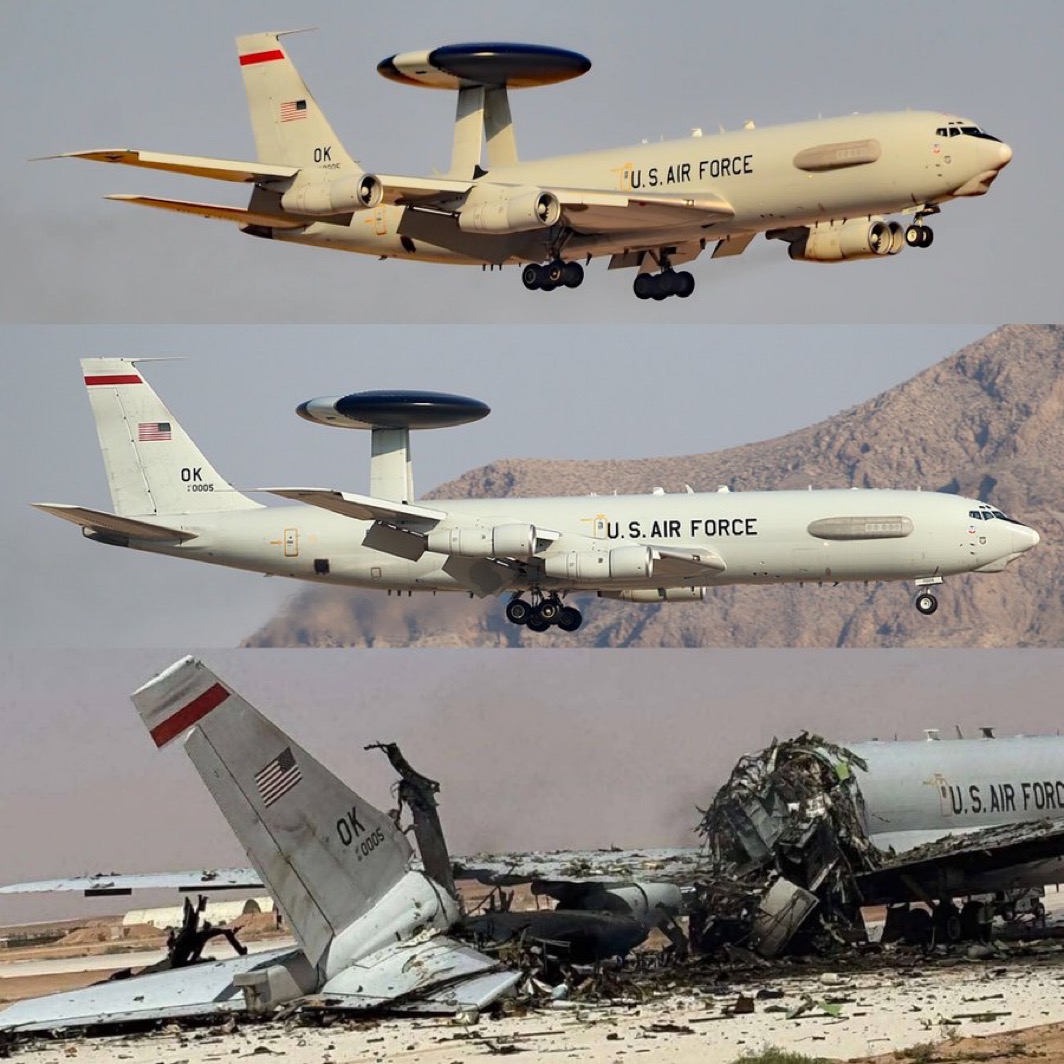
This has been demonstrated in real time. Iranian barrages (thousands of missiles/drones in early 2026) damaged key MOBs/FOBs in Kuwait, Qatar, Bahrain, Saudi Arabia, UAE, Iraq, and Jordan hitting radars, comms, runways, and infrastructure.
Casualties occurred; operations were disrupted; troops dispersed. Even with high interception rates, the sheer volume + precision (improved Iranian CEP via guidance upgrades) imposes unsustainable costs and limits air sortie generation. Naval carriers help, but land-based airpower (the backbone of US dominance) is now contested from the outset. Supremacy has become "expensive and temporary" rather than assured.
2. US Cannot Win Land Warfare Due to Heavy Casualties and Inability to Provide CAS
Large-scale ground ops (boots on the ground beyond small SOF/advisory teams) are politically and militarily prohibitive. Adversaries' integrated air defenses, MANPADS, drones, and mobile missiles make low/slow CAS (close air support) extremely risky, pilots face high-threat environments where even stealth aircraft struggle against layered threats. Historical aversion to casualties (post-Iraq/Afghanistan) compounds this. The US excels at standoff strikes but lacks the will or doctrine for prolonged, high-casualty mechanized warfare against determined, dispersed foes. Drones have further democratized attrition warfare, leveling the infantry playing field. Furthermore US simply doesn’t have the size of force required to be effective against such large adversary as Iran.
3. Arabs Need to Create a New Defense Architecture with Neighbouring Countries
This is the likely logical next step for the region and one Gulf states are already navigating (uneasily). US bases have become liabilities for hosts (they draw fire, as seen in 2026 strikes on Gulf infrastructure).
more indigenous systems, ties with China/Russia for some tech, and intra-Arab/Islamic cooperation experiments. A purely "Arab" architecture excluding Iran is unrealistic given geography and proxy dynamics; any viable one would require de-escalation with Tehran or robust multilateral guarantees.
The old "US umbrella" model is fraying because it no longer reliably deters or protects without massive collateral costs to hosts.
Bottom Line
West Asia is now a contested space where local actors (Iran, allied forces, Gulf states) have credible denial capabilities. The future favours distributed, mobile, sea/air-refueled, or standoff forces not large fixed bases.