Telegraph Hill in Hull, MA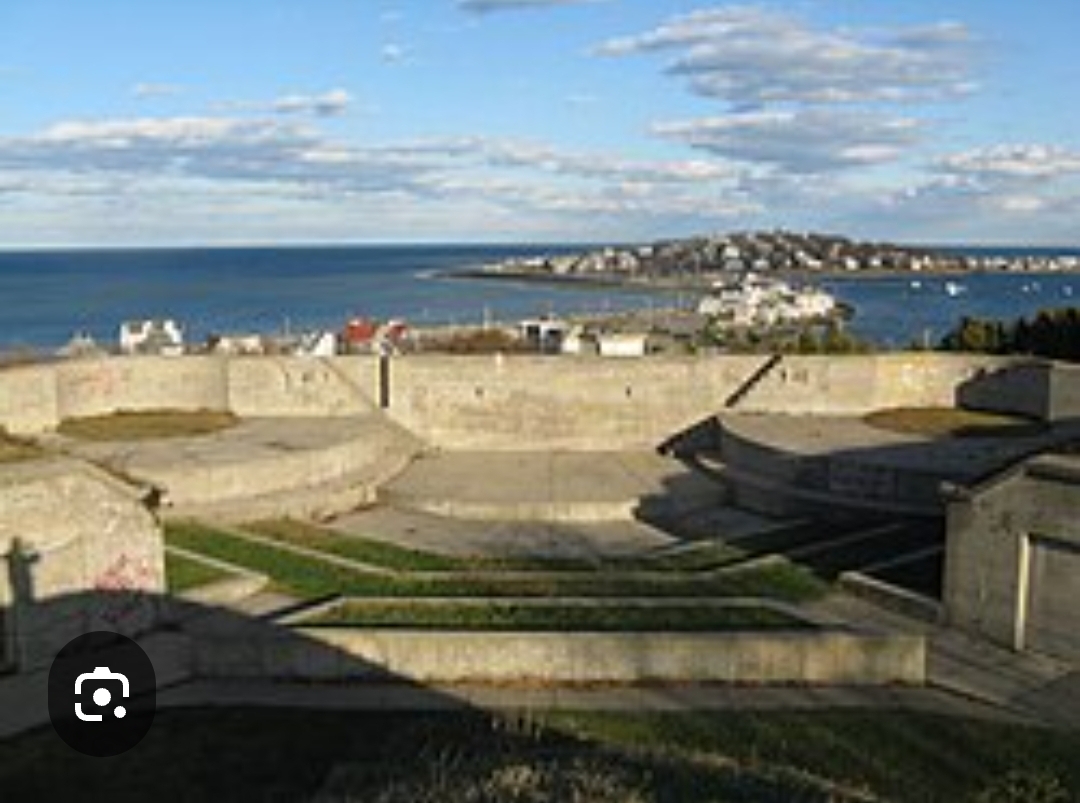 , the site of Fort Revere, was first fortified by Patriot forces in 1776 during the American Revolution and called Fort Independence. In 1797 that name was transferred to the fort on Castle Island, which retains the name to this day.
To grow up in Hull and go to this fort was incredible. The connection that I and many felt to the Independance of this country was something i canvonly descibe for me I was in Awe.
That connection as an American, born in this Country. I was second generation Itailan on Father's side with 4 Uncles who fought in WWII and my Father who was about to go to Korea with the 82nd Airborne Division and thankfully the 38th Parallel took affect.
My mothers side was a mix of English, Wales,Scottish and African American who ilI traced by to 1750 North Carolina with relative that fought in the 1776 Revolution, War of 1812, The Civil War, WWI and WWII.
I was told from mothers side Robeson County, NC that we were Lumbee Indian.
The Lumbee people are a mixed-ancestry community in North Carolina, with their ancestry rooted in a blend of Siouan, Algonquian, and Iroquoian-speaking Native American groups, who intermarried with Europeans and free African Americans. When i did my DNA 50% Itailan and 25% African and the other 25% is English, Wales, Scottish, Ireland. Sitting on top of Fort Revere and think my family was in America during the Independance and think as an American as a person that has history and a love for our country and other Americans that I am fortunate to have been born in a place thatvis part of the beginnings of America.
The fort on Telegraph Hill may have been called the Allerton Battery after 1797. It was used to protect Boston Harbor. By January 1777 the fort had embrasures for 15 guns, plus two detached batteries with an unknown number of guns and a military hospital nearby. By early 1778 the fort mounted 22 guns.
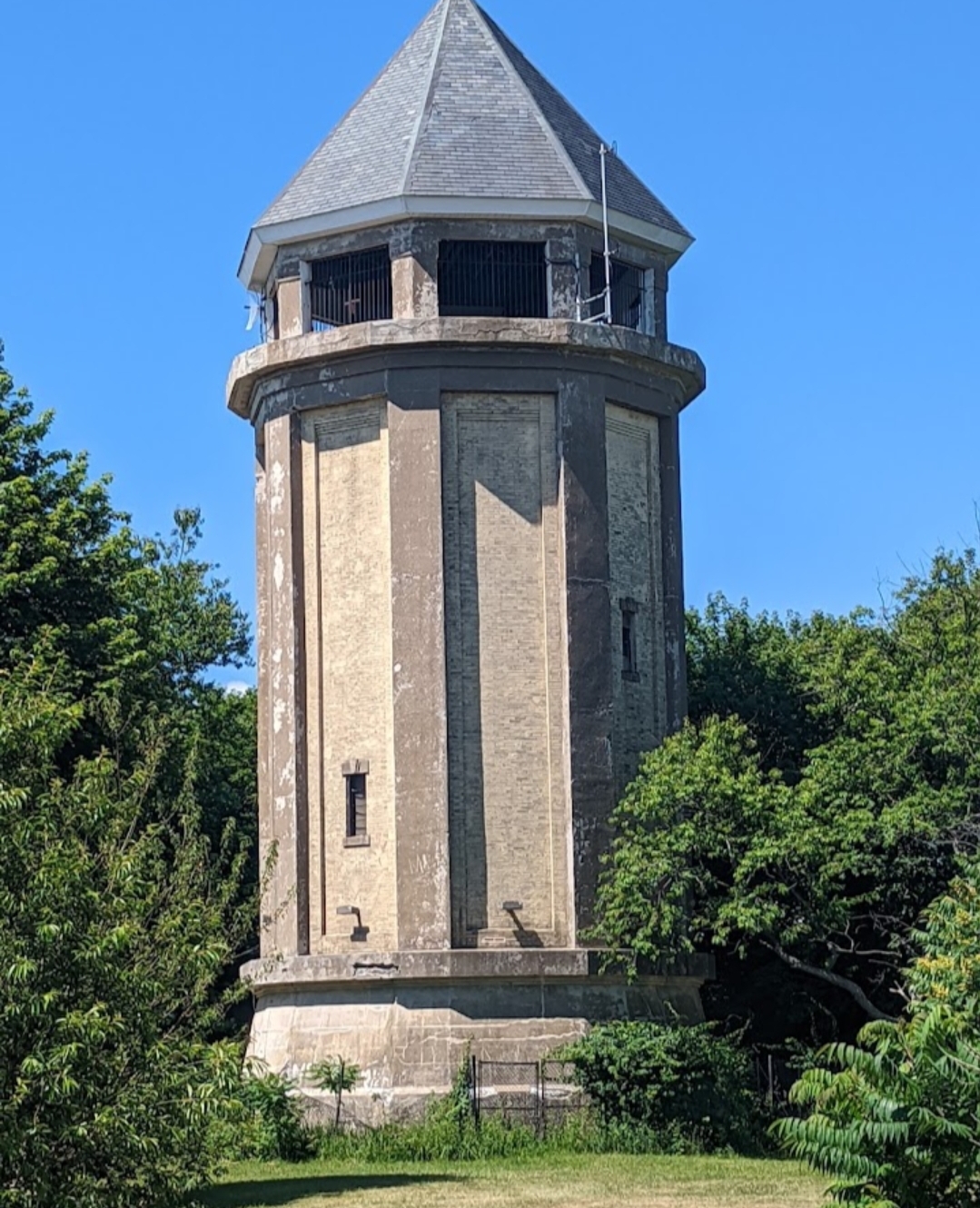
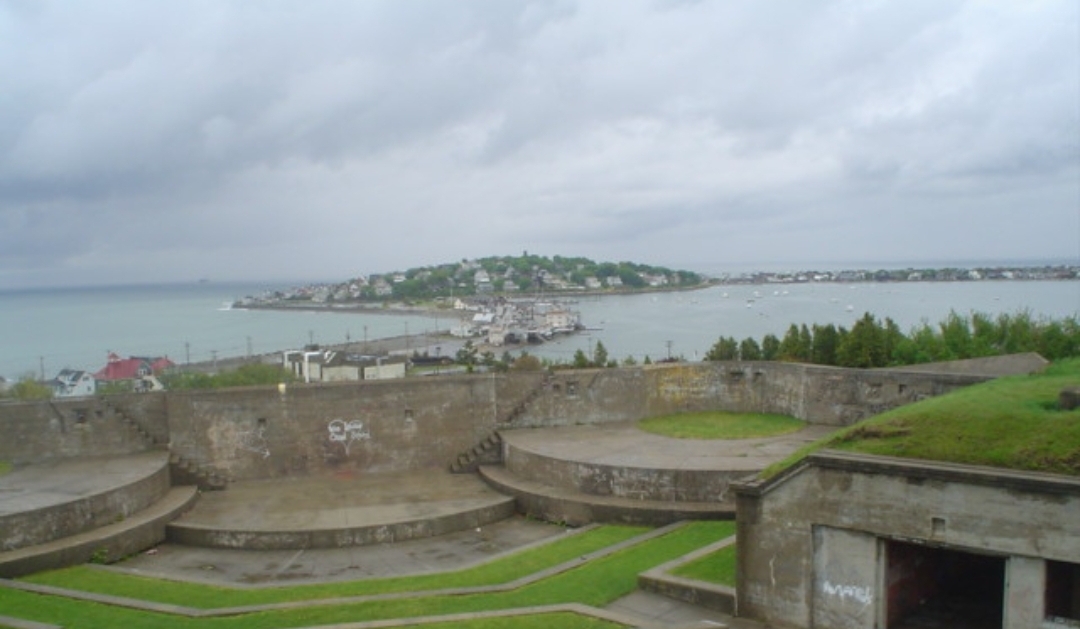
In August 1778 French Marines from D'Estaing's fleet were stationed at the fort, supervised by Chief Engineer du Portail (a French general assisting the Continental Army)[2] at General Washington's direction. Through 1780 they greatly expanded the fort, probably with considerable help from Patriot forces.[3] French activities presumably included the hilltop redoubt, detached batteries, a new 30-gun water battery, new barracks, hospital, and subsequent cemetery (still visible today).