

You're home to trillions of microbes, and they're doing far more than just digesting your dinner. Here's what the gut microbiome actually is, and how to look after it.
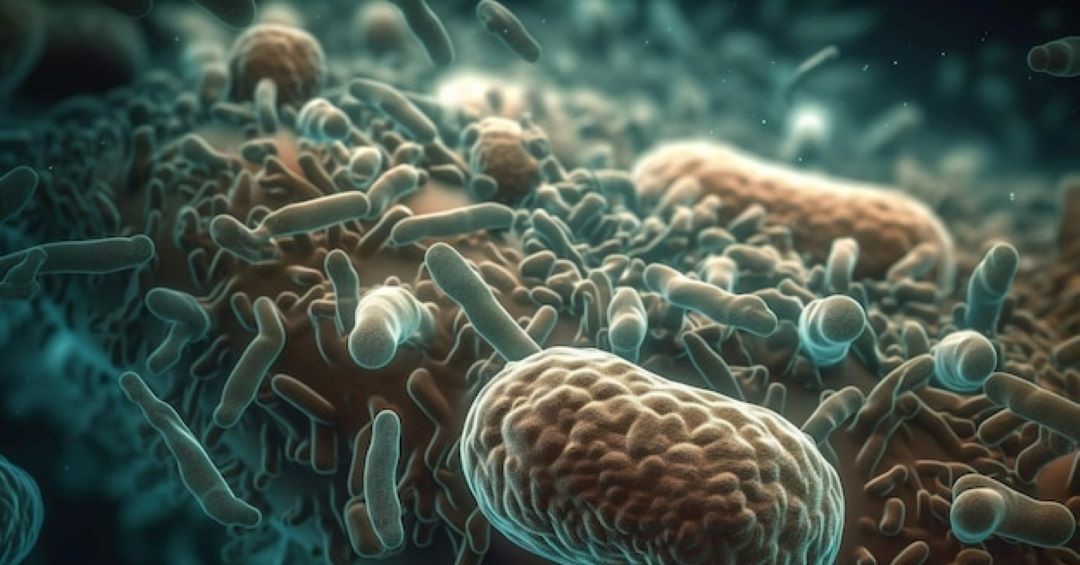 photo: credit
You've probably heard the phrase "gut health" mentioned approximately a thousand times over the last few years, on podcasts, in supermarkets, on the side of yoghurt pots. But behind the buzzword is something genuinely fascinating: an entire ecosystem living inside you, and it has a real say in how well you feel, day to day.
What is the gut microbiome?
The gut microbiome refers to the trillions of bacteria, viruses, fungi and other microbes living in your digestive tract, mostly in the large intestine. According to the Quadram Institute, a UK research centre dedicated to gut and food science, the microbial community in your gut is one of the densest and most diverse on your entire body, more so than your skin, mouth or lungs. These microbes aren't just along for the ride. They help digest food your body can't break down alone, produce vitamins, train your immune system, and even manufacture chemical messengers linked to mood.
Professor Tim Spector, who runs a microbiome research unit at King's College London, has said he can learn more about someone's health from a detailed look at their gut microbes than from their genes, since we're genetically almost identical to one another but might only share 20 to 30 percent of our gut bacteria. In other words, your microbiome is far more personal, and far more changeable, than your DNA.
How it gets damaged
The single biggest disruptor of the gut microbiome is antibiotics, and the effects go on for a lot longer than most of us assume. A major study from Uppsala University in Sweden, published in Nature Medicine in 2026 and involving almost 15,000 adults, found that certain antibiotics were linked to changes in gut microbiome composition as far as four to eight years after treatment, with a single course leaving a lasting trace. Some antibiotics were far worse offenders than others. Clindamycin, fluoroquinolones and flucloxacillin had the strongest and longest-lasting effects, while penicillin V, one of the most commonly prescribed antibiotics, caused smaller, shorter-lived disruption.
To be clear, this isn't an argument against taking antibiotics when you genuinely need them, they're vital, sometimes lifesaving medication. But the researchers suggest it strengthens the case for using the narrowest, most targeted antibiotic for the job wherever possible, rather than defaulting to broad-spectrum options, and for being mindful of giving your gut some support afterwards.
Antibiotics aren't the only culprits, though. A diet low in variety and high in ultra-processed food, chronic stress, poor sleep and excessive alcohol can all chip away at microbial diversity over time, gradually favouring less helpful bacterial strains over beneficial ones.
Keeping it healthy
The good news is that your gut microbiome responds fast to what you feed it, sometimes within days. One of the most influential pieces of research here is the American Gut Project, a 2018 study involving more than 10,000 volunteers from the US, UK and Australia (its UK arm, incidentally, was Tim Spector's British Gut Project). It found that people eating 30 or more different plant foods a week had significantly more diverse gut microbiomes than those eating ten or fewer, and it wasn't about being vegetarian or vegan, simply about variety. Vegetables, fruit, wholegrains, nuts, seeds, herbs and spices all count, and each one only needs to appear once during the week to tick the box.
Fermented foods also have a decent evidence base behind them. Live yoghurt, kefir, sauerkraut and kimchi introduce beneficial live cultures and have been linked in several studies to increased microbial diversity. Beyond diet, regular movement, decent sleep and lower stress levels have all been associated with a healthier gut environment too, so it really is a whole-lifestyle picture.
Repairing a damaged microbiome
If you've recently finished a course of antibiotics or think your gut's taken a battering, the repair playbook is largely the same as the prevention one, just turned up a notch. Prioritise fibre-rich, varied plant foods to give surviving bacteria plenty to feed on, add fermented foods regularly, stay well hydrated, and give it time. Research into recovery after antibiotics suggests certain "keystone" gut bacteria play an outsized role in re-establishing a healthy, diverse community, and a nutrient-rich diet gives them the best conditions to do that.
A note of caution
If you have an underlying medical condition, such as inflammatory bowel disease, irritable bowel syndrome, a compromised immune system, or if you're pregnant, please speak to your GP or a registered dietitian before making significant dietary changes or starting probiotic supplements. What benefits a generally healthy gut isn't automatically appropriate for everyone, and some conditions require quite specific, individually tailored approaches. This article is for general information, not medical advice.