

Stressed, anxious or sleeping badly? A growing body of research suggests this guided deep-rest and relaxation practice may help. Here's how it works and how to begin.
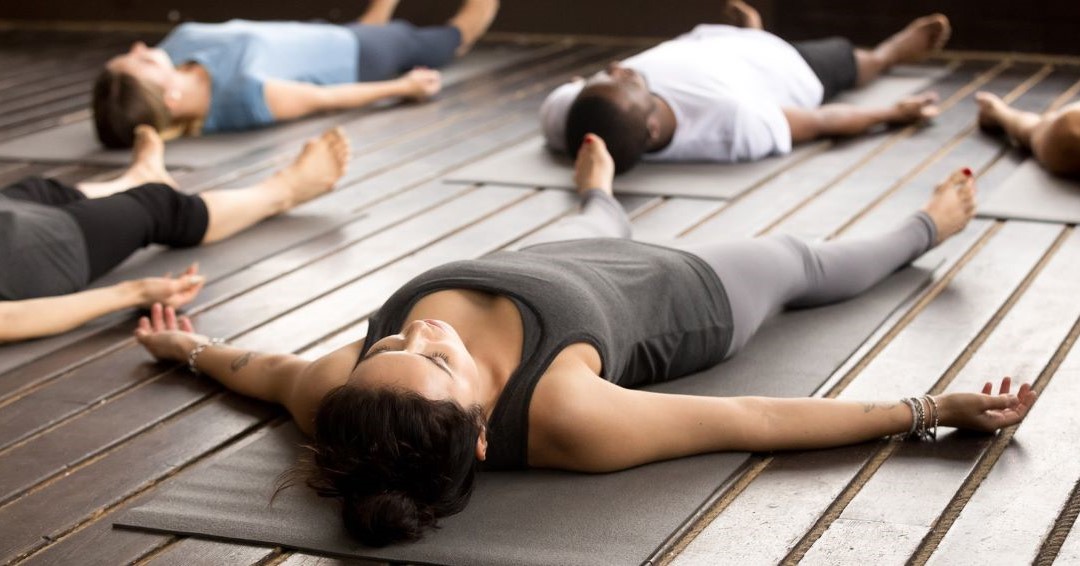 photo: shutterstock
Here's a 'movement' that asks you to do something different: lie down and stay put. Yoga nidra, or "yogic sleep", is a guided practice of deep relaxation. It needs no poses, no flexibility and no experience, just somewhere to lie down and a little time.
What is yoga nidra?
During yoga nidra, a voice guides you through a series of steps while you lie still. The aim is to rest deeply while staying awake and aware. It's somewhere between waking and sleeping, like that drowsy, drifting moment before you nod off.
The modern practice was set out by Swami Satyananda Saraswati in 1976, although it draws on much older yogic traditions.
Why we should do "nothing"
In a world that prizes busyness, deliberately resting can feel almost rebellious. Yet our nervous systems need downtime as much as our muscles do. Because yoga nidra asks nothing of the body, it suits all ages and abilities, including those of us whose joints or energy levels make other movement tricky.
What does the science say?
Research is growing fast. A 2026 review and meta-analysis pooled 73 studies, involving more than 5,000 people, and found significant benefits for stress, anxiety and depression.
Sleep seems to improve too. A 2025 review of randomised controlled trials found that most studies reported improvements in how quickly people fell asleep, how long they slept and how efficient their sleep was.
There's brain research as well. An early brain-imaging study by Danish and British researchers found a 65% rise in dopamine release during yoga nidra, along with a reduced desire for action. It suggests the brain really does shift into a different gear.
A word of caution, though. The studies vary a lot in size, length and quality, so firm conclusions are hard to draw. Promising, then, rather than magic.
How to try it
Start with 10 to 20 minutes, a few times a week, ideally somewhere warm and quiet.
Get comfortable. Lie on a mat or bed with a blanket over you, as body temperature can drop when you relax, and a cushion under your knees or head. A well-supported chair works too.
Play a guided recording. A voice to follow helps beginners stay on track.
Set an intention. This is the "sankalpa", a short, positive phrase such as "I am at ease".
Rotate your awareness. You'll be guided to notice parts of the body in turn, from thumb to fingers, palm to wrist and so on, without moving them.
Return gently. Wiggle your fingers and toes, roll onto your side and take your time getting up.
Don't worry if you drift off. It happens, and with practice you'll find it easier to stay aware.
As with any new practice, listen to your body and check with your GP first if you have any health conditions that may affect your ability to practice yoga nidra. If lying still stirs up difficult feelings, open your eyes, sit up and stop for now. It's a lovely way to spend some time, but it should never feel like hard work.