

Change is the one thing we can count on, yet we still resist it. Find out why embracing change and impermanence might bring more peace into your life.
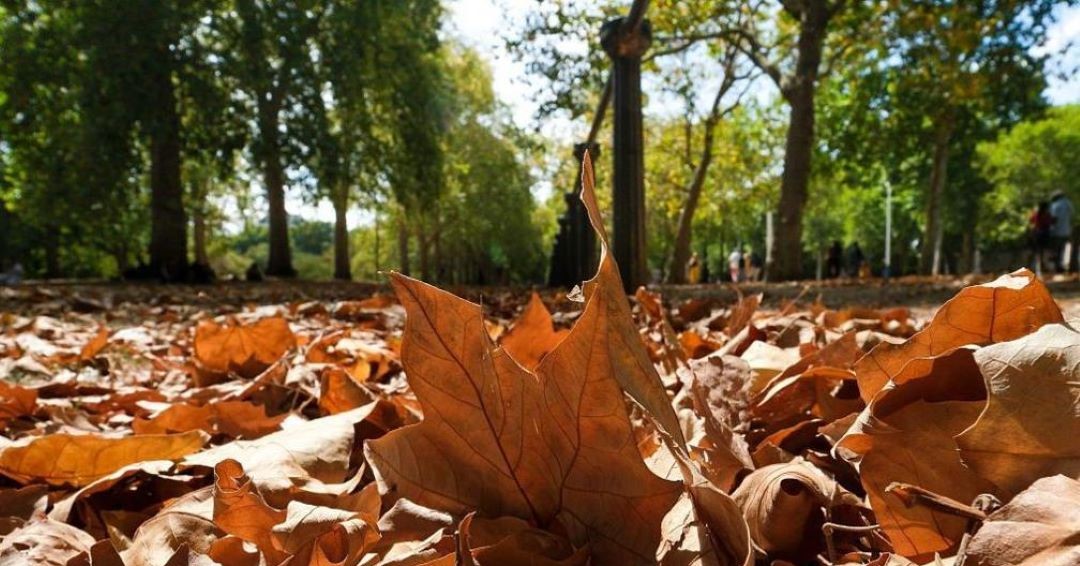 photo: unsplash
There's a moment every autumn when it really hits home. The evenings draw in, the trees start shedding leaves, and the garden looks nothing like it did in July. Nature never seems to cling to anything.
We humans are another matter. When life shifts, whether it's children leaving home, retirement, a health wobble or just a change of routine, we tend to dig our heels in. That's where an appreciation of impermanence can be helpful.
What impermanence really means
Impermanence simply means that everything changes: the seasons, our bodies, our moods, our relationships. It's one of the oldest ideas in Buddhist teaching, and it isn't meant to be gloomy. It's just an honest view of how things are.
The Buddhist nun, Pema Chödrön, has been teaching on this for decades. Her point is that the change itself isn't really the problem. The trouble starts when we resist it, spending our energy trying to put solid ground under our feet in a world that won't keep still.
Does it actually help?
Researchers have begun to put numbers to this. A scale published in the journal Mindfulness in 2021 measures two things: impermanence awareness (knowing that all things pass) and impermanence acceptance (being open to that fact). Both were linked with better psychological wellbeing.
A 2023 study of 433 university students in China found that around half had high awareness of impermanence without much acceptance of it. That rings true, doesn't it? Knowing that things change and being at peace with it are two very different things.
These are early findings from fairly specific groups, so treat them as interesting rather than conclusive.
Tuning in to the seasons
A lovely way to practise is to notice the change happening right outside your window. At the University of Derby, Professor Miles Richardson and a colleague asked people to note three good things in nature each day for five days. Those who did showed lasting increases in their connection with nature, which were linked to better psychological health.
You could try something similar. On your next walk, spot one thing that's different since last week: the light, the smell of damp leaves, the conkers on the grass. Then notice what's shifting inside you too, the mood that rises and passes, the thoughts that come and go.
Even the breath is a small lesson. Each one arrives, and each one leaves.
Letting go, gently
Letting go doesn't mean not caring. It means holding life a little more lightly. When something shifts, try asking yourself, "What am I hanging onto?"
Life gives us plenty of practice. A sleepless night passes. A difficult conversation ends. Even a grey November morning comes to a close. Noticing that things always pass can take the edge off the tough times, and help us savour the good ones all the more.
For many of us in midlife and beyond, change arrives in big ways, such as retirement, menopause, an empty nest, or the loss of someone we love. Practising with the small changes, like the turning of the leaves, helps build the muscle for the bigger ones. And grief for what's gone deserves space too. Embracing change isn't about rushing to feel fine.
Welcoming the unwelcome
When it comes to impermanence and change, Pema Chödrön wrote the book! In 'Welcoming the Unwelcome' she offers a combination of wisdom, heartfelt reflections, and the signature mix of humor and insight that have made her a beloved figure to turn to during times of change.
The book includes teachings on the true meaning of karma, recognising the basic goodness in ourselves and others, transforming adversity into opportunities for growth, as well as simple meditations that anyone can use.
'Welcoming the Unwelcome' is available in all good bookshops and as an ebook, and an audiobook lovingly narrated by Claire Foy. It may also be free to borrow from your local library.