

This is dedicated to the teachers of Gary, Indiana, specifically the Gary Community School Corporation teachers, both past and present. Your dedication and unwavering commitment have shaped generations of students, and we are forever grateful. This is also a tribute to the staff of Title I, TRIO, and other supplemental education programs that have uplifted marginalized youth, young adults, and families. James Weldon Johnson believed in the power of education and dignity. Today, we hold fast to that belief.
Education at a Crossroads: Defending the Programs That Shaped Us
In my last blog, I mentioned that I am from Gary, Indiana. I chose not to address the many stereotypes people associate with my city. I have spent time across various regions of the U.S. , and when people hear my accent, they are often confused. Some say I sound like a "Northerner" with a slight twang. But when I disclose where I am from, the response is usually something like, "Oh, that is where Michael Jackson is from," or someone breaking into a line from The Music Man’s "Gary, Indiana."
At some point, I grew frustrated with how others would reduce my hometown to crime statistics and danger. The reality is that many inner cities in the U.S. are unfairly judged, their struggles overshadowing the resilience, brilliance, and contributions of their people. So, I took control of the narrative. I made sure my biography always included where I’m from, forcing people to acknowledge Gary as more than a stereotype before I even spoke.
To a certain extent, I understand Gary as one of my many intersectional identities, one that is integral to who I am. I am not ignorant of the challenges the city faces, but I also know that narratives are based on who has the power of the pen.
I was raised in a home that valued faith, family, education, and community. In this moment, I hope to contribute to a narrative that highlights the impact of the place that laid the foundation for my educational journey.
I attended predominantly black schools Pre-K- through my freshman year of college. I can tell you that fight for equitable educational resources and funding has not changed much. Nevertheless, I can attest to the hard work of principals and teachers who encouraged students to strive for academic excellence, which is something that many educators today walking a similar path are still aiming for with their scholars. Despite limited resources, they made do with what was available.
We cannot turn back time or predict the future, but we must acknowledge this critical moment. These initiatives are now at risk of being eliminated.
Why talk about education? Well the most obvious reason is that Diversity, Equity, and Inclusion (DEI) programs are actively being dismantled in education. Yet, some truths remain unchanged. Access to education has always been a battle, and we cannot afford to retreat.
The Power of Accessible Educational Resources
II want to take a moment to intentionally express my gratitude for the educational initiatives that shaped me and countless others, such as Title I.
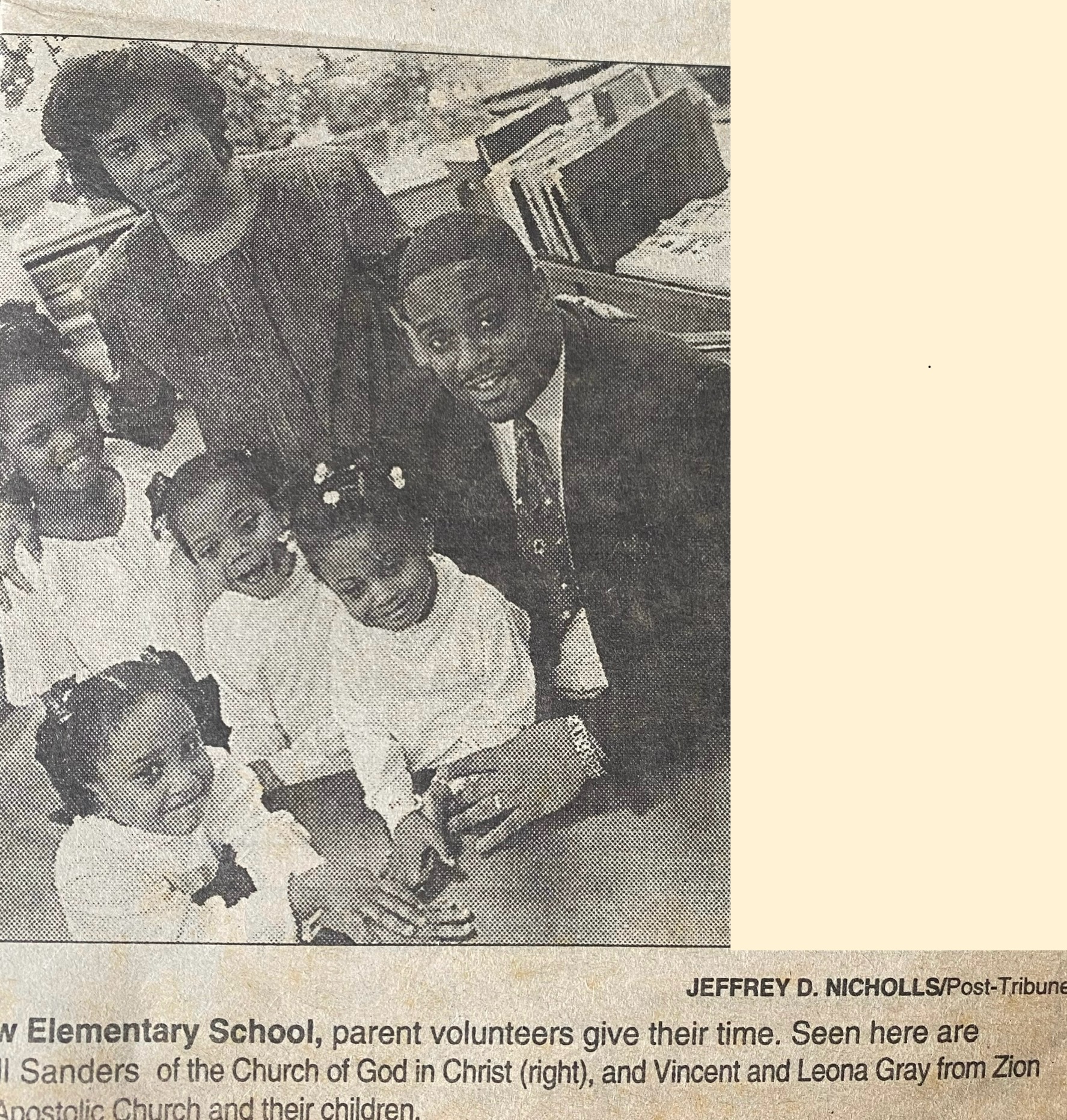
When my twin sister and I were born, there were no public Montessori options in our school district. However, my mom says that thanks to advocacy from parents, including her and my dad, along with community school board members who listened, a public Montessori curriculum was eventually added. Mary McLeod Bethune Early Childhood Development Center became the largest public preschool and Montessori program in the entire area.
I am not sure if that was the exact moment my parents became education advocates. However, I know that it was because of Title I that my parents knew what resources to advocate for. They joined forces with other parents across the district, and made connections across state lines. My dad served on the Chapter I Title I Region V Steering Committee. My mother served as President of the Gary Community School Title l District Parent Advisory Council. She eventually became a Title I reading teacher for middle and high school students because she understood the transformative power of these programs.
My dad even wrote a song that they performed at a national conference:
"We’re Title I parents, Chapter I parents,
Making a difference
Staying connnected
for our children's learning experience. "-©Vincent E. Gray
Despite attending inner-city schools, programs like Title I supported my sisters and our peers academic success.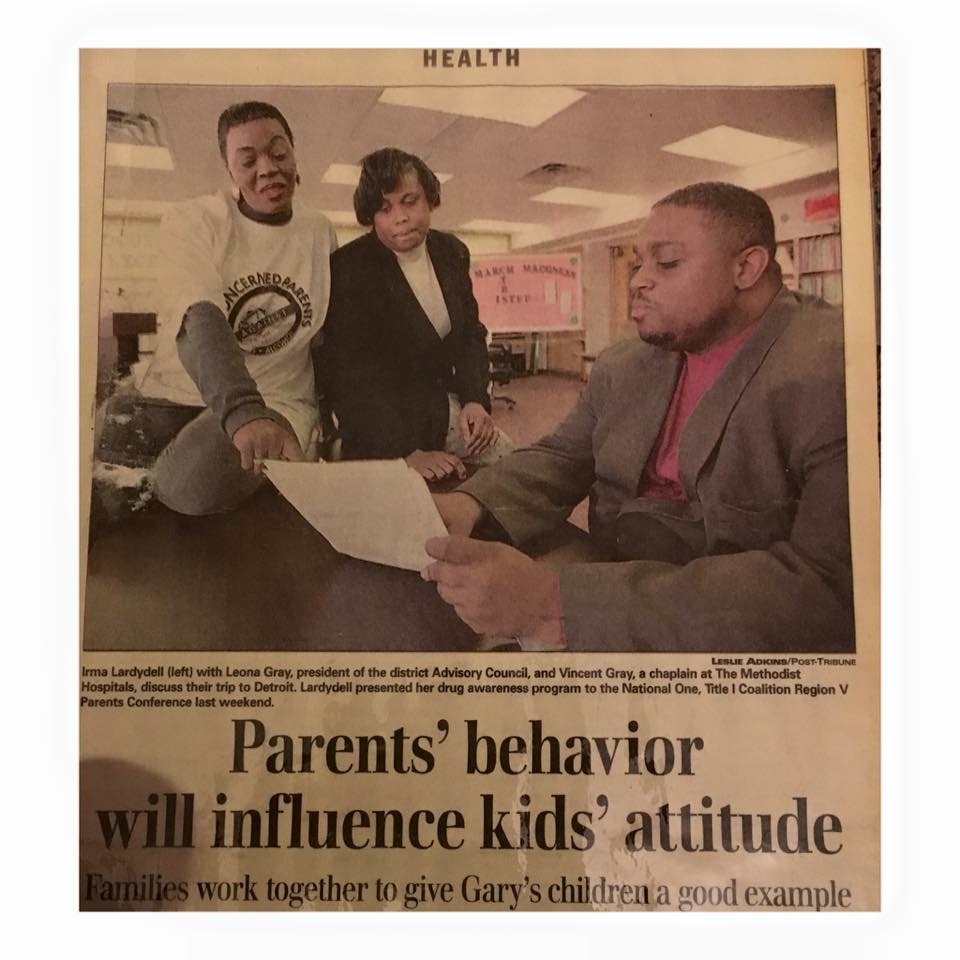 Educational Programs that Opens Doors
I am a direct beneficiary of TRIO programs, initiatives designed to bridge the gap between talent and opportunity.
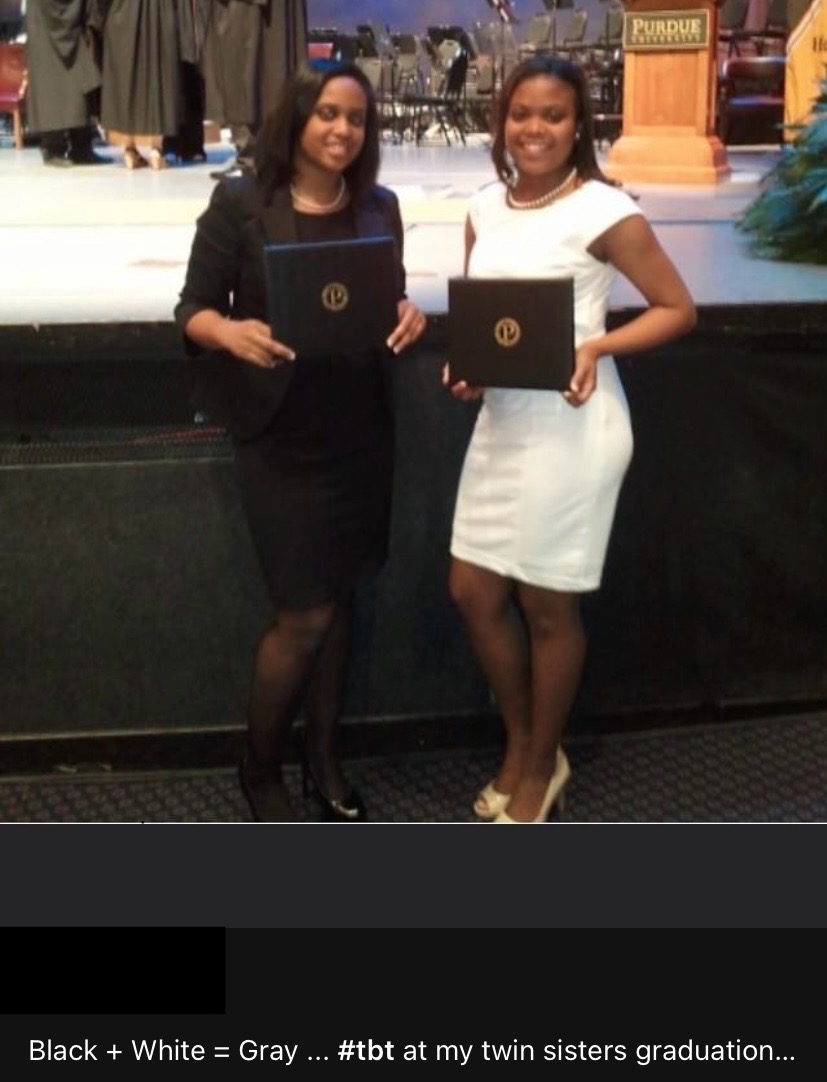
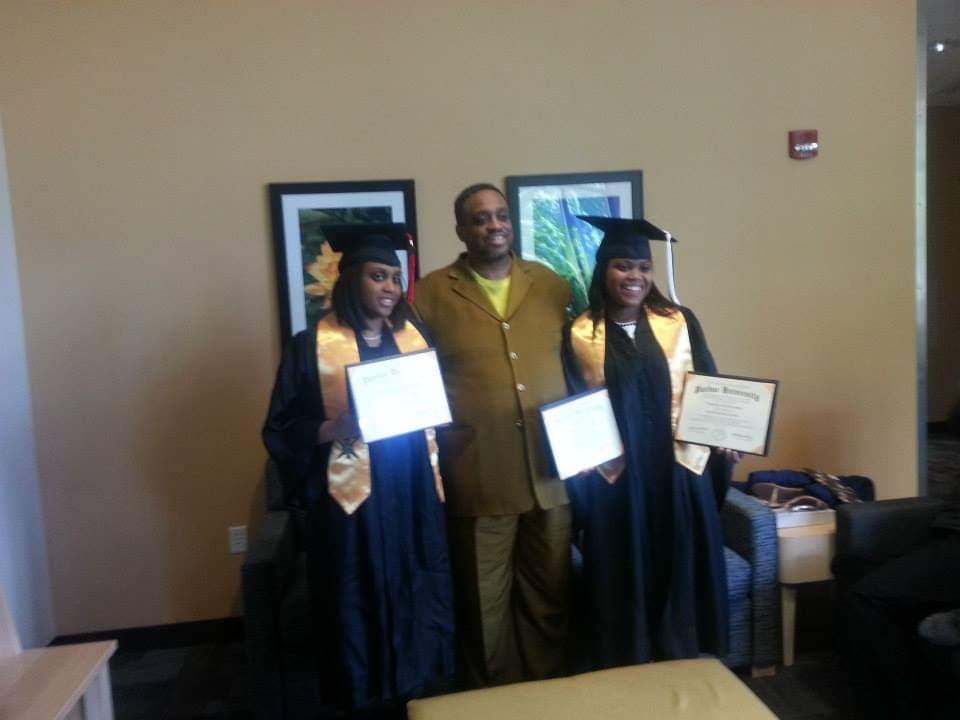
In high school, I spent weekends at Purdue University Calumet (now Purdue Northwest) in a supplemental education program that expanded my academic network and laid the foundation for my college readiness. I was able to enter college with 6 credits.
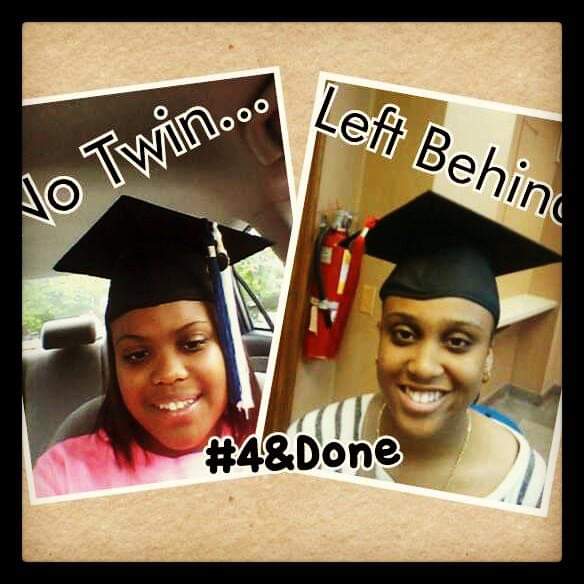
I won’t lie. There were Saturdays when I resented waking up early for yet another academic commitment. Between extracurriculars and other commitments, I even stepped away for a while. But my twin and I found our way back, determined to finish what we started.
My mother, with wisdom beyond our years, knew the importance of retention before we did. So, thanks, Mom.
At the time, other TRIO programs were available in my community, including Educational Talent Search and McNair Scholars. I did not fully understand their significance then.
But years later, I would step into a roles where I could see it all firsthand.
The Power of Research and Representation
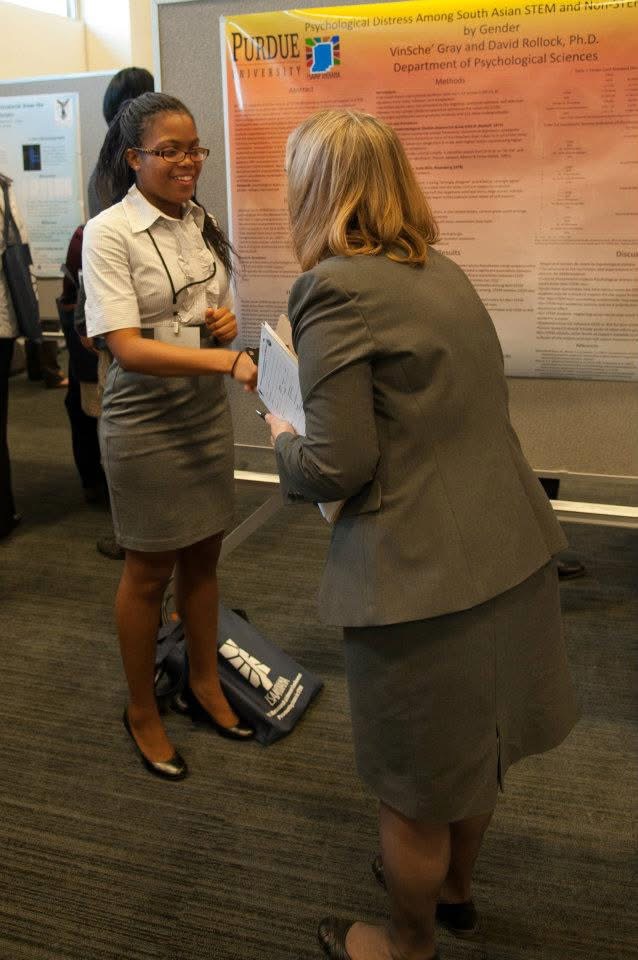
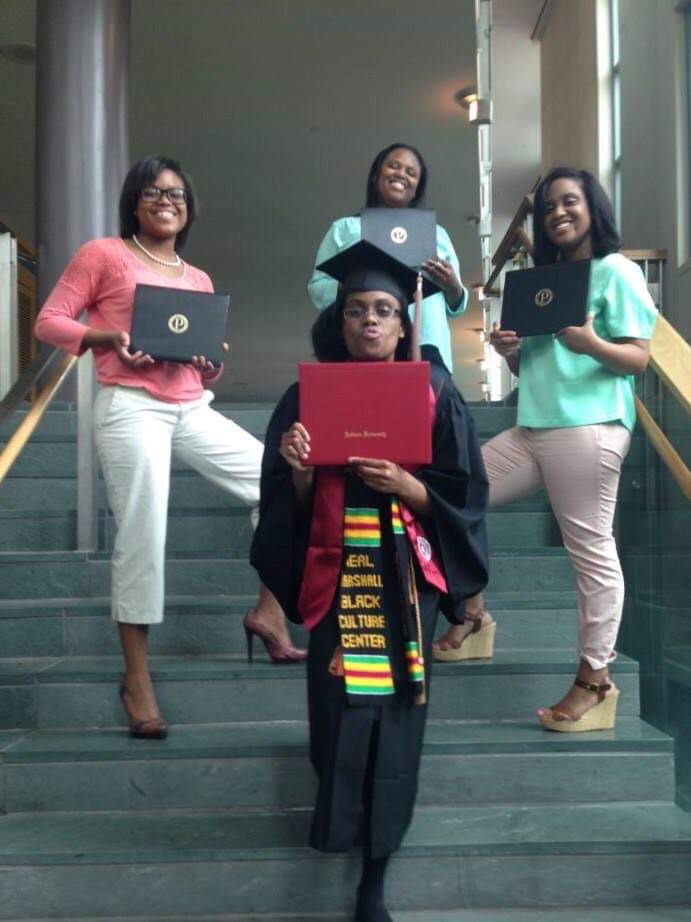
During my undergraduate years at Purdue University, I had the opportunity to participate in the Louis Stokes Alliance for Minority Participation (LSAMP), a program funded by the National Science Foundation. LSAMP was dedicated to increasing the number of underrepresented minority students in STEM by providing research opportunities with faculty mentors.
Through this program, I conducted research examining the psychological distress experienced by STEM and non-STEM students. That experience not only expanded my academic curiosity but also reinforced the importance of representation in research.
The following year, I transitioned into a leadership role as a program coordinator. In this position, I supported recruitment and retention efforts, working to ensure that underrepresented students had continued exposure to research opportunities throughout the academic year. This role allowed me to mentor students and provide them with resources to thrive in STEM, reinforcing my passion for educational advocacy.
I have to shout out the incredible Black women who led our program. Our project manager and our director were both deeply invested in our success. They were not just administrators. They were advocates, ensuring that we maximized every resource awarded to us. Their leadership was not just about maintaining the program. It was about making sure we thrived. Under their guidance, I learned firsthand the power of intentional investment, mentorship, and the unwavering commitment to seeing those from disadvantage backgrounds excel in STEM research.
Advocating for Educational Justice
At the University of San Diego, I served as an Interim Academic Coordinator and Student Success Coach for TRIO McNair Scholars.
I had the privilege of supporting first-generation, low-income, and historically marginalized students as they conducted research during their junior and senior years of college.
My favorite part was helping them craft personal statements and graduate school applications, documents that could unlock doors to Ph.D. programs they once thought were out of reach.
Yes, that is right. Many TRIO McNair scholars are not only prepared for a master’s program, they are equipped to enter doctoral programs immediately following graduate school.
To any of my former students who may read this, I am so proud of you. We stayed on extended Zoom calls, reviewed multiple rounds of personal statement edits, and processed acceptance and rejection letters alongside you. It was always my desire to convey that you had someone who understood the weight of your dreams.
The Cost of Cutting Equity-Centered Programs: Why We Must Continue Advocating for Access to Education
It is heartbreaking that many educational programs, including TITLE I and TRIO, face potential funding cuts as federal priorities shift. I think about how hard staff members have worked to keep these programs alive.
Many of these professionals work well beyond 40 hours a week, often for modest pay, dedicating themselves to students whose families lack the resources to navigate college. They understand that education in this country is still a privilege.
As under-resourced communities brace for the potential loss of educational support structures, I ask:
What happens to the first-generation student whose parents cannot guide them through the financial aid and graduate school applications?
What happens to the low-income scholar who is academically brilliant, but lacks a network to vouch for their potential?
What happens to the student of color whose school district is underfunded and now faces yet another closed door?
For many students, the path after high school leads directly into the workforce, and there is dignity in that. But for those who desire a college education, we must ensure they have access to the support systems they need. The dreams of our current and future generations of scholars, who have so many odds stacked against them, deserve a chance to be realized.
So, what will we do? More importantly, what will you do? Will you write, advocate, or strategize? Will you use your voice to protect these programs?
And if the foundation of such programs are completely destroyed, how will you contribute to the reimagining or rebuilding of such impactful spaces?
The work is not over.
The Conversation Continues.✊🏾
If you have been impacted by any educational equity program, I invite you to share your story.
How has education shaped your life?
Who are the mentors and programs that helped guide you?
How can we protect these spaces for future generations?
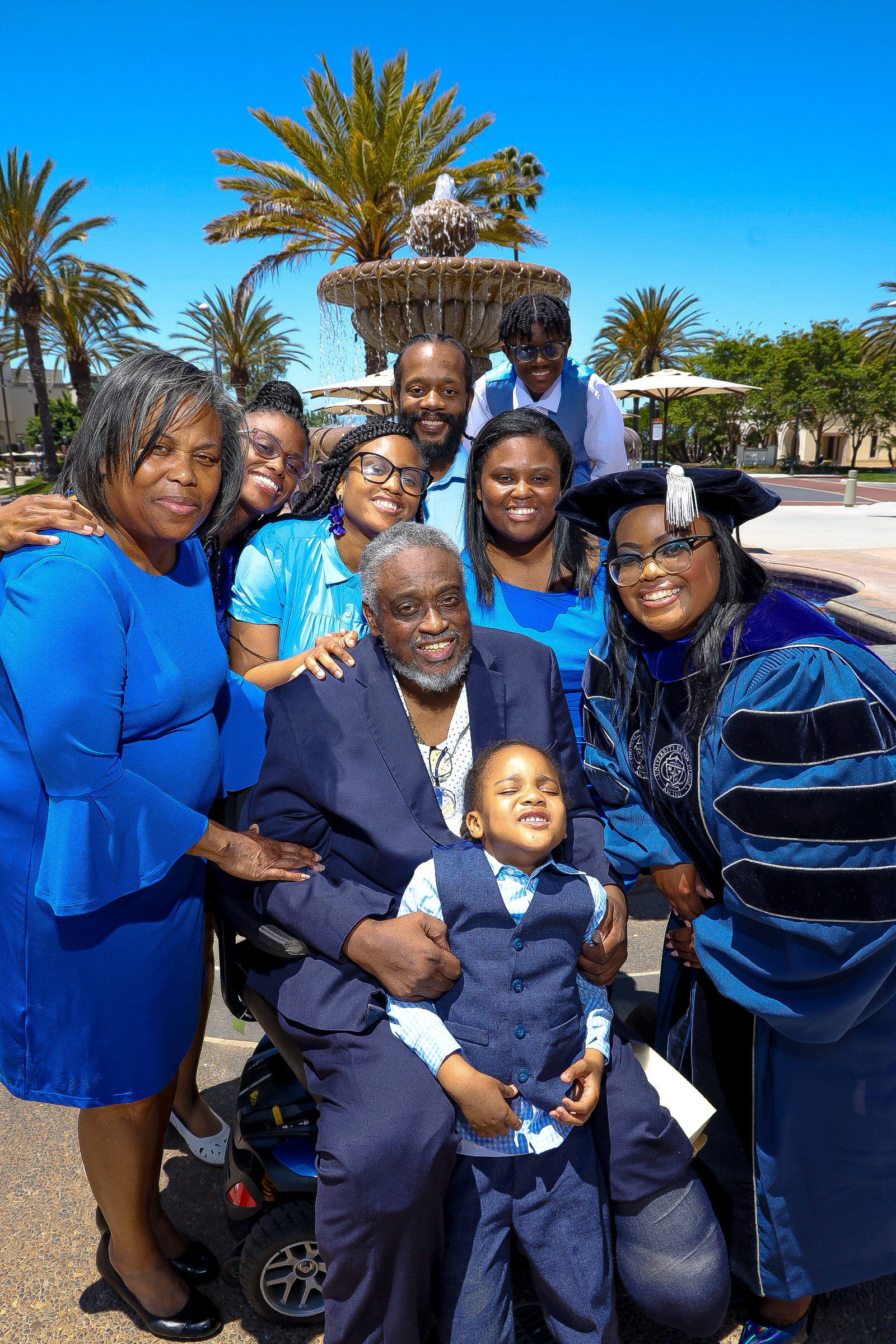
From Gary to Graduate
 In Faith and Belonging,
Leadership Coach, Learning & Organizational Development Professional, Racial Equity Advocate, Leadership & Management Professor, Founder of GRAYT SOLUTIONS, & Proud Gary Native
A Note on Copyright- This blog is the intellectual property of Dr. VinSché Gray. It is not to be reproduced, redistributed, or claimed by any other entity or individual without express written consent.