

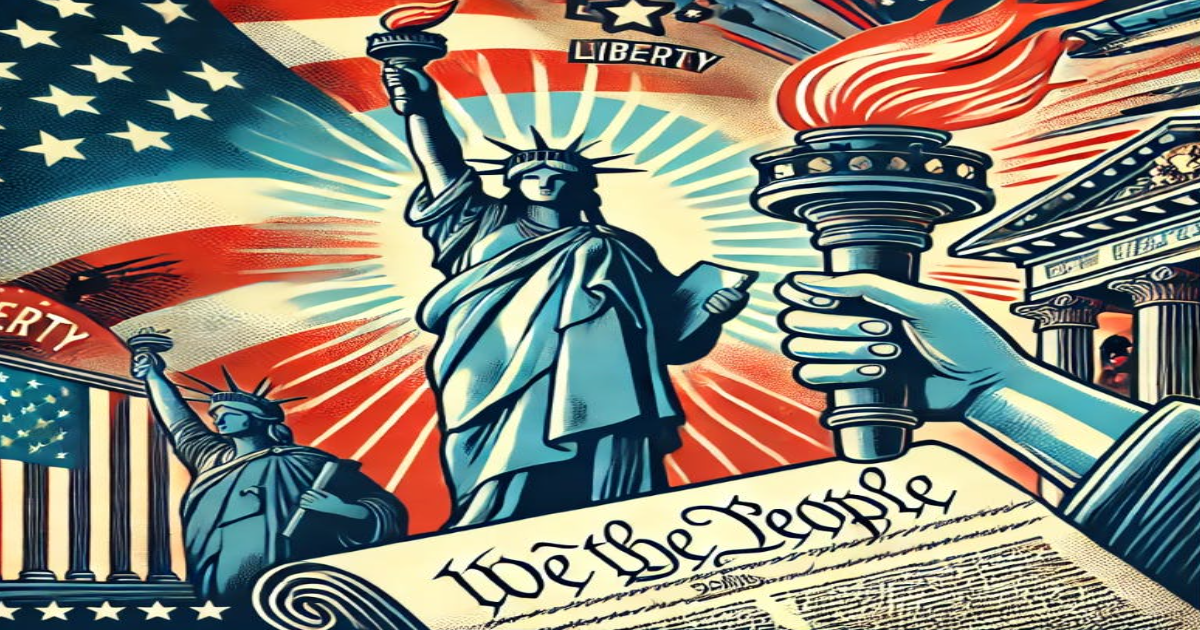
Liberty stands as one of the most cherished principles in American political values. It represents the core of what it means to be a free society, where individuals have the autonomy to make choices, express their beliefs, and pursue their own paths without undue interference. In this first chapter, we delve into the concept of liberty, its historical significance, and its crucial role in shaping political values in the United States.
The Essence of Liberty
Liberty is often defined as the state of being free within society from oppressive restrictions imposed by authority on one's way of life, behavior, or political views. It encompasses both negative liberty, which is freedom from external constraints, and positive liberty, which is the capacity to act upon one's free will. Together, these dimensions of liberty ensure that individuals can live their lives as they choose, within the framework of a just and equitable society.
Historical Significance
The concept of liberty has deep roots in American history. The founding fathers enshrined it in the Declaration of Independence, stating that all men are endowed with certain unalienable rights, including life, liberty, and the pursuit of happiness. This declaration set the stage for the American Revolution, a fight for independence from British rule and a quest for self-governance.
The Constitution further solidified liberty's place in American political values. The Bill of Rights, the first ten amendments to the Constitution, explicitly protects various liberties, such as freedom of speech, religion, and the press, as well as the right to assemble and petition the government. These protections ensure that individuals have the space to express themselves and participate in the democratic process.
Liberty in Modern Political Values
In contemporary society, liberty continues to be a foundational principle in American political values. It influences debates on a wide range of issues, from free speech and privacy to economic freedom and civil rights. Understanding the nuances of liberty is essential for navigating these complex discussions.
Free Speech and Expression: The First Amendment guarantees freedom of speech, allowing individuals to express their opinions without fear of government retaliation. This liberty is fundamental to a vibrant democracy, enabling open discourse and the exchange of ideas.
Privacy and Personal Autonomy: The right to privacy is a crucial aspect of liberty, protecting individuals from unwarranted government intrusion into their personal lives. This includes issues like surveillance, data protection, and reproductive rights.
Economic Freedom: Economic liberty involves the freedom to choose one's occupation, start a business, and engage in trade. It is essential for innovation and prosperity, providing individuals with opportunities to improve their circumstances.
Civil Rights: Liberty is at the heart of the civil rights movement, advocating for the equal treatment of all individuals regardless of race, gender, or other characteristics. Ensuring that everyone enjoys the same freedoms is vital for a just society.
Challenges to Liberty
Despite its importance, liberty faces numerous challenges. Balancing individual freedoms with the collective good is a constant struggle. For instance, the need to maintain public order can sometimes conflict with personal liberties. Additionally, advances in technology and changes in societal norms continuously reshape the landscape of liberty.
Moreover, liberty is not absolute. It comes with responsibilities and limitations. The freedom to swing one's fist ends where another's nose begins. Ensuring that liberty does not infringe upon the rights of others is a delicate task that requires vigilant governance and an engaged citizenry.
The Role of Education and Awareness
To preserve and promote liberty, education and awareness are paramount. Citizens must understand their rights and the principles that underpin them. Civic education plays a crucial role in this regard, teaching individuals about their freedoms and responsibilities in a democratic society.
Awareness also involves staying informed about current events and participating in civic life. By engaging in public discourse, voting, and advocating for policies that protect liberty, individuals can help safeguard this precious value.
Conclusion
Liberty is more than a political concept; it is a way of life that defines the American experience. By understanding its historical roots, modern implications, and the challenges it faces, we can better appreciate its importance in shaping political values. As we navigate the complexities of contemporary society, let us remain committed to the principles of liberty, ensuring that it continues to be a guiding light for future generations.
Continue to Chapter 2 ➡️Equality in Political Values