
Easter 2026 & Palm Sunday / English Lesson!
🌿 Easter 2026 & Palm Sunday – Complete English Lesson
🕊️ 1. Warm‑up Discussion
What traditions do people follow on Palm Sunday in your country
What symbols do you associate with Easter
Do you prefer religious, cultural, or family aspects of the holiday
🌿 2. Vocabulary: Easter & Palm Sunday
✨ Key Vocabulary
Word / Phrase Meaning
Palm branch: A leaf used to celebrate Jesus’ entry into Jerusalem
Holy Week: The week before Easter.
Resurrection: Coming back to life (central Easter theme)
Procession: A group of people walking together for a ceremony
Blessing: A prayer asking for divine help.
Lent: 40 days before Easter.
Fasting: Not eating certain foods for religious reasons.
Easter basket: A decorated basket with treats.
Easter egg hunt: A game where children search for hidden eggs.
Hot cross bun: A sweet bun eaten on Good Friday.
Willow branches: Used in Central/Eastern Europe instead of palms.
Paschal candle: A large candle lit during Easter services
📝 Vocabulary Tasks
Task 1: Match the words to the definitions
Resurrection
Procession
Lent
Easter egg hunt
Blessing
a. A ceremonial walk
b. A prayer for protection
c. A game where children look for hidden objects
d. A period of preparation before Easter
e. Returning to life
Task 2: Fill in the gaps
Use: procession, willow branches, fasting, Holy Week, Easter basket
In Poland, people often bring __________ to church on Palm Sunday.
__________ begins with Palm Sunday and ends with Easter Sunday.
Many Christians practise __________ during Lent.
Children love receiving an __________ full of sweets.
The Palm Sunday __________ moved slowly through the streets.
Task 3: Vocabulary Expansion
Write three collocations with each word:
Easter
Palm
Blessing
Example: Easter Sunday, Easter meal, Easter traditions
📘 3. Grammar Focus: Reported Questions (Easter Edition)
🔍 Explanation:
When we report a question:
We change the word order to a statement
We remove the question mark
We use asked + if/whether for yes/no questions
We keep question words (why, where, when, who…)
We shift tenses back if the reporting verb is in the past
Examples
Direct: “Why do people decorate eggs?” Reported: She asked why people decorated eggs.
Direct: “Are you going to church on Easter Sunday?” Reported: He asked if I was going to church on Easter Sunday.
🧩 Grammar Tasks
Task 1: Change to reported questions
“Do you celebrate Palm Sunday?” →
“Why are people carrying branches?” →
“Will you bake a cake for Easter?” →
“What time does the Easter service start?” →
“Are children allowed to join the procession?” →
Task 2: Choose the correct option
She asked me (if / why) I was going to the Easter market.
They asked (where / do) the priest blessed the baskets.
He asked (if / what) Lent meant.
We asked (why / do) people fast.
She asked (if / who) would hide the Easter eggs.
Task 3: Correct the mistakes
She asked why did people decorate eggs.
He asked if was I going to church.
They asked what time does the procession start.
We asked if will he join us.
She asked where is the Easter market.
Task 4: Complete the reported questions
He asked __________ (why / people / celebrate Easter).
They asked __________ (if / the shops / be open / on Easter Monday).
She asked __________ (where / we / hide / the eggs).
We asked __________ (if / he / join / the procession).
The children asked __________ (what / be / inside / the basket).
Task 5: Transform the mini-dialogue
Write the reported version.
A: “Are you preparing anything special for Palm Sunday?” B: “Yes, I’m making a traditional palm.”
Reported: She asked… He replied…
📖 4. Reading Text
🌸 Reading: “Palm Sunday and Easter Traditions Around the World”
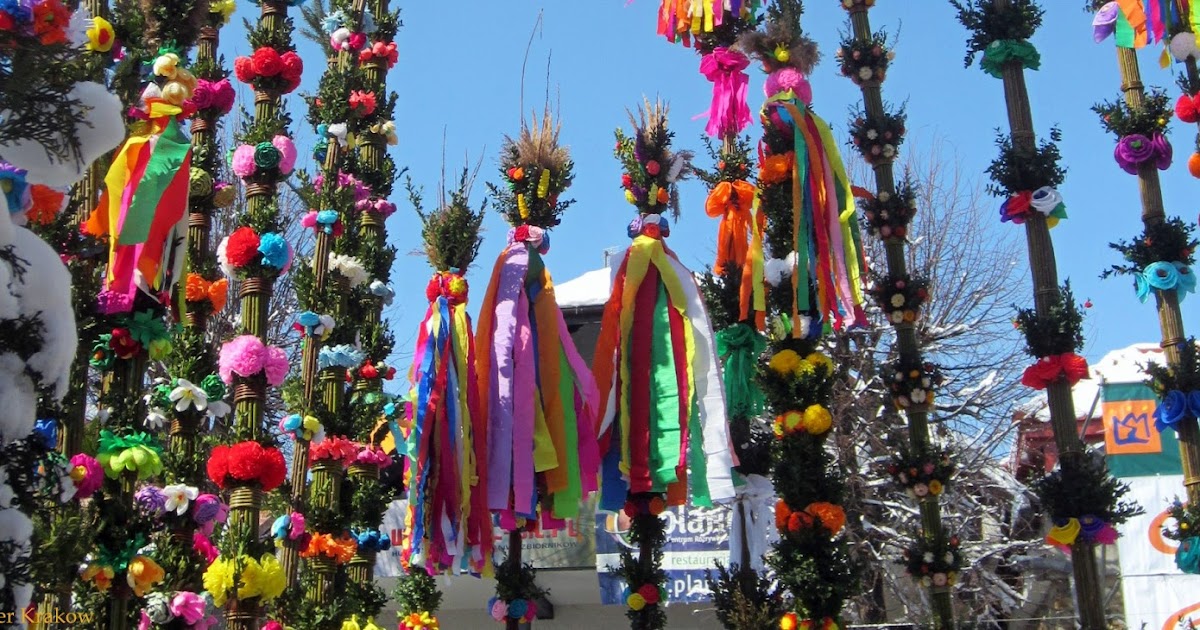
Palm Sunday marks the beginning of Holy Week and commemorates Jesus’ entry into Jerusalem. According to tradition, people welcomed him by waving palm branches and laying them on the road. In many countries, this moment is remembered with colourful processions, singing, and the blessing of palms. In Central and Eastern Europe, where palm trees do not grow, people use willow branches or beautifully decorated “palms” made of dried flowers and ribbons.
Throughout Holy Week, families prepare for Easter by cleaning their homes, baking traditional foods, and attending church services. Good Friday is often a quiet, reflective day, while Holy Saturday is filled with anticipation. In many cultures, people bring baskets of food to be blessed, symbolising gratitude and the end of fasting.
Easter Sunday is the most joyful day of the Christian calendar. It celebrates the resurrection of Jesus and the triumph of life over death. Families gather for festive meals, children take part in egg hunts, and communities organise outdoor events. Although customs vary from country to country, the themes of renewal, hope, and togetherness remain universal.
📘 Reading TASKS
Task 1: True or False
Palm Sunday is the end of Holy Week.
In some countries, people use willow branches instead of palms.
Good Friday is usually a loud and festive day.
Easter Sunday celebrates the resurrection.
All countries celebrate Easter in the same way.
Task 2: Answer the questions
Why do people carry palm or willow branches
What do families do during Holy Week
What happens on Holy Saturday
Why is Easter Sunday considered joyful
What themes are common across different Easter traditions
Task 3: Vocabulary in context
Find words in the text that mean:
A group of people walking together for a ceremony
A feeling of excitement before something happens
A period of quiet thinking
A celebration of new beginnings
A tradition of giving thanks
✍️ 5. Writing Task
Write a 150–180-word text:
“How my family celebrates Palm Sunday and Easter”
Include:
traditions
food
symbols
personal feelings
comparisons with other countries
🗣️ 6. Speaking Questions
What Easter traditions do you enjoy the most
How do Palm Sunday celebrations differ in your region
Do you prefer modern or traditional customs
How important is the religious aspect of Easter for you
What new Easter tradition would you introduce for your family
🌼 Before we wrap up today’s exciting lesson, we have a little surprise for you! To celebrate your progress and keep the momentum going, we’re offering an exclusive 30% discount on our courses.
Use the discount code SPRING30 /valid till April 3rd, 2026/ when signing up for any of the following courses:
👉 https://buymeacoffee.com/ursulastein/e/399958
https://buymeacoffee.com/ursulastein/e/144463
It’s our way of saying thank you for learning with us and encouraging you to take the next step on your language journey. Enjoy the spring boost!
📩 Gotowy, by rozpocząć swoją językową przygodę? Napisz do nas: [email protected]
📱 WhatsApp: +48 880 086 777
Razem osiągniemy Twój językowy sukces.