

Before history learned to write itself down, before gods needed temples to feel real, there were dragons.
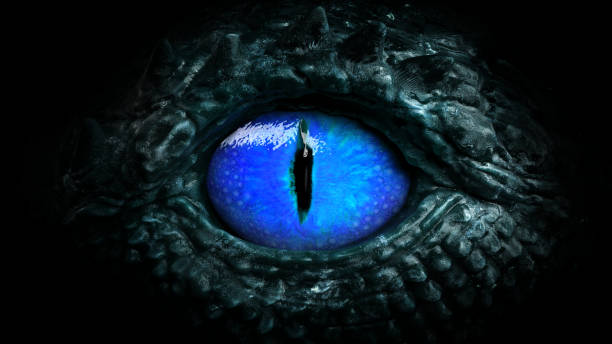
Not the ornamental beasts carved into castle stone or stitched onto banners, those are echoes. The true dragons were older than crowns, older than war as we know it. They did not hoard gold because they loved wealth. They hoarded memory, time, secrets that would burn the tongues of kings if spoken aloud.
And once, briefly, dangerously, humans were allowed to listen.
Ancient texts hint at it, though they pretend not to. Sumerian tablets speak of fire serpents who taught the first astronomers to count the sky. Chinese chronicles describe lung dragons who ruled rainfall not by magic, but by understanding the deep mechanics of the world. In the North, sagas whisper that dragons were not slain because they were evil, but because they knew too much.
Here is the part most people miss.
Dragons did not disappear.
They withdrew.
Because something in us changed.
We stopped asking the right questions.
The Dragon’s Bargain
Every legend agrees on one thing, dragons never gave knowledge freely.
You did not find a dragon.
You were tested by one.
Riddles, trials, long silences meant to see if you would walk away. Those who wanted power failed quickly. Those who wanted gold failed faster. But the rare few, scribes, star watchers, builders of impossible things, were allowed to stay.
And when they returned, they returned altered.
They built cities aligned to stars.
They encoded mathematics into myth.
They wrote stories that still wake something in your chest when you read them today.
That ache you feel when you hear an old legend, that is recognition.
Dragons were never beasts of fire alone. They were curators of continuity. They remembered who we were supposed to become.
And they judged us when we forgot.
Why Dragon Stories Still Work
Think about it.
Empires have fallen. Religions have fractured. Languages have died. Yet dragons remain, unchanged, undefeated, endlessly compelling.
Why.
Because dragons sit at the intersection of three human hungers.
Power without corruption.
Wisdom without submission.
Danger that transforms instead of destroys.
Dragons are what happens when intelligence becomes ancient enough to be terrifying.
We do not love them because they breathe fire.
We love them because they see through us.
That is why modern stories keep resurrecting them, fantasy novels, films, games, tattoos etched into skin like oaths. We are not nostalgic.
We are searching.
The Quiet Truth No One Markets
Here is the truth that does not fit neatly on a bookshelf.
The age of dragons ends in stories, because the age of listeners ended in reality.
But some people still hear the low vibration beneath myth. They feel that certain stories are not entertainment, they are keys. That symbols matter. That the past is not dead, only layered.
Those people do not want more content.
They want continuity.
They want to belong to something that does not beg for attention, does not shout, does not chase trends, but waits patiently, like a dragon under a mountain, knowing the right ones will come.
If You Are Still Reading, This Part Is For You
Dragons never called crowds.
They called individuals.
If this stirred something in you, if you felt that strange mix of awe and unease, that is not an accident. It is the same response ancient storytellers designed into their myths so the wrong people would lose interest early.
What comes next is not louder. It is deeper.
For those who want to explore forgotten symbols, ancient power structures, mythic intelligence, and ideas that refuse to die quietly, I write for that edge. Not to persuade. Not to convince.
To remember.
No banners. No begging.
Just a steady fire for those who choose to draw closer.
The old legends say dragons are patient.
So am I.