

Lisbon is regarded as the transportation hub of Portugal. At Lisbon, a network of railways and roadways converges. Within the city, public transit options include electric trams, trains, buses and, oddly enough, a complete system of elavadors (cable-operated trams). The Elavador de Santa Justa is a cast-iron structure that rises vertically to 148 feet.
Seven corrugated hills shape the city. Lisbon's lowest point is the shoreline area, home to the Alfama district. Among the few in the city that survived the 1755 earthquake, this district is characterized by twisting small lanes and intriguing medieval structures.
Another quarter, Baixa, was rebuilt following the 1755 earthquake but retained the finest examples of 18th-century architecture and atmosphere. Likewise, the steep Bairro Alto district, with its lush gardens and small villages, is abundant in a 17th-century setting.
Lisbon has a population of approximately 600,000 within the city limits. Around two million people live in the Lisbon metropolitan region, encompassing both sides of the Tejo River.
The area experiences short winters and lengthy summers, with temperatures rarely exceeding 84 degrees Fahrenheit. December to March is the rainy season, with most precipitation in drizzles or light showers.
Lisbon and its environs offer visitors a varied range of encounters. There are many sandy beaches in the vicinity. The city's many street cafes entice guests with authentic meals.
Adjacent fishing towns provide a realistic representation of life in an operating seaport. Naturally, the city has modern shops and many cultural activities. The deep foliage that conceals mysterious royal mansions in the area north of Lisbon, on the other hand, cannot be missed.
The Praca do Comercio is the city's primary sea entry. It was constructed on the foundations of a 400-year-old palace. Other unusual historical sites in the city are Saint George Castle, Jeronimos Monastery and the Tower of Belem.
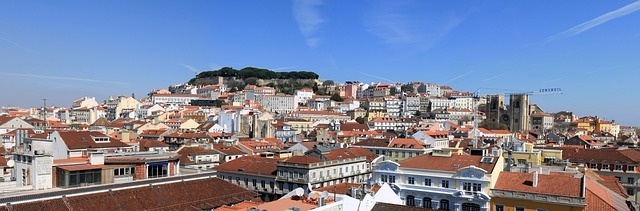
Image by Pedro Grão from Pixabay
Saint George Castle is perched atop Lisbon's highest peak. It was an ancient fortification that the Moors took in 1147. The castle itself dates back to the fifth century A.D. The views from the castle are spectacular. Locals and tourists alike appreciate the tranquility and breathtaking views of the city and riverfront surroundings.
The Monastery of Jeronimos was founded in 1498 as a memorial to Vasco de Gama, a 15th-century Portuguese navigator. Many sailors would worship at the chapel before setting sail. The monastery is lavishly decorated with stone statues of sea monsters, nautical symbols and vibrantly colored tiles.
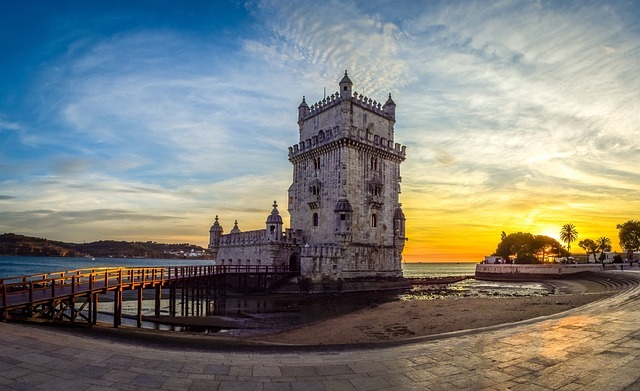
Image by António Francisco Calado from Pixabay
Built-in 1521, the Tower of Belem towers above a chain of forts that originally safeguarded the riverfront area. Currently, the Tejo River is crossed by two bridges. The 25th of April Bridge was constructed in 1966, while the Vasco de Gama Bridge was constructed in 1998. Today's Lisboetas or residents of Lisbon are less concerned with fortifying their city than they are with mobility.
As it establishes itself as a significant metropolis in the European Union, Lisbon continues to commemorate its illustrious past and eagerly anticipates its future destiny.