

NEW SOCIAL MEDIA LAUNCHED - SIGN UP NOW
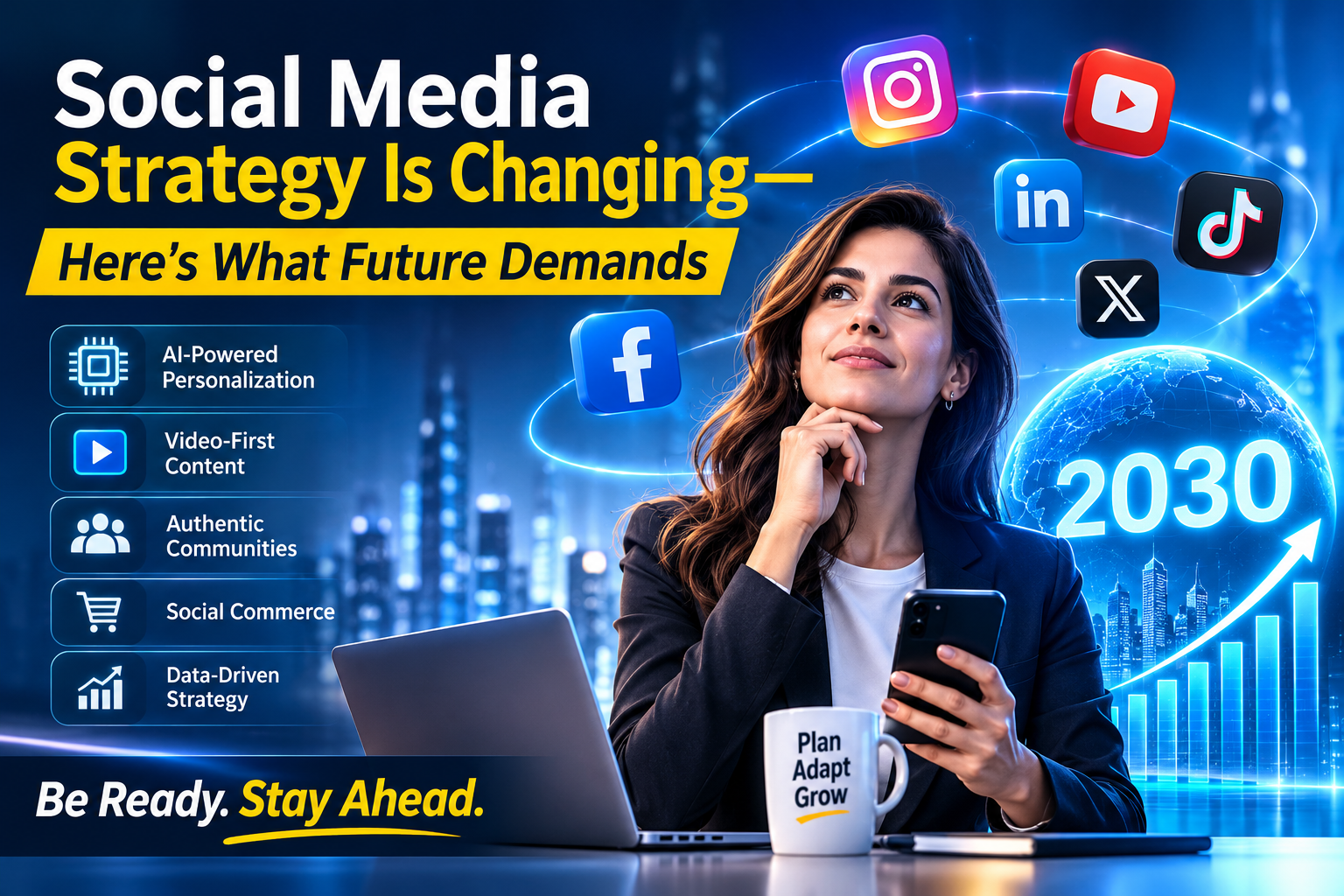
The future of social media marketing will belong to brands and creators who combine artificial intelligence, authentic storytelling, community building, and data-driven strategies.
Social media is evolving faster than ever. What once revolved around posting attractive images, collecting likes, and gaining followers is transforming into a sophisticated digital business ecosystem. By Future, success will depend less on audience size and more on audience trust, meaningful engagement, strategic content distribution, and measurable business outcomes.
For businesses, entrepreneurs, influencers, and digital marketers, adapting today is no longer optional. It is a competitive advantage.
1. How Is Social Media Strategy Changing?
The next generation of social media marketing will be driven by five major developments:
AI-Powered Content Creation: Artificial intelligence will help marketers research audiences, generate content ideas, personalize campaigns, and optimize publishing schedules.
Authenticity Over Virality: Audiences will increasingly value genuine experiences, credible recommendations, and transparent brand communication.
Video-First Storytelling: Short-form videos, interactive livestreams, and immersive content will remain powerful tools for audience engagement.
Community-Led Marketing: Private groups, niche communities, and meaningful conversations will become valuable business assets.
Social Commerce: Platforms will increasingly connect content discovery with product research, purchasing, and customer support.
The winning strategy will combine automation with human creativity rather than replacing authentic communication with technology.
2. Why Must Businesses Prepare for Future?
Consumer behaviour, digital advertising, and content discovery are changing. Traditional strategies built around follower counts and repetitive promotional posts may deliver diminishing returns.
Businesses must prepare because:
Competition for digital attention is increasing.
AI is accelerating content production and marketing innovation.
Customers expect personalized experiences.
Search behaviour is expanding across social platforms.
Brand credibility and customer relationships influence purchasing decisions.
Companies that adapt early can strengthen their visibility, build loyal communities, and create sustainable digital revenue opportunities.
3. Advantages of Future-Ready Social Media Marketing
A modern social media strategy offers several advantages:
Greater Brand Visibility: Consistent, optimized content improves opportunities for discovery.
Higher Customer Engagement: Interactive storytelling encourages meaningful conversations.
Cost-Effective Marketing: Strategic organic content can complement paid advertising.
Better Customer Insights: Analytics reveal audience interests, preferences, and purchasing behaviour.
Stronger Brand Loyalty: Communities create lasting relationships beyond individual transactions.
Scalable Operations: AI-powered workflows help businesses manage content more efficiently.
4. Earning Potential: Turning Social Media Into a Business
In Future, social media monetization will offer opportunities across multiple revenue streams.
Potential income sources include:
Influencer Marketing: Paid brand collaborations and sponsored campaigns.
Affiliate Marketing: Commissions from product and service recommendations.
Digital Products: Online courses, e-books, templates, and subscriptions.
Social Commerce: Direct sales through social platforms.
Consulting Services: Social media management, marketing strategy, and content development.
Community Monetization: Premium memberships and exclusive content.
Earning potential depends on audience quality, niche selection, trust, conversion rates, and monetization skills. There is no guaranteed income, but creators and businesses with strong positioning can build multiple revenue channels.
5. What Should Your Future Strategy Look Like?
Start building your competitive advantage today:
Develop a recognizable brand identity.
Publish educational, entertaining, and problem-solving content.
Use AI responsibly to improve productivity.
Prioritize audience relationships over vanity metrics.
Diversify across relevant social platforms.
Build an independent website and email audience.
Track conversions, revenue, engagement, and customer retention.
Conclusion: The Future Belongs to Strategic Creators
Social media in Future will not simply reward those who post more frequently. It will reward those who understand their audiences, deliver genuine value, embrace emerging technology, and build trusted digital communities.
The opportunity is significant, but preparation must begin now. Businesses and creators who combine human creativity with intelligent automation will be better positioned to transform digital attention into long-term influence and sustainable revenue.
The question is no longer whether social media will change. It is whether your strategy will evolve quickly enough to lead that change.
Frequently Asked Questions (FAQs)
Q1. What will social media marketing look like in future?
It will become more AI-driven, personalized, community-focused, video-oriented, and commerce-integrated.
Q2. Will AI replace social media marketers?
AI will automate repetitive tasks, but human creativity, strategic thinking, emotional intelligence, and brand storytelling will remain essential.
Q3. Which social media platforms will be important in future?
Instagram, YouTube, LinkedIn, TikTok (where available), and emerging digital platforms may offer opportunities depending on audience demographics and business objectives.
Q4. Can beginners earn money through social media?
Yes. Beginners can explore affiliate marketing, content creation, freelancing, digital products, and brand partnerships by developing expertise and building audience trust.
Q5. What is the most important social media skill for future?
The ability to combine AI literacy, compelling storytelling, audience understanding, data analytics, and strategic brand building.
✦❖✦ ━━━━━━━━━━━━━ ✦❖✦ ✦❖✦ ━━━━━━━━━━━━━ ✦❖✦ ✦❖✦ ━━━━━━━━━━━━━ ✦❖✦ ✦❖✦ ━━━━━━━━━━━━━ ✦❖✦
Are You Interested In Making Career In Trading
Gamma exposure (GEX)
When you buy or sell options, someone has to take the other side. That someone is usually a market maker, who doesn't want to bet on direction, so they hedge by buying or selling the underlying (futures, in NIFTY's case).
Gamma measures how fast an option's sensitivity to price changes as the market moves. GEX adds this up across all strikes to estimate how much hedging dealers will have to do as price moves.
Positive GEX: Dealers hedge against the move. They sell rallies and buy dips. This tends to calm the market, so expect smaller swings and range-bound action.
Negative GEX: Dealers hedge with the move. They sell as price falls and buy as it rises. This tends to amplify moves, so expect bigger swings and trends.
The gamma flip is the level where total GEX crosses from positive to negative. Think of it as the line between "calm zone" and "choppy zone."
One caveat: nobody outside the dealers knows their real positions. Every GEX chart is an estimate built from open interest plus assumptions about who is long or short.
Max pain
Max pain is the strike price at which the largest number of option buyers would lose money at expiry (equivalently, where option writers pay out the least). It's calculated from open interest at each strike.
The idea is that price tends to drift toward that strike near expiry. The evidence for this is mixed, so treat it as a reference level, not a magnet you can rely on.
Practice Paper Trading Sign Up Program Free Here
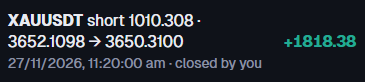
FEW PROOF OF INCOME
5-step checklist before a NIFTY trade
Check the data. Confirm which expiry the chart covers, that the open interest is fresh (today's, not yesterday's), and what assumptions the source uses.
Place spot vs. the gamma flip. Spot above the flip suggests a calmer, mean-reverting regime. Below it suggests a more volatile, trending one.
Mark the key strikes. Large positive-GEX strikes often act as walls or pins where price stalls. Zones of negative GEX are where moves can accelerate.
Cross-check with other tools. Compare against max pain, change in OI, India VIX, the futures trend, and plain price action. Remember gamma effects get stronger as expiry approaches.
Plan the trade and the exit. Choose a strategy that fits the regime (range-style trades in positive GEX, more caution or wider stops in negative GEX). Set your invalidation level and position size before entering, and re-check during the day, since the profile shifts as spot and OI change.
3 beginner mistakes
Treating GEX as a prediction. It describes how dealer hedging might behave, not where price will go. Use it as context, not a signal.
Using stale or mismatched data. Yesterday's OI, or an expiry that doesn't match your trade, can give a completely misleading profile. GEX can look very different intraday.
Trusting one indicator without risk control. Betting that price will "pin" to max pain or a GEX wall, with no stop-loss, is how small losses become big ones. Levels fail, especially on event days.