

In times of political unrest and social dissatisfaction, protests emerge as a powerful tool for citizens to express grievances and demand change. However, the methods and dynamics of protests can differ widely, each carrying its own risks, advantages, and implications for democratic engagement.
The Risks of Protest Walks and Public Demonstrations
Protest walks—marches and physical demonstrations—are among the most visible forms of civil disobedience. Yet, they carry significant risks:
Violence and Escalation: Protest walks can quickly spiral into violence, leading to injuries or fatalities among protesters, law enforcement, and bystanders. In many cases, governments respond with force, escalating tensions and possibly militarizing the situation.
Lack of Unified Opposition: Protest movements often consist of diverse groups with differing objectives. This lack of cohesion and leadership can hinder the development of a unified message or strategy, weakening the movement’s impact.
Difficulty in Presenting Clear Alternatives: Protests often highlight problems without offering coherent solutions. Many socio-political issues are complex, and articulating a viable alternative vision remains a formidable challenge for many movements.
The Political Exploitation of Protest Walks
While protests can originate from genuine discontent, they can also become tools in the hands of opposition political parties:
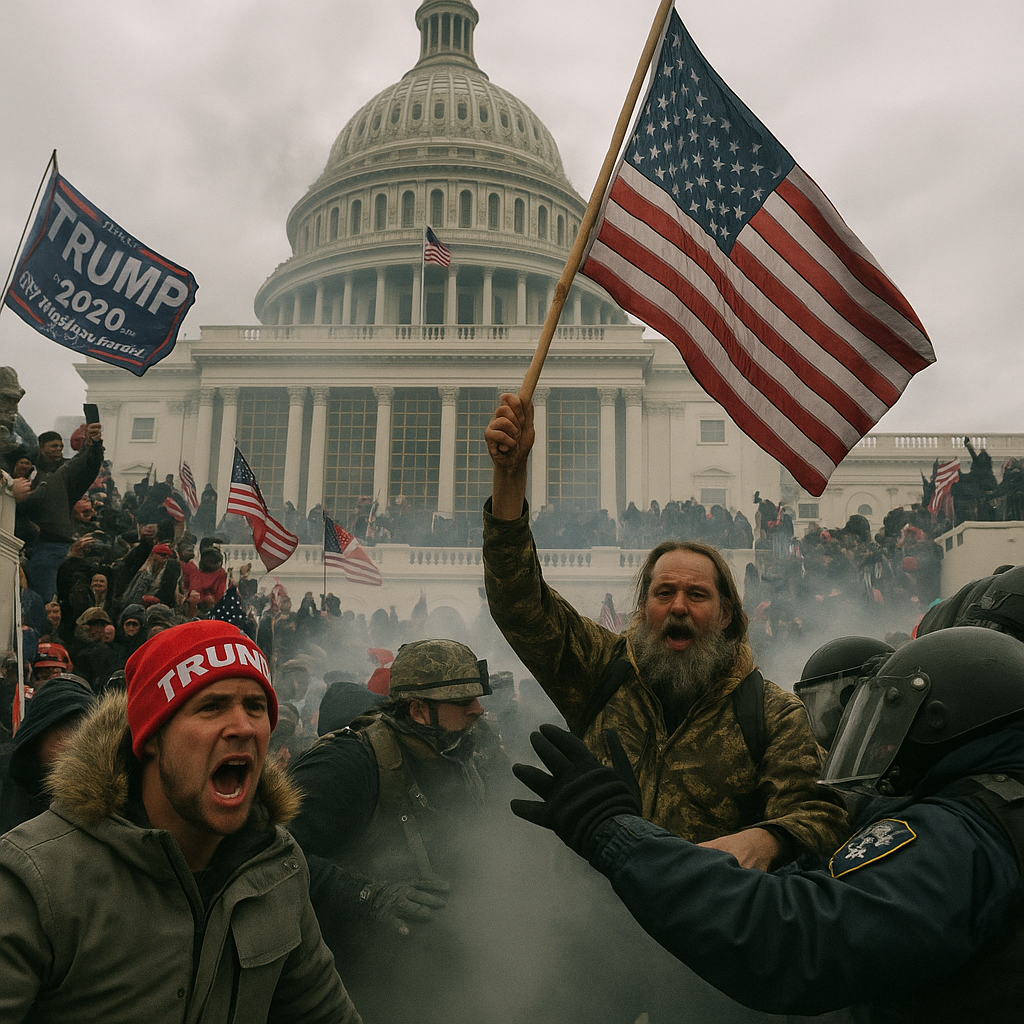
Exploiting Emotional Sentiment: Opposition parties often use protests to harness public frustration for their own political agendas. By delivering impassioned speeches at rallies, they redirect attention from the core issues to political attacks.
Manipulating Narratives: Some opposition groups may exaggerate or distort protest narratives to gain sympathy and support. This manipulation can lead to further polarization within the nation.
Protests as Political Power Plays: Opposition parties sometimes use mass protests to challenge the legitimacy of the ruling government. Through chaos and public unrest, they attempt to showcase their strength and undermine state authority.
Undermining Genuine Movements: Perhaps the most damaging consequence of political hijacking is the erosion of the original protest’s credibility. When political motives overshadow the cause, genuine movements risk being discredited or splintered.
Sit-at-Home Orders: A Safer and More Strategic Alternative
In contrast to the visible and often volatile nature of protest walks, sit-at-home orders (or general strikes) offer a safer and potentially more impactful form of civil disobedience. These involve citizens voluntarily refraining from work, school, and economic activity as a form of protest.
Benefits of Sit-at-Home Orders
Economic Disruption: These strikes can halt key economic functions, creating financial pressure that often compels governments to negotiate or respond.
Wider Participation: Unlike street protests, sit-at-home actions allow broader participation, including those who are elderly, disabled, or afraid of violence.
Media Attention and Visibility: The silence and stillness of a city-wide shutdown can draw national and international media attention, further amplifying the protest’s demands.
Case Study: Catalonia’s 2017 General Strike
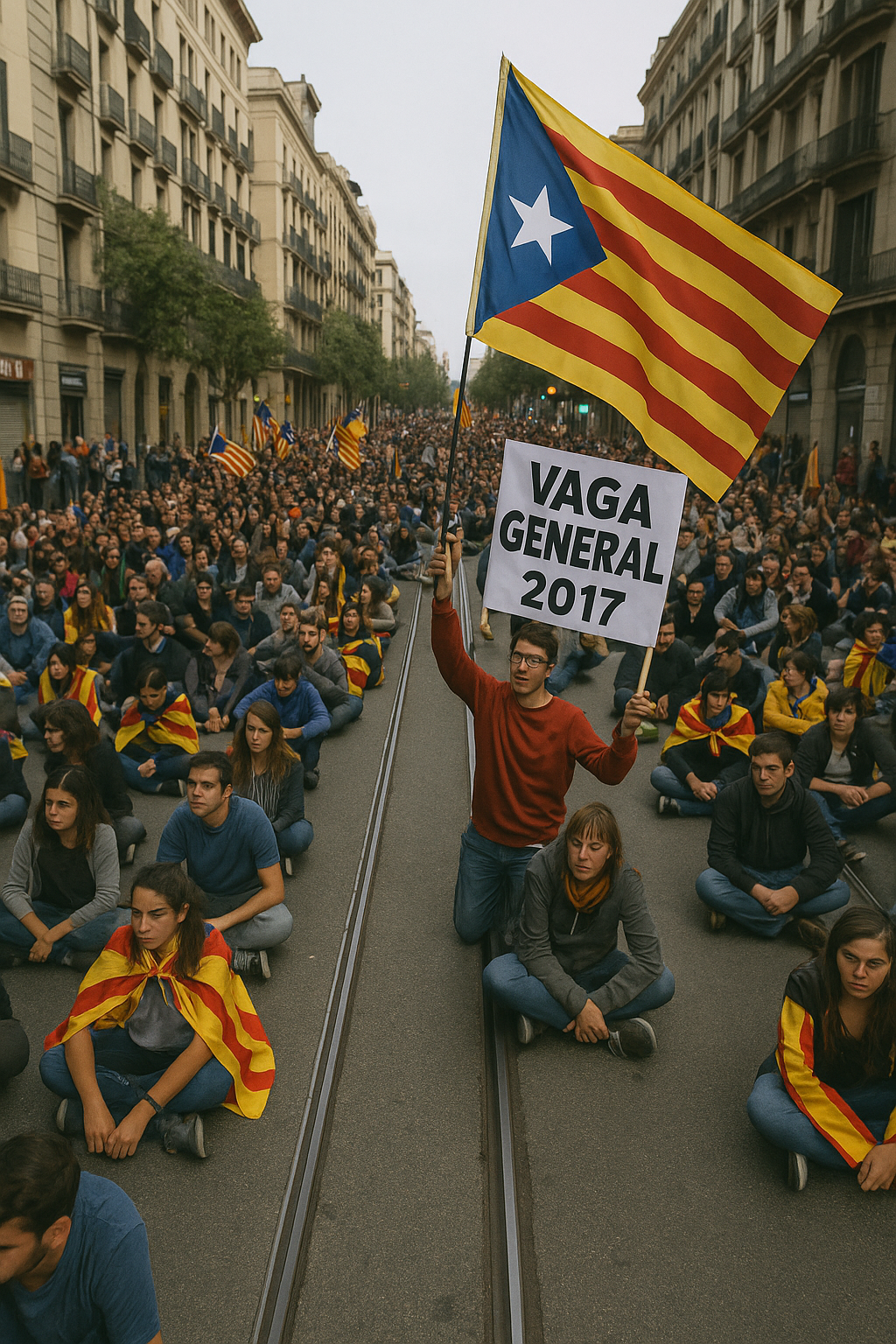
A compelling example is the 2017 general strike in Catalonia, Spain. In response to the Spanish government’s attempts to suppress the independence movement, Catalans launched a large-scale sit-at-home protest. The strike caused massive economic disruption, halted public transport, and drew global attention—eventually forcing the Spanish government into dialogue with regional leaders.
While protest walks remain an important symbol of democratic engagement, they are fraught with risks—especially when manipulated by political actors. On the other hand, sit-at-home orders present a safer, more inclusive, and often more effective strategy for civic resistance. By leveraging economic pressure and ensuring broad participation, these strikes can force government response without the risks of violence, co-optation, or chaos.
In an era where protest movements face increasing threats from both state repression and political exploitation, strategic civil disobedience—like general strikes—may offer the most promising path forward.
For more, Click The Link Below To Check Out My Article: