
There’s one overlooked factor I see time and time again in my therapy practice - especially with clients dealing with anxiety, DPDR (depersonalization-derealization), and OCD. It’s light. More specifically, blue light - and how we’re getting it at the wrong times.
To start with: Here's a video I made on the topic https://www.instagram.com/p/DLwEgROTrcz/ but please keep reading for MUCH more info below....
I should quickly mention before we get started on the sleep/anxiety part - blue light blocking glasses helped me so much with anxiety, OCD, ADHD and feeling less spacey - especially in fluorescent environments like shops.
But getting into it- Blue light is NATURAL. It comes from the sun, and it’s not inherently “bad.” In fact, it plays an important biological role. When you wake up and go outside into natural daylight, blue light triggers a mild cortisol response - the exact burst of energy and alertness your body needs to get up and do things. That’s a good thing… in the morning.
But at night?
Blue light in the evening - from overhead LEDs, your phone screen, your TV, your laptop - sends a confusing signal to your brain that it’s go time, not wind-down time. This disrupts melatonin production and can lead to restlessness, overstimulation, cortisol spikes, sleep disturbance, and increased anxiety.
And if you already live with DPDR, this stimulation can push your nervous system even further into overwhelm.
💡 Why Light Environment Matters More Than You Think
Light isn’t just for vision. It’s information.
Your brain literally takes cues from your light environment about whether it’s time to be alert or time to sleep, whether you’re safe or at risk. The retina communicates directly with the hypothalamus (your brain’s master clock), regulating circadian rhythms, hormone release, and emotional states.
I’ve had clients who made major progress in their anxiety and DPDR recovery just by becoming aware of their evening light exposure.
Here’s what blue light does when mistimed:
Effect of Blue Light at NightWhat It Means....
🚨 Increased cortisolMore stress, panic, anxiety
🌑 Decreased melatoninHarder to sleep and stay asleep
😵💫 Nervous system dysregulationMore DPDR symptoms, feeling wired but tired
🧠 Disrupted circadian rhythmBrain and body out of sync
📉 Poor sleep qualityLower resilience, higher emotional reactivity
🧪 Research & Evidence
A study in The Journal of Clinical Endocrinology & Metabolism found that blue light exposure at night suppresses melatonin production by more than twice as much as green light.
(Brainard et al., 2001)Harvard researchers reported that exposure to blue light at night shifted circadian rhythms by twice as much as green light and significantly reduced sleep quality.
(Harvard Health Publishing, 2012)A 2019 paper in Nature linked late-night light exposure to an increased risk of mood disorders, including anxiety and depression.
(Bedrosian & Nelson, 2019)
🔧 What I’ve Done (And Recommend to Clients)
I’ve found a few realistic, non-extreme ways to reduce evening blue light that make a huge difference, without turning my house into a cave or sacrificing things I enjoy (yes, I still like watching TV and reading on my Kindle at night - so what? I’m a modern woman, haha!).
🌆 From 3pm onwards:
I wear clear blue light filtering glasses - These help reduce cumulative stimulation through the afternoon.
I use these ones: Baxter Blue Georgie – Opal Tortoise or Kmart ones (sorry I don't have a link as they don't sell them anymore).
🌙 At night:
I swap to dark red-lensed glasses that block 100% of blue light.
These are my favourites: Red Light Hero HeroFilter 100 Fitover Glasses
Use code EMMA20 for 20% off (no commission for me - I'm just supporting a great local business).Sometimes I'll also use the Block Blue Light brand ones as well: 🔗 Fitover Blue Blocking Glasses – BlockBlueLight
Perfect for wearing over your regular glasses.
🕯 Lighting at home:
I’ve changed most of my bulbs to warm white or amber (especially in bedrooms and the bathroom).
I avoid bright overhead lights after sunset and use lamps or salt lamps instead.
I don’t use screens without glasses before bed, I'll use my on a low light setting Kindle or watch something light and calming with my brightness turned WAY down on my laptop.
🧠 Why This Helps DPDR Specifically
DPDR is the nervous system saying, “I’m overwhelmed - I need distance.” If you’re bathing your brain in blue light right up until bed, your nervous system doesn’t get a chance to downshift. This creates the perfect storm for more dissociation, more anxiety, and more disrupted sleep.
Calming your visual environment is one of the most underestimated but effective ways to tell your brain: “You’re safe. You can rest.”
🎯 Bottom Line
Light is not just a lifestyle tweak - it’s biology.
If you’ve been struggling with sleep, anxiety, DPDR, or even just feeling foggy or wired at night, start here. Shift your light environment first. You might be surprised how much your brain and body thank you.
Oh and remember to watch the video I made on my fave blue light blockers:
https://www.instagram.com/p/DLwEgROTrcz/
Have you tried changing your light environment? If so let me know below or over on our socials:
www.instagram.com/therapy_em_
www.tiktok.com/@therapy_em
BIG LOVE - Em
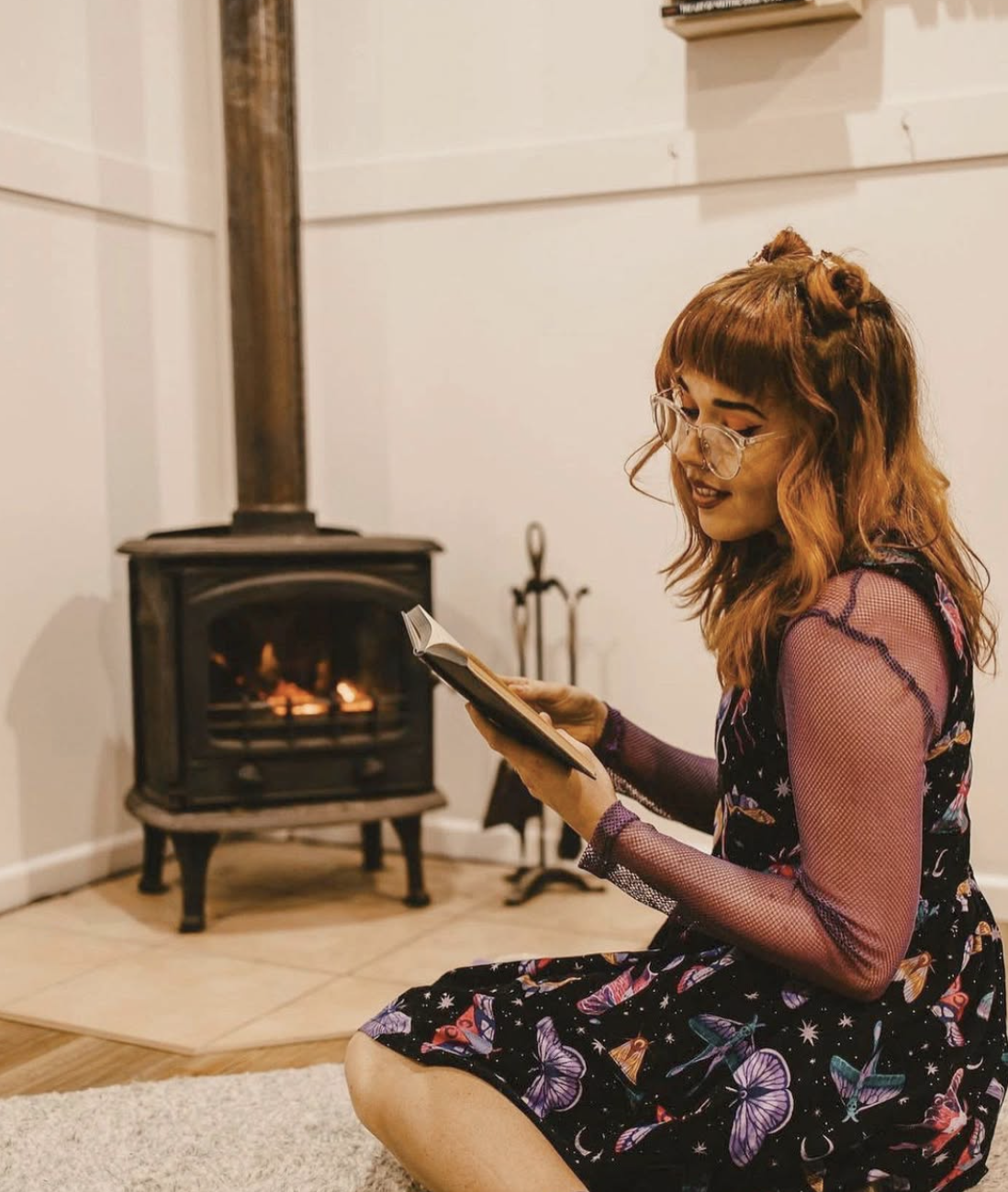
(Photo credit: Katelyn Neilsen)