

I adore the cinematography in Kin, particularly in the first few episodes of season 1 (directed by Diarmuid Goggins).
There's a voyeurism to many of the shots that place things like furniture, doors or windows in the foreground between the characters and the camera, creating distance between us and them – like we, the audience, are privy to family matters we shouldn't be seeing. There's a sense of intensity and a fight for control to the extreme edges of the frame the characters are painted into. And, as intense and powerful as the characters can feel, there is always the sense that the world is bigger than them. The characters are, ultimately, swallowed up by the world.
Read the post on Tumblr.
I think this is so clever because it feels like such a fresh way to shoot a show about gangsters, and it completely fits with many of Kin's themes. Throughout Kin, we see a fairly humanistic exploration of gang families and how difficult it can be for the characters to become free from the criminal endeavours they're surrounded by; once you dip your toe in the pond, you're sucked in. Events have a way of spiralling out of an individual's control, and actions have severe consequences that manifest like falling dominoes.
The world the characters inhabit is bigger than them; the house always wins. It doesn't matter that Mikey wants to stay clean to better his chances of seeing his daughter again, or that Amanda doesn't want her son having anything to do with the family's criminal activities. Even as they wrestle for control of their lives, it's made apparent that they're up against forces bigger than any of them. They are Kinsellas, they exist within this criminal world, and they will have to face the consequences of that.
But neither are these characters helpless. They are in constant conflict with each other to shape the world how they want it to be. They are characters fighting for their survival, for their right to live the way they want to (whether we agree that's morally acceptable or not). We even see explicit examples of characters like Mikey and Amanda being in a position to walk away from the family business and leave it all behind. But this isn't truly what they want.
The Kinsellas go up against Eamon Cunningham. We watch Amanda orchestrate assassinations to hit back at the men who killed her son. Eric is the first Kinsella we see carry out an execution. Mikey (briefly) engages the legal system to be able to see his daughter, and then he and Anna disregard the court's orders for them to have no contact. And the Kinsellas are constantly butting heads with each other as they reap the rewards of their criminal activities. They each have agency and power that they use to try to stay afloat in this treacherous world. The characters' conflict and struggle are visually apparent in the framing and composition of the shots.
Finally, going back to the first point I made: the voyeurism. From my (little) understanding, gang members in Ireland have almost a reality star-status. The public know who they are, the papers are constantly reporting on them, and their lives appear to be glamorous and, to some, enviable in some ways. Kin almost entirely strips this perspective away to look at the individuals behind this sense of celebrity, to examine the traumatic impact of being involved in a world so deadly and dangerous.
The wealth and glamour is present, but it isn't the focus of the show. Instead, what we get feels like an exposé, a peak behind the curtain into the true lives of these gangsters. Mikey suffers from epileptic fits often brought on by the stress of the job. Amanda and Jimmy lose their son and we watch them grieve. Eric goes to prison and his girlfriend struggles with the drastic change to their relationship. The list goes on as we are treated to the serious and real consequences of being part of this criminal world.
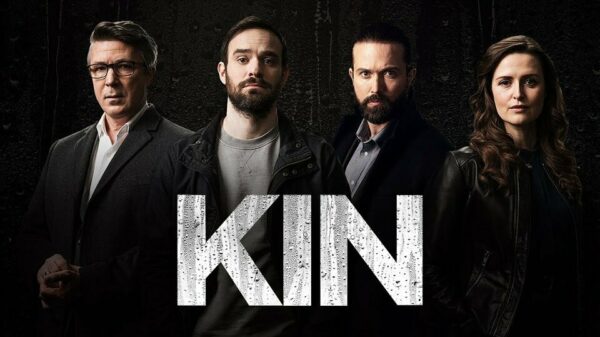
The colour grading and lighting also help hammer this home. It's neither highly saturated nor overly desaturated. Rather than having the contrast bumped up, it almost appears soft. Against a backdrop of criminality and drama, the visuals of Kin invite its audience to view these characters as people first, to view them and their actions with empathy, if not always sympathy.
Kin is a show with something to say, and it knows how to use its cinematography to deliver that message to its audience.