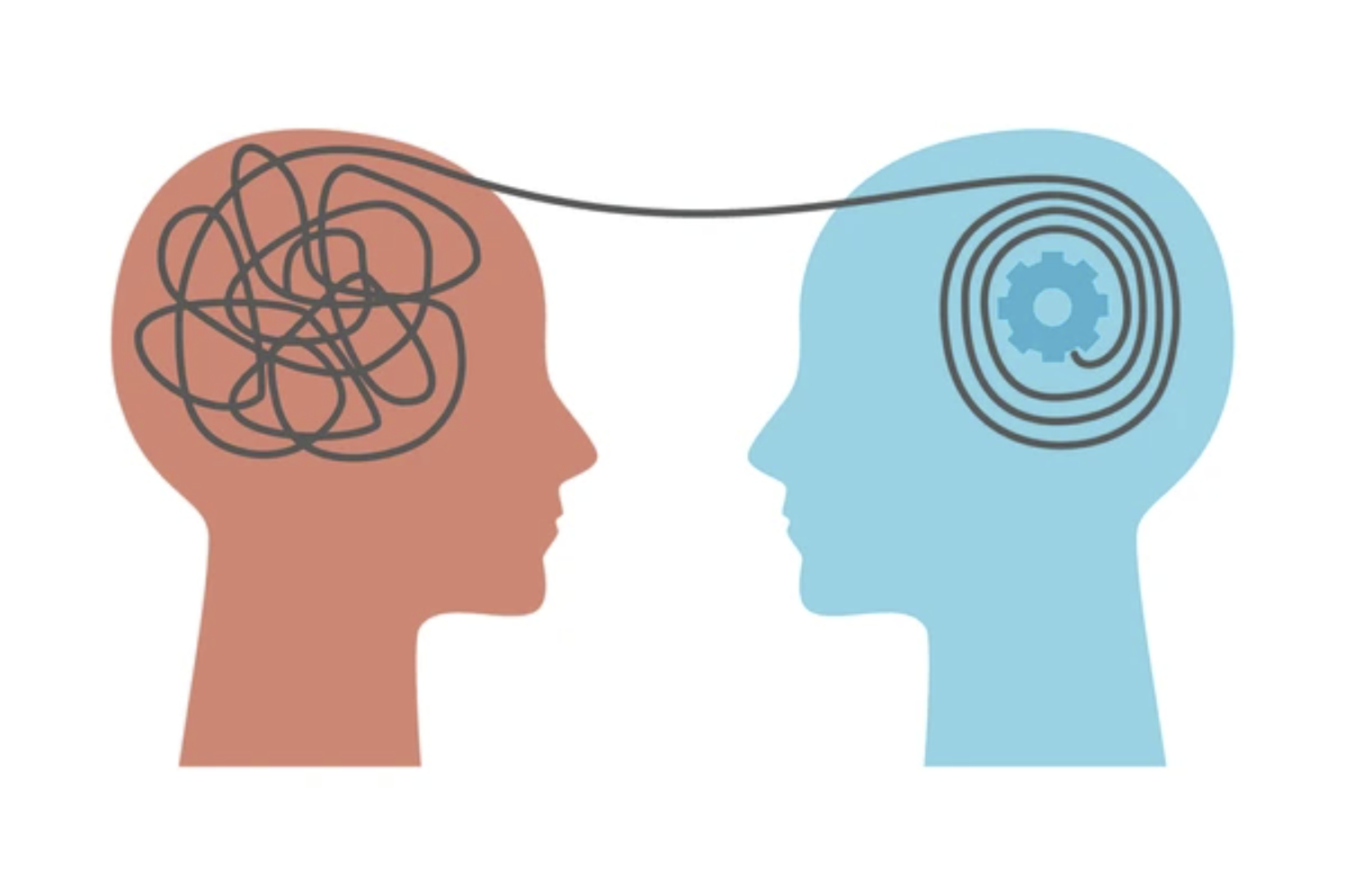

Twice-exceptional (2e) youth often face significant somatosensory challenges that impact their everyday functioning. These challenges, which involve difficulties in processing sensory information related to touch, body position, and movement, are often exacerbated by the heightened sensitivities and asynchronous development common in 2e individuals. Understanding these struggles is crucial for parents, educators, and therapists to provide appropriate support and help 2e youth thrive.
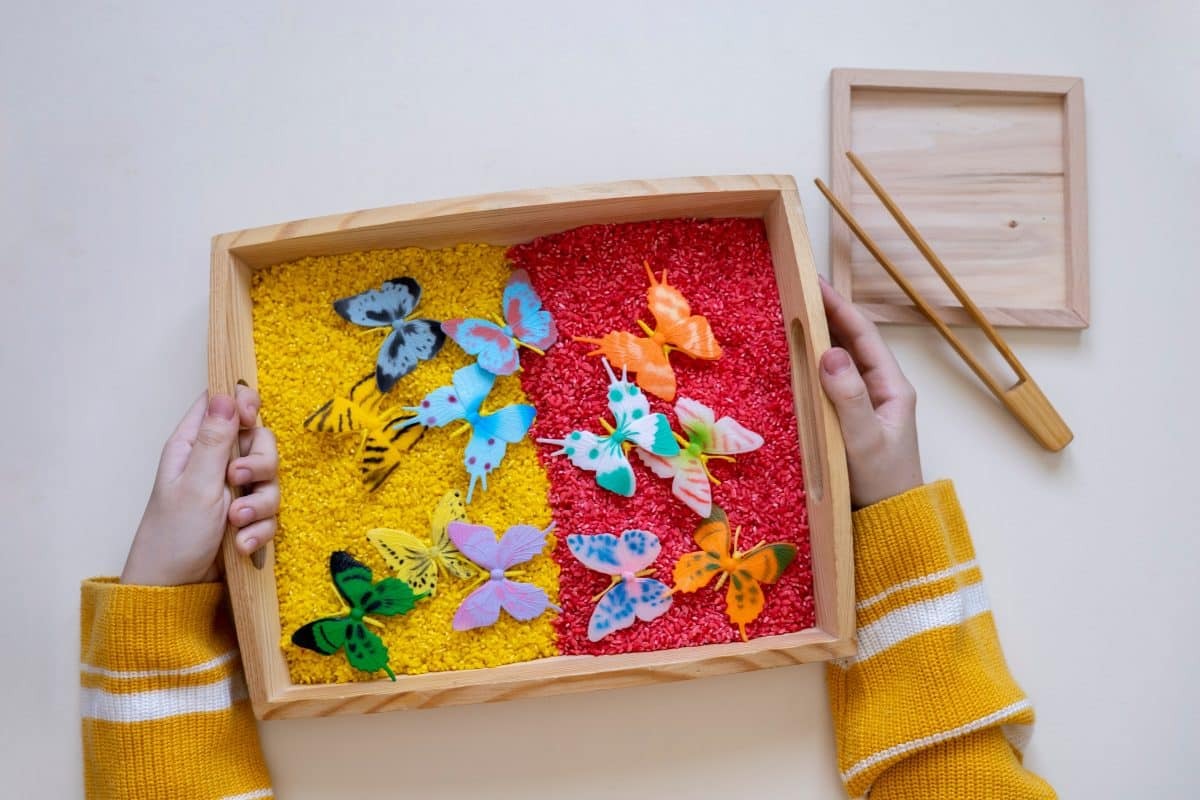
One of the most prominent somatosensory issues that twice-exceptional children may experience is sensory processing sensitivity. Many 2e youth are hypersensitive to tactile input, such as the feeling of clothing tags, seams, or certain textures. These sensations can be overwhelming or even painful, resulting in sensory overload. This heightened sensitivity is particularly prevalent in twice-exceptional individuals who have sensory processing disorder (SPD) or are on the autism spectrum. Sensory overload can cause significant distress, leading to meltdowns, anxiety, or avoidance of particular activities or environments.
Proprioception, the body's ability to sense its position and movement in space, is another common area of difficulty for twice-exceptional children. These challenges with proprioception may manifest as clumsiness, frequent bumping into objects, or struggles with activities requiring fine or gross motor skills, such as writing, tying shoelaces, or participating in sports. Such challenges are particularly evident in 2e children with motor-related disabilities, like dyspraxia, and can lead to frustration or low self-esteem if not adequately addressed.
Hyposensitivity or hypersensitivity to sensory input is another issue frequently encountered by 2e individuals. Those with hyposensitivity might have a high tolerance for pain or crave intense sensory input, which can make it challenging for them to regulate their behavior. They may seek out activities that involve deep pressure or rough play to satisfy their need for sensory stimulation. On the other hand, hypersensitivity can result in intense reactions to light touches, temperature changes, or other sensory stimuli, which can cause discomfort and anxiety.
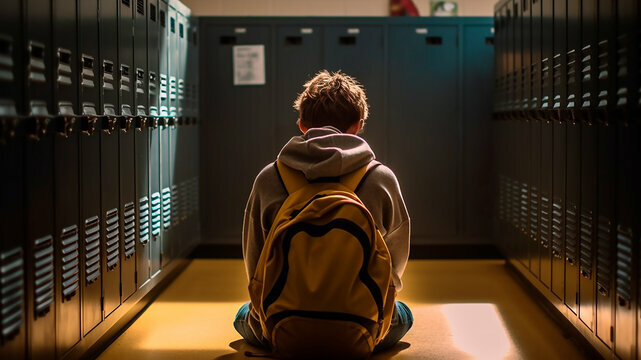
Coordination issues are another significant somatosensory struggle faced by twice-exceptional youth. Poor coordination can make physical tasks that require precision—such as handwriting, playing sports, or completing household chores—particularly challenging. Children with dyspraxia, for instance, may appear clumsy or awkward and may struggle with physical activities that their peers find easy. This difficulty can contribute to feelings of inadequacy or lead to avoidance of activities involving fine motor skills, limiting their opportunities to develop these skills further.
Many 2e children also experience tactile defensiveness, leading them to avoid certain types of physical contact or textures. This defensiveness can affect their willingness to participate in activities that involve touching different surfaces or getting their hands dirty, such as arts and crafts. As a result, they may miss out on sensory experiences that are crucial for their development and enjoyment. Clothing sensitivity is a common struggle, as they may be particular about the fabrics they wear, avoiding clothes with tags, seams, or certain materials like wool or polyester that feel itchy or irritating.
Discomfort with physical contact is also prevalent; they may avoid or react negatively to unexpected touch, such as a pat on the back, a handshake, or a hug. Even well-intentioned contact from teachers or peers can lead to anxiety. Resistance to certain school supplies is another example—activities involving materials like finger paint, glue, or chalk can feel overwhelming or unpleasant due to their textures. Sensitivity to classroom objects, such as carpet, rough paper, or textured desks, may cause distress or distraction, leading them to avoid these items entirely.

These students also tend to have a heightened aversion to crowds, as the sensation of being in close proximity to others during group activities or lining up can make them feel overstimulated. They may struggle with grooming tasks like hair brushing, face washing, or applying lotion, which can be uncomfortable due to their exaggerated response to tactile input. This discomfort may result in challenges with maintaining hygiene, which in turn can affect their social relationships at school.
Certain environments, like crowded gyms, busy cafeterias, or playgrounds, may be overwhelming because of the variety of tactile inputs present. These tactile sensitivities can lead twice exceptional students to appear resistant, defiant, or avoidant of certain activities. Unfortunately, teachers and peers might misinterpret their avoidance as a lack of effort or willingness to participate, further compounding their struggles in traditional educational settings.
Somatosensory issues are closely linked to difficulties with emotional regulation. Overwhelming sensory input can trigger stress, anxiety, or emotional outbursts in twice-exceptional youth, particularly in environments that are loud or crowded. In such settings, the brain may struggle to filter out irrelevant sensory stimuli, leading to an increased stress response. Emotional dysregulation can affect social interactions, making it challenging for 2e children to develop positive relationships with peers and navigate group settings.
Twice-exceptional children with somatosensory struggles may also find it difficult to sit still or focus, especially in traditional classroom environments that expect prolonged periods of sitting and quiet attention. Proprioceptive and vestibular challenges make it difficult for them to remain seated without frequent movement breaks or fidgeting, which they may need to help self-regulate. This need for movement is often misunderstood as behavioral problems, leading to negative labels or discipline that further alienates the child from their peers and educational opportunities.

Additionally, poor body awareness can affect twice-exceptional children in many ways. Difficulty understanding where their body is in relation to other people or objects can lead to spatial awareness issues and increase the risk of accidental injuries. This poor body awareness can impact daily functioning and lead to struggles with tasks requiring spatial judgment, such as navigating crowded spaces, playing sports, or engaging in activities requiring precise body movements.
These somatosensory challenges often make it difficult for twice-exceptional youth to fit into environments that expect conformity or rigid adherence to rules. When these children are misunderstood, they may face negative feedback from adults and peers, further isolating them or causing them to feel "different" from others. For parents, educators, and therapists, understanding and accommodating these somatosensory struggles is crucial.
Providing appropriate support, such as sensory breaks, movement opportunities, and adaptive tools, can help 2e children manage their sensory needs and thrive in their environments. Supporting their sensory needs helps improve their self-esteem, emotional regulation, and ability to engage fully in both academic and social activities, leading to a more positive and fulfilling experience.