

Schizophrenia and schizotypal personality disorder (STPD) are both classified within the schizophrenia spectrum, yet they possess distinct characteristics that are critical for accurate diagnosis and treatment. Understanding these differences is particularly important when considering twice-exceptional individuals, those who are gifted and also experience learning disabilities or other challenges, who may exhibit behaviors that overlap with symptoms of these disorders. This article explores the key differences between schizophrenia and STPD, highlighting the potential for confusion, misdiagnosis, and harm to 2e individuals, as inappropriate treatment could overlook their unique cognitive needs. The consequences of such a misdiagnosis can be severe, leading to inappropriate treatment and a lack of support for the individual's true needs.

Schizophrenia is a serious mental disorder characterized by profound distortions in thinking, perception, emotions, language, and sense of self. Individuals with schizophrenia may experience a range of symptoms categorized as positive, negative, and cognitive. Positive symptoms include hallucinations - such as hearing voices or seeing things that are not present - and delusions, which are strongly held false beliefs that can significantly impair judgment and reality testing. Negative symptoms manifest as a lack of motivation, emotional flatness, and withdrawal from social interactions, severely impacting daily functioning. Cognitive symptoms may also be present, leading to impaired attention, memory, and executive function. To be diagnosed with schizophrenia, symptoms must persist for at least six months, including a minimum of one month of active-phase symptoms.
In contrast, schizotypal personality disorder is characterized by pervasive patterns of social and interpersonal deficits, cognitive or perceptual distortions, and eccentricities in behavior. Individuals with STPD often exhibit social deficits, marked by discomfort in close relationships and a reduced capacity for social interaction. Cognitive distortions in STPD may include ideas of reference (where individuals believe that common environmental elements are directly related to them), odd beliefs or magical thinking, and unusual perceptual experiences. Additionally, individuals may display eccentric behaviors, such as unusual dress or speech patterns. Unlike schizophrenia, STPD is a stable and enduring condition that typically begins in early adulthood.
Despite their distinct features, there are several reasons why schizophrenia and STPD can be misinterpreted or mistaken for one another, especially in 2e individuals. Overlap of Symptoms is a primary source of confusion. One of the main reasons for potential misdiagnosis stems from the unconventional thinking often exhibited by 2e individuals. These youths and adults frequently possess creative, abstract, and innovative cognitive processes, which may come across as "eccentric" or "odd." Both disorders may include unusual beliefs or perceptions, making it challenging to distinguish between them. For instance, while STPD may involve odd beliefs or perceptual experiences, these could be misinterpreted as early signs of schizophrenia, especially if the individual exhibits heightened creativity or unconventional thought patterns.

Another point of overlap is social withdrawal and isolation. Individuals diagnosed with either schizophrenia or STPD often experience social difficulties, leading to potential misdiagnosis. This is further complicated in 2e individuals, who may exhibit social challenges stemming from their giftedness or cognitive profiles rather than a clinical disorder. Due to their asynchronous development, 2e children may struggle to relate to their peers, leading to social withdrawal or difficulties forming close relationships - similar to individuals with SPD, who are uncomfortable with intimacy. However, in the case of 2e individuals, the isolation is often a product of being misunderstood or feeling "different," rather than a fundamental difficulty in maintaining relationships. Without understanding the context of neurodivergence, clinicians may mistake this social withdrawal for symptoms of a personality disorder.
Moreover, 2e individuals frequently demonstrate behaviors or thought processes that mirror symptoms of STPD or schizophrenia. Their advanced cognitive abilities may manifest as unusual thinking or ideas that appear symptomatic. While individuals with SPD exhibit magical thinking and beliefs detached from reality, 2e individuals may simply express their unique cognitive abilities through imaginative and unconventional thought patterns. Unfortunately, these atypical behaviors can easily be misunderstood by educators, clinicians, and even family members unfamiliar with twice-exceptionality, leading to mislabeling. This eccentricity and creativity (common traits among gifted individuals) can lead to misinterpretations of their behaviors, causing clinicians to erroneously diagnose STPD or even schizophrenia.
Cognitive challenges associated with being 2e can also mimic some cognitive symptoms of schizophrenia. For example, executive function difficulties may resemble the cognitive impairments seen in schizophrenia, further complicating the diagnostic process. Additionally, the age and context of symptom emergence play a significant role. Schizophrenia typically presents in late adolescence or early adulthood, while STPD can be diagnosed earlier. This age discrepancy can lead to misdiagnosis if clinicians fail to consider the developmental context of the symptoms, interpreting them instead as indicative of a clinical disorder. Accurately differentiating these personality disorders is essential, particularly when evaluating 2e individuals. A nuanced understanding of the distinct characteristics of each disorder, along with careful assessment of the individual's context, developmental history, and cognitive profile, is crucial for preventing misdiagnosis. By recognizing the unique challenges faced by 2e individuals, clinicians can provide effective support and treatment, fostering a better understanding of their experiences and needs.
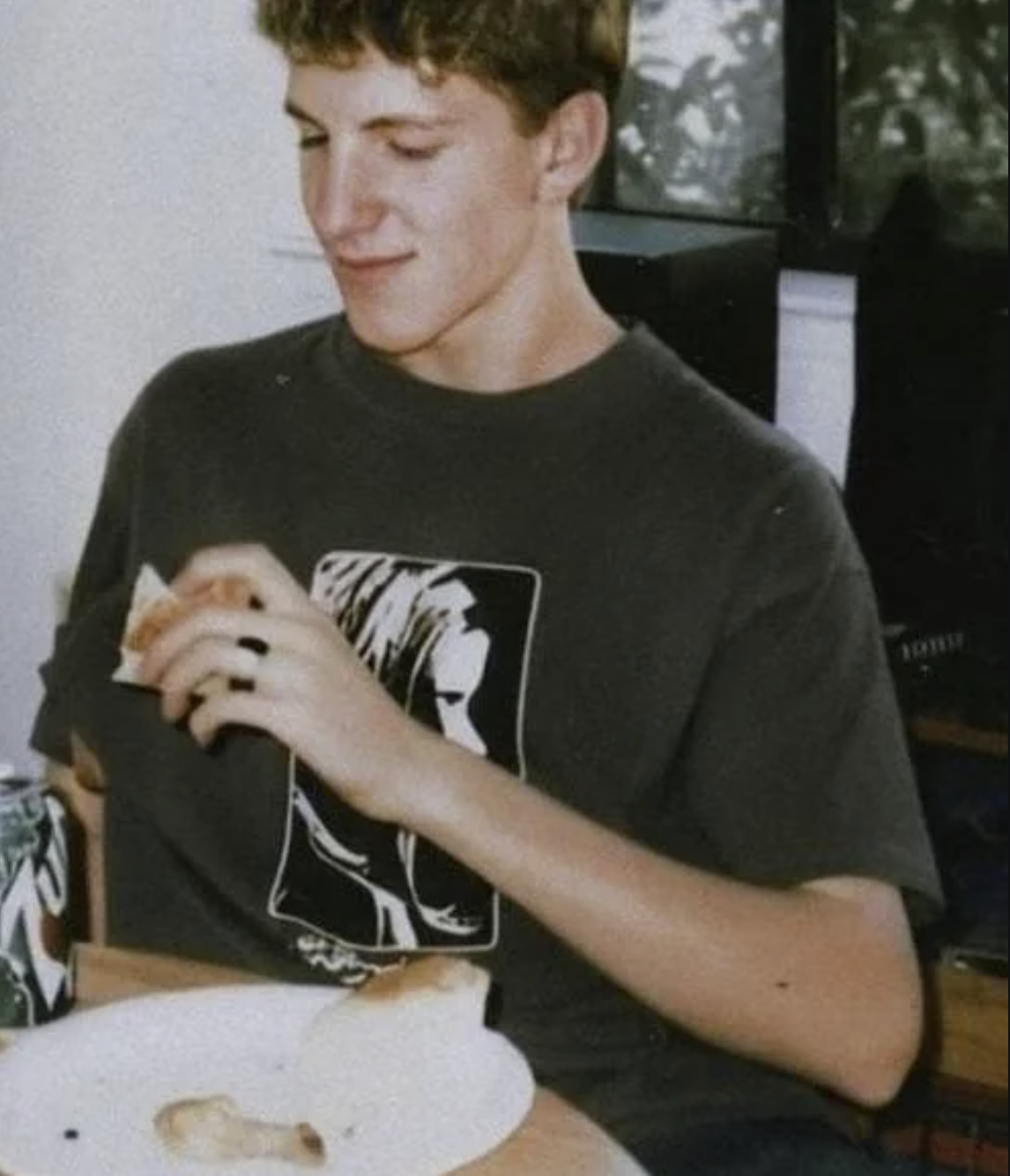
This assessment becomes particularly relevant when considering individuals like Dylan Klebold, one of the perpetrators of the Columbine High School shooting. It is possible that Klebold exhibited traits of being 2e gifted with co-occurring mental health issues. In his journal writings, he expressed deep introspection, philosophical thinking, and emotional sensitivity, which are often characteristics of gifted individuals. His tendency toward magical thinking (believing in metaphysical or supernatural concepts) aligns with a symptom of schizotypal personality disorder (SPD), but it could also be interpreted as part of his creative or divergent thought process. Gifted individuals sometimes exhibit unconventional thinking, which can be misunderstood or misdiagnosed as symptoms of personality disorders.
Klebold’s involvement in the Columbine shooting alongside Eric Harris suggests that the dynamics between the two played a crucial role in their actions. Klebold appeared to be more emotionally vulnerable and likely susceptible to external influence. Some psychologists argue that had Klebold received adequate mental health support and had not been influenced by Harris (who exhibited traits of psychopathy or sociopathy) he might not have followed through with the violent actions of the shooting. Lack of adequate support could have exacerbated his mental health struggles. 2e students, particularly those without proper guidance or emotional support, can become isolated, misunderstood, and overwhelmed by their emotional intensity and divergent thinking. In Klebold’s case, the failure of the educational and psychological systems to recognize his potential emotional needs and vulnerabilities likely contributed to his feelings of alienation and hopelessness. This, combined with Harris’s influence and having nothing to lose, a cult like fantasy formed between them and it was all downhill from there.
Dylan Klebold was said to have had unexplained stomach pains and difficulty expressing his feelings. I believe that this, coupled with his extreme fear of embarrassment and emotional intensity is indicative of him being 2e. It’s possible that his unexplained stomach pains could have been related to heightened sensory sensitivity, psychosomatic responses, and somatization. If Klebold had any traits associated with neurodiversity (such as ADHD, autism, or heightened anxiety, which are common in twice-exceptional individuals), he could have been more sensitive to environmental stressors or stimuli, causing physical discomfort like stomach pains. Sensory overload in a school environment, social situations, or family life could have exacerbated this.
If he was dealing with significant emotional struggles (depression, frustration, isolation), it’s possible his body was manifesting those feelings in physical symptoms. Stomach pains are a common response to emotional distress, especially in individuals who have difficulty processing or expressing their emotions. Unresolved emotional pain or inner turmoil can often "convert" into physical pain. If he was experiencing ongoing stress, anxiety, or trauma, particularly if he had trouble articulating or coping with these feelings, it’s possible that his body expressed this distress through somatic symptoms. Chronic anxiety or depression can manifest physically in people who struggle to understand or communicate their emotional states. Though it is difficult to know for sure, unexplained physical symptoms in 2e individuals are often intertwined with emotional and cognitive challenges. In Klebold’s case, if he were twice-exceptional, his stomach pains could have been an expression of underlying psychological or sensory-related stress, along with possible mental health conditions.
2e children, especially boys, may shut down emotionally and stop talking about their feelings due to a combination of societal expectations, emotional overwhelm, and the complexities of their twice-exceptionality. There are numerous reasons for this emotional shutdown and often it is cultural. In many cultures, boys are often socialized to hide vulnerability and emotions, particularly those seen as "weak" (e.g., sadness, fear). They may feel pressure to conform to masculine ideals of stoicism and toughness. For 2e boys, this pressure can be compounded by their unique combination of intellectual abilities and learning or emotional challenges, creating confusion around how to express themselves in a socially acceptable way. 2e boys may already feel different due to their learning challenges or sensory sensitivities. If they sense that expressing their emotions could further isolate them or make them appear more "different" or "weak," they may suppress their feelings.
Some 2e individuals, particularly those with neurodivergent traits like autism or ADHD, struggle with alexithymia—difficulty in recognizing, processing, and articulating their emotions. They may experience intense feelings but lack the emotional vocabulary or self-awareness to describe them, leading to frustration and eventual withdrawal from emotional expression. 2e children often face an overwhelming combination of sensory processing issues, intellectual expectations, and emotional struggles. When they become overwhelmed, they might "shut down" emotionally as a defense mechanism, retreating from the emotional intensity they can’t process. And of course they might be bullied or rejected by peers for being different. This can lead them to internalize feelings of shame or inadequacy. If their emotional needs are mocked or dismissed, they may stop talking about their feelings to avoid further rejection. Sometimes, even well-meaning adults ie. teachers, parents, or counselors fail to understand the unique challenges of 2e individuals. They may focus on the child's intellectual potential while dismissing or minimizing their emotional struggles. If 2e boys feel their emotional needs are invalidated, they may shut down to avoid feeling misunderstood again.
Many 2e individuals, particularly boys, need a sense of control over their environment and emotions. If they don’t feel they have safe, supportive outlets for expressing themselves, they may retreat inward and choose silence rather than risk vulnerability. In some cases 2e individuals have difficulty with emotional regulation, experiencing intense emotions that they find hard to control or express appropriately. As a result, they may stop talking about their feelings to avoid the unpredictability of emotional outbursts or breakdowns. As boys move into adolescence, issues around identity, belonging, and self-esteem become even more pronounced. For 2e young adults, this can be an especially confusing time, where the desire to fit in conflicts with their unique challenges. To avoid standing out or appearing vulnerable, they may shut down emotionally. Emotional shutdown is often a sign of depression or anxiety, which can be prevalent among 2e individuals. If they struggle with undiagnosed mental health issues, they may withdraw emotionally as a way to cope with overwhelming feelings.
2e boys may shut down emotionally and stop talking about their emotions due to a complex mix of societal pressures, emotional overwhelm, fear of judgment, and a lack of safe spaces for vulnerability. Understanding and addressing their emotional needs requires creating environments where they feel safe, supported, and understood, without the fear of rejection or failure.
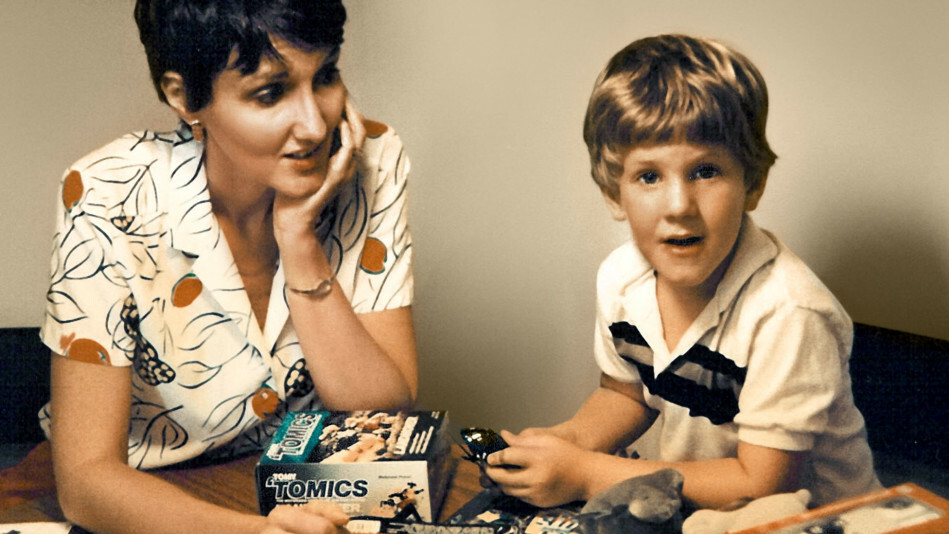
In conclusion, while it is speculative to assert that Klebold was definitively 2e, there is evidence in his introspective writing, emotional depth, talent, somatosensory struggles and tendency toward magical thinking to suggest that he may have had a unique, neurodivergent cognitive profile. The combination of inadequate support, mental health struggles, and the influence of Harris likely contributed to his deterioration and self-annihilation. To address these challenges, 2e students need to be placed in specialized schools and/or educational institutions must provide tailored programs that cater to their strengths and weaknesses, including individualized education plans (IEPs) and a focus on social-emotional learning. It is also vital for parents to have access to resources, training, and support networks to better understand and advocate for their 2e children, creating a supportive home environment.
Society must shift towards greater acceptance and inclusion of neurodiverse individuals through public awareness campaigns and policies promoting diversity in education and the workplace. When society, parents, and educators fail to understand and support 2e children, the consequences can be devastating, leading to unfulfilled potential, broken relationships, and, in some cases, lethal outcomes.