
Twice-exceptional (2e) and gifted individuals possess unique cognitive abilities that set them apart, but they also face distinct vulnerabilities in their personal and professional lives. To ensure their well-being, it is crucial to identify personality types that may pose a threat to their emotional and psychological safety. Additionally, society must implement strategies to prevent breaches of trust, betrayal trauma, and other forms of abuse that these individuals may encounter.
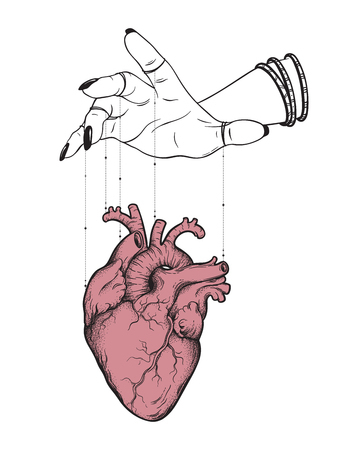
One significant step in safeguarding 2e individuals is recognizing personality types that can be particularly detrimental. Narcissistic individuals often seek to dominate relationships, which can lead to exploitation and emotional harm. Their tendency to belittle or undermine the accomplishments of 2e individuals can severely impact self-esteem and confidence. Similarly, manipulative or gaslighting personalities can distort reality, causing 2e individuals to doubt their perceptions and capabilities. Narcissists often focus on your faults and shortcomings as a means of exerting control and stifling your growth through various manipulative tactics. They may use criticism, ridicule, or blame to undermine your confidence and self-esteem, creating a sense of dependency on their approval. By highlighting your perceived weaknesses, they distract you from your strengths and achievements, making you feel inadequate and less capable.
This constant focus on your flaws can lead to self-doubt, causing you to second-guess your abilities and decisions. Narcissists might also engage in gaslighting, distorting reality to make you question your perceptions and experiences, further eroding your confidence. By fostering an environment of fear and insecurity, they keep you reliant on them for validation and guidance. Moreover, narcissists may set unrealistic expectations or compare you unfavorably to others, reinforcing feelings of inadequacy. This dynamic not only stifles your growth but can also create a cycle where you strive for their approval instead of pursuing your own goals and interests. Ultimately, their focus on your faults serves to maintain their own sense of superiority while hindering your development and potential. Such relationships can be especially damaging, given the complexities already present in the self-concept of 2e individuals.

Authoritarian figures also pose a risk, as they impose rigid structures without considering the unique needs of gifted individuals. This lack of flexibility can stifle creativity and intellectual growth, leading to frustration and disengagement. Furthermore, envious or jealous personalities can engage in character assassination or sabotage, undermining the achievements of 2e individuals. Their feelings of threat can manifest in toxic behaviors that harm both personal relationships and professional advancement. Lastly, relationships with emotionally unavailable individuals can leave 2e individuals feeling isolated and misunderstood, intensifying feelings of alienation and loneliness that they may already experience. Authoritarian figures may limit opportunities for exploration and creativity, stunting personal and professional growth, while envious colleagues can sabotage career success, resulting in stagnation or job loss. The inability to escape these harmful dynamics creates a cycle of trauma, compounding past wounds with ongoing emotional abuse, ultimately leading to diminished life satisfaction. Over time, individuals may feel trapped in a cycle of pain and frustration, and continuous negative reinforcement can cause them to internalize harmful beliefs, leading to a loss of identity and questioning their self-worth.
Being trapped in relationships with harmful personality types can lead to severe consequences for twice-exceptional individuals, potentially resulting in a lifetime of emotional abuse and neglect. They may experience chronic low self-esteem due to continual undermining by narcissistic or manipulative individuals, fostering a pervasive sense of inadequacy. Emotional unavailability from partners, friends, or family can lead to profound loneliness and social isolation, preventing meaningful connections. The exposure to toxic relationships often triggers mental health issues such as anxiety, depression, and PTSD, making daily life difficult to navigate.

To protect 2e individuals from the adverse effects of harmful relationships, society must take proactive measures to prevent breaches of trust and trauma. Education and awareness are critical. By increasing understanding of the unique challenges faced by 2e individuals within schools, workplaces, and communities, we can create an environment that recognizes their needs and strengths. Training for educators, employers, and peers can promote a more inclusive atmosphere. Establishing support systems is equally vital. Robust networks that include mentors, counselors, and peer groups can provide 2e individuals with safe spaces to express their concerns and experiences without judgment. These supportive environments are essential for fostering resilience and self-advocacy.
Creating safe spaces (both physical and virtual) is another effective strategy. Such spaces allow 2e individuals to share their thoughts and feelings openly. Therapy groups, support forums, and inclusive educational settings can serve as vital resources for emotional support. The concepts of "safe spaces" and "psychologically safe spaces" both aim to create environments that promote comfort and security, but they serve distinct purposes. Safe spaces are primarily focused on protecting individuals from discrimination, judgment, or harassment based on various aspects of their identity, such as race, gender, sexual orientation, or ability. These environments provide a refuge for marginalized or vulnerable groups, fostering inclusivity and acceptance. They allow individuals to express themselves freely without fear of negative repercussions, making them essential for creating supportive communities.
However, for twice-exceptional (2e) individuals - who possess both exceptional cognitive abilities and learning differences - psychologically safe spaces are even more critical for their growth and development. Psychologically safe spaces emphasize emotional and cognitive safety, creating an environment where individuals feel encouraged to express their thoughts, ideas, and concerns openly. In such spaces, 2e individuals can take risks, ask questions, and admit mistakes without fear of ridicule or negative consequences. This type of support is particularly vital for 2e individuals, who may already struggle with self-doubt and feelings of inadequacy due to their unique challenges. In a psychologically safe space, the dynamics of trust and mutual respect are prioritized, allowing twice-exceptional individuals to thrive. These environments promote open communication and collaboration, which are essential for fostering creativity and innovation. 2e individuals often think outside conventional boundaries, and a psychologically safe space allows them to share their insights and ideas without the fear of being dismissed or belittled. This empowerment can lead to greater confidence, enabling them to reach their full potential both academically and personally.
Moreover, psychologically safe spaces can mitigate the negative effects of toxic relationships and environments that many 2e individuals may encounter. By fostering a culture of support and understanding, these spaces encourage individuals to engage with their peers in meaningful ways, reducing the isolation and loneliness that often accompany their experiences. In summary, while safe spaces are essential for protecting against discrimination, psychologically safe spaces are crucial for twice-exceptional individuals to flourish. They provide the emotional support and validation necessary for these individuals to explore their unique capabilities, build confidence, and contribute meaningfully to their communities.
Clear policies and protocols must also be developed and enforced. Anti-bullying, anti-harassment, and anti-discrimination policies in schools and workplaces should include mechanisms for reporting abuse without fear of retaliation. Ensuring that these policies are effectively communicated and upheld can help foster a culture of safety and respect. Encouraging open communication about mental health and well-being is essential. Emphasizing the importance of speaking up regarding breaches of trust or abuse empowers 2e individuals to assert their boundaries and seek help when needed.
Implementing trauma-informed practices in educational and occupational settings can ensure that responses to breaches of trust are sensitive and supportive. Training staff and leadership to recognize the signs of trauma and respond appropriately can create a more nurturing environment. Additionally, empowerment through education is key. Teaching 2e individuals self-advocacy skills can help them recognize toxic relationships and empower them to pursue healthier interactions. This education fosters resilience and confidence. Finally, advocating for stronger legal protections against harassment, discrimination, and abuse is crucial for safeguarding the rights of 2e individuals in various contexts. Such protections can provide a safety net for those at risk of exploitation.
In conclusion, recognizing harmful personality types and implementing proactive measures are essential for protecting twice-exceptional and gifted individuals from betrayal, trauma, and abuse. Fostering an environment of understanding, support, and safety is crucial for empowering these individuals to navigate their unique challenges. By promoting education, awareness, and inclusive practices, society can create a space where 2e individuals not only feel secure but can also thrive and contribute their exceptional talents to the world.