

 This research outlines the development of a Black-owned, woman-owned, Philadelphia-based fashion brand rooted in artisan-led production, cultural preservation, and sustainable design. The brand operates at the intersection of traditional craft and modern fashion, offering a scalable alternative to the environmental and social harms of fast fashion.

Founder Background & Origins
The values of this brand are deeply rooted in the generational. Keesh Nicholson, founder of Tame Fibers, began exploring fashion design in childhood through hands-on creative play, later advancing to garment construction at the age of twelve. This early engagement evolved into a lifelong commitment to making and design.
Subsequently, knowledge of crochet was passed down through her family lineage, reflecting a tradition of generational craft preservation. These formative experiences established both the technical foundation and cultural significance of handmade production within the brand’s identity.
Global Influences Reshape Perspective in 2016
A pivotal shift occurred in 2016 during the founder’s nine months living abroad in Shanghai and Buenos Aires. Exposure to global centers of commerce like Ogilvy and artisan markets ‘asados’ and ‘friere de mataderos’ revealed how handmade goods function not only as creative outputs, but as viable economic systems that support local communities. These insights informed a long-term vision to build a fashion model rooted in sustainability, cultural exchange, and equitable production.
The global fashion industry is characterized by:
Excessive textile waste is adding to environmental degradation.
Most garments today are worn only 7–10 times before being disposed of.
Collective over-reliance on low-cost, exploitative, skill-abandoned labor.
The global handicrafts sector employs ~200 million people, yet many artisans earn below living wages, leading to skill abandonment and underpaid artisans.
Decline of traditional textile and fiber arts.
Around 60% of modern clothing is made from synthetic fibers.
Consumer patterns driven by disposability and overconsumption.
The fashion industry produces ~92 million tons of textile waste annually.
Defining Artisan-Led Circular Production
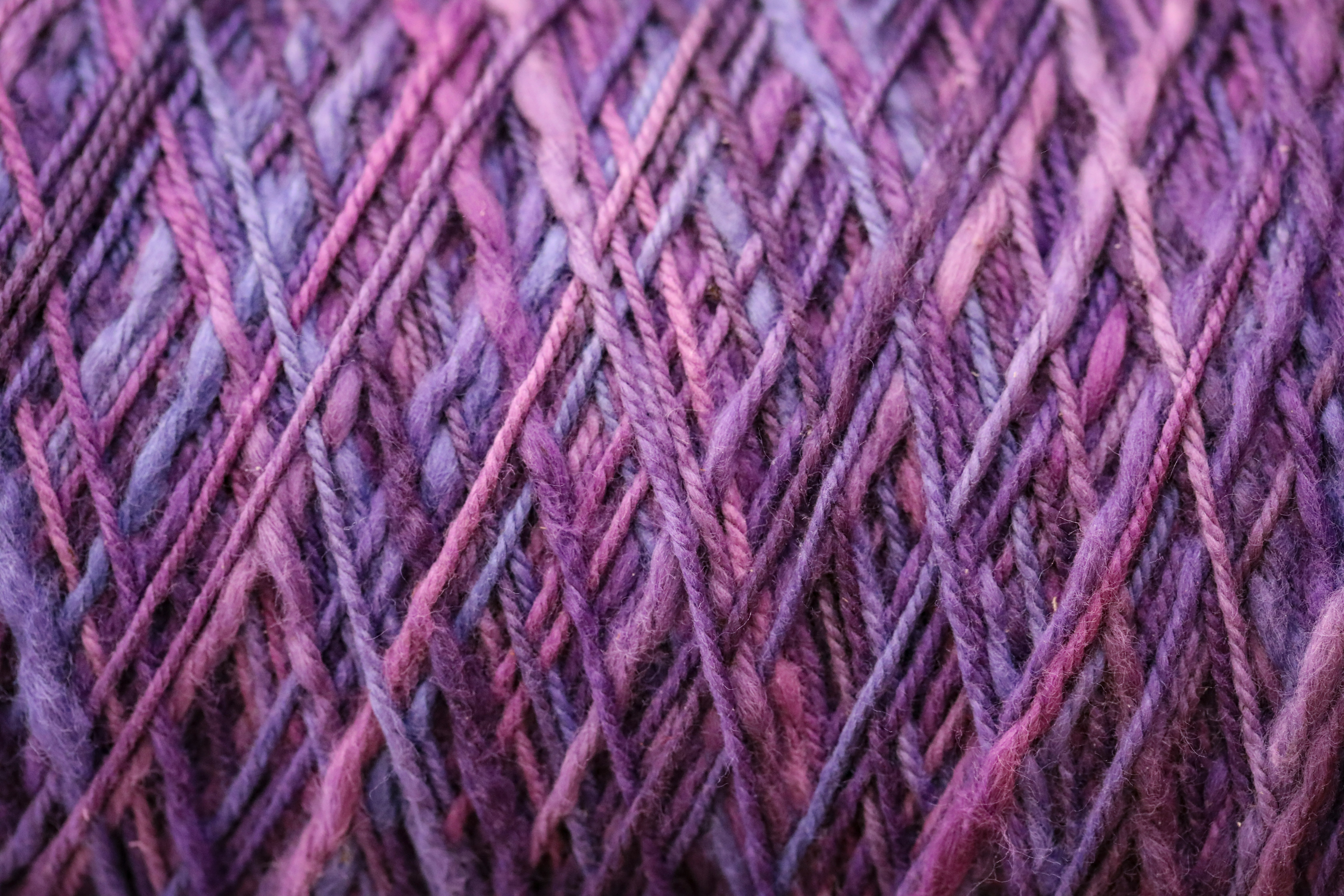
The brand addresses these challenges through an artisan-led, small-batch production model that integrates traditional fiber techniques.
Artisans engage in spinning, knitting, handweaving, and crocheting into contemporary wearable design.
This approach emphasizes slow fashion principles: reduced material waste, high-quality, durable garments, and intentional, small-scale production.
Each product is designed to be timeless and long-lasting, encouraging generational use and reducing the frequency of consumption.

Cultural & Craft Preservation
Central to the model is the preservation and evolution of traditional craft practices.
By embedding generational techniques into modern fashion, the brand contributes to sustaining knowledge systems that are increasingly at risk of disappearing in industrialized production environments.
Additionally, the brand expands access to these practices through education, reinforcing the role of craft as cultural heritage, community cenetered, and a contemporary creative practice.
Enjoyed reading this post? Want to stay up to date on the latest developments at TAME? Click the link below to donate $5 or more to fostering a better community together.