

I recently got my hands (building a system for someone) on the SanDisk Optimus GX PRO 8100 2TB NVMe SSD with a heatsink and decided to see how it performs on a PCIe 5.0 platform. With advertised sequential read speeds of up to 14,900 MB/s, this is a seriously fast drive on paper. I wanted to see how close it could get to those numbers in actual benchmarks.
I tested the SSD using different benchmarks, while also monitoring its temperature under load. I will also compare its specifications and pricing with the Samsung 9100 PRO 2TB towards the end. I have not benchmarked the Samsung drive, so that comparison is based on the Samsung specs and the prices available for both models.
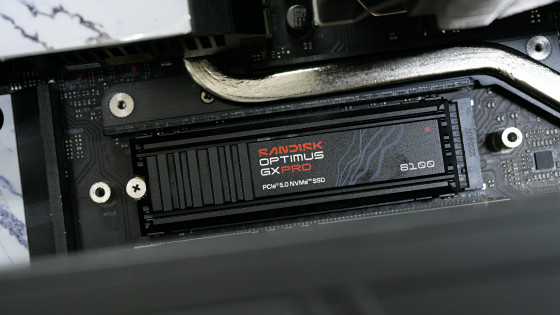
SanDisk Optimus GX PRO 8100 2TB benchmark results
For my test system, I used an ASRock X670E motherboard with PCIe 5.0 support. The SSD was installed in an M.2 slot supporting PCIe 5.0 x4, allowing it to operate using its full interface bandwidth.
I formatted the drive to NTFS using Windows 11 Disk Management. Windows recognized the SSD, and after formatting, it showed approximately 162 MB of used space and 1.81 TB of available capacity.
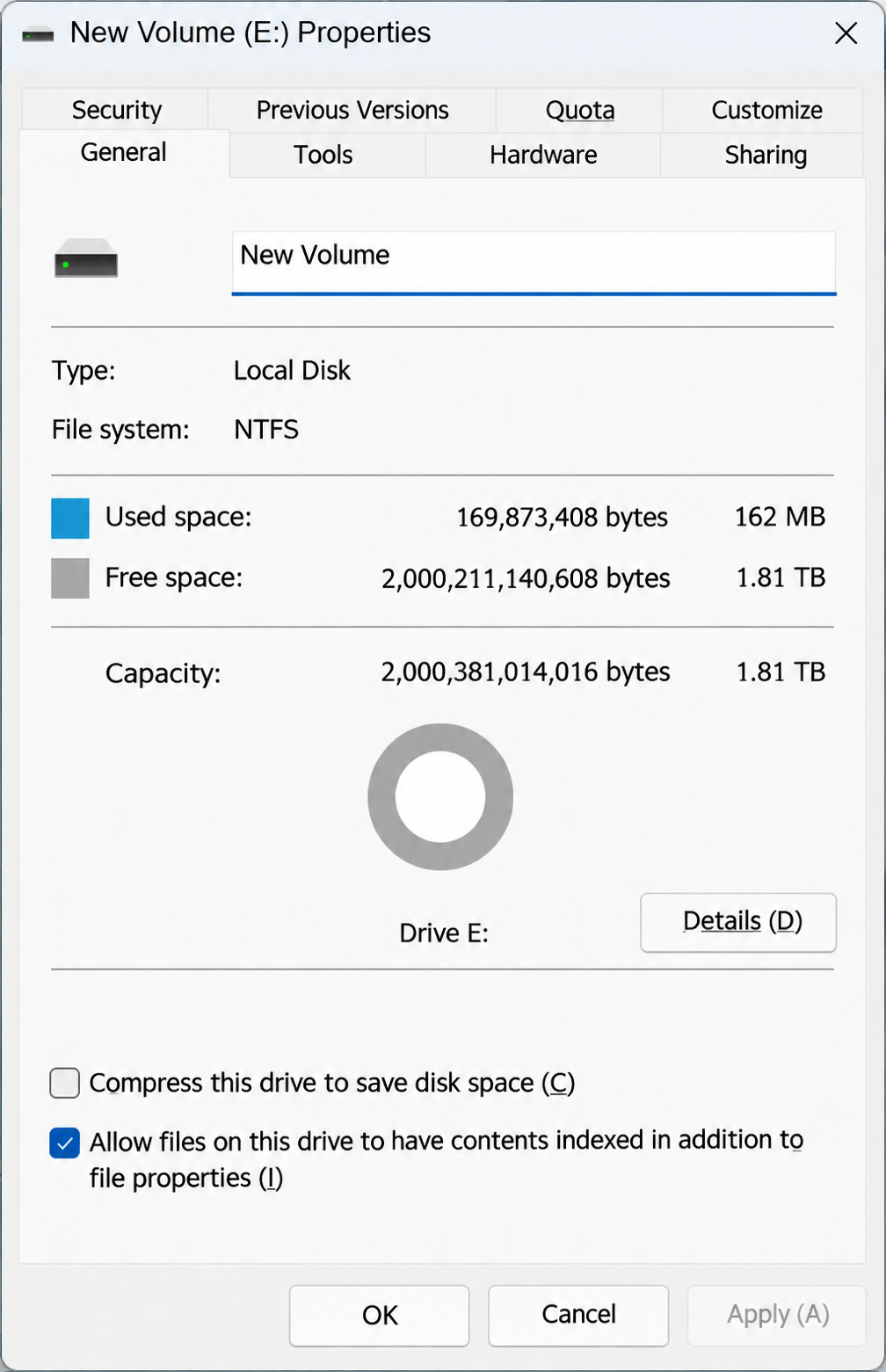
CrystalDiskMark results
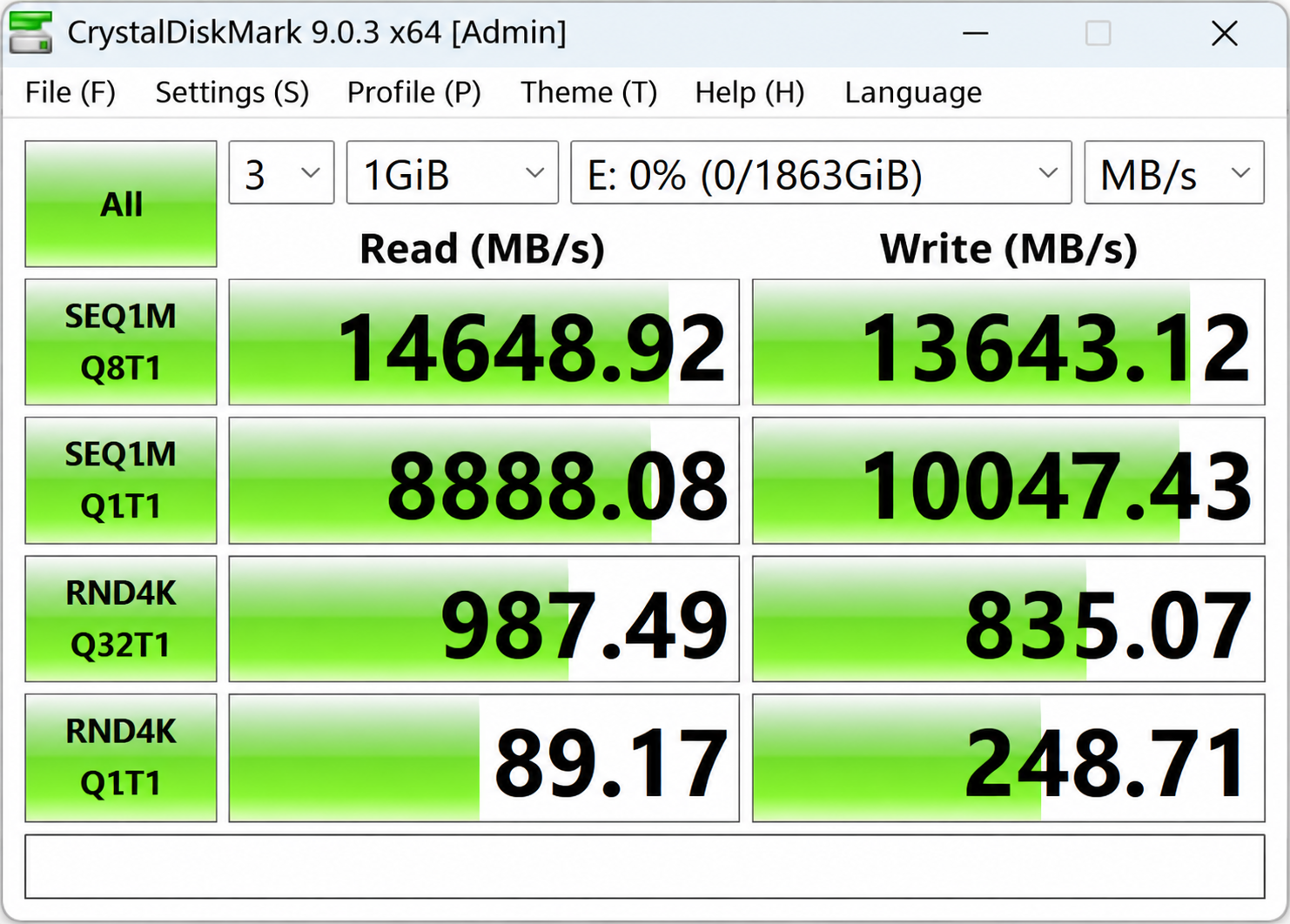
I started with CrystalDiskMark to measure the drive's sequential and random performance.
The results were:
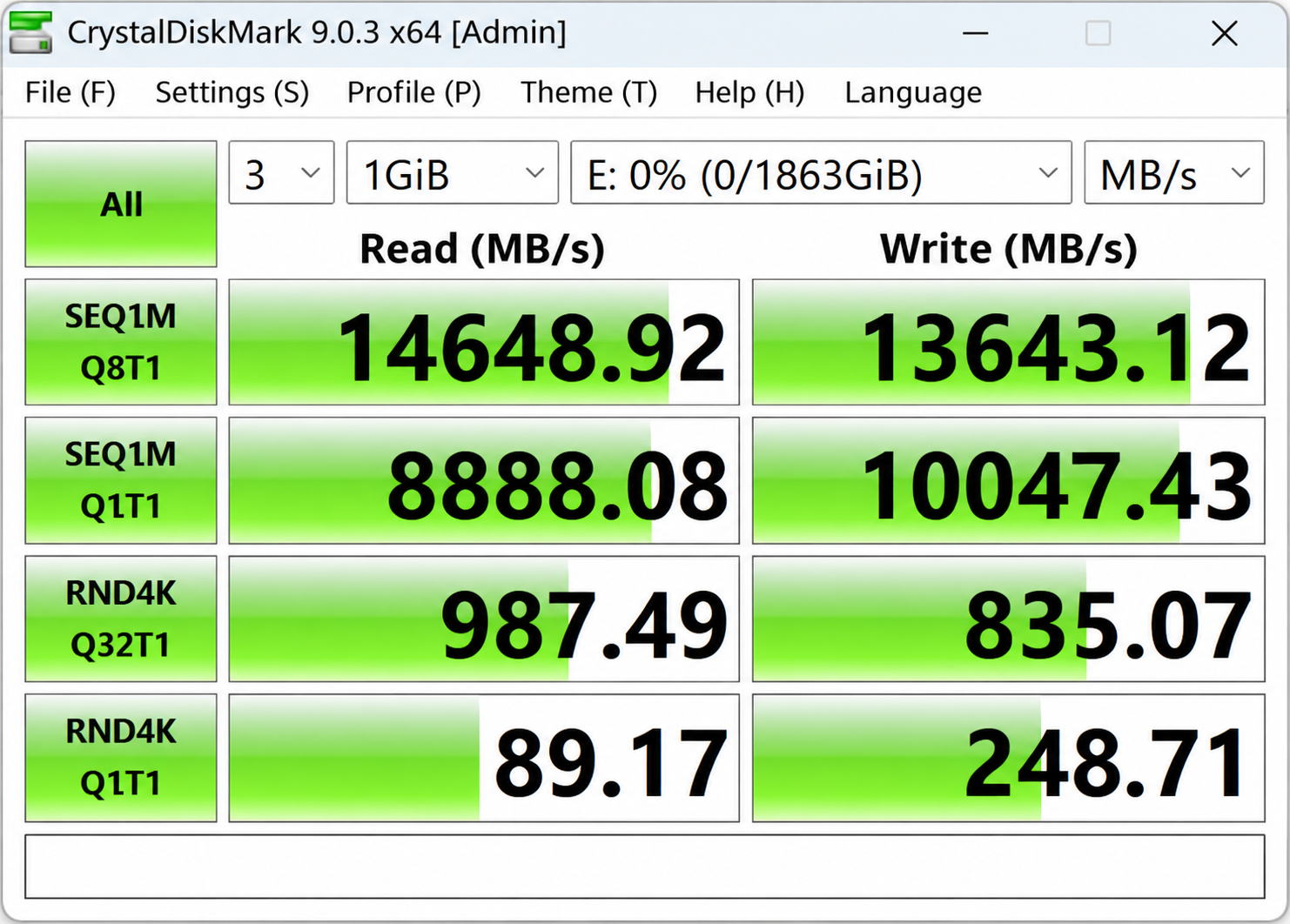
The sequential results came quite close to SanDisk's advertised figures of 14,900 MB/s read and 14,000 MB/s write. That is what I wanted to see from a high-end PCIe 5.0 SSD.
The random read and write results were also interesting. These workloads represent a different side of storage performance and are relevant to applications that frequently access smaller files. The actual impact on everyday workloads will depend on the application and benchmark configuration, but the initial results look promising.
ATTO Disk Benchmark results
I also ran ATTO Disk Benchmark to examine how the drive handles different transfer block sizes.
With a block size of 128 KB, the SSD reached 12.15 GB/s read and 11.90 GB/s write.
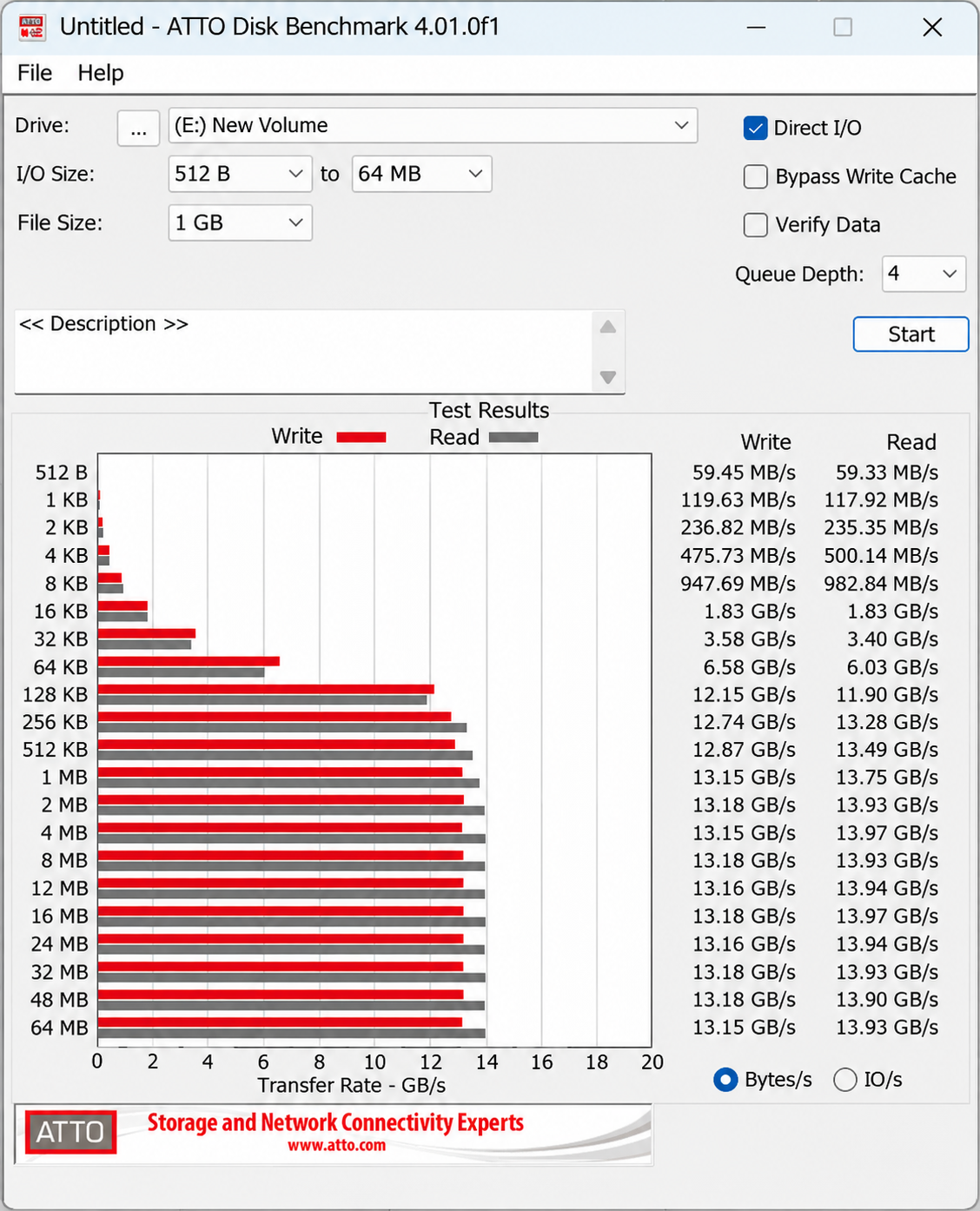
This gives another perspective on the drive's performance beyond the sequential figures reported by CrystalDiskMark. ATTO is particularly useful for observing how throughput changes with different I/O sizes, although the results depend on the benchmark configuration.
SanDisk Optimus GX PRO 8100 temperature under load
I monitored the SSD temperature using CrystalDiskInfo while running CrystalDiskMark. During this benchmark session, the maximum recorded temperature was 50°C.
That is a reasonable result for a high-performance PCIe 5.0 SSD. These drives can generate considerable heat under demanding workloads, so I was interested in seeing how the included heatsink handled a benchmark run.
However, this was not a prolonged stress test. A sustained-write workload would provide a better understanding of thermal performance over longer periods.
SanDisk Optimus GX PRO 8100 vs Samsung 9100 PRO: specifications and price comparison
The Samsung 9100 PRO is a high performance PCIe 5.0 SSD worth considering. Both drives target enthusiasts and desktop users looking for fast NVMe storage, and their specifications are surprisingly close.
There are differences in their controllers, NAND technologies, cache implementations, and advertised performance figures. The following comparison uses the Samsung specs I have not benchmarked the Samsung 9100 PRO, so these figures should not be interpreted as results from my own testing.
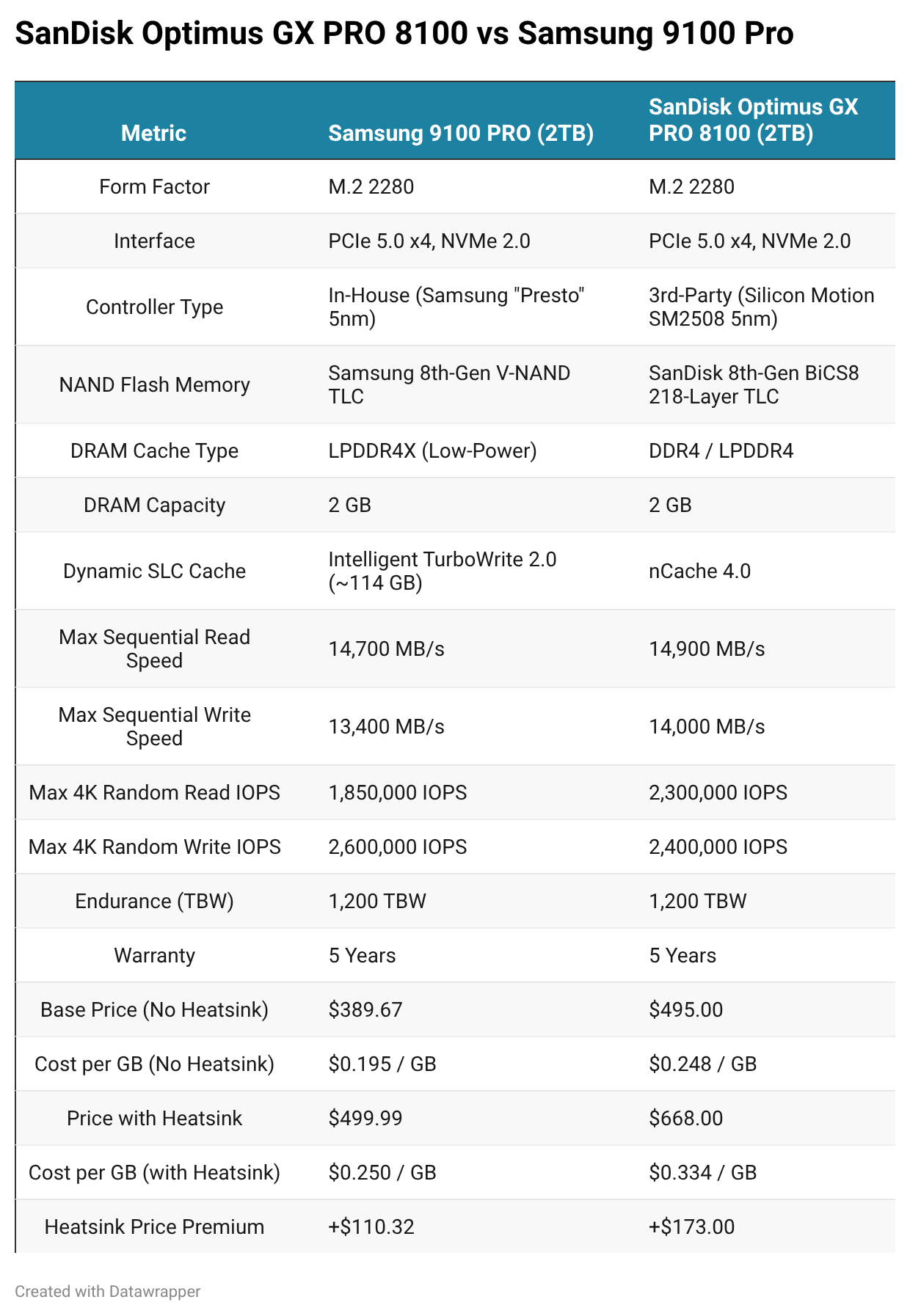
On paper, SanDisk has a slight advantage in advertised sequential performance and maximum random read performance. Samsung, meanwhile, specifies higher maximum random write performance.
SanDisk Optimus GX PRO 8100 vs Samsung 9100 PRO: which offers better value?
Performance specifications are only part of the buying decision. Pricing is where the SanDisk drive starts looking particularly competitive. At these prices, the SanDisk costs considerably less. The heatsink-equipped Samsung model carries a premium of approximately $168 over the SanDisk.
That is a substantial difference for two consumer SSDs with similar advertised sequential performance, identical rated endurance, and the same warranty period.
Of course, controller design, firmware, sustained-write performance, and long-term reliability are also worth considering. A spec sheet cannot tell the entire story, and I would want to see independent testing under identical conditions before making a definitive performance comparison.
Is the SanDisk Optimus GX PRO 8100 2TB worth buying?
My benchmark results show that the SanDisk Optimus GX PRO 8100 2TB can deliver impressive performance on a PCIe 5.0 platform. It came close to its advertised sequential speeds in CrystalDiskMark, delivered strong throughput in ATTO, and reached a maximum recorded temperature of 50°C during my benchmark session.
The Samsung 9100 PRO is a competitive alternative on paper, but the SanDisk has a considerable price advantage based on the prices used in this comparison.
If you are upgrading a desktop workstation or building a high-performance PC and want a fast PCIe 5.0 SSD, the Optimus GX PRO 8100 deserves consideration. I would particularly look at the price difference if you are choosing between these two models.
If you are interested in buying the SanDisk Optimus GX PRO 8100 2TB, you can check its current price here:
Check the SanDisk Optimus GX PRO 8100 2TB price
And yes, that is my affiliate link. If you purchase through it, I may earn a small commission at no additional cost to you. It helps support my work, and I appreciate it!