

Introduction
In the highly competitive banking sector, institutions must leverage advanced technologies to enhance their operations, deliver exceptional customer service, and remain compliant with regulatory standards. Core banking solutions (CBS) play a critical role in achieving these objectives. Core banking solutions are comprehensive software platforms that centralize and automate key banking processes, allowing banks to operate more efficiently and offer innovative services. This article explores the best core banking solutions available, their features, and how they can benefit your bank.
Understanding Core Banking Solutions
What are Core Banking Solutions?
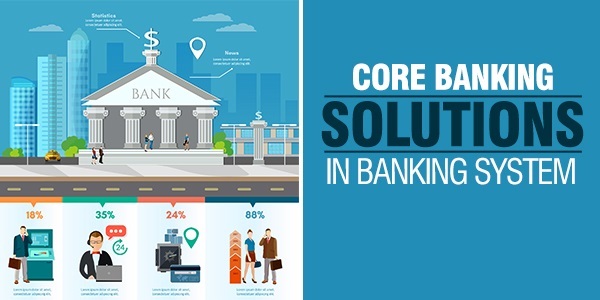
Core banking solutions are integrated software systems that manage a bank's most critical operations, including customer accounts, transactions, loans, deposits, and financial reporting. These systems centralize data and processes, enabling real-time access to banking services across all channels, such as branches, ATMs, online, and mobile banking.
Importance of Core Banking Solutions
Operational Efficiency: Automate routine tasks and streamline workflows, reducing manual intervention and errors.
Customer Experience: Provide seamless and consistent service across multiple channels.
Compliance: Ensure adherence to regulatory requirements with built-in compliance features.
Scalability: Support the bank's growth by easily accommodating increased transaction volumes and new services.
Data Analytics: Offer insights into customer behavior and business performance through advanced analytics.
Key Features of Core Banking Solutions
Customer Information Management: Centralized repository for customer data, enabling a 360-degree view of customer relationships.
Transaction Processing: Real-time processing of deposits, withdrawals, fund transfers, and payments.
Loan and Credit Management: Comprehensive tools for loan origination, servicing, and collections.
Deposits and Savings Accounts: Management of various deposit accounts, including interest calculations.
Financial Accounting: Integrated accounting and financial reporting capabilities.
Risk Management: Tools for monitoring and mitigating credit, market, and operational risks.
Compliance and Reporting: Automated compliance checks and regulatory reporting.
Digital Banking: Support for online and mobile banking, enabling 24/7 access to banking services.
Data Analytics and Reporting: Advanced analytics and reporting tools for business intelligence and decision-making.
Integration Capabilities: Seamless integration with third-party applications and services.
Factors to Consider When Choosing a Core Banking Solution
1. Scalability and Flexibility
Choose a core banking solution that can scale with your bank's growth and adapt to changing business needs. The solution should offer a modular architecture, allowing you to implement specific functionalities as required.
2. Integration Capabilities
Ensure that the core banking solution can seamlessly integrate with your existing systems and third-party applications. This will facilitate smooth data exchange and enhance overall operational efficiency.
3. Real-Time Processing
Real-time processing is crucial for delivering timely and accurate services to customers. Choose a core banking solution that supports real-time transaction processing and account updates.
4. Digital Banking Support
In the digital age, it is essential to offer robust digital banking services. Select a core banking solution that provides comprehensive support for online and mobile banking channels.
5. Risk Management and Compliance
Risk management and regulatory compliance are critical aspects of banking operations. Ensure that the core banking solution offers robust tools for managing risks and complying with regulatory requirements.
6. Customer Experience
The core banking solution should enhance the customer experience by providing seamless and consistent services across all channels. Look for features that enable personalized product offerings and targeted marketing campaigns.
7. Cost and ROI
Consider the total cost of ownership and the potential return on investment when selecting a core banking solution. Evaluate the upfront costs, ongoing maintenance expenses, and the long-term benefits of the solution.
8. Vendor Support and Reputation
Choose a core banking solution from a reputable vendor with a proven track record. Ensure that the vendor offers reliable support and regular updates to keep the system up-to-date and secure.
Implementation Strategies for Core Banking Solutions
1. Assess Your Needs
Before selecting a core banking solution, conduct a thorough assessment of your bank's needs and objectives. Identify the key functionalities and features that are essential for your operations.
2. Engage Stakeholders
Involve key stakeholders, including senior management, IT staff, and business users, in the selection and implementation process. Their input and support are crucial for the success of the project.
3. Develop a Roadmap
Create a detailed implementation roadmap that outlines the key milestones, timelines, and resources required for the project. This will help ensure a smooth and structured implementation process.
4. Select a Vendor
Choose a reputable vendor with a proven track record in delivering core banking solutions. Evaluate the vendor's capabilities, support services, and customer reviews before making a decision.
5. Conduct a Pilot
Before a full-scale rollout, conduct a pilot implementation of the core banking solution to test its functionality, integration capabilities, and performance in a controlled environment. This pilot phase allows you to identify any potential issues or challenges and make necessary adjustments before full deployment.
6. Training and Change Management
Provide comprehensive training for staff members on how to use the new core banking solution effectively. Develop a change management strategy to ensure smooth adoption and minimize resistance to new processes.
7. Data Migration
Plan and execute a structured data migration process to transfer existing customer data, transaction histories, and other relevant information to the new core banking system. Ensure data integrity and accuracy throughout the migration process.
8. Testing and Quality Assurance
Conduct rigorous testing of the core banking solution to validate its functionality, security, and performance under various scenarios. Implement quality assurance measures to identify and resolve any issues before going live.
9. Go-Live and Post-Implementation Support
Execute the full deployment of the core banking solution across all branches and channels. Provide ongoing support and monitoring during the initial phase to address any teething issues and ensure smooth operations.
Future Trends in Core Banking Solutions
1. AI and Machine Learning
Integration of artificial intelligence (AI) and machine learning (ML) technologies will enable core banking solutions to automate decision-making processes, personalize customer interactions, and detect fraud in real time.
2. Blockchain Technology
Blockchain has the potential to revolutionize transaction processing by providing secure, transparent, and tamper-proof ledgers. Core banking solutions incorporating blockchain can enhance security, reduce costs, and streamline cross-border payments.
3. API Banking
API banking allows banks to seamlessly integrate with third-party applications and services, enabling faster innovation and collaboration. Core banking solutions will increasingly offer robust API frameworks to support open banking initiatives.
4. Cloud-Based Solutions
Cloud computing offers scalability, flexibility, and cost-efficiency for core banking solutions. More banks will migrate to cloud-based core banking platforms to reduce infrastructure costs, improve agility, and enhance disaster recovery capabilities.
5. Cybersecurity Enhancements
With the increasing sophistication of cyber threats, core banking solutions will prioritize cybersecurity enhancements. Advanced encryption, biometric authentication, and continuous monitoring will become standard features to protect sensitive customer data and transactions.
FAQs About Core Banking Solutions
Q: How can a core banking solution improve operational efficiency?
A: By automating routine tasks, reducing manual errors, and providing real-time insights into financial operations.
Q: What should banks consider when migrating to a new core banking solution?
A: Factors include data migration capabilities, training and support provided, and the solution's alignment with long-term strategic goals.
Q: Is cloud-based core banking software secure?
A: Yes, reputable providers implement stringent security measures to protect sensitive financial data stored in the cloud.
Conclusion
Choosing the best core banking solution for your bank is a strategic decision that impacts operational efficiency, customer satisfaction, and regulatory compliance. By selecting a solution with robust features, scalability, and integration capabilities, banks can streamline processes, innovate faster, and deliver superior services to customers. The evolution of core banking solutions, driven by advancements in technology and changing customer expectations, promises a future where banks can thrive in a digital-first world. As banks continue to navigate challenges and opportunities in the financial landscape, investing in the right core banking solution will be crucial for sustainable growth and competitiveness.