

Tesla's earnings reports always attract the attention of investors. Let's review the latest data and key highlights from the company's reports.
Tesla is known for its ambitious plans: from the launch of Optimus robots to the development of the Cybercab self-driving taxi system and the release of the Semi trucks. It's also worth remembering that many of these things were promised to be implemented earlier. However, a significant portion of the stock's growth occurred after Donald Trump’s victory in 2024, when Elon Musk supported his campaign. After the third-quarter earnings report, the stock continued to rise, though this was more due to Musk's political influence than to the company's fundamental performance.
Financial results
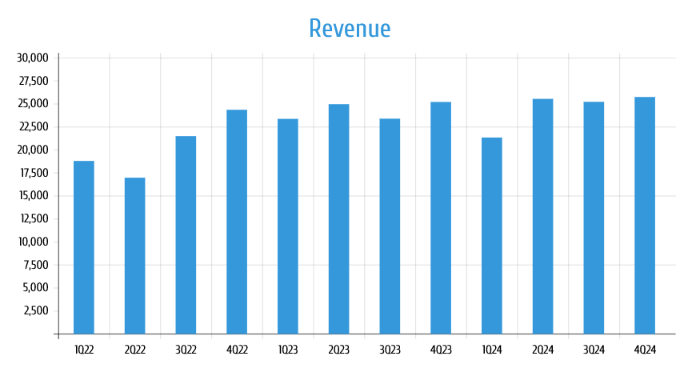
The company’s financial report was decent, though it did not show any significant breakthroughs. Revenue saw a slight increase compared to previous periods, mostly due to the energy business, which contributes around 15% of income.
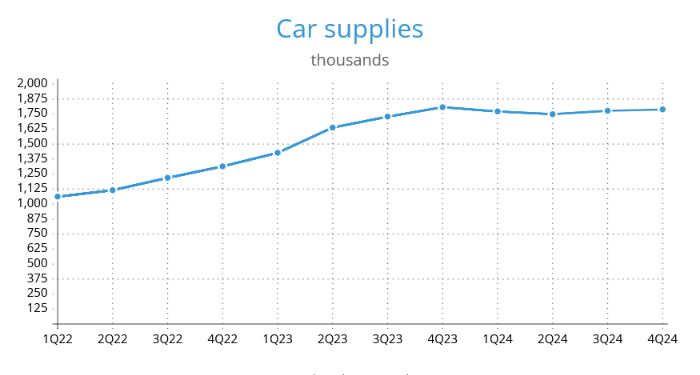
Vehicle deliveries remained almost at the same level – 1.8 million units, similar to the 2023 figure.
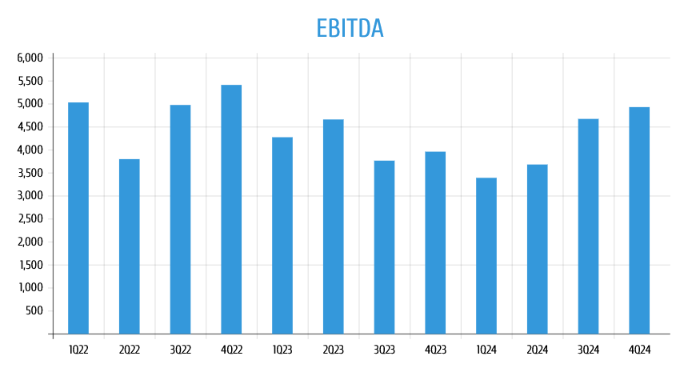
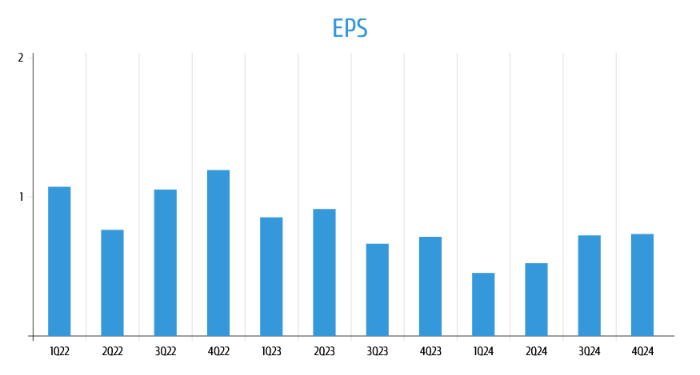
EBITDA and EPS metrics are also improving, but not enough to justify such a high market valuation of the company.
For example, EPS dropped from over one dollar to 0.73 dollars, despite efforts to reduce production costs.
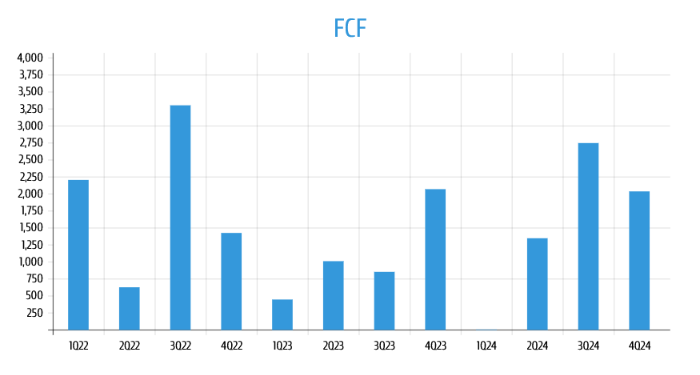
The company invested about 2 billion dollars in capital expenditures, which corresponds to average yearly levels.
Tesla's net debt is negative (-28 billion dollars), and shareholders' equity exceeds 70 billion dollars, indicating financial stability.
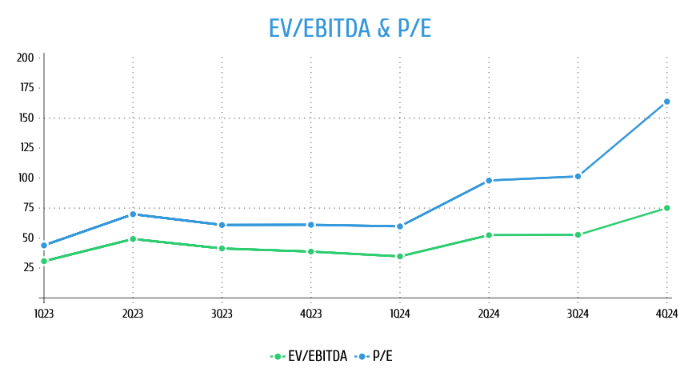
Despite all the achievements, Tesla’s market valuation appears inflated. A fair stock price should be closer to 40-50 dollars based on the EV/EBITDA multiplier, considering the company’s current opportunities.
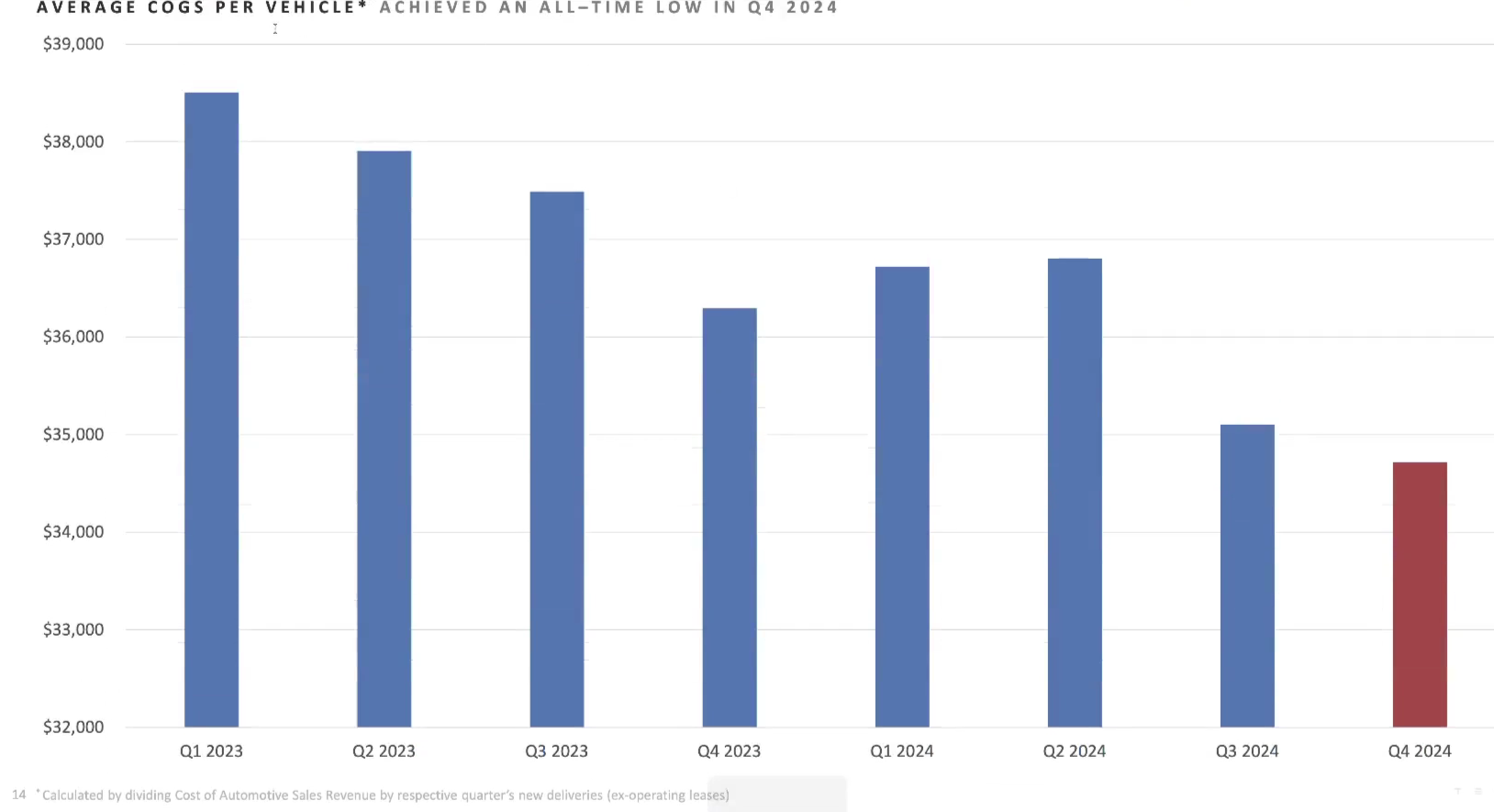
The average car price is 34,000 dollars, which should positively impact the EBITDA metrics.
Let’s note the new Model Y. According to the presentation, the starting price, initially 34,490 dollars, has now risen to 46,490 dollars.
In the coming years, the commissioning of newly constructed factories, development of the full self-driving (FSD) system, and investments in artificial intelligence and robotics are planned.
It is expected that by 2025, Tesla’s self-driving cars will be able to operate across the entire United States, although regulatory hurdles remain.
Conclusion
Overall, Tesla's report was good but not revolutionary. The company will have many new product launches in 2025, 2026, and 2027. Management describes the growth scale for 2027-2028 as "epic."
Let's fix the company's performance 2024 for the history:
EV/EBITDA = 99.1
P/E = 187.7
P/Bv = 18.3
ND/EBITDA = -2.2
If you hold Tesla shares, you can simply keep them. If we see a price correction, it may be a good opportunity to buy on the dip.
Become a member to receive more useful information. Thank you to everyone who shared the post on social media.
It is not an investment recommendation. Consult with a financial advisor before making investment decisions