

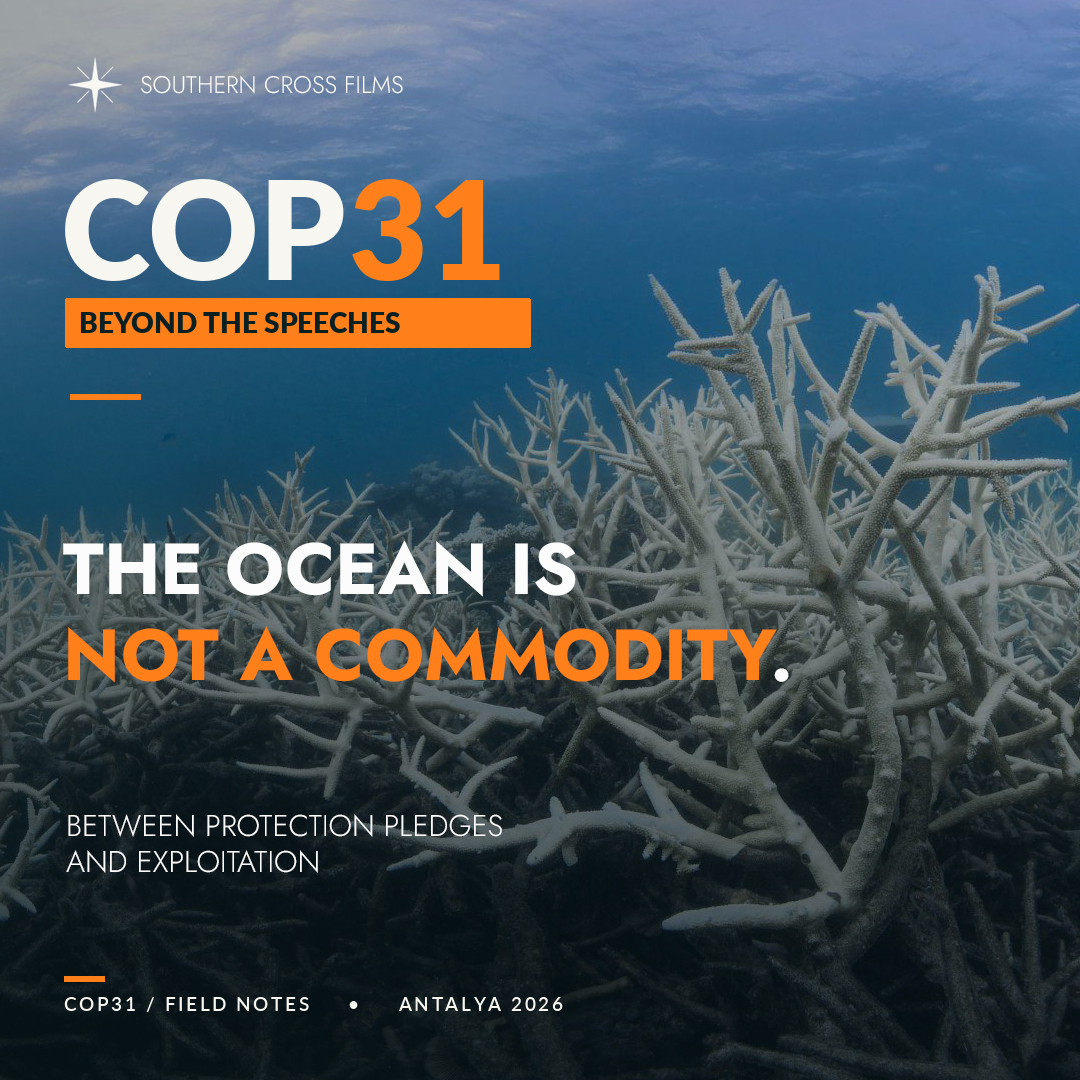
 Der Ozean ist keine Ware
Die Ozeane sind keine Randnotiz der Klimakrise. Sie regulieren das Klima, tragen unermessliche biologische Vielfalt und sichern die Lebensgrundlagen von Millionen Menschen. Trotzdem behandelt die internationale Politik sie häufig als Wirtschaftsraum: für Schifffahrt, Fischerei, Energiegewinnung und Rohstoffausbeutung.
Die Initiative von Inselstaaten und afrikanischen Ländern auf der COP31 könnte helfen, diese Perspektive zu verändern. Sie fordert, den Meeresschutz stärker mit der internationalen Klimapolitik zu verbinden und bei der nächsten globalen Bestandsaufnahme 2028 zu berücksichtigen.
Doch ein neuer Fahrplan allein schützt weder Korallenriffe noch Küstengemeinschaften. Entscheidend wird sein, ob daraus überprüfbare Verpflichtungen entstehen und ob die Menschen, die unmittelbar vom Meer leben, tatsächlich mitentscheiden.
Eine Klimapolitik, die den Ozean lediglich als Kohlenstoffspeicher oder wirtschaftliche Ressource betrachtet, verfehlt seine Bedeutung als lebendiges Ökosystem.
Wie können wir die Ozeane schützen, solange wir sie vor allem als Ressource für grenzenloses Wirtschaftswachstum betrachten?
The Ocean Is Not a Commodity
The oceans are not a footnote to the climate crisis. They regulate our climate, sustain extraordinary biodiversity and support the livelihoods of millions of people. Yet international politics continues to treat them primarily as economic territory: for shipping, fishing, energy production and resource extraction.
At COP31, an initiative backed by small island states and African countries seeks to challenge this perspective by integrating ocean protection more firmly into international climate negotiations and the next global stocktake in 2028.
But a new roadmap alone will not protect coral reefs or coastal communities. What matters is whether it leads to measurable commitments — and whether those whose lives, cultures and livelihoods depend on the ocean have a genuine say in the decisions.
Climate policy that regards the ocean merely as a carbon sink or an economic resource fails to recognise its fundamental importance as a living ecosystem.
How can we protect the oceans while continuing to treat them primarily as resources for endless economic growth?
SOURCES / QUELLEN
Climate Home News – COP31: Push for an Ocean Roadmap (12 November 2026)
https://www.climatechangenews.com/2026/11/12/push-ocean-roadmap-informs-next-global-stocktake-grows-cop31-antalya/
UNFCCC – COP31 Official Conference Information and Documents
https://unfccc.int/cop31
PHOTO CREDIT / BILDNACHWEIS
Pete Wintersteen / National Park Service (Public Domain)
https://npgallery.nps.gov/AssetDetail/082450cc-649f-4b15-acdd-f938ceef3237
#COP31 #OceanProtection #ClimateJustice #Biodiversity #OceanConservation #ClimateCrisis #MarineEcosystems #GlobalSouth #IndigenousRights #ClimateAction #ProtectOurOceans #BeyondGrowth #SouthernCrossFilms #TheLastGenerations