

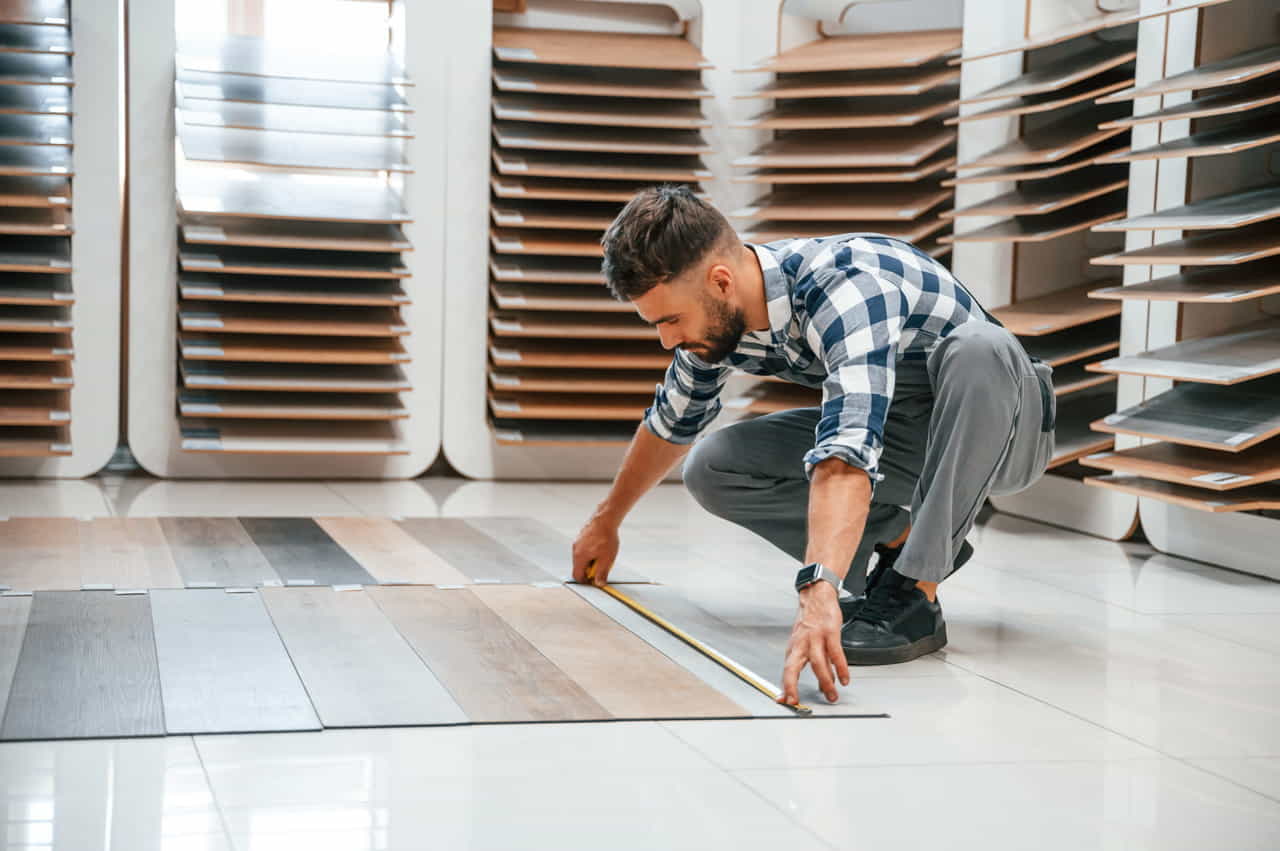
Flooring prices can shift quickly depending on material quality, installation labor, room size, and long-term maintenance needs, which leaves many homeowners searching for surfaces that balance appearance with manageable renovation spending. Lower-cost flooring products have improved dramatically during recent years, and many economical materials now provide stronger wear resistance, improved moisture protection, and more realistic textures than earlier products once delivered. Many homeowners researching inexpensive flooring options also want materials that stay attractive longer and avoid repeated repair costs after installation. “KBLR Construction regularly advises homeowners to compare moisture exposure, room traffic, and long-term cleaning needs before choosing flooring because replacing damaged surfaces too early usually costs more than selecting the right material from the beginning,” a company representative said.
EPA reports moisture affects flooring durability over time
Material selection changes installation pricing
Maintenance needs influence replacement costs
Affordable flooring material choices
Affordable flooring options continue attracting attention because homeowners want surfaces that refresh interior spaces without creating oversized remodeling costs, especially in kitchens, hallways, bedrooms, and laundry rooms where daily wear builds steadily. A homeowner replacing aging carpet with Luxury Vinyl Plank may quickly notice easier cleanup and fewer visible wear patterns because spills no longer soak deeply into the flooring surface, and that practical improvement often shapes future renovation plans. Flooring contractors encourage homeowners to compare room conditions before focusing only on price because a lower-cost floor installed in the wrong environment can wear down much faster. Several economical flooring materials stand apart for completely different reasons, which leads directly into the list below.
Daily foot traffic changes flooring lifespan
Humidity exposure affects flooring performance
Surface upkeep impacts long-term flooring value
1. Sheet vinyl flooring costs
Sheet vinyl remains one of the most economical flooring materials available because installation expenses often stay lower than plank or tile products, especially inside larger spaces where fewer seams are necessary. Waterproof protection also makes sheet vinyl appealing in bathrooms, kitchens, laundry spaces, and mudrooms where moisture exposure happens frequently throughout the week. Cleanup stays uncomplicated for busy households. The Centers for Disease Control and Prevention notes that smooth flooring surfaces are easier to sanitize and maintain inside moisture-prone environments where mold and bacteria become concerns over time.
Sheet vinyl helps reduce moisture penetration
Fewer seams lower water intrusion risks
Smooth surfaces simplify regular cleaning
2. Laminate flooring prices
Laminate flooring remains widely selected because it recreates the appearance of hardwood at a lower price while still handling moderate household traffic reasonably well. Modern laminate products often include thicker protective layers and stronger locking systems, which helps improve durability compared to older versions that chipped or separated more easily after years of regular use. Appearance strongly influences remodeling choices for many homeowners. The National Association of Home Builders reports that visual upgrades remain a major factor during flooring renovation projects.
Laminate recreates hardwood appearance
Protective layers strengthen scratch resistance
Floating systems shorten installation time
3. Luxury vinyl plank pricing
Luxury Vinyl Plank has become one of the fastest-growing flooring materials because it combines moisture resistance, durability, and realistic wood visuals while remaining less expensive than hardwood flooring. Many homeowners install Luxury Vinyl Plank throughout several rooms because the material handles pets, spills, humidity, and steady foot traffic without requiring constant maintenance or difficult cleaning routines. Durability changes long-term flooring value significantly. The EPA has connected moisture-resistant materials with healthier indoor environmental conditions and reduced material deterioration inside residential spaces.
Luxury Vinyl Plank handles moisture effectively
Realistic textures improve room appearance
Lower maintenance reduces future expenses
4. Peel and stick flooring
Peel and stick flooring remains one of the simplest flooring choices for homeowners looking to refresh smaller spaces without paying for complete professional installation. Many products install directly over existing surfaces, which helps reduce labor expenses while shortening renovation timelines for households trying to avoid lengthy remodeling disruptions. Convenience attracts many homeowners. Rental properties, utility spaces, and temporary living situations often benefit most because damaged sections can be replaced individually without major demolition work.
Installation requires fewer specialty tools
Replacement costs remain relatively manageable
DIY installation lowers labor expenses
5. Painted concrete floor options
Painted concrete flooring provides a useful alternative in garages, basements, workshops, and utility spaces where durability matters more than decorative finishes or softer walking surfaces. Concrete paints and sealers help protect surfaces from stains while giving homeowners more flexibility with colors and finishes than unfinished concrete typically provides by itself. Protective sealing improves longevity noticeably. The U.S. Department of Energy notes that concrete flooring may contribute to indoor temperature stability during changing seasonal conditions.
Concrete handles heavier traffic effectively
Painted finishes improve surface appearance
Sealers help reduce stain absorption
6. Carpet tile flooring costs
Carpet tiles give homeowners a lower-cost flooring solution that simplifies repairs because damaged sections can be replaced individually instead of removing the entire floor. Active households often appreciate that flexibility because spills, stains, and pet accidents usually happen in isolated spots rather than spreading across every part of the room. Repairs stay easier to manage during long-term use. Modular carpet sections can also reduce discarded material during future updates or room redesigns.
Individual tiles simplify flooring repairs
Modular sections reduce discarded material
Soft surfaces improve underfoot comfort
7. Engineered wood flooring prices
Engineered wood flooring gives homeowners the appearance of hardwood while lowering material costs compared to solid wood planks, which makes it appealing inside living rooms, bedrooms, and dining areas where natural finishes remain popular. Layered construction also improves dimensional stability during changing humidity conditions, although moisture exposure still requires caution in certain areas of the home where standing water becomes more common. Appearance still shapes remodeling decisions heavily. The National Wood Flooring Association explains that engineered wood products often handle seasonal movement more effectively than traditional hardwood flooring.
Engineered wood lowers hardwood expenses
Layered construction improves stability
Natural finishes maintain visual warmth
8. Cork flooring affordability
Cork flooring attracts homeowners searching for softer walking surfaces because the material naturally provides cushioning that feels gentler underfoot than harder flooring products like tile or concrete. Energy-conscious households also appreciate cork because it helps reduce sound transfer while providing modest insulation benefits inside bedrooms, offices, and quieter spaces throughout the home. Comfort changes everyday use noticeably for many families. Renewable cork harvesting has also made this flooring material attractive for homeowners interested in environmentally conscious remodeling decisions.
Cork absorbs sound effectively
Softer surfaces improve walking comfort
Renewable harvesting supports sustainability
9. Bamboo flooring value
Bamboo flooring gives homeowners another economical alternative to hardwood while still providing a clean wood appearance that complements many interior styles and decorating preferences. Strand-woven bamboo products handle wear more effectively than earlier bamboo flooring generations, which struggled with dents, scratches, and moisture exposure under heavier use conditions. Material quality affects flooring performance significantly. Homeowners comparing bamboo flooring should review hardness ratings carefully because manufacturing quality can vary considerably between products and brands.
Bamboo costs less than hardwood
Strand-woven products improve durability
Natural grain patterns enhance appearance
10. Linoleum flooring costs
Linoleum continues offering value for homeowners searching for resilient flooring materials with extended service lives and lower maintenance demands. Kitchens, mudrooms, laundry spaces, and utility rooms often benefit most because linoleum handles steady foot traffic while remaining easier to clean than textured flooring surfaces that trap dirt more easily. Longevity still influences remodeling choices strongly. The EPA recognizes linoleum as a flooring product made largely from renewable materials such as linseed oil and wood flour, which also appeals to environmentally conscious households focused on sustainable remodeling materials.
Linoleum handles steady foot traffic
Renewable materials support sustainability
Simple cleaning reduces upkeep time
Affordable flooring value comparison
Affordable flooring materials vary considerably because some prioritize moisture protection while others focus more heavily on comfort, visual appeal, or installation savings, and homeowners usually see the strongest long-term results when flooring matches the conditions where it will actually be installed. Luxury Vinyl Plank performs strongly inside moisture-prone spaces, laminate works well in lower-moisture living areas, and carpet tiles simplify maintenance inside rooms where stains happen regularly throughout the year. Long-term flooring value depends on more than upfront pricing alone. KBLR Construction frequently explains that flooring replacement costs rise fastest when homeowners install products poorly suited for heavy traffic, standing moisture, or changing humidity conditions that gradually weaken flooring materials over time.
Affordable Flooring Key Takeaways
Sheet vinyl remains one of the least expensive flooring materials
Luxury Vinyl Plank balances durability with lower upkeep
Laminate flooring creates hardwood appearance at reduced cost
Peel and stick flooring lowers installation expenses
Moisture resistance affects long-term flooring value