
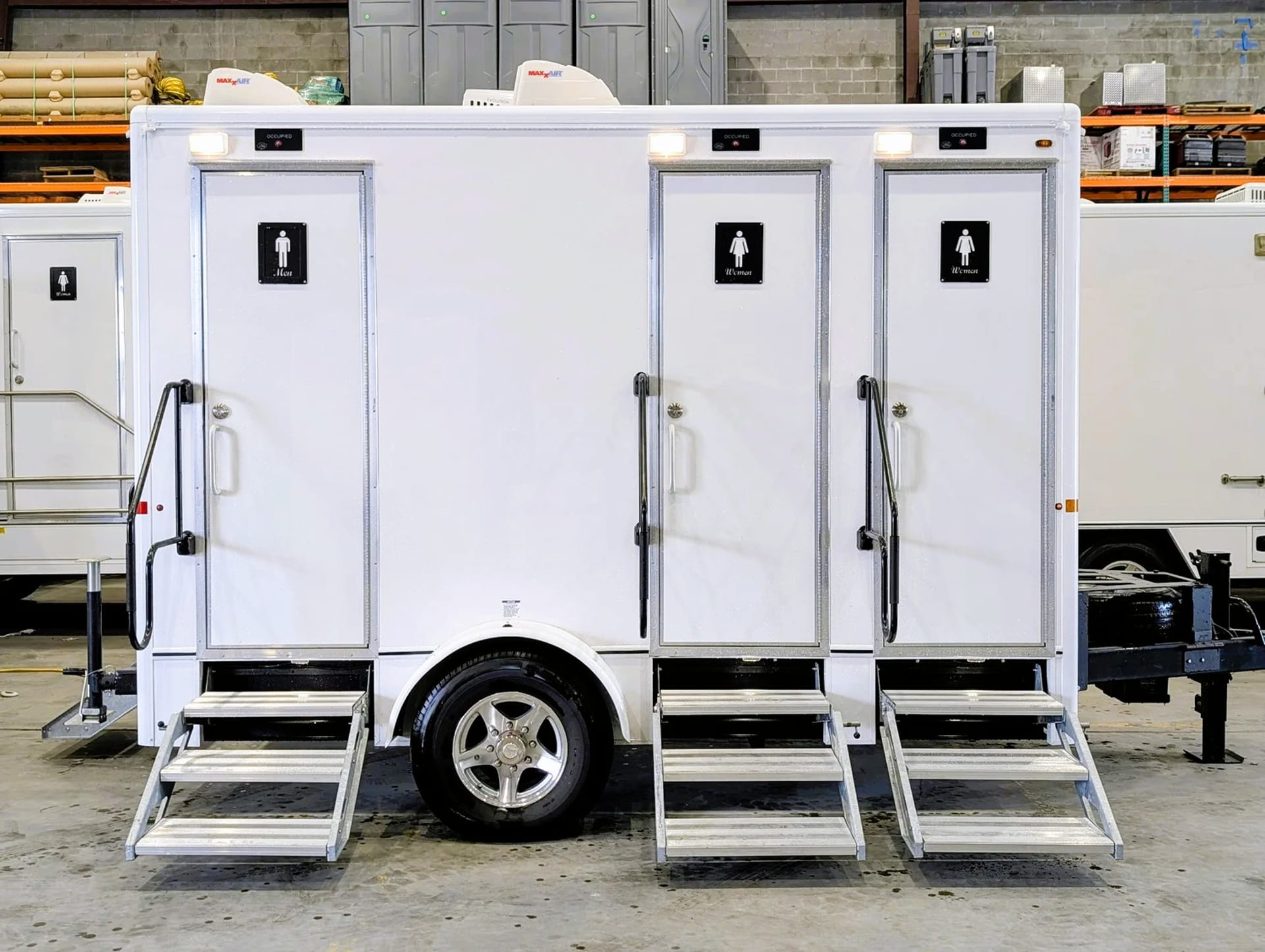
 Sanitation planning becomes a real pressure point once crowds arrive or work crews rotate through long shifts, because restrooms experience heavier use than any other shared facility. Porta-Let trailer rentals improve overall sanitation at large events by pairing controlled waste systems with dependable handwashing access and layouts designed for consistent upkeep. This article explains how sanitation outcomes shift when restroom trailers replace basic units and what planners should consider early. Pelican Events often advises that when restroom access and cleaning schedules reflect actual traffic patterns, sanitation issues decline quickly.
Porta-Let Trailer Rentals and Sanitation
Operational teams often notice sanitation gaps when temporary restrooms are undersized for real-world demand. A common situation involves multi-day events or active jobsites where lines grow long, handwashing gets skipped, and odors develop by mid-afternoon, followed by complaints. Restroom trailers interrupt this cycle through built-in sinks, flushing toilets, and service access that keeps facilities functional throughout the day. Managers gain steadier control over conditions.
• Predictable traffic flow limits congestion
• Integrated sinks support better hygiene habits
• Service access allows routine upkeep
Higher Hygiene Standards
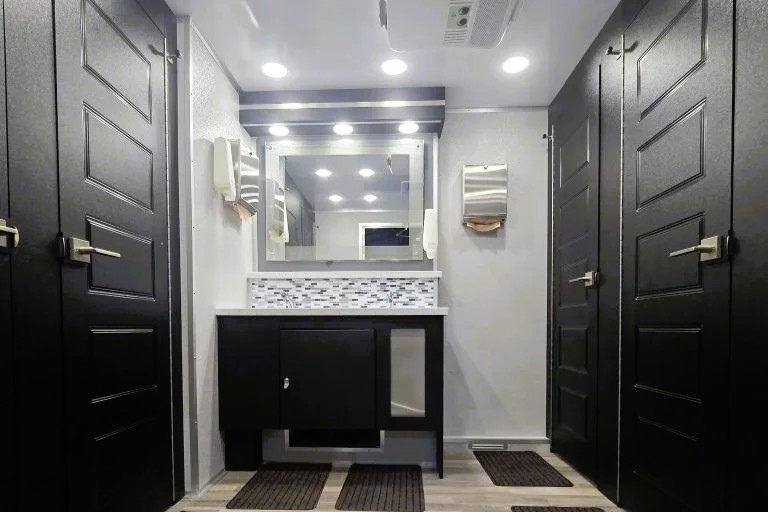
Hygiene improves when surfaces allow thorough, frequent cleaning, which restroom trailers support through sealed interiors and smooth, nonporous materials. Flushing toilets and enclosed stalls reduce exposure to waste compared with open systems under heavy use. The Centers for Disease Control and Prevention reports that proper sanitation and hand hygiene help reduce the spread of gastrointestinal illness in crowded environments. Cleaner spaces influence user behavior.
• Enclosed stalls reduce contact with contaminants
• Hard surfaces allow deeper cleaning
• Flushing systems limit lingering waste
Expanded Handwashing Access
Handwashing access remains central to sanitation control, especially in spaces where crowds move quickly. Restroom trailers position sinks inside the unit, removing the extra step that often causes people to skip washing. CDC guidance shows that washing hands with soap and water lowers infection risk more effectively than sanitizer alone in high-traffic settings. Placement supports consistency.
• Built-in sinks improve compliance
• Soap and towels enable proper technique
• Convenient layout reduces skipped steps
Improved Waste Containment
Waste containment problems tend to surface later in the day when systems are under sustained strain. Trailer-based restrooms rely on sealed holding tanks and managed plumbing designed to handle steady volume without leaks. The Environmental Protection Agency identifies contained waste management as essential for preventing environmental contamination at temporary sites. Odors remain controlled and predictable.
• Sealed tanks lower spill risk
• Managed plumbing supports peak usage
• Scheduled pump-outs preserve capacity
More Reliable Cleaning Frequency
Cleaning frequency improves when service teams can work without closing restrooms entirely. Restroom trailers give crews efficient access to floors, fixtures, and waste systems during planned service intervals. Occupational Safety and Health Administration guidance connects clean facilities with safer environments and fewer health complaints. Accessibility supports consistency.
• Easy access supports mid-day cleaning
• Minimal downtime keeps restrooms available
• Routine service prevents rapid decline
Better Crowd Flow Control
Crowd flow directly affects sanitation because long waits encourage rushed use and skipped hygiene steps. Trailer layouts with multiple stalls and defined entry points reduce bottlenecks and unnecessary surface contact. Public health research consistently links reduced congestion with lower transmission risk in shared facilities. Movement stays orderly.
• Multiple stalls shorten wait times
• Clear entrances limit clustering
• Faster turnover reduces surface contact
Climate-Controlled Interiors
Temperature and airflow influence cleanliness as much as comfort. Climate-controlled interiors reduce moisture buildup and slow bacterial growth, while ventilation removes odors and airborne particles. EPA indoor air quality resources connect proper ventilation with healthier shared spaces during heavy use. Conditions remain balanced throughout the day.
• Ventilation improves air circulation
• Temperature control limits bacterial growth
• Dry interiors support cleaner surfaces
Professional Event Appearance
Appearance shapes how people treat shared facilities, which directly affects sanitation outcomes. Well-maintained restroom trailers discourage misuse and vandalism, helping facilities stay cleaner longer. Facility management research shows that orderly environments encourage responsible behavior. Presentation sets expectations.
• Clean design discourages misuse
• Interior lighting improves visibility
• Solid construction supports durability
 Operational Analysis
Sanitation outcomes improve when design, access, and maintenance align with actual usage patterns rather than rough estimates. Restroom trailers address hygiene, waste control, and user behavior together, reducing reactive fixes and keeping operations steady. Event planners and site managers experience fewer complaints, smoother schedules, and healthier environments. Coordinating the right event rental equipment remains the deciding factor.
• Proper capacity prevents overload
• Maintenance access sustains cleanliness
• User behavior improves with quality facilities
Key Takeaways on Restroom Rentals for Sanitation at Large Events
• Integrated handwashing supports stronger hygiene
• Contained waste systems reduce exposure
• Routine cleaning remains possible without closures
• Crowd flow directly influences sanitation
• Appearance affects user behavior