

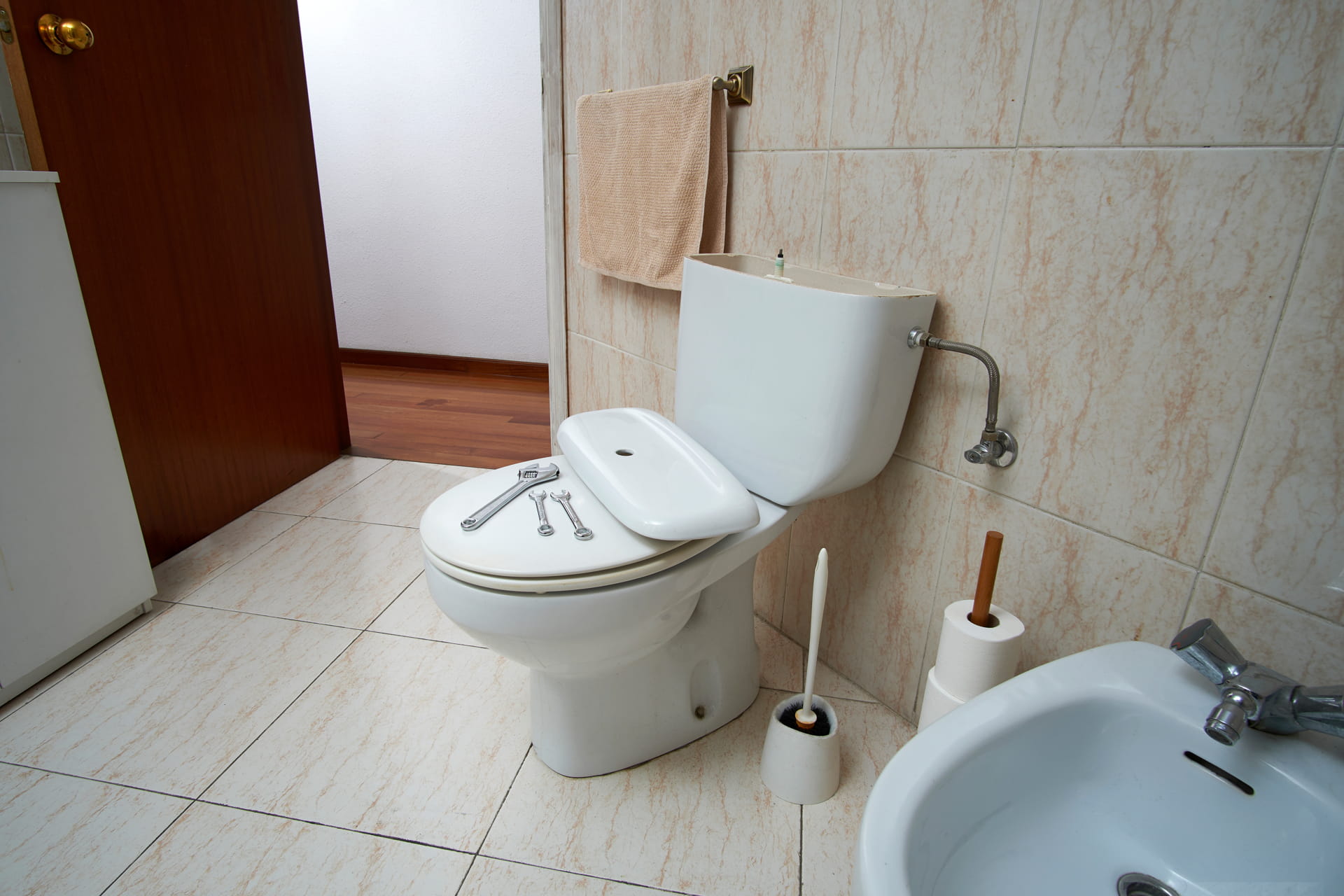
Constantly running toilets waste far more water than most homeowners realize, and the sound alone often signals a deeper mechanical issue hiding inside the tank. A variation of this topic often comes up when people ask why toilets keep running and how plumbers stop the waste before it affects monthly bills. This discussion breaks down the most common causes and explains how trained plumbers resolve them using proven methods. DiMarco Plumbing with plumbers in Mandeville explains that “running toilets are usually caused by small parts wearing out, not major failures, and early fixes prevent unnecessary water loss.”
Why Toilets Keep Running
Everyday experience shows plumbers how quickly minor toilet issues can turn into ongoing waste. A common situation involves a homeowner noticing the toilet refilling every few minutes overnight, which DiMarco Plumbing often traces back to a single worn component inside the tank. These recurring patterns allow plumbers to diagnose problems efficiently and apply fixes that restore proper shutoff behavior.
1. Worn Flapper Valve
A flapper valve controls the release of water from the tank into the bowl, and wear causes it to lose its seal over time. When the flapper fails to close completely, water continues leaking into the bowl, forcing the tank to refill repeatedly. The Environmental Protection Agency reports that worn flappers rank among the most frequent causes of running toilets in residential homes.
• Rubber flappers degrade with age
• Poor seals allow constant water flow
• Replacement restores proper shutoff
2. Faulty Fill Valve
Fill valves regulate how much water enters the tank after each flush, and malfunctioning valves fail to stop the flow at the correct level. Internal wear, mineral buildup, or misalignment can cause continuous refilling even when the tank appears full. The EPA estimates that toilets account for nearly 30 percent of indoor household water use, making fill valve problems a major contributor to waste.
• Valves control tank refill levels
• Malfunctions trigger nonstop refilling
• Adjustments or replacements resolve the issue
3. Incorrect Float Height
Float height determines when the fill valve shuts off, and improper settings allow water levels to rise too high. Excess water spills quietly into the overflow tube, creating constant flow without obvious leaks. Plumbers frequently recalibrate floats to match manufacturer specifications, restoring balance inside the tank.
• Float position controls shutoff timing
• High water levels cause overflow loss
• Proper adjustment prevents waste
4. Overflow Tube Leaks
Overflow tubes act as safety channels for excess water, yet they become a source of waste when water levels remain too high. Continuous overflow sends clean water directly into the bowl, bypassing the flushing process entirely. The U.S. Geological Survey highlights that silent leaks like these can waste hundreds of gallons per day if left unaddressed.
• Overflow tubes drain excess water
• High tank levels cause constant loss
• Corrections reduce daily water waste
5. Loose Flush Handle Chain
Flush chains connect the handle to the flapper, and incorrect length prevents proper closure. Chains that are too long tangle easily, while tight chains hold the flapper open longer than needed. Plumbers adjust chain length carefully to ensure smooth operation without restricting movement.
• Chain length affects flapper closure
• Tangling causes incomplete sealing
• Adjustments restore proper timing
6. Cracked Tank Components
Hairline cracks inside the tank allow water to escape slowly but continuously, often going unnoticed for long periods. These cracks typically form from age, manufacturing flaws, or sudden temperature changes. Plumbers inspect tanks thoroughly to determine whether repairs or replacement provide the safest solution.
• Cracks create silent leaks
• Damage worsens over time
• Inspection determines repair options
7. Aging Toilet Parts
Internal toilet components wear down gradually, even when no single failure stands out. Rubber seals stiffen, plastic parts weaken, and metal components corrode, all contributing to inefficient operation. The EPA notes that toilets older than 20 years often use significantly more water due to outdated internal designs.
• Aging parts lose sealing ability
• Multiple failures occur together
• Internal rebuilds restore efficiency
Running toilets share a common theme of small mechanical breakdowns that quietly lead to excessive water loss. Each cause discussed involves components designed to regulate flow precisely, and even slight deviations create ongoing waste that adds up quickly. Homeowners who understand these internal mechanics gain clarity on why professional repairs outperform temporary fixes, especially when multiple aging parts interact inside the tank. Professional plumbers emphasize that addressing these issues early protects both water resources and plumbing longevity.
KEY TAKEAWAYS FOR WHY TOILETS KEEP RUNNING
• Worn internal parts often cause continuous water flow
• Silent leaks waste significant amounts of water daily
• Professional diagnosis prevents repeated failures