

Cool indoor air feels especially important when temperatures rise, yet many homeowners suddenly notice their AC losing strength or consistency. Warm vents, sluggish airflow, and uneven cooling often point to issues that have been developing gradually. These problems typically start small and grow more noticeable over time. HVAC professionals frequently explain that most AC repair situations stem from overlooked maintenance or small inefficiencies that snowball into bigger concerns. IKAG HVAC Services often reminds homeowners that “proper system sizing keeps temperature, humidity, and energy use working together instead of fighting each other,” and that balance shows up in everyday comfort.
1. Severely Clogged Air Filters Reducing Circulation
A severely clogged filter restricts the flow of air through the system, forcing the AC to work harder than necessary. This pressure increases energy consumption and raises utility costs while also straining internal components such as blowers and coils. Poor filtration even allows dust to build up inside the system, reducing cooling strength. The U.S. Department of Energy reports that a clean filter can lower energy usage by up to 15%.
Replace filters based on usage, pets, and indoor dust levels.
Use well-sized filters designed specifically for your system.
Keep registers and vents open and unobstructed.
Consistent filter care improves airflow, protects vital parts, and helps maintain cleaner indoor air.
2. Inadequate Refrigerant Levels Weakening Cooling Power
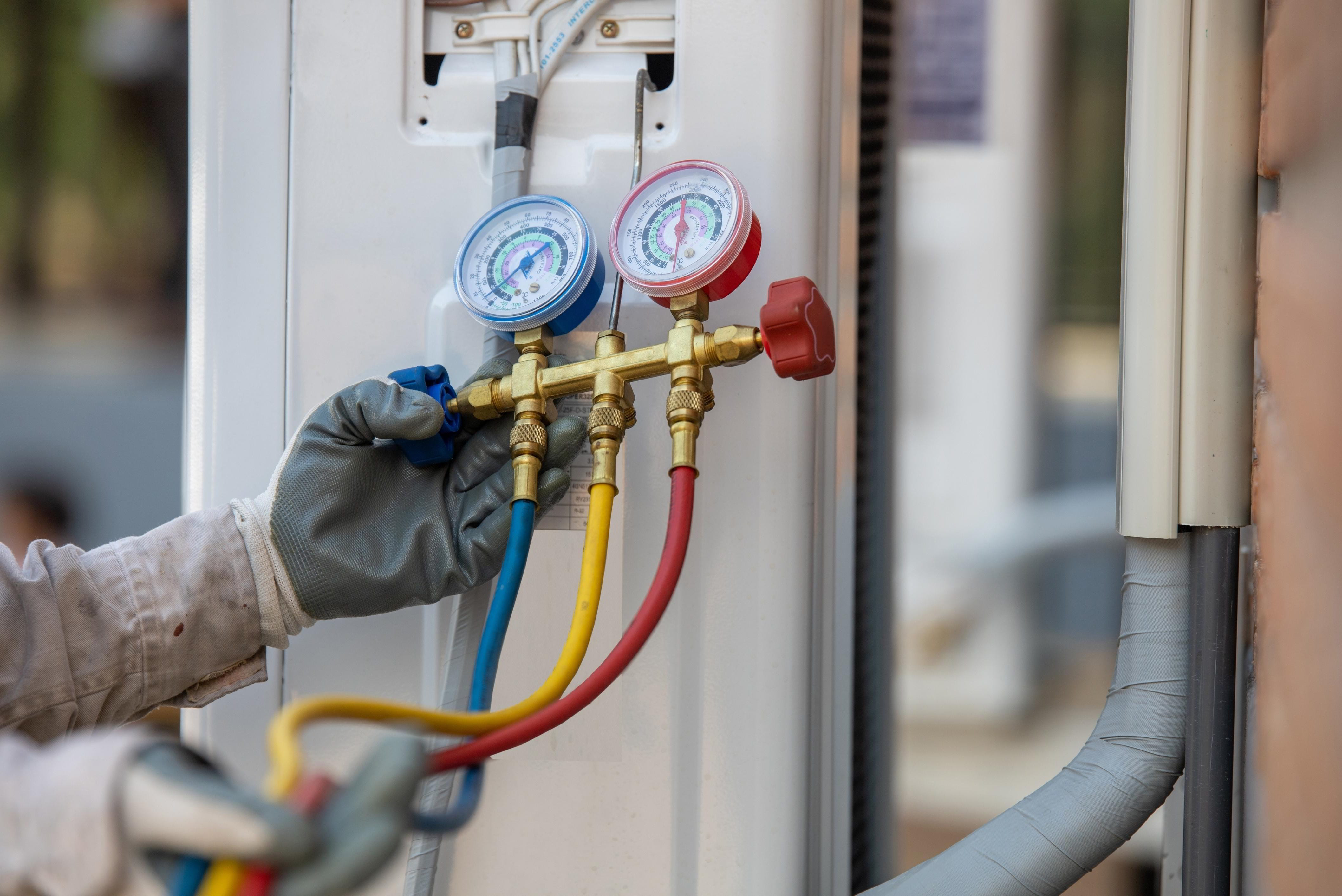
Refrigerant absorbs heat from indoors and releases it outside, but cooling performance drops sharply when levels fall. Leaks or improper charging lead to warm air from vents, ice on coils, and excessive run times. These symptoms gradually worsen until a technician identifies the root cause. The Environmental Protection Agency (EPA) requires certified professionals to handle refrigerant safely, ensuring proper repair and environmental compliance.
Listen for soft hissing or bubbling near refrigerant lines.
Watch for ice forming on indoor coils or refrigerant tubing.
Request a thorough leak detection before adding new refrigerant.
Correct refrigerant levels restore cooling intensity, protect compressors, and prevent escalating repair costs.
3. Outdoor Condenser Obstructed by Dirt and Yard Debris
The outdoor condenser releases heat absorbed from your home, but debris around the unit prevents proper airflow. Dirt, leaves, and built-up pollen insulate the coils, making heat transfer far less efficient. This forces the system to work harder and raises operating temperatures. The U.S. Department of Energy recommends clearing at least two feet of space around the condenser for steady performance.
Clear vegetation, clutter, and heavy buildup from the area.
Rinse coils gently to remove dust and grime.
Ensure decorations, fences, or storage items are positioned away from the unit.
A clean, open condenser area improves heat release and helps the AC operate more efficiently, especially during hotter days.
4. Ice-Covered Evaporator Coils Stopping Heat Exchange
Evaporator coils freeze when airflow becomes blocked or refrigerant pressure drops too low. Once ice forms, the coil can no longer absorb heat properly, causing the system to blow warm air or shut down prematurely. Frozen coils often lead to moisture issues as the ice melts. The Department of Energy identifies coil freeze as a significant factor in residential cooling inefficiencies.
Turn the AC off and let the coil thaw fully.
Check vents and filters to ensure strong airflow.
Request a technician to evaluate refrigerant pressure and airflow balance.
Preventing coil freeze helps keep temperatures stable and avoids unnecessary strain on compressors and fans.
5. Calibration Problems with the Thermostat
A thermostat that reads temperatures incorrectly can disrupt the entire cooling cycle. Faulty sensors, weak batteries, or outdated components cause erratic cooling patterns and uncomfortable indoor conditions. Small issues with thermostat placement, even direct sunlight, can skew readings. Energy.gov recommends keeping thermostats away from windows, electronics, and heat sources to maintain accuracy.
Replace batteries at least twice a year.
Reposition the thermostat if exposed to misleading heat sources.
Upgrade to a modern thermostat for more precise temperature management.
Accurate thermostat readings help the system operate smoothly, reducing unnecessary run times and improving comfort.
6. Air Duct Leaks Letting Cooled Air Escape
Air ducts play a major role in distributing cooled air, but leaks allow that air to escape before reaching interior rooms. These leaks contribute to uneven temperatures, noisy airflow, and rising energy costs. According to the U.S. Department of Energy, duct leakage accounts for an estimated 20–30% of cooling loss in many homes. Poorly sealed joints also allow dust and insulation particles into the air stream.
Inspect ducts for loose connections, gaps, or deteriorated insulation.
Seal problem spots using long-lasting mastic or foil-backed tape.
Add insulation to ducts running through hot attic or crawlspace areas.
Tight, insulated ducts deliver cooling evenly throughout the home and significantly reduce wasted energy.
7. Older or Poorly Sized AC System Failing to Keep Up
Older AC units gradually lose cooling strength as motors, coils, and compressors wear out. Systems that are too small for the home run nearly nonstop and still fail to meet thermostat demands. Even well-maintained older units eventually become inefficient due to outdated technology. ENERGY STAR research shows that modern high-efficiency AC systems can reduce cooling costs by up to 20%.
Schedule a professional load calculation for accurate sizing.
Upgrade to a higher-SEER model for stronger performance and better efficiency.
Keep maintenance up-to-date to extend the life of newer systems.
A properly sized, modern AC system cools more effectively, uses less energy, and delivers more consistent comfort.
Expanded Insight into Cooling Performance Decline
AC problems rarely stem from a single cause. A dirty filter might reduce airflow, which then triggers coil freeze, while low refrigerant can strain the compressor and weaken cooling output. Layered issues like these make regular maintenance incredibly important. The U.S. Energy Information Administration reports that cooling accounts for roughly 12% of household electricity use, reinforcing how meaningful efficiency improvements can be.
Homeowners who pay attention to early changes, slower cooling, strange noises, warmer air, preserve system lifespan and reduce repair costs. Proactive care supports steady performance through the hottest months.
Key Takeaways Why AC Systems Lose Cooling Efficiency
Severely clogged filters restrict airflow and raise energy usage.
Refrigerant leaks require immediate professional intervention.
Outdoor condenser coils must stay clean to release heat efficiently.
Thermostat accuracy plays a major role in cooling consistency.
Air duct leaks and older systems create significant cooling loss.
Recognizing these patterns early helps ensure reliable cooling and fewer unexpected breakdowns.