

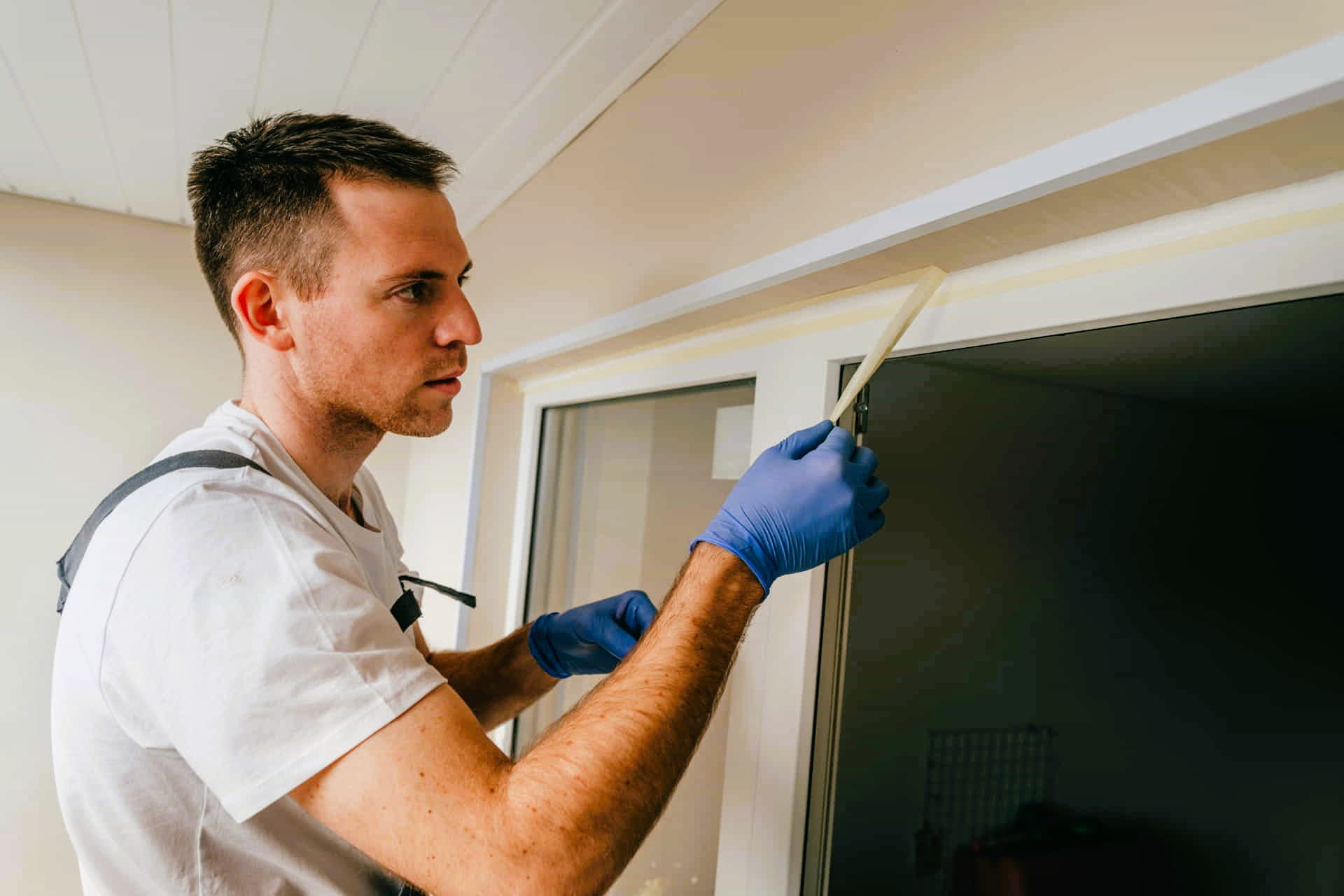
Even color on walls looks simple until uneven patches, thin areas, or shadowed streaks start to appear after drying. Homeowners and business owners often notice these issues when lighting changes or furniture moves, which makes the problem feel bigger over time. There are specific methods professional painters use to achieve consistent color coverage that you can utilize when planning interior or exterior projects. The sections below explain the methods painters rely on, with guidance shared by commercial and residential painters in Covington, Ponderosa Painting, who explain that “uniform color starts long before the first coat touches the surface.”
Color variation often shows after paint dries
Lighting changes reveal uneven areas
Preparation affects final appearance
How-To Methods Painters Use
Professional painters approach color consistency as a controlled process rather than a guessing game. Experience teaches them that walls rarely behave the same from one room to the next, even when paint comes from the same container, and adjustments happen constantly during application. A common example involves two adjacent rooms where one wall absorbs paint faster due to prior repairs while the other stays smooth and sealed. Skilled painters adapt techniques on the fly.
Observation during application
Adjustments based on surface behavior
Experience guiding decisions
1. Proper Surface Preparation
Surface preparation controls how paint bonds and spreads across walls and trim. Dust, grease, and old residue interrupt adhesion, which the U.S. Department of Housing and Urban Development links to premature coating failure in maintenance guidance. Painters clean, patch, and smooth surfaces so absorption stays even. Clean surfaces support balanced coverage.
Cleaning removes adhesion barriers
Patching evens surface texture
Sanding controls absorption
2. Primer Selection Matching Surfaces
Primer creates a uniform base that limits how much paint soaks into different areas. The Environmental Protection Agency highlights primers as a key factor in managing moisture and surface stability on painted materials. Painters choose primers based on drywall, wood, masonry, or repaired areas to avoid flashing. Proper primer reduces color shift.
Primers control absorption rates
Surface-specific products matter
Moisture management improves results
3. Controlled Paint Mixing Techniques
Paint color can vary slightly between containers, even when labeled the same shade. Painters mix multiple containers together to create a consistent batch before application, which prevents subtle tone changes across walls. This practice remains common in large spaces where coverage spans multiple gallons. Mixed batches maintain uniform shade.
Combining containers reduces variation
Batch mixing supports uniform tone
Large areas benefit most
4. Even Application Methods
Brushes, rollers, and sprayers each lay paint differently, and technique influences how color settles. Painters maintain steady pressure and overlap patterns to avoid lap marks, which become visible as paint dries. OSHA safety guidance also supports controlled movements that reduce fatigue and uneven strokes. Steady motion creates balance.
Consistent pressure during application
Overlapping strokes reduce lines
Controlled movement limits fatigue
5. Consistent Coat Thickness
Paint applied too thin allows the surface beneath to show through, while heavy coats dry unevenly. Painters watch thickness carefully so each section receives similar coverage. The EPA notes that proper film thickness supports durability and appearance. Balanced coats prevent blotchy areas.
Thin coats cause show-through
Heavy coats dry unevenly
Balanced thickness improves appearance
6. Lighting Condition Awareness
Lighting affects how painters see color while working, which changes perception during application. Natural and artificial light reveal flaws differently, so painters adjust angles and check walls from multiple viewpoints. This habit catches missed spots early. Light reveals truth.
Natural light shows surface texture
Artificial light reveals streaks
Multiple viewing angles help
7. Drying Time Management
Drying time between coats influences how evenly paint settles and cures. Rushing additional coats traps moisture, which the EPA associates with adhesion problems and uneven sheen. Painters follow recommended drying intervals based on temperature and humidity. Patience supports consistency.
Drying time affects sheen
Humidity influences cure rates
Spacing coats prevents defects
Why These Methods Work Together
Each method supports the others, creating a process where problems are reduced before they appear. Preparation controls absorption, primers stabilize surfaces, and technique keeps application steady across rooms and buildings. When combined, these steps limit surprises after drying. Systems outperform shortcuts.
Preparation supports application
Technique reinforces consistency
Process reduces rework
Long-Term Impact on Finished Spaces
Consistent color coverage improves how spaces age over time rather than only how they look on day one. Even finishes wear more predictably and remain easier to maintain. Homeowners and business owners notice fewer touch-up needs. Uniform work lasts longer.
Predictable wear patterns
Reduced maintenance needs
Longer visual appeal
Professional Insight From Experience
Ponderosa Painting emphasizes that consistent color depends on controlling variables rather than reacting to mistakes. Their guidance reflects years of observing how surfaces respond under different conditions. That experience shapes decisions before problems form. Knowledge prevents correction.
Experience guides preparation
Observation informs technique
Planning limits rework
Key Takeaways on Methods for Consistent Color Coverage
Consistent color coverage results from preparation, product choice, application technique, and timing working together. Government guidance from agencies like HUD, OSHA, and the EPA reinforces these practices through research on coatings, safety, and durability. Painters who follow structured methods produce finishes that hold their appearance longer. Systems create reliability.
Preparation controls absorption
Technique affects appearance
Timing supports durability