

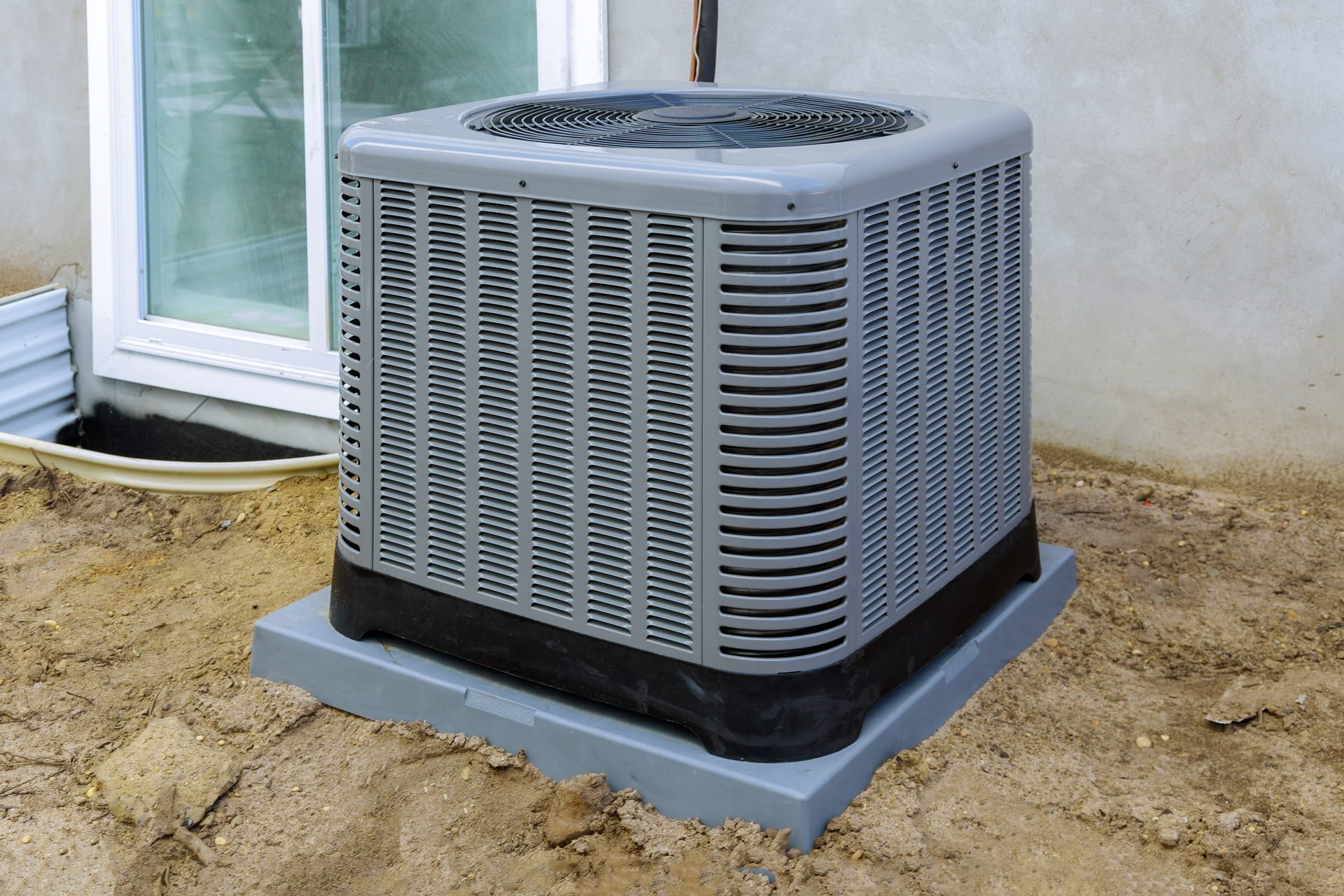
 Air conditioners are engineered to provide consistent cooling for many seasons, yet lifespan depends on more than just the passing of time. Understanding how long an air conditioner lasts means looking closely at how system design, operating conditions, and ongoing care interact year after year. A closer perspective shows how everyday choices and early decisions can subtly shorten or extend useful life. Tropical Air Kare explains, “Air conditioning systems usually wear down through steady daily use rather than sudden failure, and that process starts long before cooling completely stops.”
What Affects How Long an Air Conditioner Lasts
Technicians routinely see systems installed around the same year age in very different ways. One unit may still cool evenly and reliably, while another struggles despite similar usage. That difference often comes down to installation quality, maintenance consistency, and workload balance. Lifespan develops gradually, not all at once.
Early setup shapes long-term reliability
Daily operating habits leave lasting marks
Maintenance routines guide durability
Average System Lifespan
Most residential air conditioners are expected to operate for roughly 12 to 15 years, according to the U.S. Department of Energy. Some systems exceed that range, while others fall short due to heavier strain or missed upkeep. Lifespan reflects averages rather than guarantees. Actual performance can vary widely.
Typical lifespan follows a broad range
System design influences durability
Operating conditions affect outcomes
Installation Quality Impact
Installation quality sets the foundation for how long an air conditioner lasts. Improper sizing, uneven airflow, or loose electrical connections introduce extra stress from the first cooling cycle. The U.S. Department of Energy links installation errors to reduced efficiency and shorter service life. Early flaws often resurface later.
Incorrect sizing increases workload demands
Airflow design affects internal balance
Initial mistakes shorten system longevity
Maintenance Frequency Effects
Consistent maintenance plays a major role in preserving lifespan. Inspections help uncover dirty coils, worn belts, or loose connections before damage spreads. Federal energy guidance shows serviced systems retain performance longer than neglected ones. Skipped service allows hidden wear to build quietly.
Routine checks reduce unseen strain
Cleaning supports steady heat transfer
Preventive care slows long-term decline
Climate Exposure Stress
Climate conditions strongly influence how hard an air conditioner works throughout the year. Systems exposed to extended heat and humidity operate more often and for longer stretches. The U.S. Department of Energy associates longer run times with faster mechanical wear. Climate stress adds cumulative workload.
High heat increases operating hours
Humidity strains moisture control
Long cooling seasons accelerate aging
Usage Patterns Over Time
Usage patterns matter just as much as system design. Near-constant operation during peak demand wears components faster than balanced cycling. Homes and businesses with extended occupancy or higher cooling needs place added strain on equipment. Daily workload shapes longevity.
Continuous use increases component fatigue
Occupancy levels affect demand
Balanced cycling supports system health
Component Wear Progression
Individual components age at different rates inside an air conditioner. Compressors, motors, and electrical parts gradually lose efficiency as heat and friction build. The U.S. Department of Energy explains that component wear lowers system output well before total failure. Decline often shows up as weaker cooling.
Compressor wear limits heat removal
Motor fatigue reduces airflow
Electrical components degrade gradually
System Efficiency Decline
Efficiency naturally decreases as air conditioners age, even while systems still operate. Lower efficiency forces longer run cycles to achieve the same temperature settings. Federal energy data links declining efficiency to higher operating stress and energy use. A/C efficiency loss often signals later stages of system life.
Longer cycles follow efficiency loss
Higher energy use adds strain
Performance decline speeds wear
How These Factors Work Together
Air conditioner lifespan depends on how these influences combine rather than acting alone. Installation quality affects maintenance needs, while climate stress amplifies usage patterns. Tropical Air Kare often recommends reviewing system age alongside performance history. Balance helps extend reliability.
Multiple factors overlap
Imbalance accelerates wear
Broader evaluation supports planning
Long-Term Reliability and Planning
Reliable cooling depends on recognizing wear before failure arrives. Owners who monitor efficiency changes and service records gain better control over replacement timing. Federal guidance supports proactive planning over reactive decisions. Stability supports comfort and budgets.
Monitoring reveals early decline
Planning reduces surprise breakdowns
Predictability supports budgeting
Why Air Conditioner Lifespan Varies So Widely
No two systems operate under identical conditions. Differences in the air conditioner installation quality, care habits, climate exposure, and daily demand create wide lifespan ranges among similar models. Tropical Air Kare explains that warning signs usually appear well before failure. Awareness preserves options.
Conditions vary by property
Care habits influence longevity
Early signals often appear
Key Takeaways on How Long an Air Conditioner Lasts
Most systems last about 12 to 15 years
Installation quality strongly affects durability
Maintenance frequency slows component wear
Climate and usage increase workload stress
Efficiency decline signals aging equipment