

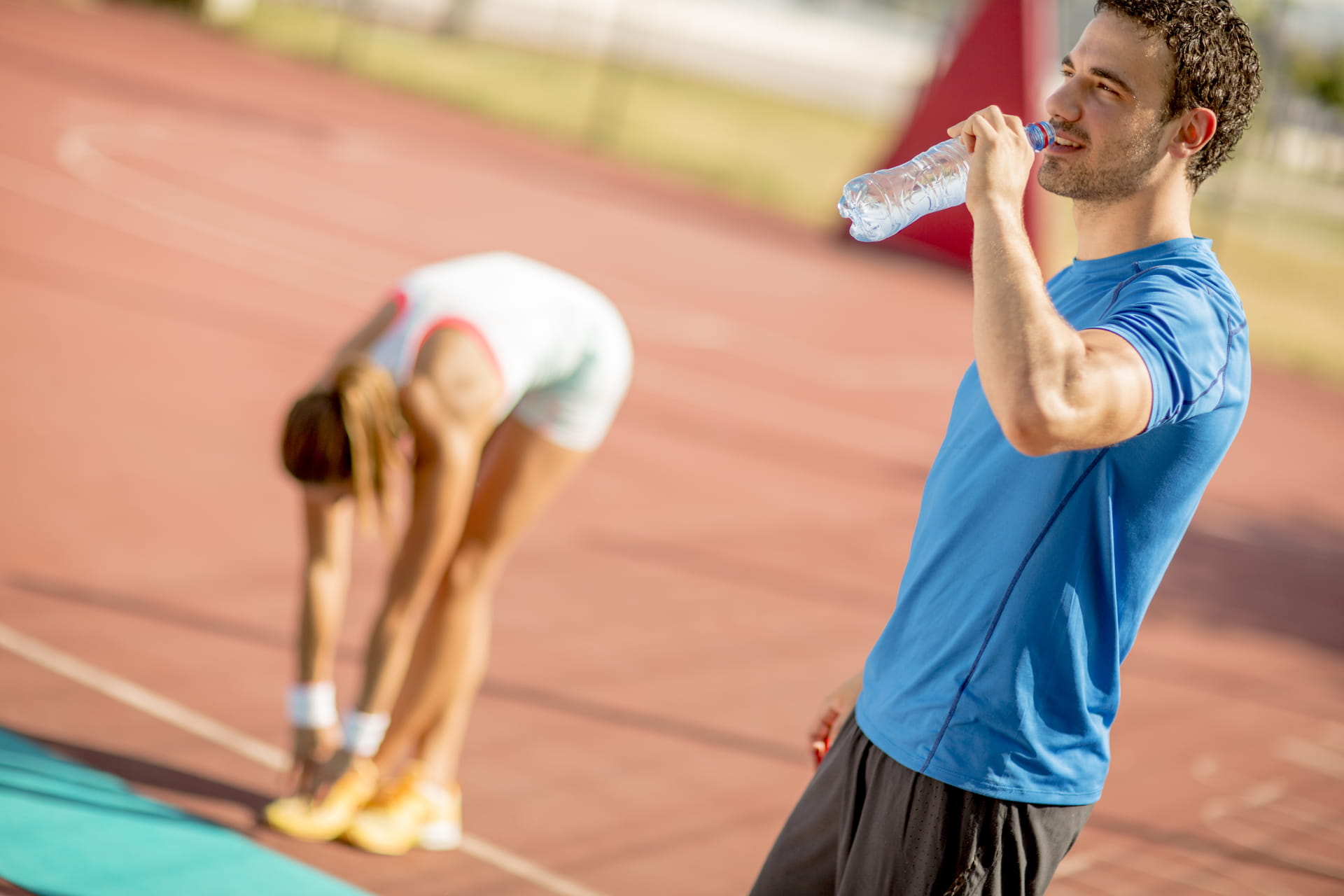
Rising temperatures and longer training cycles have made heat safety a serious concern across all levels of sports. Coaches, parents, and athletes are paying closer attention to how the body reacts under sustained heat exposure, especially during intense training sessions. Preventing heat illness in sports requires preparation, awareness, and steady habits that support both performance and safety at the same time. “Preparation off the field directly impacts safety on the field, and when athletes, coaches, and parents commit to consistent hydration and heat awareness strategies, the risk of heat illness drops significantly while performance stays strong,” explains EPIC Education and Consulting.
Heat illness remains a leading cause of preventable death in youth athletics according to the CDC
High humidity reduces the body’s ability to cool itself efficiently
Early prevention strategies lower emergency incidents significantly
Prevent Heat Illness in Sports Safely
Veteran coaches often recall moments where a normal practice suddenly changed once an athlete showed early signs of overheating, which demonstrates how quickly conditions can shift under direct sun exposure. Teams that follow structured heat safety plans tend to avoid these situations and maintain more stable performance throughout the season. EPIC Education and Consulting emphasizes proactive preparation, stating, “Athletes perform at their best when safety protocols are treated as part of training, not an afterthought.” Awareness matters. Consistency matters more.
Structured routines strengthen athlete confidence
Prepared teams react faster to early warning signs
Consistent habits reduce heat-related interruptions
1. Proper Hydration Before Activity
Hydration begins well before athletes step onto the field, and starting even slightly dehydrated places additional strain on the body as temperatures rise. The National Athletic Trainers’ Association reports that dehydration as low as 2 percent body weight loss can reduce performance and increase heat illness risk. Athletes who drink fluids steadily throughout the day enter activity with a more balanced internal cooling system already in place, which supports endurance during intense sessions. Preparation sets the tone. It always does.
Encourage steady fluid intake several hours before activity begins
Avoid sugary drinks that may slow fluid absorption
Track hydration through simple urine color checks
2. Hydration During Sports Activity
Fluid loss during exercise occurs rapidly, especially in hot and humid environments where sweat rates increase significantly, sometimes exceeding one liter per hour. Scheduled water breaks help athletes stay ahead of dehydration instead of reacting after symptoms appear, which often comes too late. Coaches who build hydration into practice plans create a safer environment where performance remains steady rather than declining under stress. Small sips add up. They matter more than most realize.
Provide water breaks every 15 to 20 minutes during activity
Encourage athletes to drink regularly even without thirst
Include electrolyte drinks during extended sessions
3. Gradual Heat Acclimatization Process
Heat acclimatization allows the body to adapt to higher temperatures over time, improving sweat response and reducing cardiovascular strain during activity. Research from the Korey Stringer Institute shows that proper acclimatization over 7 to 14 days significantly lowers the risk of heat illness. Athletes exposed gradually to heat conditions perform better and recover more efficiently because their bodies adjust to environmental stress instead of resisting it. Slow progression works. Rushing does not.
Start with shorter and less intense practices
Increase duration and intensity gradually over several days
Monitor athlete responses closely during early sessions
4. Monitoring Heat Index Conditions
Environmental conditions play a major role in heat illness risk, and the heat index provides a more accurate reading than temperature alone because it accounts for humidity. The National Weather Service recommends modifying or canceling outdoor activity when heat index levels reach unsafe thresholds. Coaches who review conditions before practice can make informed decisions that protect athletes without compromising long-term performance goals. Smart adjustments protect seasons. They truly do.
Use reliable weather tools to track heat index levels daily
Adjust practice times to cooler parts of the day
Cancel or shorten sessions when conditions become unsafe
5. Appropriate Clothing and Equipment Choices
Clothing and equipment can either support cooling or trap heat, which makes gear selection a critical part of heat safety. Lightweight, breathable fabrics allow sweat to evaporate more effectively, while heavy gear can increase internal body temperature quickly during activity. The CDC highlights that reducing excess equipment during extreme heat can significantly lower heat-related risks in athletes. What athletes wear matters. It affects everything.
Choose light-colored and moisture-wicking materials
Limit use of full protective gear during high heat conditions
Use cooling towels or similar tools during breaks
6. Recognizing Heat Illness Warning Signs
Early recognition of heat illness symptoms can prevent serious medical emergencies, and quick action often determines whether an athlete recovers smoothly or faces complications. Signs such as dizziness, confusion, nausea, or unusual fatigue should never be ignored during practice or competition. The CDC stresses that immediate removal from activity and rapid cooling are essential steps when symptoms appear. Awareness saves time. Time saves lives.
Watch for confusion or unusual behavior
Monitor for excessive sweating or lack of sweating
Remove athletes from activity at the first sign of distress
7. Post Activity Cooling and Recovery
Recovery after activity plays a significant role in preventing lingering heat stress, especially after long or intense sessions in elevated temperatures. Cooling strategies such as shaded rest areas, cold fluids, and gradual cooldown periods help the body return to a stable baseline. Athletes who recover properly are less likely to experience cumulative heat strain over consecutive days of training. Recovery matters just as much as preparation. Sometimes more.
Provide shaded or air-conditioned recovery spaces
Encourage immediate rehydration after activity
Monitor athletes for delayed symptoms following practice
Understanding Long Term Heat Safety in Sports
Consistent heat safety practices create a reliable foundation that supports both performance and long-term athlete well-being, and teams that prioritize these habits often experience fewer interruptions and more consistent outcomes over time. Each step, from hydration to recovery, works together to reduce risk while maintaining competitive readiness, and overlooking even one element can disrupt that balance. EPIC Education and Consulting continues to stress that building awareness among coaches, parents, and athletes creates shared responsibility that strengthens safety across every level of participation. Preparation, observation, and consistency form the core of preventing heat illness in sports. Strong habits protect athletes. That remains the goal.
Safety habits support long-term athlete health
Consistent routines reduce preventable risks
Education improves awareness across teams
Key Takeaways for Preventing Heat Illness in Sports
Hydration before, during, and after activity supports body temperature control
Gradual heat exposure helps athletes adapt safely
Monitoring environmental conditions supports better decisions
Recognizing early symptoms prevents serious complications
Recovery strategies reduce cumulative heat stress