
 Flood insurance confusion continues because coverage details rarely receive attention until risk feels urgent and emotions are already high. A familiar pattern of flood insurance misunderstandings keeps shaping decisions as flooding events occur more often across the country. Southern Ambit Insurance, advises that “many serious losses happen because people rely on assumptions instead of verified policy details.” The sections below explain why these misunderstandings keep repeating and how they quietly influence choices long before water reaches a structure.
Why Flood Insurance Misunderstandings Continue
Confusion surrounding flood insurance often develops through informal advice, outdated guidance, and rules that change without much public notice. Many homeowners rely on stories shared after previous storms and treat those stories as current standards. Industry experience shows that even careful planners can be surprised when flood coverage behaves differently than expected, especially after seeing claims limited for reasons no one explained in advance.
• Flood insurance functions independently from homeowners policies
• Federal flood rules evolve faster than public awareness
• Past storm experiences shape long-term beliefs
1. Flood Insurance Is Optional
Many property owners assume flood insurance represents a personal choice rather than a condition tied to certain mortgage agreements. Federally backed lenders frequently require flood coverage for properties in high-risk zones, according to FEMA, yet this requirement often goes unnoticed until closing documents appear. That misunderstanding lingers because enforcement happens quietly and far from everyday conversations. Assumptions take root early.
• Federally backed loans may require flood coverage
• Flood zone classifications influence lender rules
• Requirements apply long before storms develop
2. Homeowners Insurance Covers Flooding
Standard homeowners insurance policies exclude flood damage, a point clearly stated by FEMA and the National Flood Insurance Program. Damage caused by rising water, storm surge, or overflowing waterways falls outside typical homeowners coverage even when destruction looks similar to other water-related losses. This misunderstanding survives because everyday language blurs the difference between flood damage and other water events. Definitions matter.
• Flood damage originates from external water sources
• Homeowners coverage addresses internal water incidents
• Policy terminology causes lasting confusion
3. Only High Risk Areas Flood
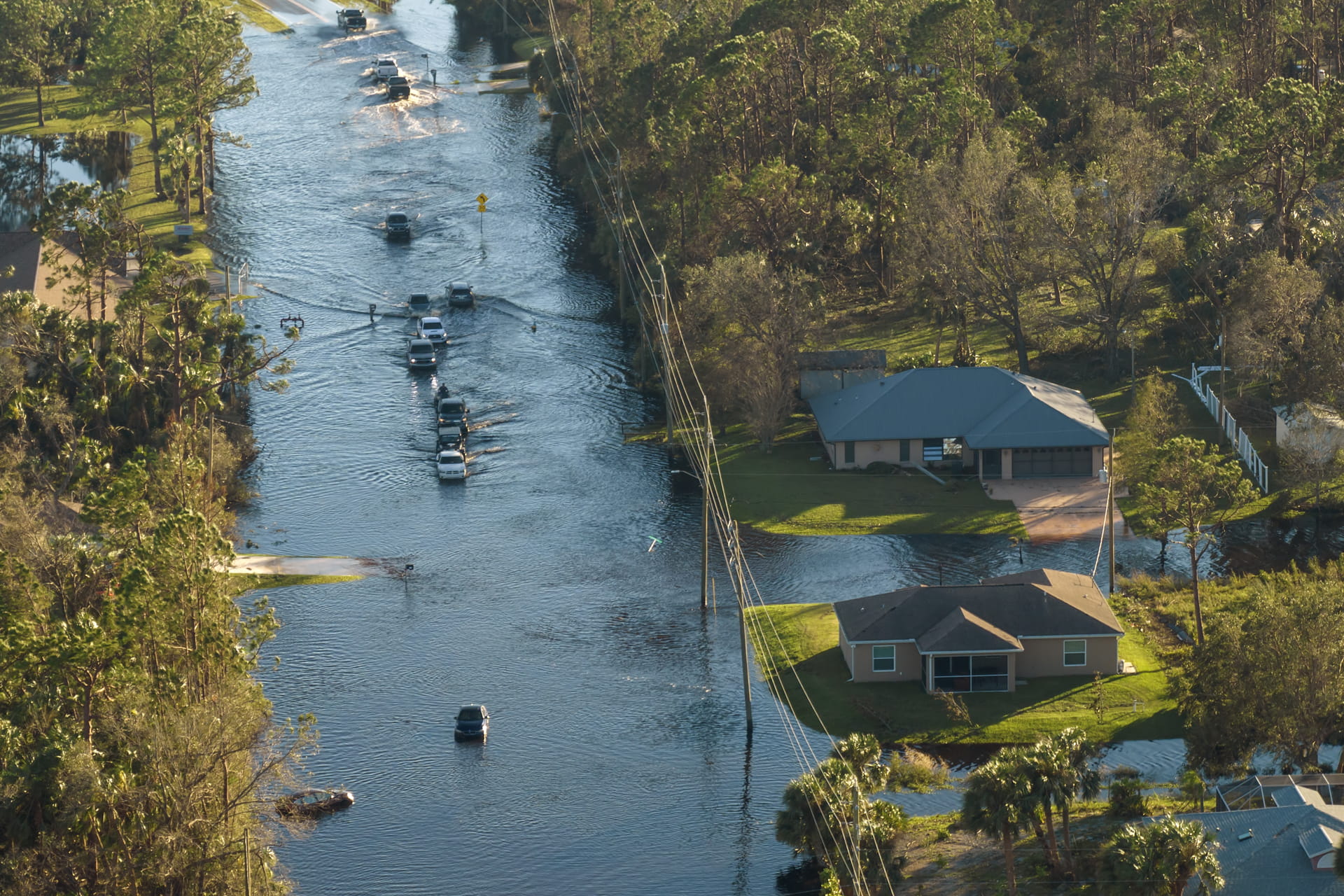
Flood maps often give homeowners in moderate or low-risk zones a misleading sense of safety. FEMA reports that about 25 percent of flood insurance claims come from properties outside officially designated high-risk areas. That figure surprises many people each year. The misunderstanding persists because maps feel fixed even though rainfall patterns, drainage systems, and development continue to change.
• Flood zones reflect probability rather than certainty
• Rainfall patterns shift over time
• Construction alters natural drainage paths
4. Flood Insurance Is Too Expensive
Cost assumptions around flood insurance usually trace back to outdated premium stories shared after major disasters. FEMA data shows many flood policies cost far less than expected, particularly for properties outside high-risk zones. This belief remains common because pricing conversations rarely happen unless a renewal notice arrives. Silence allows exaggerated numbers to circulate.
• Premiums depend on elevation and building features
• Lower-risk zones often qualify for reduced rates
• Old pricing stories persist for years
5. Federal Aid Replaces Coverage
Disaster assistance is frequently mistaken for insurance, even though FEMA states that most assistance comes as loans rather than grants. Flood insurance pays based on policy terms regardless of disaster declarations, while federal aid depends on government approval and repayment requirements. This misunderstanding continues because news coverage often highlights relief checks without explaining long-term obligations. Context fades quickly.
• Federal aid requires an official disaster declaration
• Many assistance programs involve repayment
• Insurance responds according to policy language
6. Flood Insurance Pays Immediately
Most new flood insurance policies include a standard 30-day waiting period under NFIP guidelines. Homeowners seeking coverage late in storm season often expect immediate protection once payment is submitted. That expectation persists because urgency feels reasonable when severe weather approaches. Policy timelines rarely feel intuitive under pressure.
• Waiting periods apply to most new policies
• Limited exceptions exist for specific scenarios
• Late purchases create timing challenges
7. Flood Claims Cover Everything
Flood insurance policies contain defined limits on both building and contents coverage, especially under NFIP programs. Finished basements, landscaping, and temporary living expenses often fall outside covered losses. This misunderstanding endures because flood damage feels total even when coverage is not. Emotional impact clouds policy details.
• Coverage limits vary by policy type
• Basement-related losses face restrictions
• Personal property caps apply
Why These Flood Insurance Misunderstandings Persist
Flood insurance misunderstandings continue because they sound reasonable until tested by real-world events, and correction often comes too late. Flood insurance differs from homeowner's insurance. Each section above shows how assumptions form, quietly spread, and resurface after every major storm cycle. Industry experience consistently shows that clarity before flooding leads to far better outcomes than explanations after damage occurs. Preparation changes results.
Key Takeaways on Flood Insurance Misunderstandings
• Flood insurance operates separately from homeowners coverage
• Properties outside high-risk zones still experience flooding
• Disaster assistance does not replace insurance protection
• Waiting periods affect when coverage begins
• Policy limits shape claim outcomes