
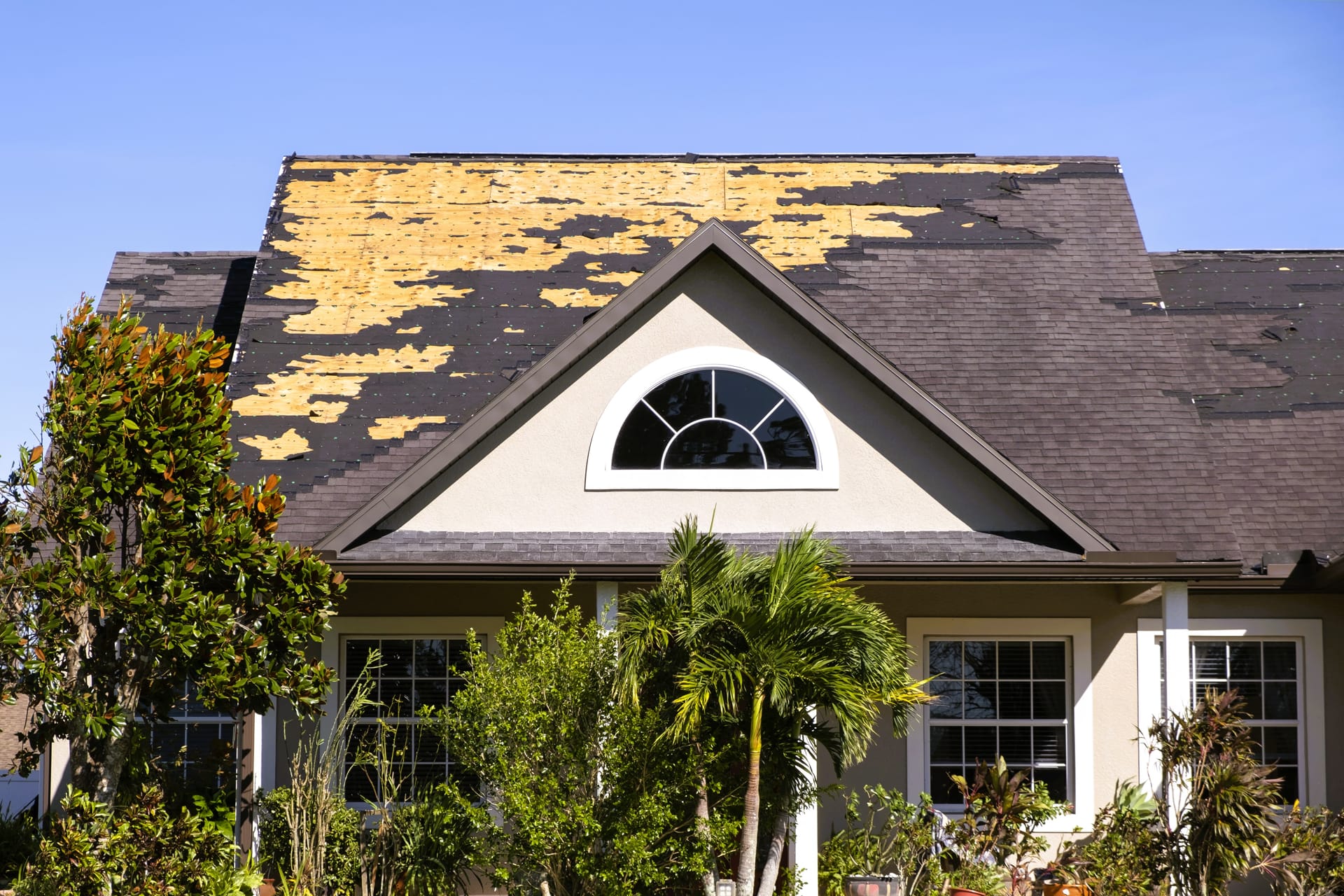
 Homeowner’s insurance can seem clear-cut until a real loss exposes limits that were easy to skim past during signup, especially when coverage gaps only become obvious after a claim is filed. Many homeowners assume their policy casts a wide net, which can lead to delays, frustration, and unexpected expenses during stressful moments. Widespread homeowner’s insurance coverage gaps homeowners frequently overlook tend to revolve around water, storms, and rebuilding realities. Dragon Insurance Agency points out that knowing where coverage ends is just as important as knowing what it includes, advice grounded in years of claim-related experience.
Homeowner’s Insurance Coverage Gaps Homeowners Miss
Real claim situations often follow a predictable pattern where assumptions collide with exclusions buried in policy language. A common example involves damage that appears covered until the insurer traces the source and applies a specific exclusion. These issues usually surface when coverage is reviewed after a loss instead of during calmer times. Greater awareness of homeowner’s insurance coverage gaps helps reduce confusion and financial shock later.
1. Limited Flood Coverage
Standard homeowner’s insurance does not include flood protection, even though flooding remains one of the most frequent and expensive natural disasters in the United States according to FEMA. Water that rises from the ground is handled differently than water released from plumbing or appliances. Many homeowners only learn this distinction once standing water enters the home and repairs are already needed.
Flood insurance must be purchased separately
Rising water is treated differently than internal water damage
FEMA consistently ranks flooding among top property loss causes
2. Complicated Hurricane Deductibles
Hurricane deductibles are often calculated as a percentage of the dwelling limit rather than a fixed dollar amount. Even a small percentage can result in a large out-of-pocket responsibility after a major storm. Many homeowners focus on premiums while overlooking how deductibles apply during named storms.
Hurricane deductibles apply apart from standard deductibles
Percentages are based on insured home value
NOAA data shows storms increase long-term financial exposure
3. Overlooked Water Damage Exclusions
Water damage coverage usually depends on whether damage occurred suddenly or developed over time. Slow leaks, recurring seepage, and unresolved moisture problems are frequently excluded from homeowner’s insurance. These issues often remain unnoticed until visible damage appears on walls, floors, or ceilings.
Sudden pipe failures are often covered
Gradual leaks may be excluded
EPA research links moisture to long-term structural deterioration
4. Outdated Dwelling Coverage Limits
Dwelling coverage is intended to reflect rebuilding costs rather than market value, which creates a common gap. Construction and labor costs have risen steadily based on U.S. Bureau of Labor Statistics data. Homes insured years ago may no longer carry enough coverage to rebuild fully after a major loss.
Market value differs from actual rebuild expenses
Labor and material prices continue to climb
Underinsured homes face higher recovery costs
5. Personal Property Coverage Caps
Personal belongings are typically insured as a percentage of dwelling coverage, which may not align with real replacement needs. Items such as electronics, jewelry, tools, and appliances can exceed standard limits quickly. Replacement cost versus actual cash value also plays a major role in how much is paid out.
Contents coverage includes preset limits
Special caps apply to high-value items
Replacement value impacts reimbursement amounts
6. Limited Detached Structure Protection
Detached structures often receive lower coverage limits under homeowner’s insurance policies. Garages, sheds, fences, and workshops may cost more to repair or replace than their assigned limits allow. Many homeowners assume full protection without reviewing how these structures are categorized.
Detached structures carry reduced limits
Fences and sheds are frequently underinsured
Storm debris can damage multiple structures at once
7. Restricted Mold Coverage
Mold coverage remains widely misunderstood, especially in areas with high humidity. Many policies limit mold claims unless the growth results directly from a covered event. Even approved claims often include strict payment caps that fall short of remediation costs.
Mold coverage often includes firm limits
Cause of mold determines eligibility
Humidity increases long-term exposure risk
8. Missing Sewer Backup Coverage
Sewer and drain backups are typically excluded unless optional coverage is added. Heavy rainfall can overwhelm municipal systems and cause extensive interior damage. Many homeowners learn about this gap only after cleanup efforts begin.
Backup coverage requires an add-on
Heavy rain increases system overload
Cleanup costs escalate without protection
9. Insufficient Liability Limits
Liability coverage protects homeowners from injury-related claims, yet limits are often set too low for modern medical and legal costs. Medical bills and legal expenses can rise quickly after an accident on the property. Industry data shows liability claims frequently exceed basic policy limits.
Guest injuries create legal exposure
Pets and pools increase liability risk
Medical costs rise faster than policy limits
10. Misunderstood Loss of Use Coverage
Loss of use coverage helps pay for temporary housing when a home becomes unlivable, but limits and timelines vary by policy. Extended repairs after severe events can exceed available benefits. Many homeowners expect broader support than their policy actually provides.
Coverage applies during active repairs
Time limits affect total benefits
Housing shortages extend repair timelines
Why Homeowner’s Insurance Coverage Gaps Matter
Widespread homeowner’s insurance coverage gaps homeowners frequently overlook tend to center on water damage, storm exposure, and rebuilding costs. Each gap reflects a disconnect between assumptions and actual policy language. Addressing these areas early leads to clearer expectations and fewer surprises during claims. Dragon Insurance Agency emphasizes proactive insurance policy reviews as a practical way to reduce stress and financial strain when damage occurs.
Key Takeaways on Homeowner’s Insurance Coverage Gaps
Flood damage requires separate coverage
Hurricane deductibles can create major expenses
Rebuilding costs often exceed older coverage limits
Optional coverages help close common gaps
Regular policy reviews reduce claim surprises