

Choosing a new phone in late 2026 is less about finding something that works and more about deciding which compromises you are willing to accept. The top models all deliver excellent cameras, strong battery life and years of software support. The differences that actually matter sit in the details: how the phone feels in the hand, how its camera system behaves in low light, how long it lasts between charges, and how well it fits the rest of the devices you already own.
Apple, Samsung and Google continue to dominate the conversation at the top of the market. Apple’s iPhone 18 Pro series brings a variable-aperture main camera and the longest battery life the company has offered. Samsung’s Galaxy S26 Ultra remains the most complete Android package for people who want optical zoom range and the S Pen. Google’s Pixel 11 line leans hard into computational photography and clean software, while the Pixel 10a continues to offer much of that experience at a more approachable price.
This guide focuses on the models that currently make the most sense for different needs and budgets. The recommendations are based on published manufacturer specifications and independent product reviews rather than a claim of personal hands-on testing. Specifications and availability can vary by country, so check the manufacturer’s regional website before buying.
If these long-form guides help you cut through the marketing and buy once instead of twice, consider supporting the work directly on Patreon or Buy Me a Coffee.
1. Apple iPhone 18 Pro Max – Best Overall for Most iPhone Buyers
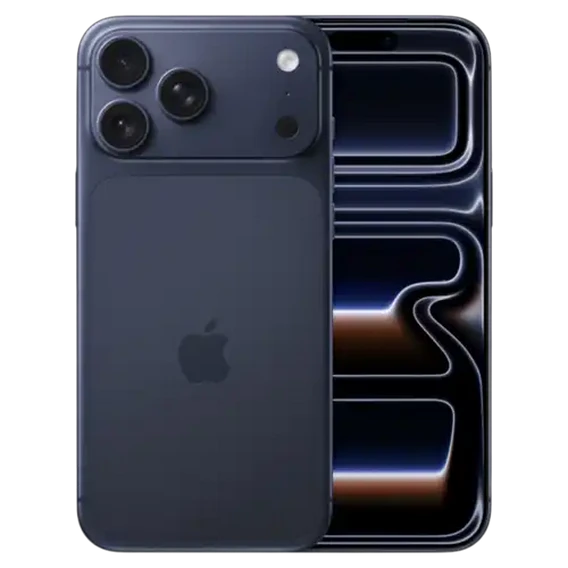
The iPhone 18 Pro Max is Apple’s most complete phone in 2026. It pairs the A20 Pro chip with a larger battery that delivers the longest video-playback endurance the company has published for an iPhone, a 6.9-inch Super Retina XDR display with ProMotion, and a 48MP Pro Fusion camera system that now includes a variable-aperture main lens.
The variable aperture is the most interesting hardware change. It gives the main camera more control over depth of field and low-light performance without forcing the user into a single fixed opening. Combined with the improved telephoto and the usual strength of Apple’s video processing, the Pro Max remains one of the strongest choices for people who shoot both stills and video.
Battery life is another clear step forward. Apple rates the Pro Max for up to 45 hours of video playback under its standard test conditions. Real-world results will vary with brightness, 5G use and background activity, but independent testing has consistently placed the 18 Pro Max near the top of the current flagship field for endurance.
Why buy it?
• Longest battery life in the current iPhone range.
• Variable-aperture 48MP main camera and strong telephoto options.
• A20 Pro performance and years of software support.
• Deep integration with other Apple devices and services.
• Premium build with Ceramic Shield front and back.
Why you might not:
• It is large and relatively heavy (around 249 g).
• Starting price sits at the top of the market.
• Many of the best features only reach their full potential inside the Apple ecosystem.
Verdict: If you are already on iOS and want the most capable iPhone available, the 18 Pro Max is the straightforward recommendation. The combination of battery life, camera flexibility and sustained performance makes the size and price easier to accept.
2. Samsung Galaxy S26 Ultra – Best Android All-Rounder
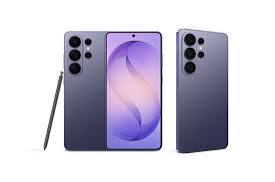
Samsung’s Galaxy S26 Ultra continues the Ultra tradition of packing almost every practical feature into one device. The 6.9-inch Dynamic AMOLED 2X display includes a built-in Privacy Display that limits side-angle visibility, the Snapdragon 8 Elite Gen 5 for Galaxy delivers strong sustained performance, and the camera system still leads the mainstream flagship field for optical zoom versatility.
The rear setup combines a 200MP main sensor with a wider f/1.4 aperture, a 3x telephoto and a 5x telephoto. That range remains useful in everyday shooting in a way pure digital zoom still cannot match. The S Pen is included and continues to make the Ultra the default choice for note-taking, markup and precise control.
Battery capacity is listed at 5,000 mAh with 60 W wired and 25 W wireless charging support. Software support is strong: seven years of OS upgrades is now the expected standard at this level. At roughly 214 g and 7.9 mm thick, the Ultra is also thinner and lighter than many previous Ultra models.
Why buy it?
• Best optical zoom range among mainstream flagships.
• Built-in Privacy Display and S Pen productivity tools.
• Strong sustained performance and seven years of updates.
• Slimmer, lighter design than earlier Ultra models.
• Highly configurable One UI experience.
Why you might not:
• The software experience is more complex than stock Android or iOS.
• Premium pricing places it in the same bracket as the iPhone 18 Pro Max.
• Some buyers simply prefer a cleaner interface or smaller physical size.
Verdict: The Galaxy S26 Ultra is the most complete Android phone you can buy right now if you want zoom versatility, stylus support and a large, private display. It is the default recommendation for Android users who do not want to make major compromises.
3. Google Pixel 11 – Best Clean Android Experience
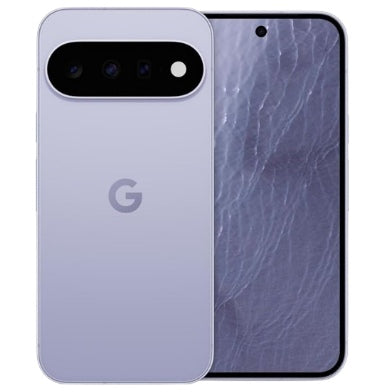
Google’s Pixel 11 keeps the formula that has defined the line: a refined design, excellent computational photography, and the purest version of Android with seven years of promised updates. The Tensor G6 chip powers the usual suite of on-device AI features, while the camera system continues to prioritise natural colour, skin tones and useful editing tools over raw megapixel counts.
The 6.3-inch Actua display is bright enough for outdoor use, battery life is rated for more than 30 hours under typical conditions, and the starting storage tier is now 256 GB. For many people the base Pixel 11 delivers most of what they need without stepping up to the Pro models.
Why buy it?
• Best computational photography and editing tools in its class.
• Clean Android experience with seven years of updates.
• Strong battery life and a more approachable starting price than the Ultra and Pro Max.
• Compact enough for comfortable one-handed use.
Why you might not:
• Optical zoom is more limited than the S26 Ultra.
• Peak sustained performance sits behind the latest Snapdragon and A-series chips.
• US models remain eSIM-only, which can be inconvenient for some travellers.
Verdict: The Pixel 11 is the strongest recommendation for people who want excellent photos, clean software and long software support without paying flagship-premium prices or carrying a very large phone.
4. Apple iPhone 18 Pro – Best Compact Flagship
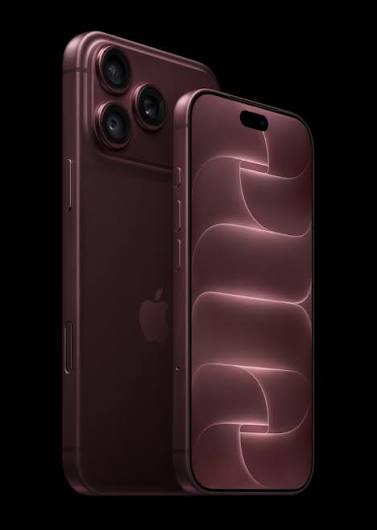
The regular iPhone 18 Pro is essentially the same phone as the Pro Max in a smaller body. It uses the same A20 Pro chip, the same 48MP Pro Fusion camera system with variable aperture, and the same high-end display technology, just on a 6.3-inch panel. Battery life is shorter than the Max but still competitive with other premium compact phones.
For many people the size difference is the entire point. The Pro is easier to use one-handed, sits more comfortably in smaller pockets, and still delivers almost everything the larger model offers. If you do not need the absolute maximum screen real estate or battery capacity, the Pro is often the more sensible daily driver.
Why buy it?
• Full Pro camera system and A20 Pro performance in a more manageable size.
• Lighter and easier to use one-handed than the Pro Max.
• Same long software support and ecosystem advantages as the larger model.
Why you might not:
• Battery life is meaningfully shorter than the Pro Max.
• Still an expensive phone; the savings versus the Max are modest.
Verdict: Choose the iPhone 18 Pro when you want flagship performance and the best current iPhone camera system without the bulk of the Pro Max. It is the more practical daily phone for a large share of iPhone buyers.
5. Google Pixel 10a – Best Value
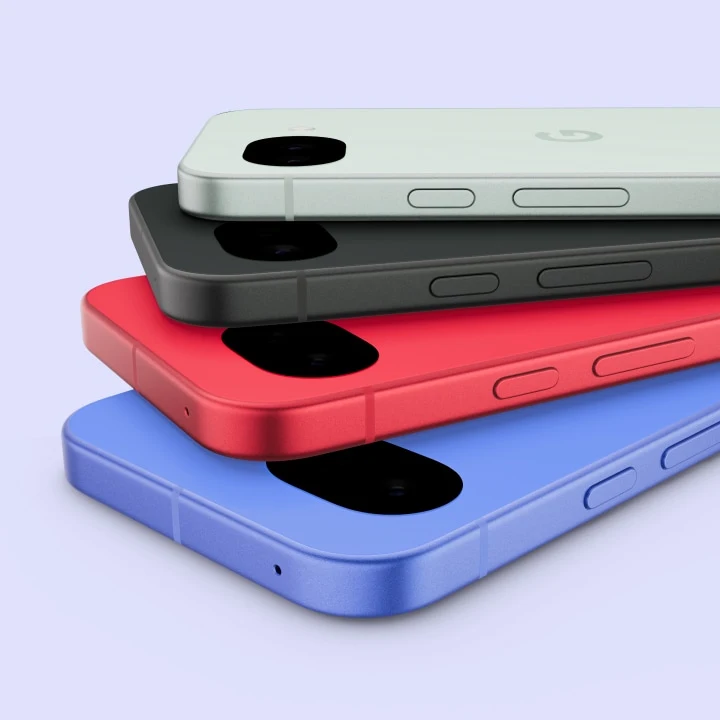
Not everyone needs or wants a $1,200 flagship. The Pixel 10a continues Google’s habit of putting the most important Pixel strengths — computational photography, clean software and long update support — into a more affordable package. It uses a 6.3-inch Actua display, a dual rear camera system with a 48MP main sensor, and the Tensor G4 chip from the previous generation.
Battery life is rated for more than 30 hours, the phone is IP68 rated, and Google still promises seven years of OS and security updates. For many buyers the 10a delivers 80–90 % of the daily experience of a more expensive Pixel at a significantly lower price.
Why buy it?
• Strong camera performance for the price thanks to Pixel processing.
• Seven years of software updates at a mid-range price.
• Solid battery life and a durable, practical design.
• Clean Android experience without the cost of the flagship models.
Why you might not:
• No dedicated telephoto lens.
• Peak performance and charging speeds sit behind the 2026 flagships.
• Build materials are more utilitarian than the glass-and-metal Pro models.
Verdict: The Pixel 10a is the clearest value recommendation in this guide. If you want a reliable, well-supported phone with excellent everyday photography and do not need optical zoom or maximum performance, it is difficult to beat at its price.
How to Decide
• Already in the Apple ecosystem and want the most capable iPhone: iPhone 18 Pro Max.
• Want the same Pro features in a smaller, more practical body: iPhone 18 Pro.
• Prefer Android and need the most complete package (zoom, S Pen, large private display): Galaxy S26 Ultra.
• Want clean software, excellent photos and long updates without flagship pricing: Pixel 11.
• Need a capable phone that does not cost a full flagship price: Pixel 10a.
The market in late 2026 is mature enough that the bad options are easier to avoid. The five models above represent the current sensible shortlist for most buyers. Choose according to the software ecosystem you already live in, how much optical zoom and battery life actually matter to you, and how large a phone you are prepared to carry every day.
This independent work exists to help readers make clearer purchasing decisions. If it has been useful, you can support it directly on Patreon or Buy Me a Coffee.