
 Tens of thousands of weekend recreational sailors happily confine themselves to mild weather, protected inshore waters & have few aspirations of gaining other skills. A sailor can quite happily enjoy their pastime with little knowledge of what lies over the horizon.
And there are plenty of naysayers who declare, ‘ it can’t be done!’
Never be put off by such disparaging remarks.
“Solo sailing is challenging, it doesn’t come with instructions or assurances, and above all it demand sacrifices. Only the most determined will attempt it – even fewer will master it.”
Personally, I dabbled with 2-up racing as a teenager, but I wasn’t hooked until I tried solo years later on a Hobie Cat.
Not only did I love it – I decided there & then. I’m doing more of this!
I gradually built my own experience with fair weather coastal sailing. I wasn’t inspired until an instructor mentioned that he’d crewed across the Atlantic! Wow!
Straying outside inshore sailing can be life fulfilling. But if you value your life & the boat, it certainly deserves robust training.
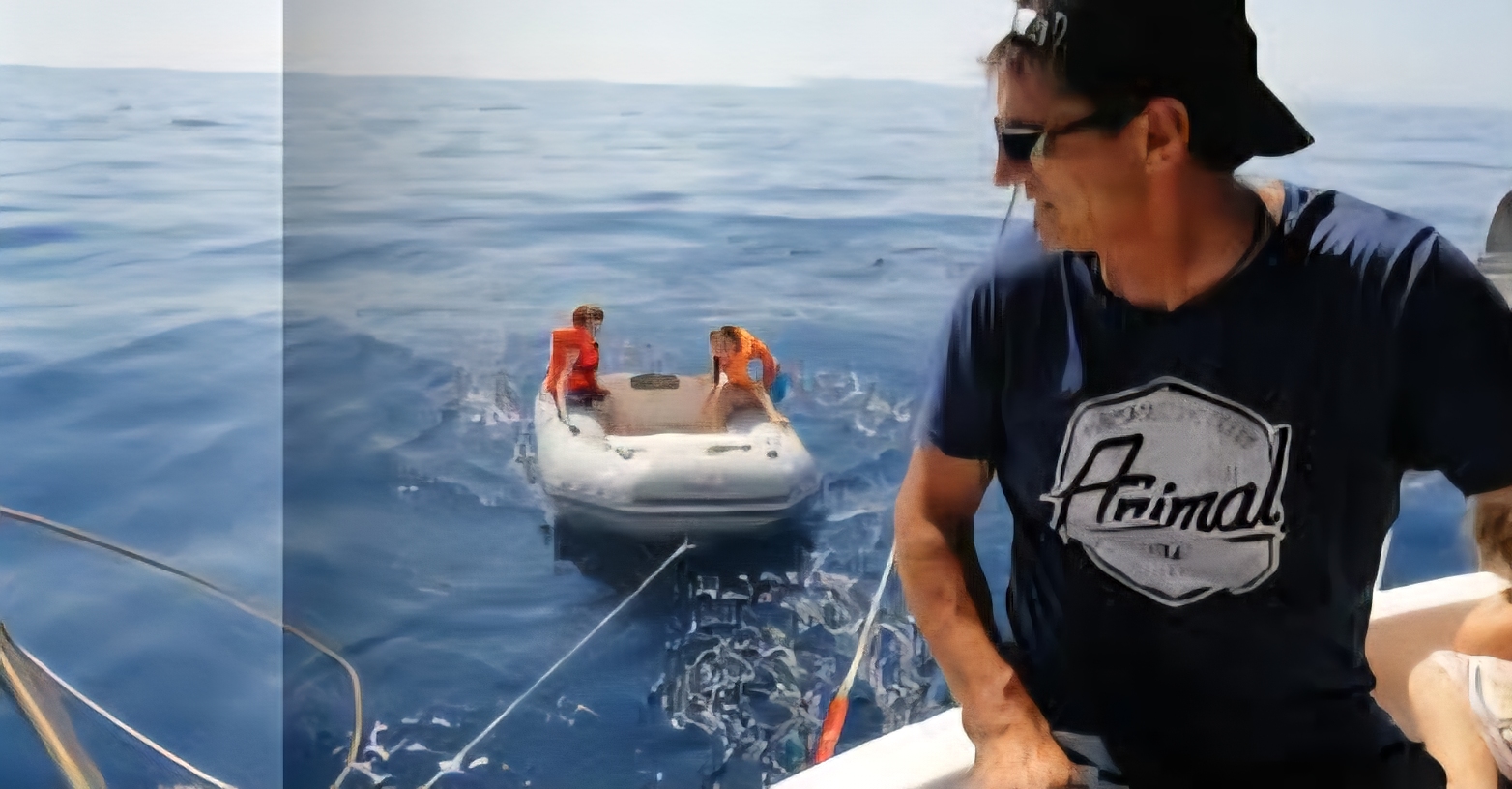
Broadening my sailing experience with team building & even a flotilla, i gradually increased my experience & classes. Other combinations wetted my appetite further, a charter with friends & even a delivery across the Aegean Sea.
The trigger for me, was the night pilotage tackled with the formal Coastal Training.
That was more like it, both challenging & euphoric!
My sailing log gradually ticked up to 1,000miles when crewing offshore to St Kilda.

So that summer I focused on finding a boat. Every port appeared to have at least one sailboat waiting for a crew! Countless sailboats seemed stuck in a time warp!
I was adamant I would not get caught. I refined my boat specification for solo setup only & committed to learning to sail solo.
So with 1,000 miles of sailing experience, a Coastal Sailing qualification in my log & a damp pair of sailing gloves I stepped up to finding a boat.
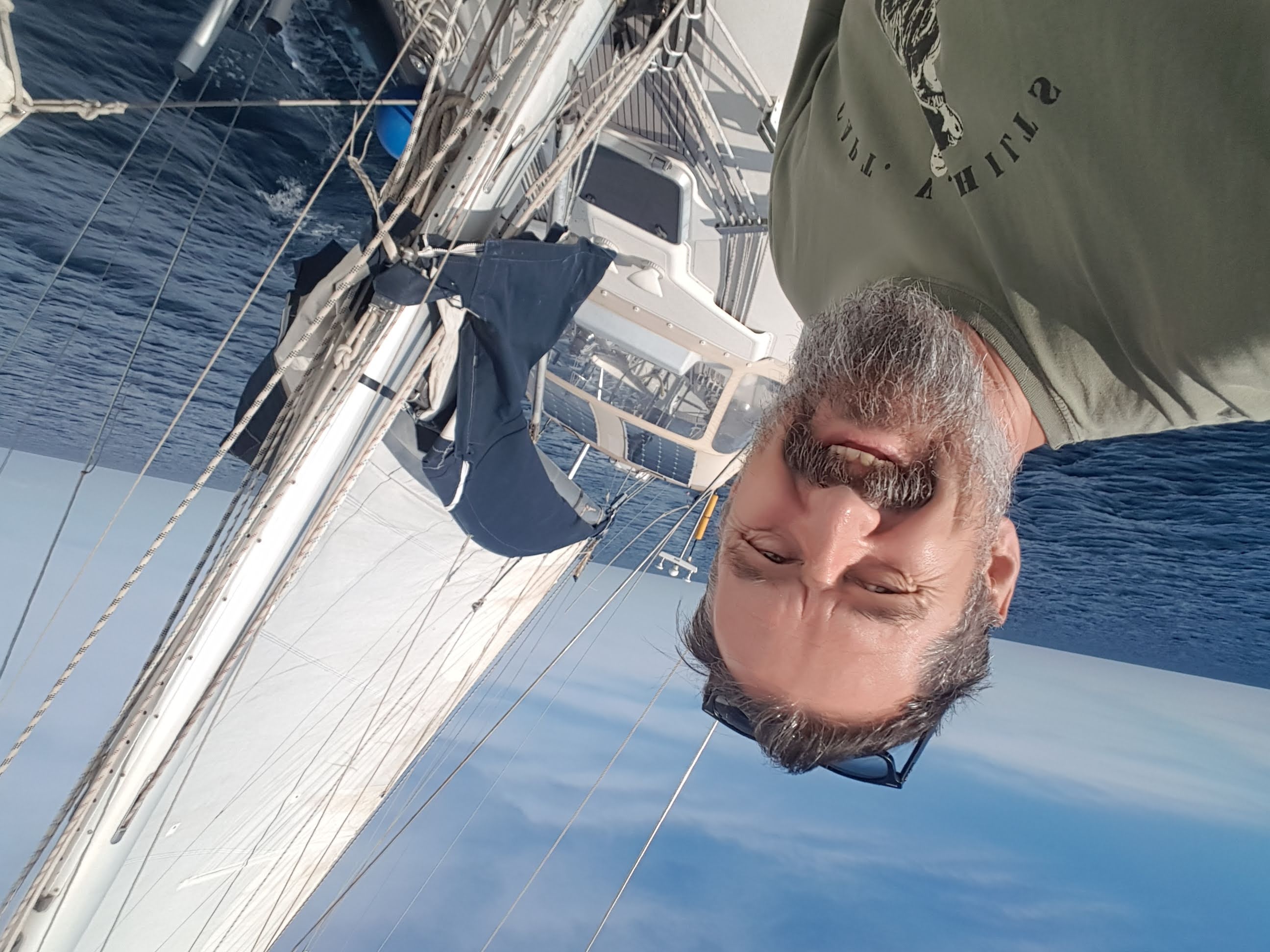
A little over a year later. I’d bashed into every pontoon from Gibraltar to Astipalea. It was well worth it. The following 5 years; 45,000miles, 4 oceans & one solo circumnavigation remain a delight that will never leave me.
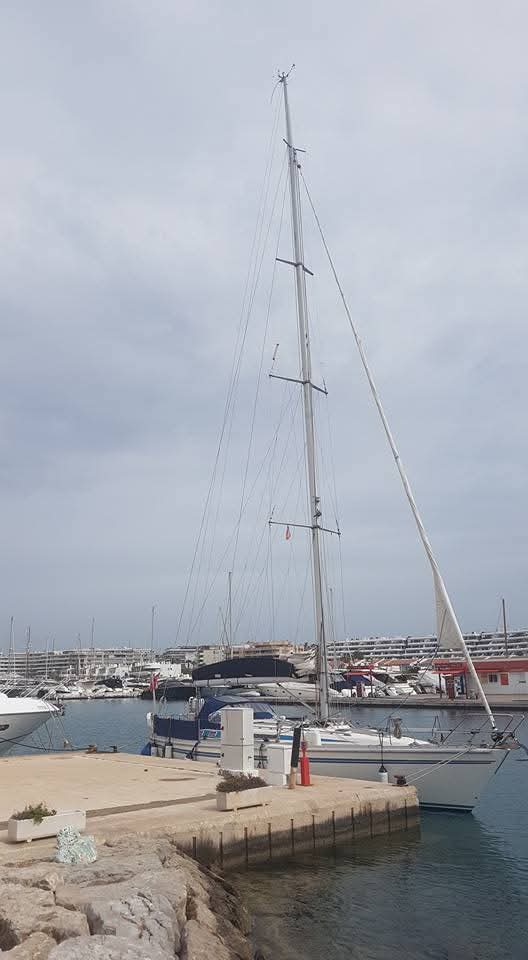
So - What does it take to step up to Offshore Single-handed Sailing?
Preparation, practice & focus
There’s no one else on-board, so by default you are dependent on your own resilience, determination & ability to problem solve.
Preparation Is All.
Put the big things in place first!
Get trained, get competent, get a mentor, get a strategy, get ready to transform your confidence, failing is a daily part of solo sailing.
Fail early, fail often & build depth to your passion & knowledge.
Do not forget your Marine Safety Training, in all things you will rely on this every minute of the day. You can’t delegate to anyone else. And you certainly can’t delegate it ‘off the boat’.
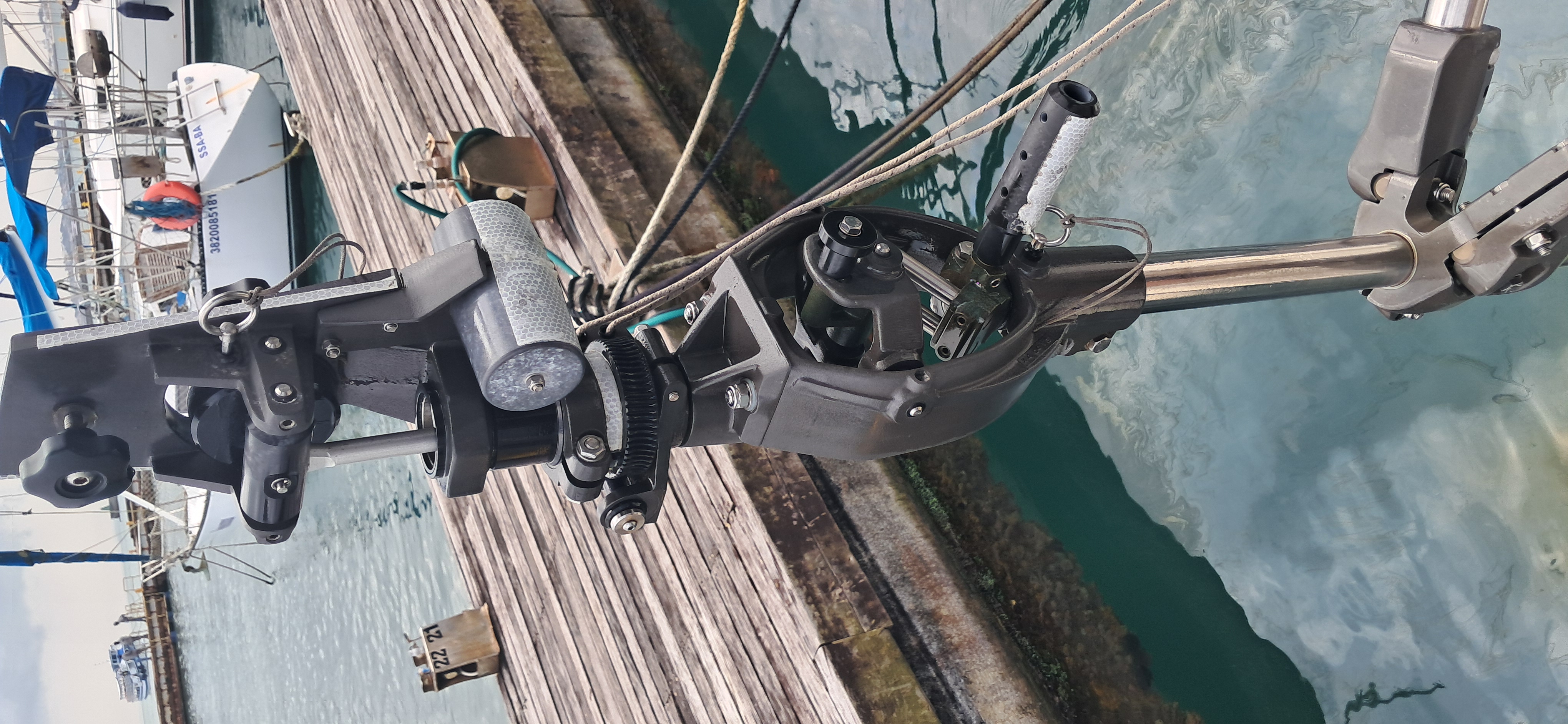
Refine the Boat to suit your needs
Refine your boat Setup to best suit your techniques, from where you stow your fenders to how you coil your sheets & warps. That extends to how you use your winches, helm, autopilot, plotter & sensors. Everything can be tweeked to improve the setup for solo sailing.
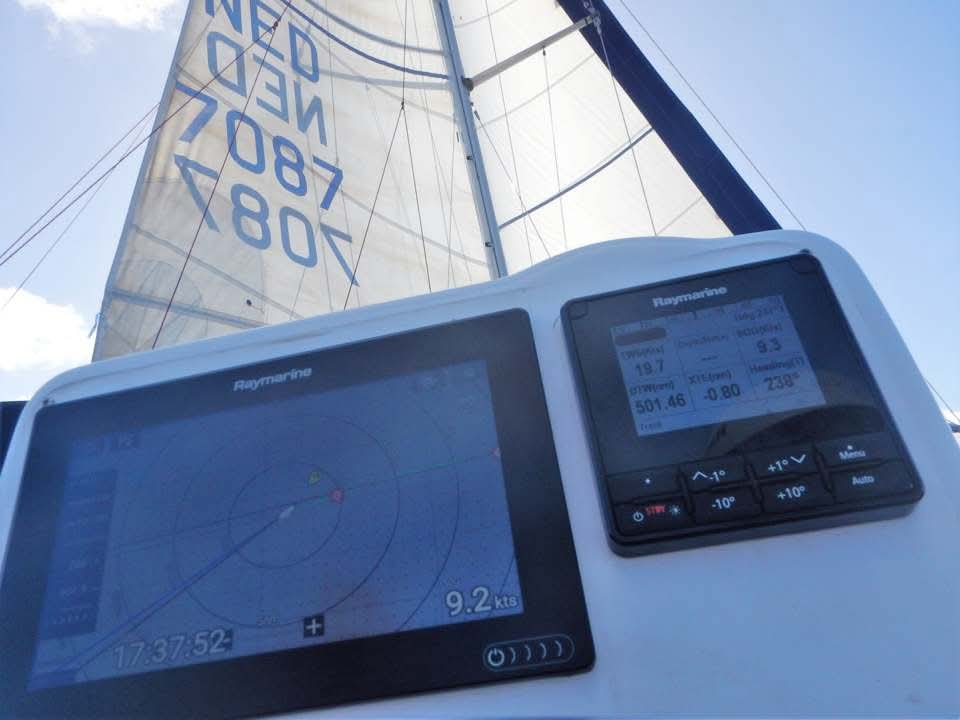
Modify your setup to achieve the best possible outcome in every detail. So you can see, hear & feel how best the boat is performing.
Practise failure; sail damage, engine faults, winches, trips, falls, leaks, spills, rigging failure. Having a workaround solution in hand is all. You must depend on yourself.
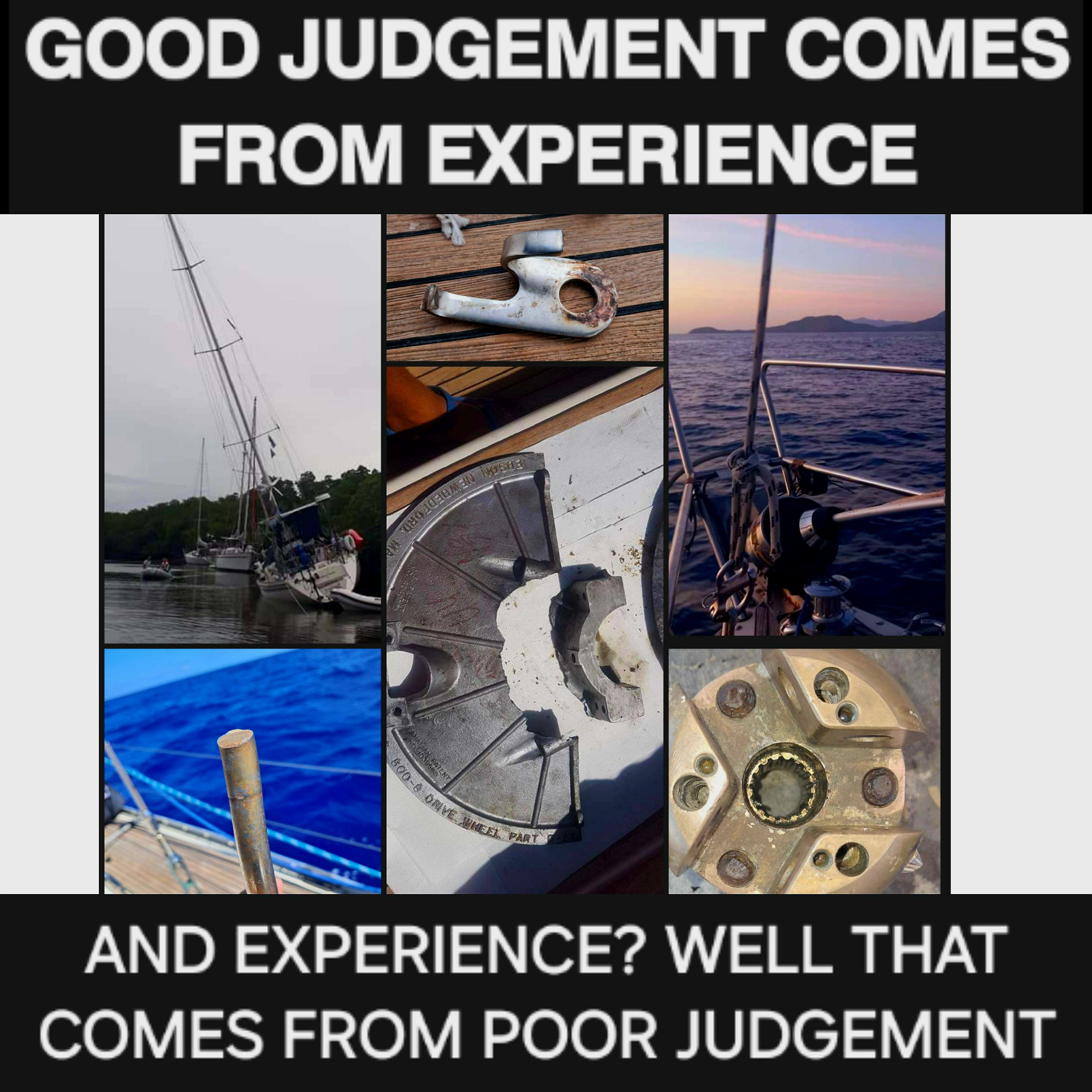
From the very beginning; fuel yourself.
Keep hydrated, stay protected from the conditions, top up your nutrients throughout the day, don’t get burnt out. The boat & your success depends on every step you take: fuelling yourself is paramount.
Don’t be a statistic!
Use a float plan. Check your PLB, AIS Tracker, EPIRB, VHF/DSC & Cellservice, weather forecasting & route & pilotage planning.
Consciously use body positioning techniques to ensure you can’t fall overboard. Tether-on outside the companionway, in bad weather & at night. Wear a self inflating life jacket when it is appropriate.
Get the big things ticked off; the Life-Raft serviced and easily deployable. Extinguishers serviced that everyone can use. Flares & Grab bag adequately checked.
Any solo sailing trip that ends in disaster is one too many!
Don’t be a statistic.
Read next –
Building sleep strategies for overnight sailing.
buymeacoffee.com/singlehandedsailing/building-sleep-strategies-single-handed-sailing
Formal Training for Solo Offshore Passage Making
THE ASA/RYA & other national sailing bodies run complementary training regimes.
Each of the following courses can be considered as a start point for solo sailing. Typically you’d be expected to have a prerequisite experience of 300+hrs. To which you can add; online/classes in navigation, first aid & VHF Radio, Marine Safety / STCW
To the best of my knowledge, few if any run training for Single-handed Sailing.
Typically
• Advanced Coastal Cruising course (ASA 105 & 106)
• RYA Coastal Skipper
Both courses cover night sailing & heavy-weather tactics.
I personally advocate the best possible training, it is the surest method of starting to build basic skills.
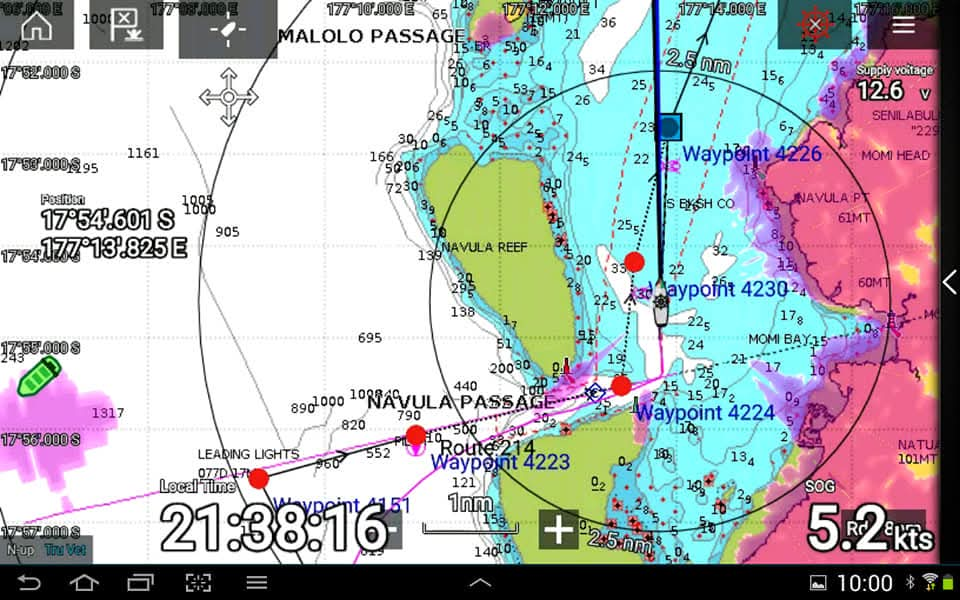
A single-handed sailor, needs to have the skills to safely transit through congested shipping zones & navigate safely in marginal weather conditions & at night.
You can’t just rock up.
Solo Sailing Coaching & Refining Techniques.
With 1,000 miles in your sailing log book, a competence assessment to at least Coastal Sailing level or the equivalent it’s likely time to start 1-on-1 Solo Sailing coaching with your sailing mentor(s).
Up until this point you’ll have been apart of a sailing crew or sailing class.
Stepping into solo sailing with short intensive coaching with a ghost skipper on-board is a proven method of consolidating the team effort into that of a single sailor.
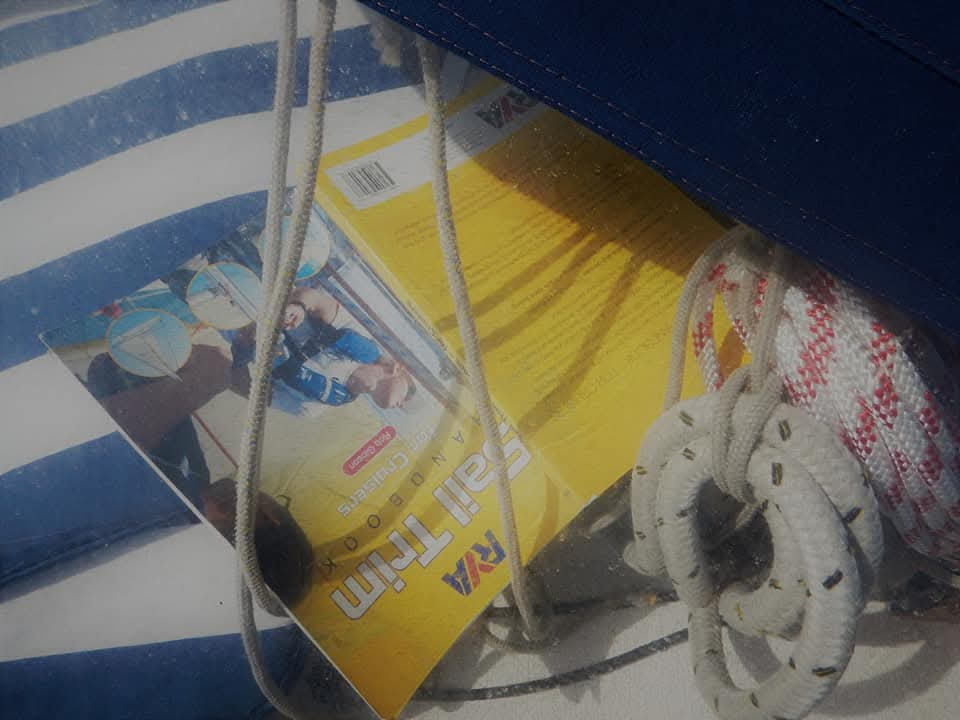
Attempting each evolution as a single-handed sailor & gaining 1-on-1 in-situ feedback can be hugely valuable & rapidly build towards short passage solo ventures.
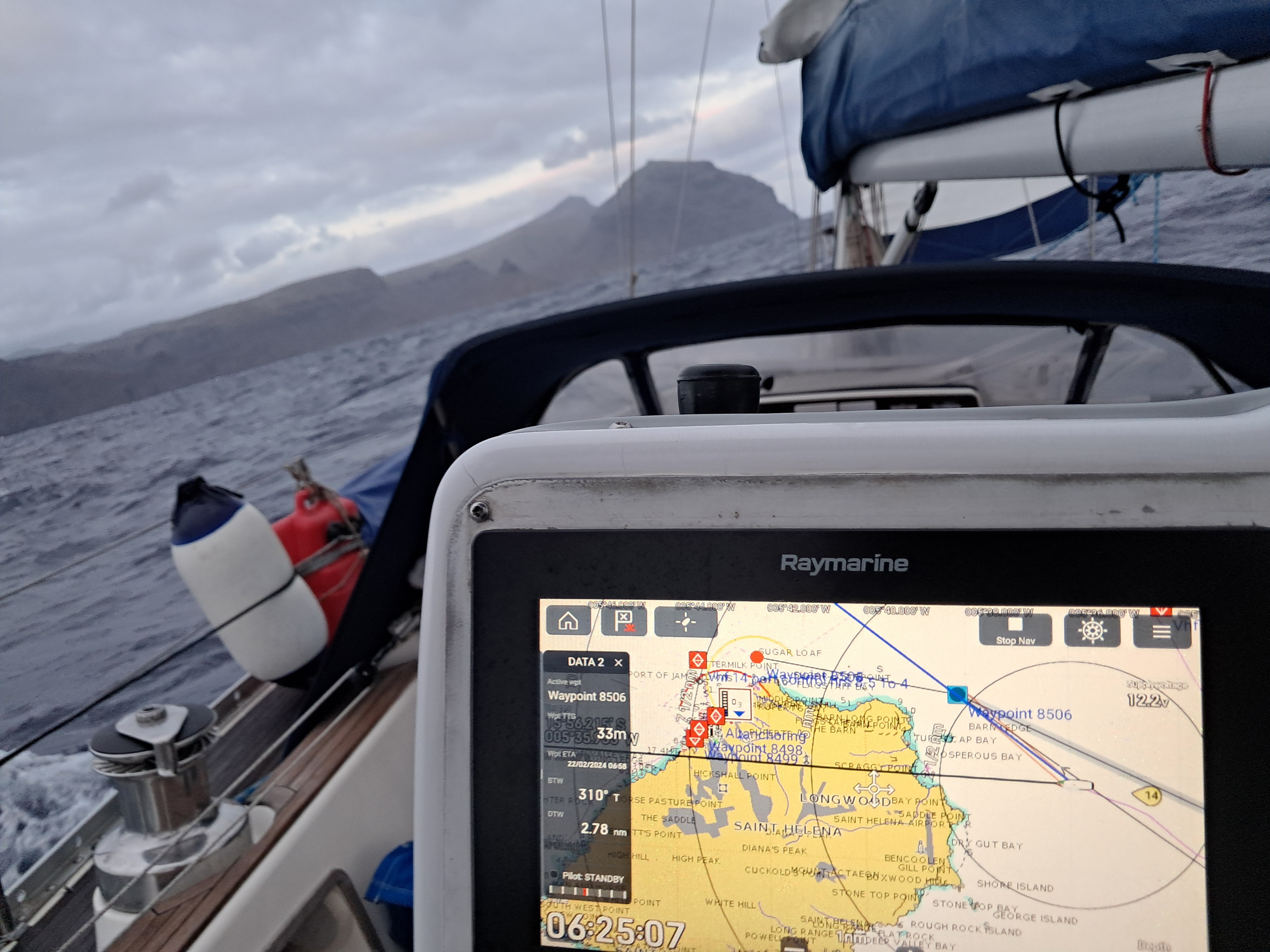
Building experience in varying weather conditions is paramount.
A continuous process of developing a technique, reviewing it & refining it again, is a copy book for successful solo sailing.
Make notes of your refined techniques, step through them meticulously.
Immersion in YT solo lessons learnt
There’s plenty to be gained from critically watching other Solo YT lessons. Take a cross section of solo sailors & critique their safety preparations & kit.
Drilldown on sailboat rescue news, understand what went well & consider adopting any best practices. Every solo sailor should want to remain a novice at rescues but comfortable with the potential outcome.
From a failed mast, to loss of life at sea & everything in-between. It’s all available & it can all help you refine your solo redundancy.
Read next -
Building sleep strategies for solo sailing
buymeacoffee.com/singlehandedsailing/building-sleep-strategies-single-handed-sailing