
Introduction
Thermostats have come a long way from the days of manual dials and basic temperature control. Today, thermostat technology has evolved to become a crucial tool for maintaining comfort and maximizing energy efficiency in our homes and businesses. In this blog post, we'll explore the fascinating journey of thermostat technology, from its humble beginnings to the cutting-edge innovations of today.
The Early Days
In the early 19th century, thermostats were rudimentary devices designed to control the temperature of a room or a heating system. These early thermostats featured simple bimetallic strips that would expand and contract with temperature changes, triggering the opening or closing of a circuit to control the heating source. However, they lacked precision and were far from user-friendly.
The Advent of Digital Thermostats
The 20th century brought significant advancements in thermostat technology. Digital thermostats entered the scene, offering greater accuracy and control. Users could now easily set their desired temperature with digital displays and buttons. These thermostats also featured programmable schedules, allowing homeowners to automate temperature adjustments throughout the day, saving energy and money.
Smart Thermostats: A Game-Changer
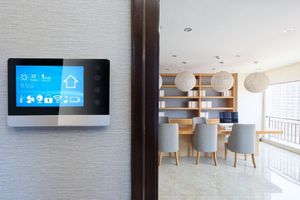
The real revolution in thermostat technology came with the introduction of smart thermostats. These devices, pioneered by companies like Nest and Ecobee, brought the power of connectivity and artificial intelligence into the home. Here's how they work:
Connectivity: Smart thermostats connect to your home Wi-Fi network, enabling remote control through mobile apps and voice assistants like Amazon Alexa and Google Assistant. This connectivity allows you to adjust your home's temperature from anywhere, offering unparalleled convenience.
Learning Capabilities: Smart thermostats learn your schedule and temperature preferences over time. They adapt to your lifestyle, automatically adjusting temperatures to maximize comfort and energy savings.
Energy Efficiency: Many smart thermostats provide detailed energy usage reports and offer suggestions on how to save on energy bills. They can even integrate with other smart devices, such as lights and blinds, to optimize your home's energy efficiency.
Geofencing: Smart thermostats can use your smartphone's location to detect when you're leaving or returning home. This feature allows them to adjust the temperature accordingly, so your home is always comfortable when you're there and saving energy when you're away.
Voice Control: Integration with voice assistants means you can adjust your thermostat simply by speaking a command.
A Greener Future
The evolution of thermostat technology has brought us to an era where energy efficiency is at the forefront. Smart thermostats not only make our lives more convenient but also play a vital role in reducing our carbon footprint. By optimizing heating and cooling systems, they help lower energy consumption and reduce greenhouse gas emissions.
Conclusion
Thermostat technology has evolved from basic manual controls to smart, energy-efficient systems that can learn and adapt to our needs. With the integration of AI and connectivity, smart thermostats are making homes more comfortable and environmentally friendly. As technology continues to advance, we can expect even more innovations in thermostat technology that will further improve our quality of life and our planet's health. Embracing these advancements is not just a matter of convenience; it's a step towards a greener, more sustainable future.