

(Some links in this post may be affiliate links, meaning we may earn a small commission if you make a purchase them, at no additional cost to you. We only recommend products or services we believe will benefit our readers, and all opinions expressed are our own.)
You know that cheerleading is far more than just pom-poms and sideline chants. It's a demanding sport that requires athleticism, precision, and resilience. Whether your child is a base, flyer, or tumbler, strength training is a game-changer that can elevate their performance, reduce injury risks, and boost their confidence. This blog post dives into why strength training is essential for cheerleaders, how it benefits their skills, and practical ways to incorporate it into their routine- all tailored to help you support your cheerleader's journey.
Why Strength Training Matters for Cheerleaders
Cheerleading combines gymnastics, dance, and acrobatics, placing unique demands on the body. From hoisting teammates into the sir to executing flawless tumbling passes, cheerleaders rely on strength, stability, and endurance. Strength training builds the muscle power needed for explosive movements like jumps and stunts while enhancing the stability required for balance and control. For young athletes, it's not about bulking up but developing functional strength that translates directly to their routines.
Beyond performance, strength training is a proactive way to prevent injuries. Cheerleading has one of the highest injury rates among youth sports, with sprains, strains, and overuse injuries being common. A well-designed strength program strengthens muscles, tendons, and ligaments, making your cheerleader's body more resilient. It also improves body awareness, which is critical for safely executing complex skills. As parents, knowing your child is physically prepared can ease worries about their safety on the mat.
Key Benefits of Strength Training for Cheerleaders
Strength training offers targeted benefits that align with the demands of cheerleading. Here are the top reasons to prioritize it:
• Enhanced Stunt Performance: Bases need upper body and core strength to lift and support flyers, while flyers require core stability and leg strength to hold positions. Strength training improves these skills, making stunts smoother and safer.
• Improved Jumps and Tumbling: High, crisp jumps and powerful tumbling passes rely on explosive leg strength. Exercises like squats and plyometrics build the fast-twitch muscles needed for these dynamic movements.
• Better Endurance: Cheer routines are intense, often lasting several minutes with no breaks. Strength training boost muscular endurance, helping cheerleaders maintain energy through practices and competitions.
• Confidence Boost: Mastering new skills in the gym translates to confidence on the cheer floor. When your child feels strong and capable, they are more likely to tackle challenging stunts and routines with poise.
Age-Appropriate Strength Training
One concern parents often have is whether strength training is safe for young cheerleaders. The good news is that, when done correctly, it's not only safe but highly beneficial for kids as young as 8 or 10. The key is focusing on age-appropriate exercises that emphasize proper form and bodyweight movements over heavy weights.
For younger cheerleaders (ages 8-12), strength training should center on bodyweight exercises like push-ups, squats, and planks. These build a foundation of strength and teach movement patterns without overloading growing bodies. Resistance bands or light dumbbells (1-5 pounds) can be introduced under supervision to add variety. For teens (ages 13 and up), more advanced exercises like lunges, deadlifts, or moderate weightlifting can be incorporated, always prioritizing technique overload.
You can ensure safety by encouraging your child to work with a qualified coach or trainer who understands young athletes. Many cheer gyms offer strength and conditioning classes tailored to cheerleaders, which can be a great starting point. If your child trains at home, ensure they follow a program designed by a professional to avoid improper form or overtraining.
Core Strength: The Foundation of Cheerleading
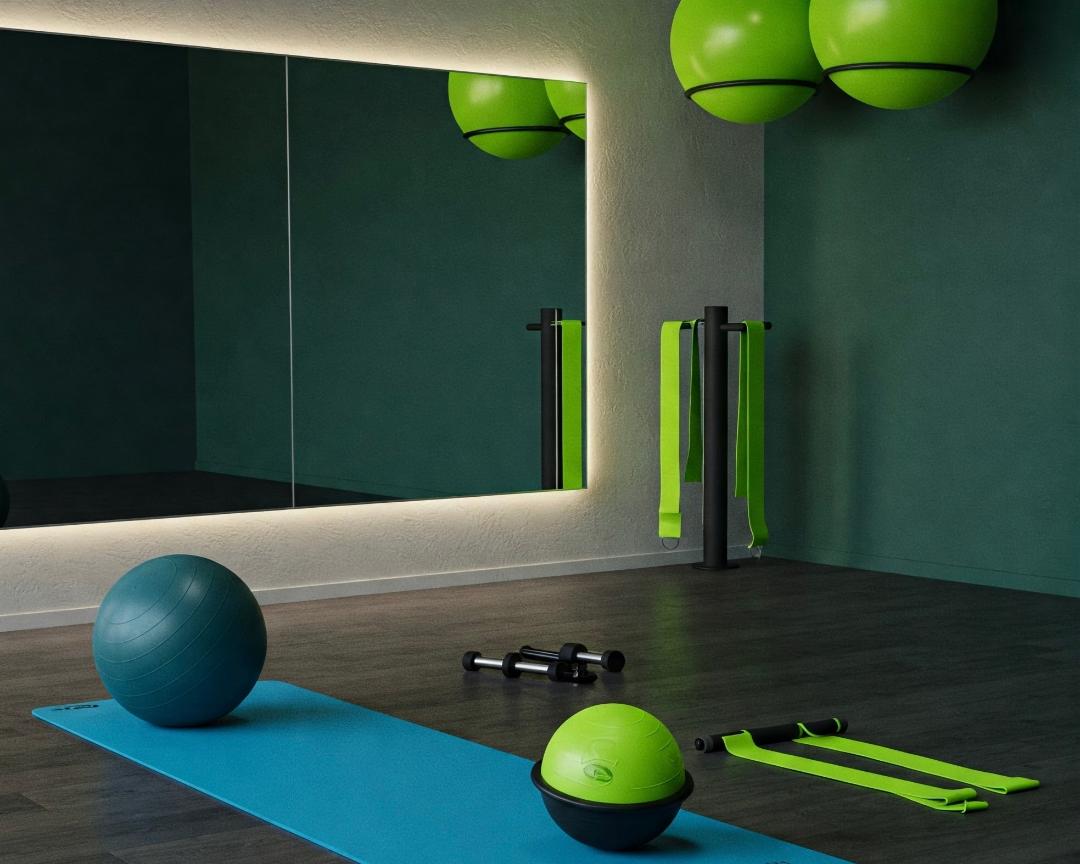
If there is one area to prioritize, its core strength. The core- encompassing the abs, obliques, lower back, and hips- is the powerhouse behind nearly every cheerleading skill. A strong core helps flyers maintain tight body positions, bases stabilize stunts, and tumblers land with control. It's also critical for injury prevention, as a weak core can lead to poor posture or strain during complex movements.
Incorporate these core-focused exercises into your cheerleader's routine:
• Plank Variations: Standard plans, side planks, and plank leg lifts build endurance and stability. Aim for 3 sets of 20-30 seconds each.
• Russian Twists: Using a light medicine ball or no weight, this exercise strengthens obliques for better balance. Do 3 sets of 12-15 reps per side.
• Hollow Holds: Lying on the back with legs and arms slightly raised, this gymnastics-inspired move targets the entire core. Hold for 15-20 seconds for 3 sets.
Encourage your child to do core work 2-3 times per week, either as part of practice or at home. These exercises require minimal equipment, making them easy to integrate into a busy schedule.
Building Leg and Upper Body Strength
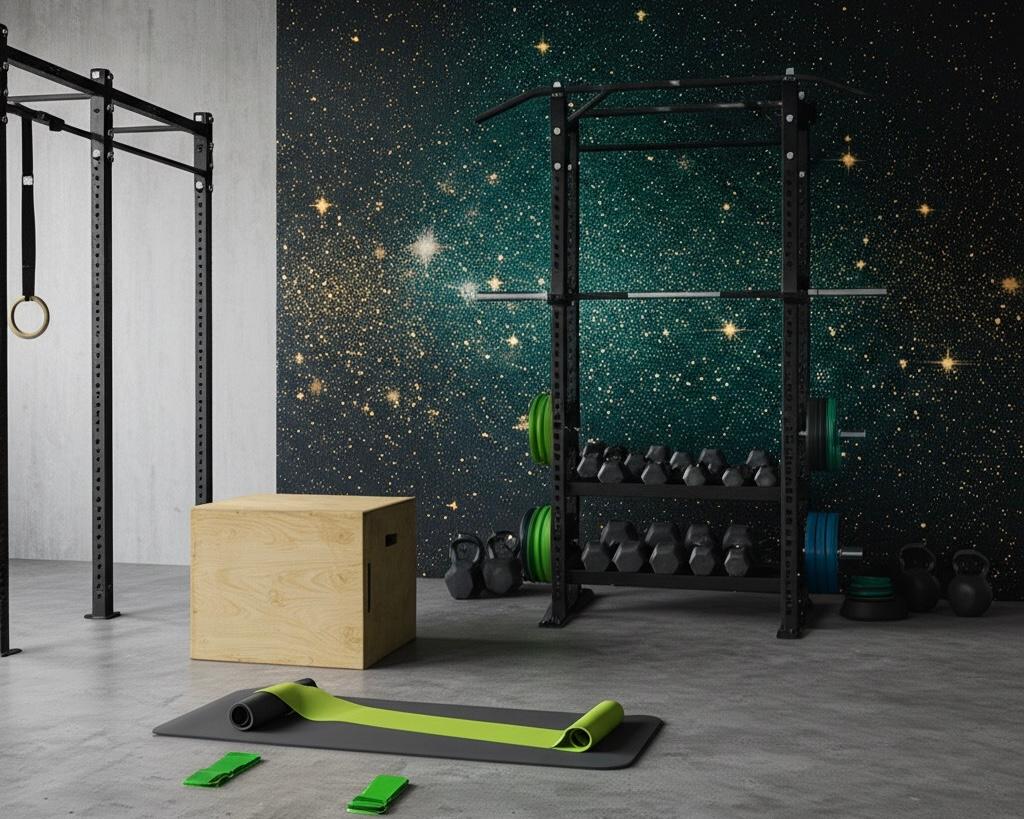
Leg strength is vital for jumps, tumbling, and supporting stunts, while upper body strength is crucial for bases and flyers alike. A balanced program should target both areas to create a well-rounded athlete:
For legs, focus on:
• Squats: Bodyweight or with light dumbbells, squats build quad and glute strength for powerful jumps. Aim for 3 sets of 10-12 reps.
• Lunges: Forward or lateral lunges, improve single-leg strength and balance, key for stunting. Do 3 sets of 8-10 reps per leg.
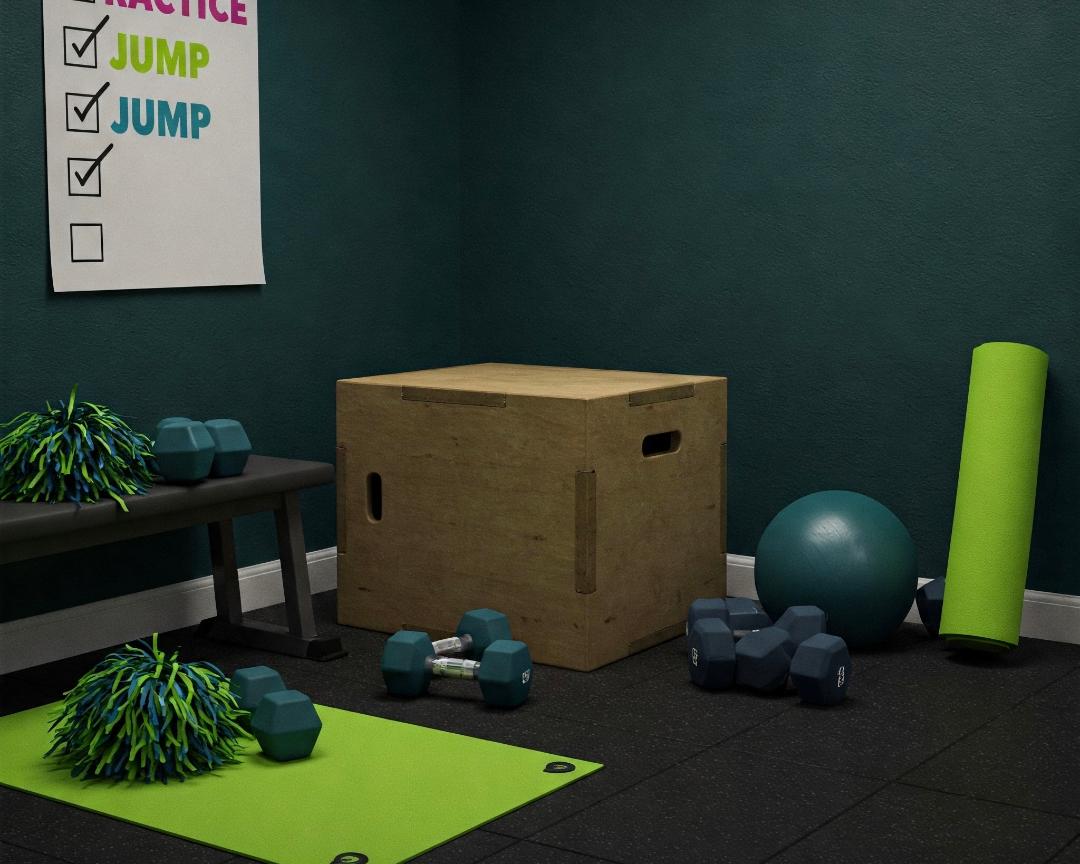
• Box Jumps: These plyometric exercises enhance explosive power for tumbling. Start with a low box or do 3 sets of 8-10 jumps.
For upper body, try:
• Push-Ups: A classic move for chest, shoulder, and arm strength. Modify with knees down for beginners. Aim for 3 sets of 8-12 reps.
• Dumbbell Shoulder Press: Using light weights, this builds shoulder stability for lifting or holding positions. Do 3 sets of 10-12 reps.
• Pull-Ups or Assisted Pull-Ups: These strengthen the back and arms, ideal for bases. Aim for 3 sets of 5-8 reps with assistance if needed.
Work with your child's coach to ensure these exercises match their skill level and cheer role. Consistency is key- 2 to 3 strength sessions per week can yield noticeable improvements in just a few months.

Flexibility and Mobility: The Perfect Complement
Strength training is most effective when paired with flexibility and mobility work. Cheerleaders need a full range of motion for high kicks, splits, and dynamic stunts. Tight muscles can lead to injuries or limit performance, so incorporate stretching and mobility exercises into their routine.
Encourage your cheerleader to spend 10-15 minutes stretching after every practice or strength session. Focus on major muscle groups like hamstrings, hip flexors, and shoulders. Yoga or dynamic stretching routines can also improve mobility while promoting relaxation and recovery. You can support this by ensuring your child has a dedicated space and time for stretching, perhaps as part of a cooldown routine.
Practical Tips for Parents
Getting started with strength training doesn't have to be overwhelming. Here are actionable ways to support your cheerleader:
• Find a Qualified Coach: Look for a strength and conditioning program at your child's cheer gym or local fitness center. A coach familiar with cheerleader can tailor workouts to your child's needs.
• Prioritize Rest and Nutrition: Strength training requires recovery time. Ensure your child gets enough sleep and eats a balanced diet with adequate protein to support muscle growth.
• Encourage Consistency: Help your child stick to a routine by setting a schedule that fits around school and practice. Even 20-30 minutes of strength work a few times a week can make a difference.
• Celebrate Progress: Acknowledge small wins, like a higher jump or a more stable stunt. Positive reinforcement keeps your cheerleader motivated.
Addressing Common Concerns
Some parents worry that strength training will make their child bulky or stunt their growth. These are myths- proper strength training for cheerleaders focuses on lean muscle and functional fitness, not bodybuilding. It also doesn't harm growth plates when done with age-appropriate exercises and supervision. Another concern is time commitment, but strength training can be efficient, with short, targeted workouts yielding big results. If costs is an issue, many exercises require no equipment, and group classes at cheer gyms are often affordable.
Empowering Your Cheerleader
Strength training is an investment in your cheerleader's performance, safety, and confidence. By building a strong foundation, you're helping them shine in their stunts, jumps, and tumbling while reducing the risk of injuries that could sideline their passion. Your support as a cheer parent- whether through encouraging workouts, coordinating with coaches, or celebrating their progress- makes all the difference. Start small, stay consistent, and watch your cheerleader soar to new heights in their sport.