

(This post contains affiliate links to products, and we may earn a commission for purchases made through these links at no additional cost to you. All recommendations are based on their relevance to cheerleading training and are intended to support your athlete's development.)
Cheerleading is no small feat. Watching your child soar through the air, execute jaw-dropping stunts, and stick those landings is both thrilling and nerve-wracking. Behind every confident flyer and sturdy base is a foundation of strength, flexibility, and endurance. You want to support your athlete in building the physical prowess needed for stunting safely and effectively. This post dives into young cheerleaders can develop stunt-ready muscles, offering practical tips tailored to parents who want to help their kid shine in the cheer world. From strength training to nutrition and recovery, here's everything you need to know to help your cheerleader build a body that's ready for the mat.
Understanding the Physical Demands of Stunting
Stunting is the heart of many cheer routines, requiring a blend of power, balance, and coordination. Flyers need explosive strength to launch into the air and core stability to hold positions like liberties and arabesques. Bases, on the other hand, rely on lower-body strength and upper-body endurance to lift and support their teammates. Tumbling and transitions add another layer, demanding agility and stamina. For young athletes, building the right muscles isn't just about performance- it's about injury prevention. Cheerleading has a high injury rate, with strains and sprains accounting for over 50% of incidents, often due to inadequate training, your cheerleader can develop the resilience needed to stunt confidently.
Strength Training: The Foundation of Stunt-Ready Muscles
Strength training is non-negotiable for cheerleaders. It builds the muscle groups critical for stunting while enhancing joint stability. For young athletes, the focus should be on bodyweight exercises and light resistance to promote proper form and avoid injury. Here are some key areas to target:
Lower Body Power for Bases and Tumblers
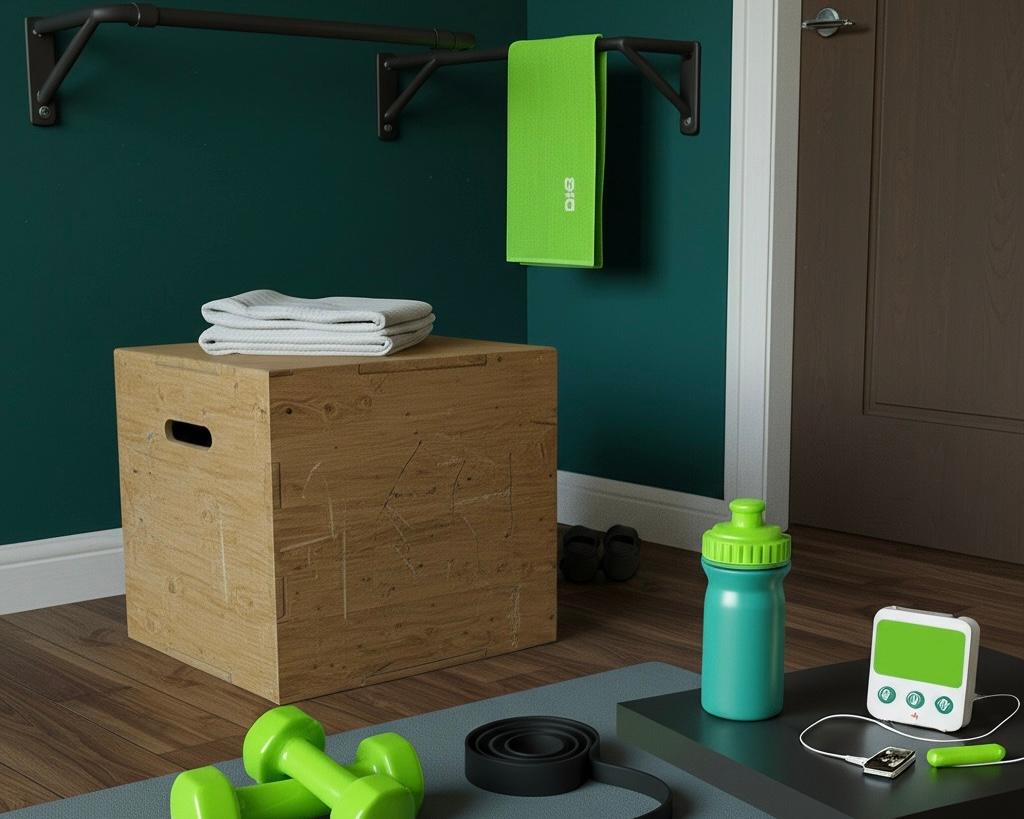
Bases need strong legs to lift and stabilize flyers, while tumblers rely on explosive power for flips and jumps. Exercises like squats, lunches, and box jumps are excellent for building quadriceps, hamstrings, and glutes. Bodyweight squats can be done at home, aiming for 3 sets of 12-15 reps. As strength improves, add resistance with dumbbells or resistance bands. Encourage your cheerleader to practice proper squat form- knees behind toes, back straight- to maximize benefits and reduce strain.
Upper Body Strength for Lifting and Supporting
Bases and flyers alike need upper body strength. Bases use their shoulders and arms to hoist flyers, while flyers rely on arm strength for balance during stunts. Push-ups are a fantastic starting point, adaptable for all fitness levels. Beginners can start with knee push-ups, aiming for 3 sets of 10. For advanced athletes, try clap push-ups to mimic the explosive power needed in stunting. Pull-ups and assisted pull-ups (using a resistance band) also strengthen the back and biceps, crucial for supporting teammates.
Core Stability for Control and Balance
A strong core is the glue that holds stunts together. Flyers need it to maintain tight, controlled positions, while bases use it for stability underweight. Plants are a cheerleader's best friend- start with 30-second holds and progress to 60 seconds or more. Bicycle crunches and leg raises also target the abs and obliques, enhancing rotational control for twists and transitions. Aim for 2-3 core sessions per week, mixing exercises to keep it engaging.
Parents can help by setting up a simple home workout routine, perhaps 20-30 minutes, 3 times per week. Apps like Nike Training Club offer free guided workouts tailored for teens or consult your cheer coach for a program aligned with team goals.
Flexibility and Mobility: Staying Limber for Stunts
Stunting demands flexibility, especially for flyers executing high kicks or splits in the air. Tight muscles can lead to poor form or injury, so daily stretching is key. Dynamic stretches before practice- like leg swings or arm circles- warm up muscles and improve range of motion. Static stretches post-workout, such as hamstring stretches or quad stretches, help maintain flexibility. Aim for 10-15 minutes of stretching daily. Yoga is another great option; poses like downward dog and pigeon stretch target hip and shoulder mobility, both critical for stunting. Many cheer gyms offer yoga classes, or you can find free routines on YouTube tailored for young athletes.
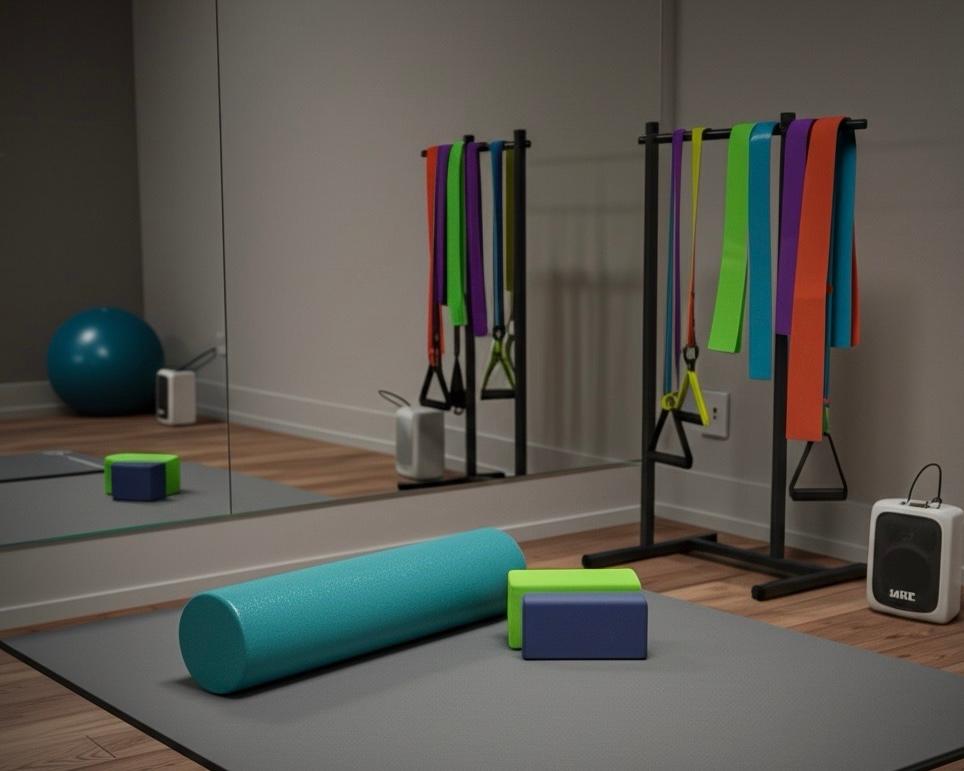
Mobility work, like foam rolling, can also prevent tightness. This foam roller costs less than $15 and can be used at home to massage sore muscles. Encourage your cheerleader to roll out their quads, hamstrings, and back for 5-10 minutes after practice. This not only aids recovery but also keeps muscles pliable for those high-flying stunts. 
Nutrition: Fueling the Stunt-Ready Body
Building muscle requires proper fuel, and cheer parents play a big role in ensuring their athlete eats right. A balanced diet with adequate proteins, cabs, and healthy fats support muscle growth and energy needs. Protein is especially important for muscle repair- aim for 0.5 to 0.7 grams per pound of body weight daily. For a 100-pound cheerleader, that's 50-70 grams, easily met with foods like chicken, eggs, Greek yogurt, or plant-based options like lentils and tofu.
Carbs are the body's primary energy source, critical for high-energy practices. Whole grains like brown rice, oats, or whole-wheat pasta provide sustained energy. Healthy fats from avocados, nuts, or olive oil support overall health. Hydration is equally vital- dehydration can sap strength and focus. Encourage your cheerleader to drink water throughout the day, aiming for at least 8-10 cups, more on practice days.
Timing matters, too. A pre-practice snack, like a banana with peanut butter, provides quick energy. Post-practice, a meal with protein and carbs- like a turkey wrap with veggies- aids recovery. Involve your cheerleader in meal prep to teach healthy habits. For busy families, batch-cook protein-rich meals like grilled chicken or quinoa bowls to have ready after late practices.
Rest and Recovery: The Unsung Heroes
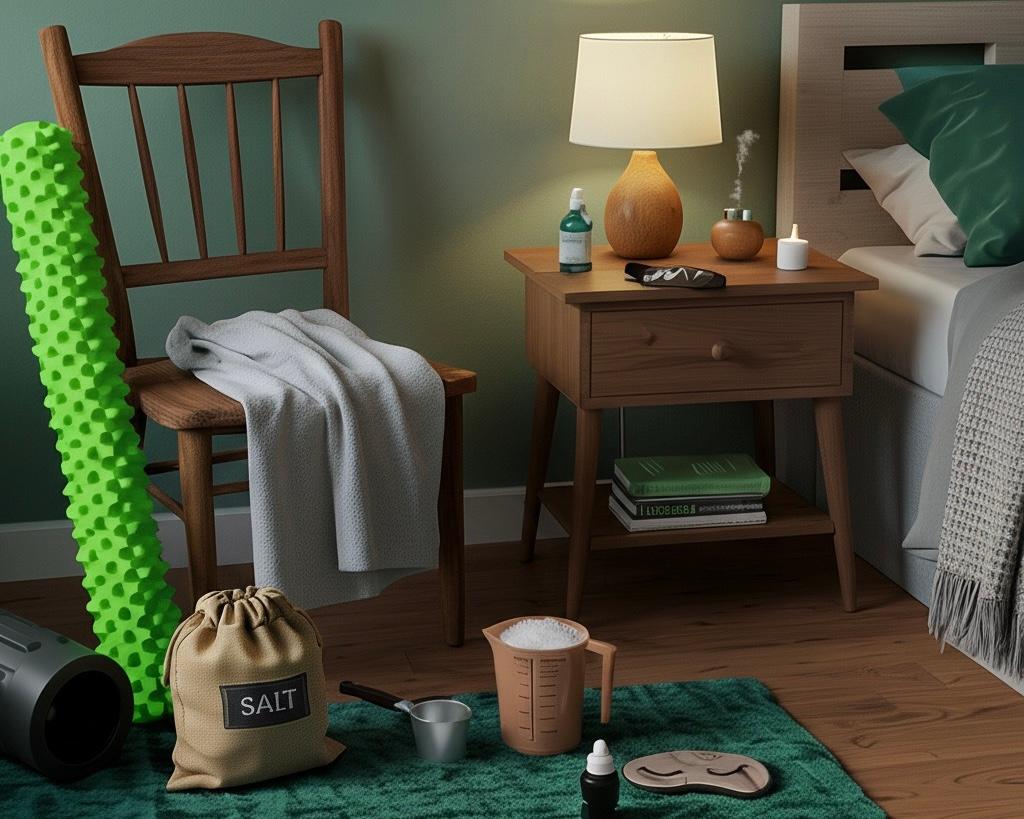
Cheerleaders often push hard, but rest is where muscles grow. Overtraining can lead to fatigue, burnout, or injury, so prioritize recovery. Aim for 8-10 hours of sleep nightly- sleep is when the body repairs and builds muscle. Create a calming bedtime routine, limiting screen time an hour before bed to improve sleep quality.
Active recovery days are also key. On non-practice days, light activities like walking or gentle yoga keep muscles loose without strain. Ice baths or Epsom salt soaks can reduce soreness after intense stunt sessions. If your cheerleader complains of persistent pain, consult a sports physician or physical therapist to address potential issues early.

Mental Strength: The Muscle Behind the Muscle
Stunting isn't just physical- it's mental. The pressure to nail a stunt in front of a crowd can be intense. Building mental resilience helps your cheerleader stay focused and confident. Encourage positive self-talk and goal-setting, like aiming to hold a plank for 10 seconds longer each week. Visualization techniques- imagining a perfect stunt- can boost performance. If anxiety is an issue, consider mindfulness apps like Headspace, which offers teen-friendly meditations.
Your support as a cheer parent is invaluable. Celebrate small wins, like a stronger base hold or a cleaner jump, to build confidence. Avoid focusing solely on outcomes (like winning competitions) and instead praise effort and progress. This builds a growth mindset, helping your cheerleader tackle challenges on and off the mat.
Partnering with Coaches and Trainers
Finally, collaborate with your cheerleader's coaches. They can recommend specific exercises or drills tailored to your child's role (flyer, base, or tumbler). Some gyms offer strength and conditioning classes, which are great for building stunt-ready muscles in a team setting. If your budget allows, a certified personal trainer with expertise in youth sports can create a personalized plan, typically costing $30-60 per session. Always ensure any trainer is certified (look for NSCA or NASM credentials) and familiar with cheerleading's demands.
Wrapping Up: Empowering Your Cheerleader
Building stunt-ready muscles is a journey, not a sprint. By supporting your cheerleader with strength training, flexibility, nutrition, recovery, and mental resilience, you're setting them up for success. Your role as a cheer parent is to guide, encourage, and cheer (pun intended) from the sidelines. Start small- maybe a few squats at home or a post-practice stretch routine- and build from there. With consistency and care, your cheerleader will develop the strength and confidence to soar in every stunt, making those competition moments even more rewarding for both of you.