Steal My Art Style
Gratis
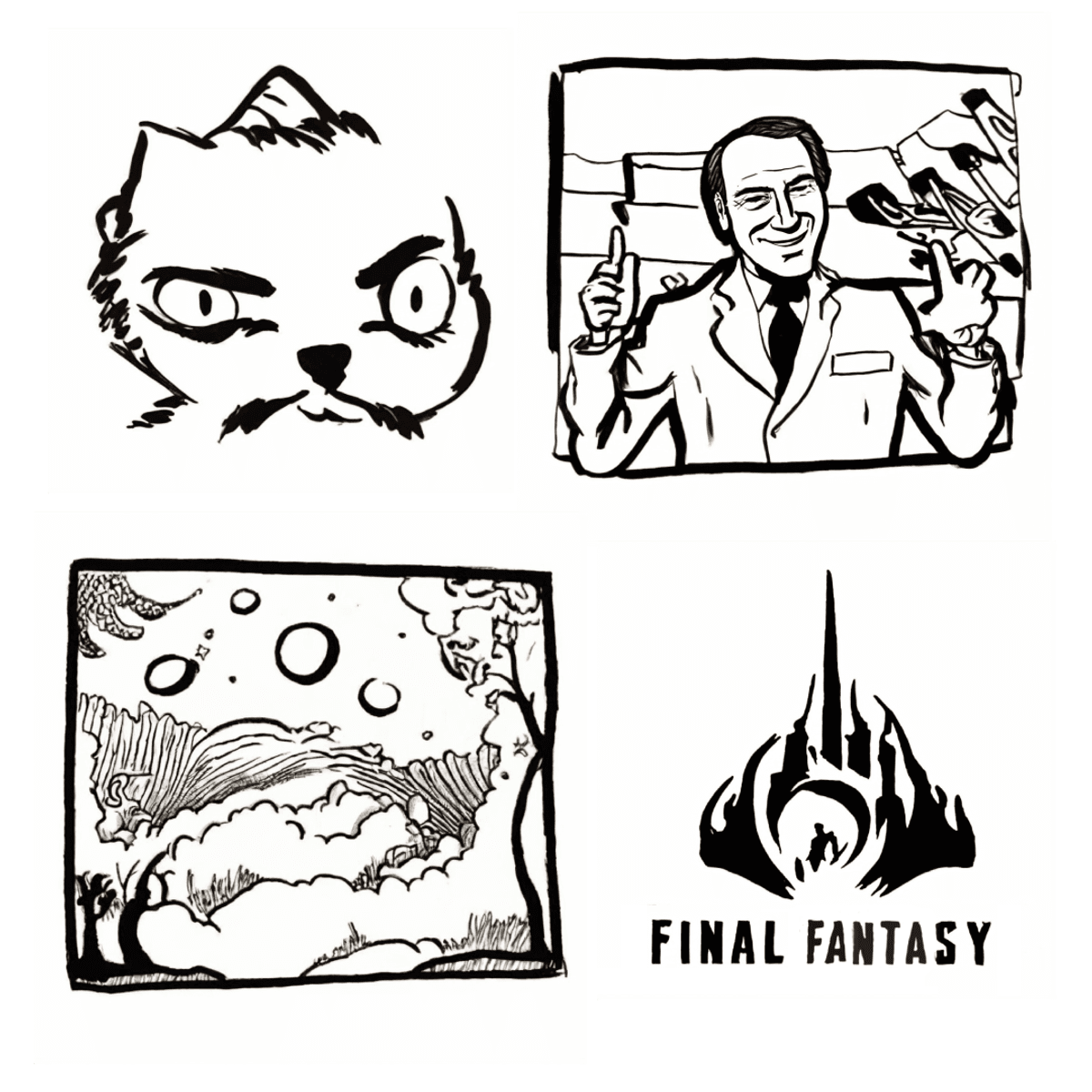
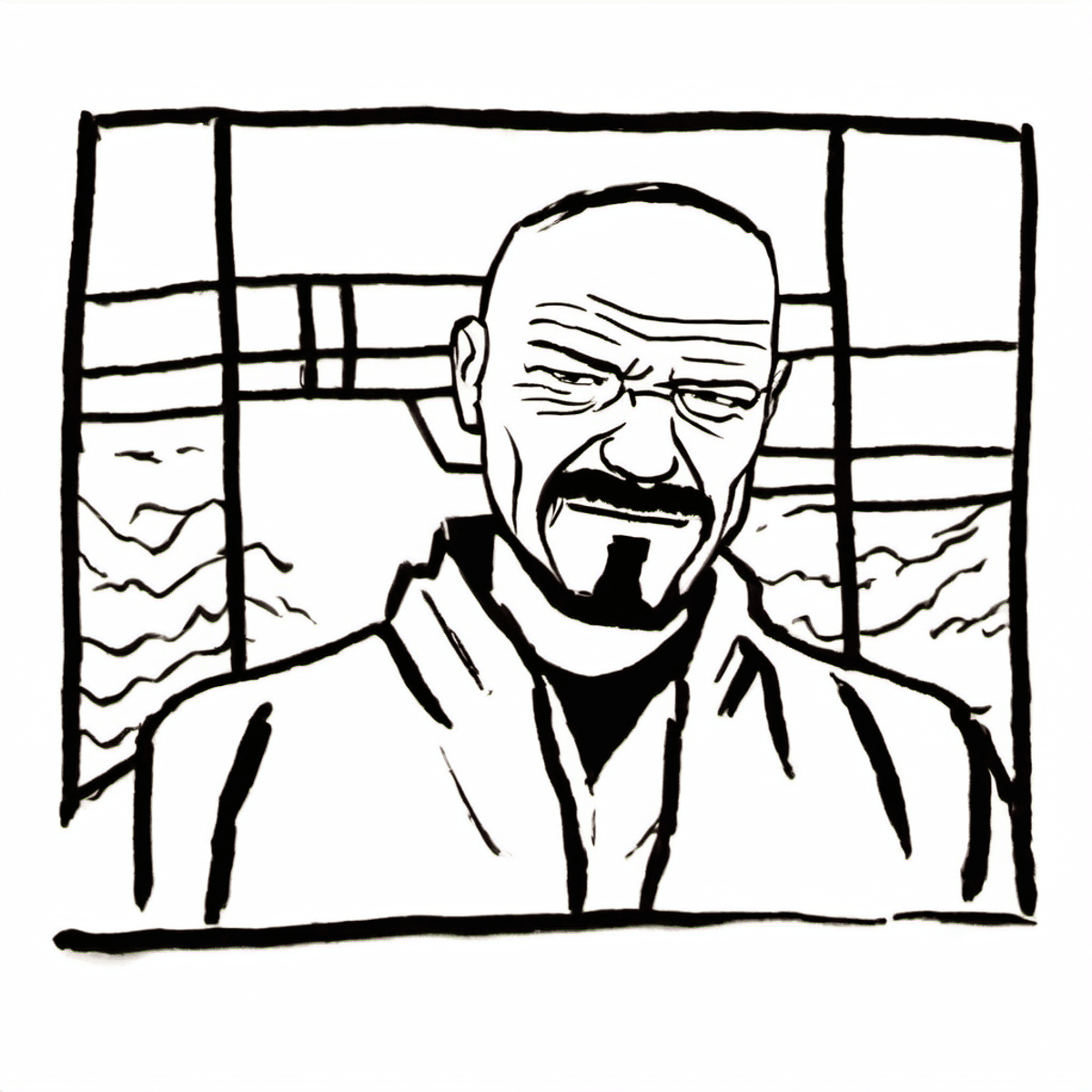
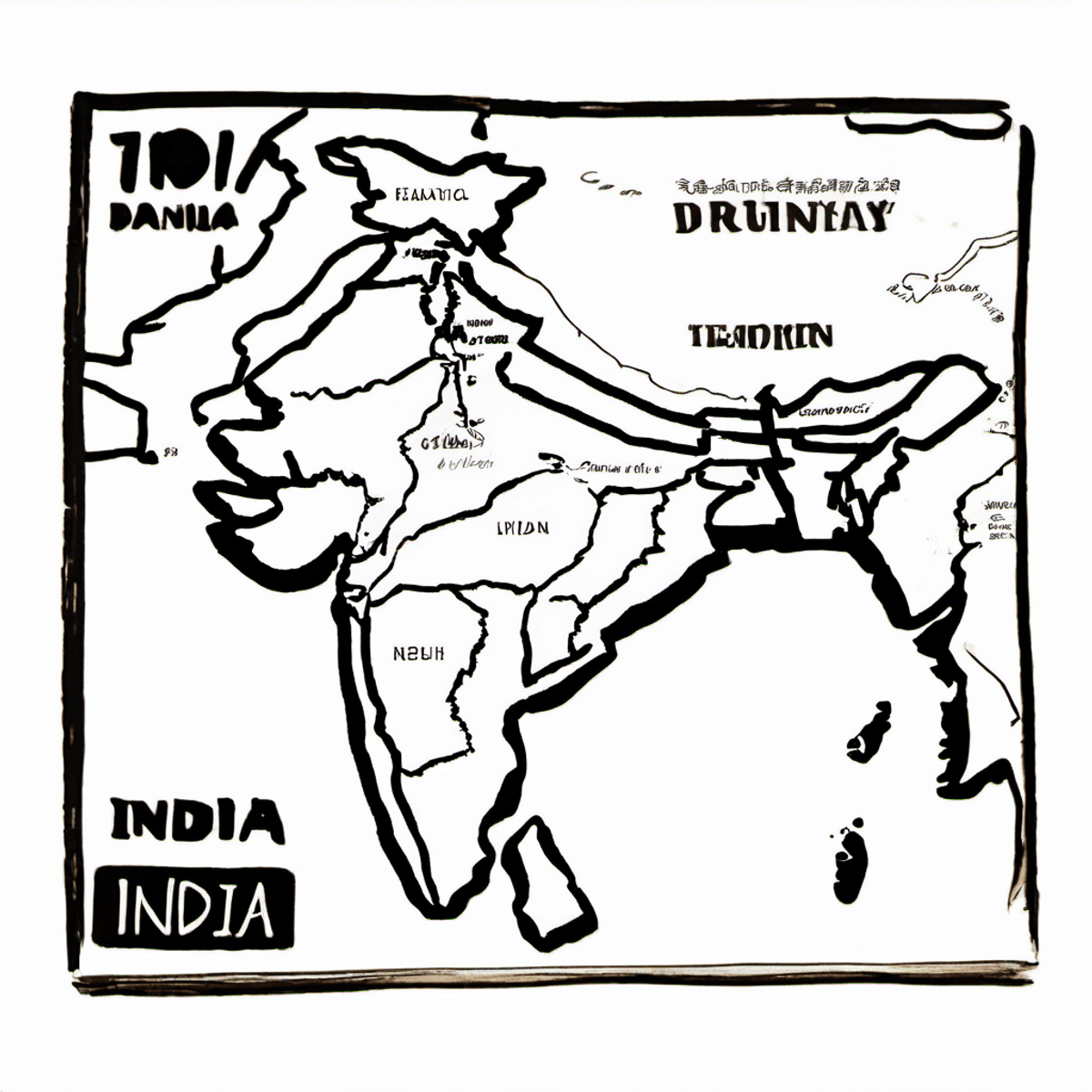
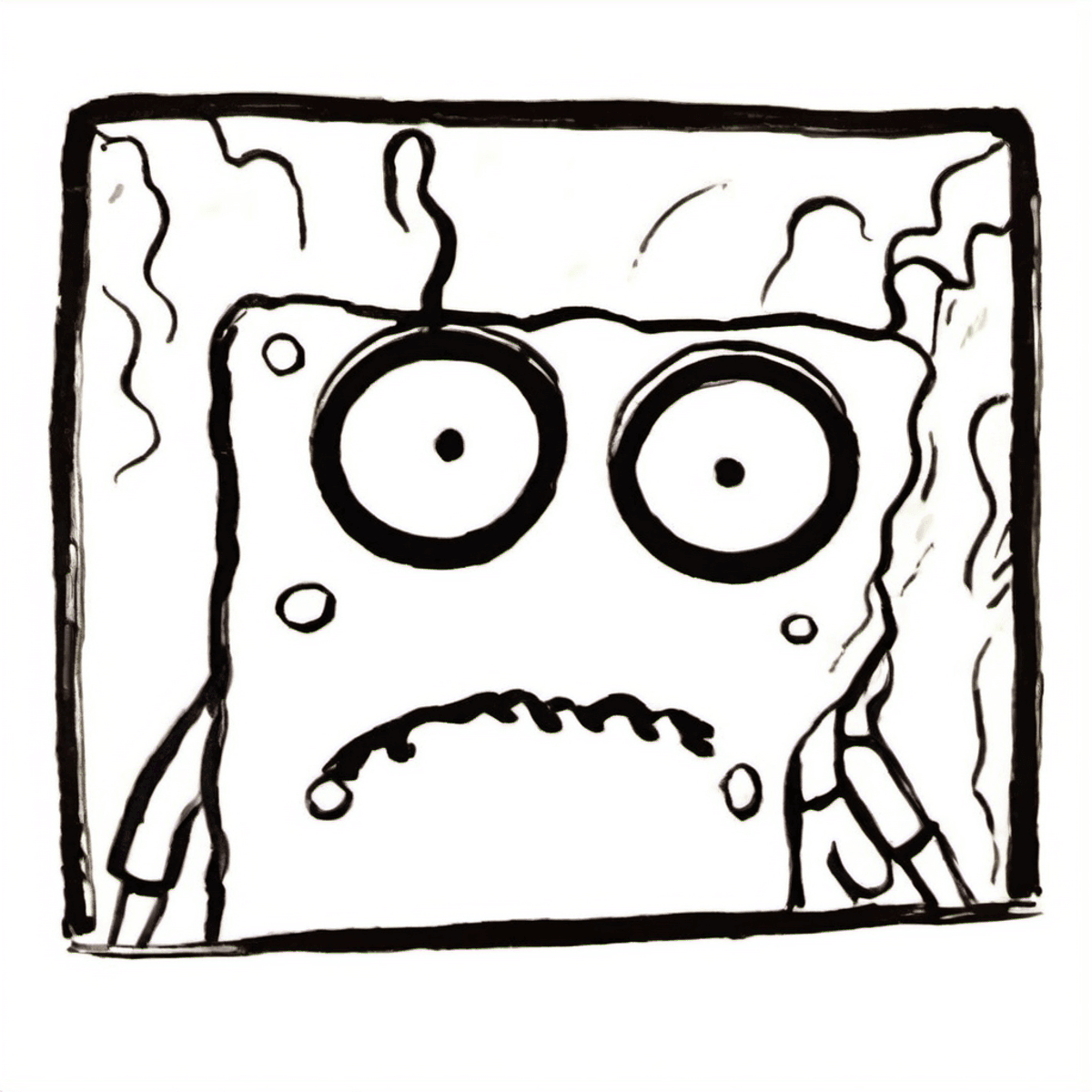
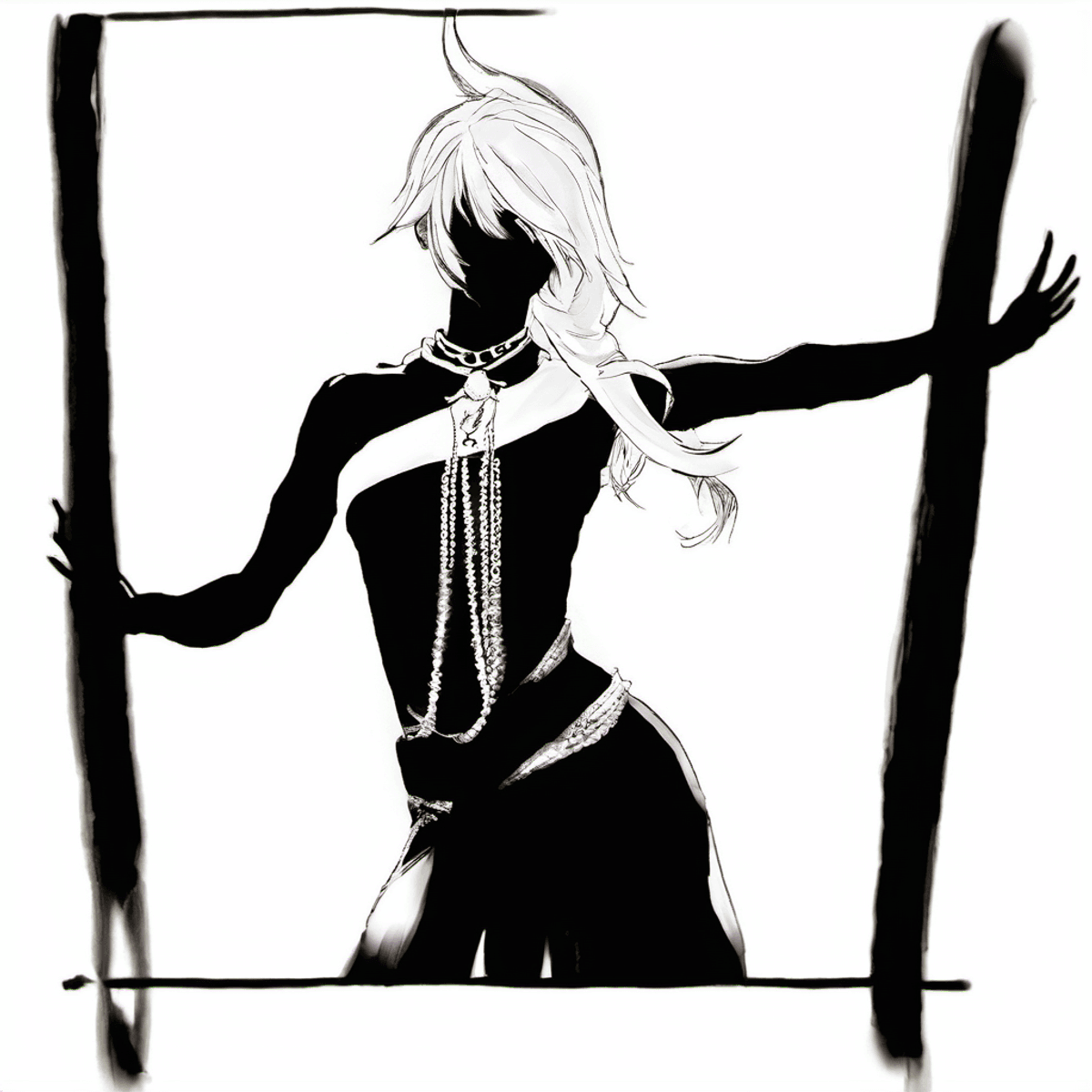
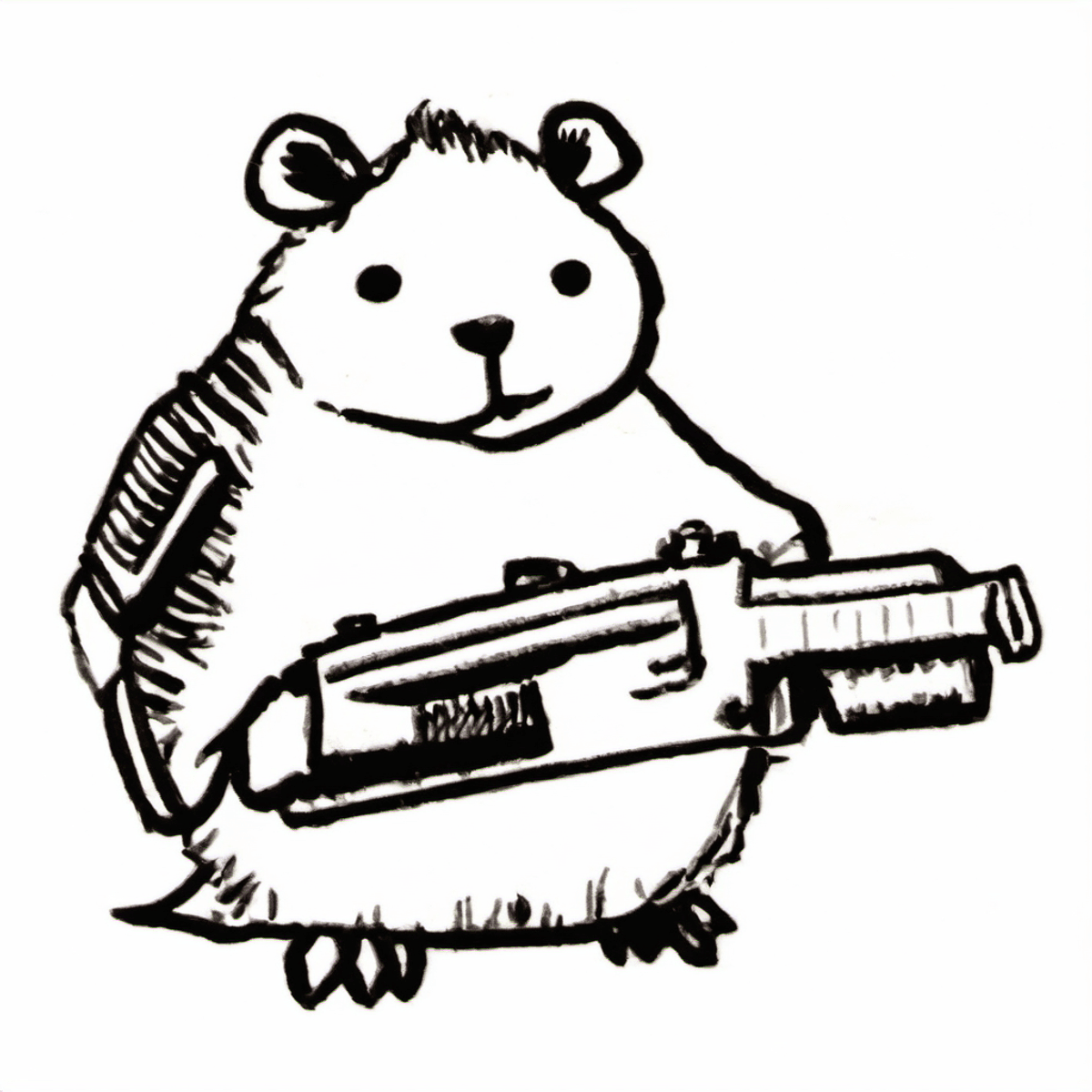
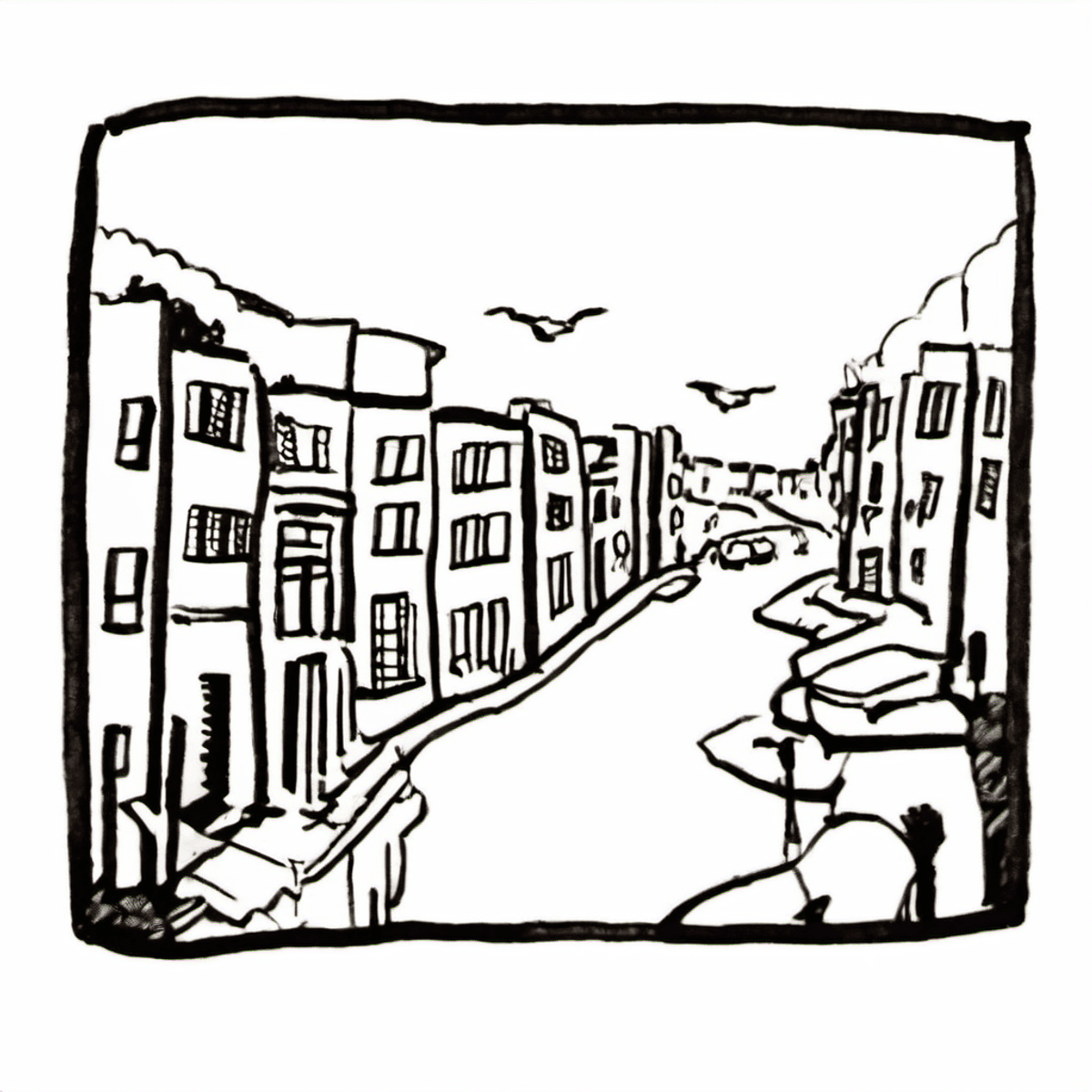
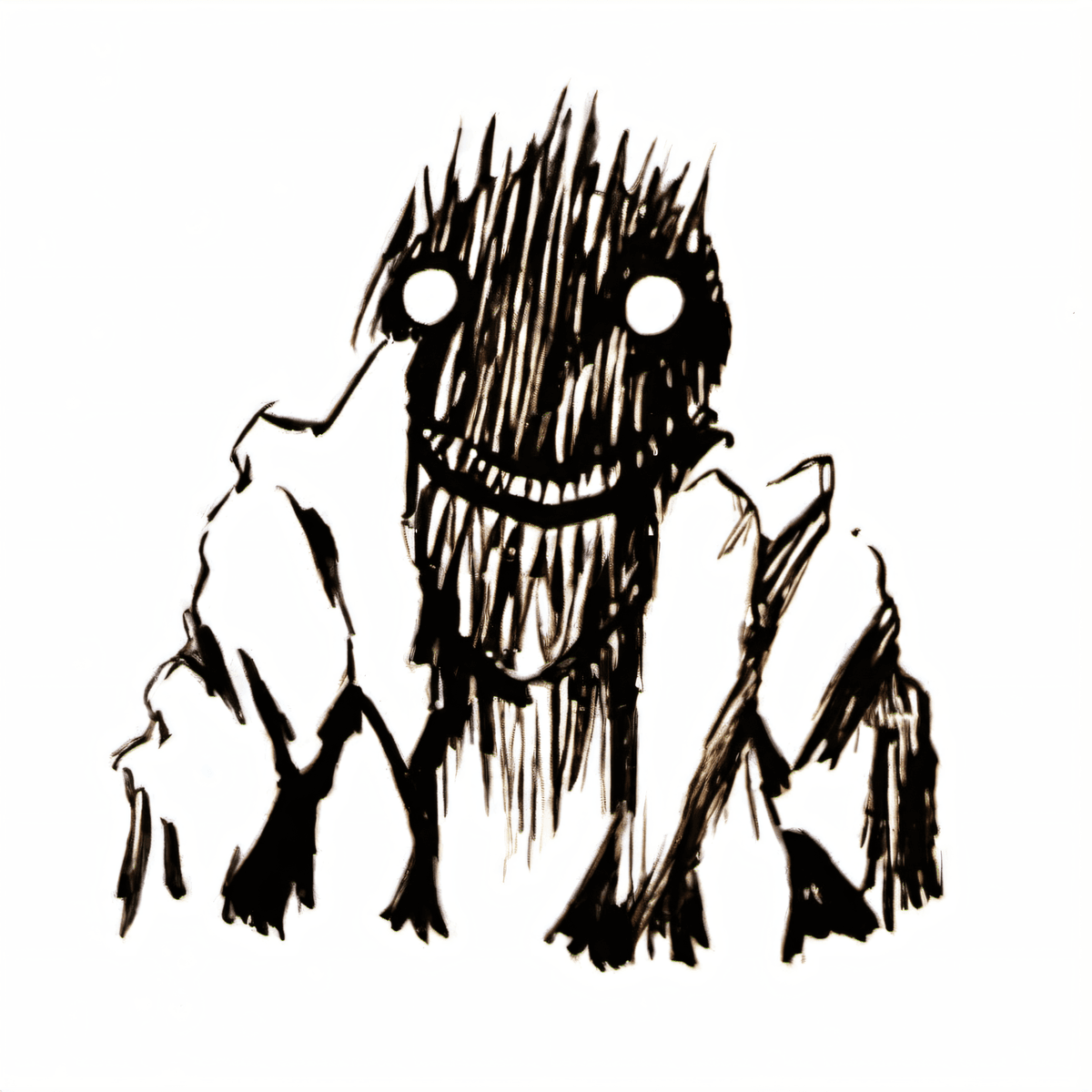
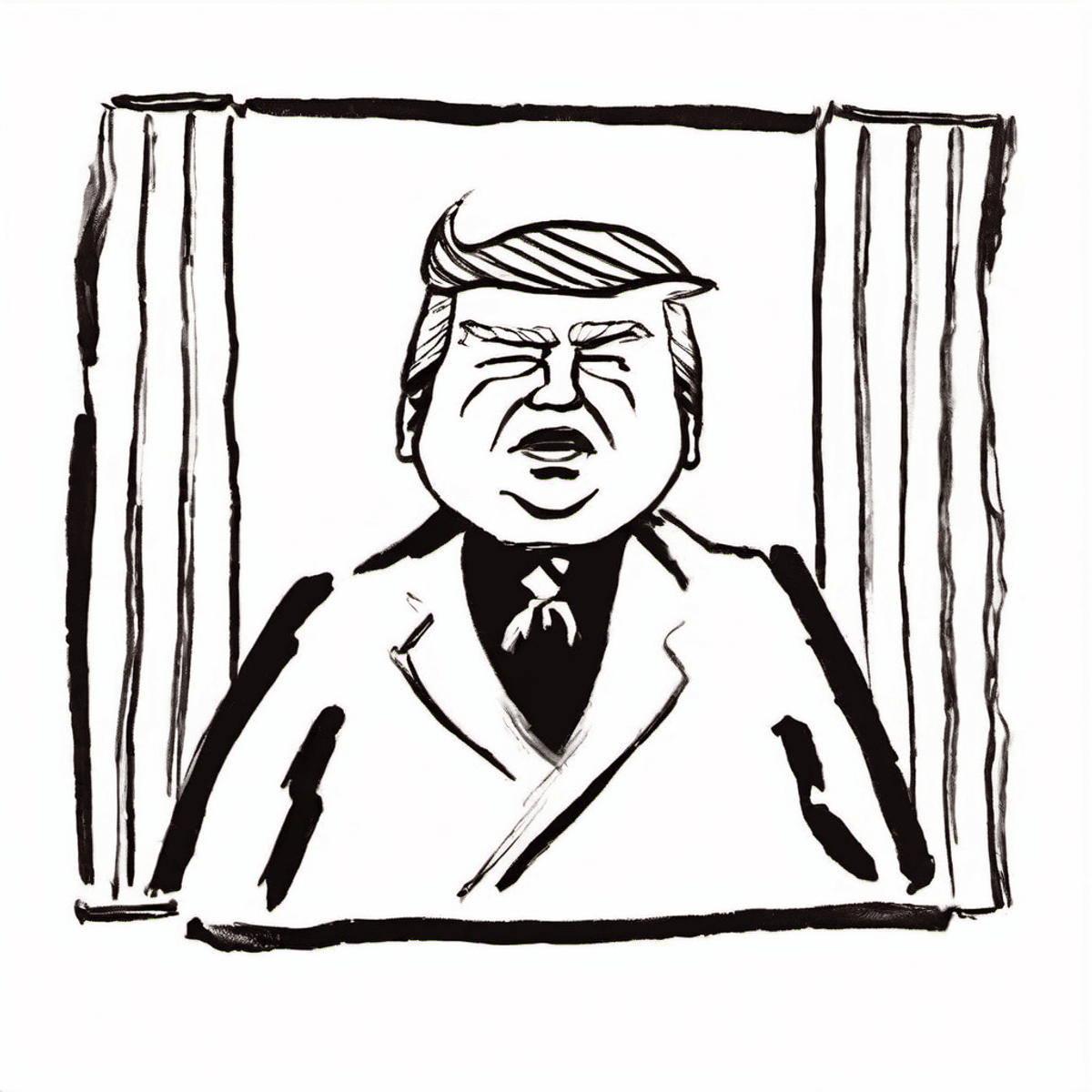
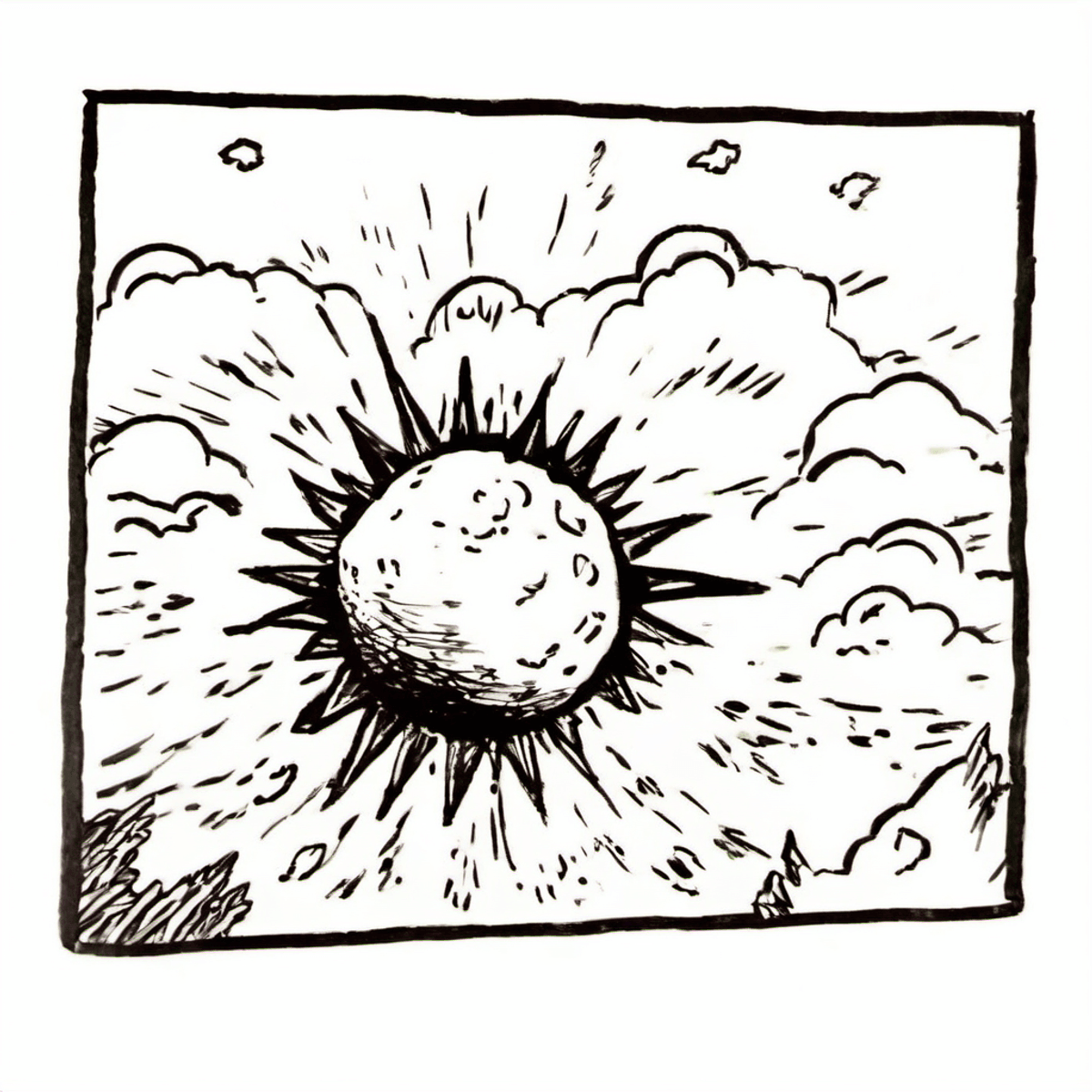
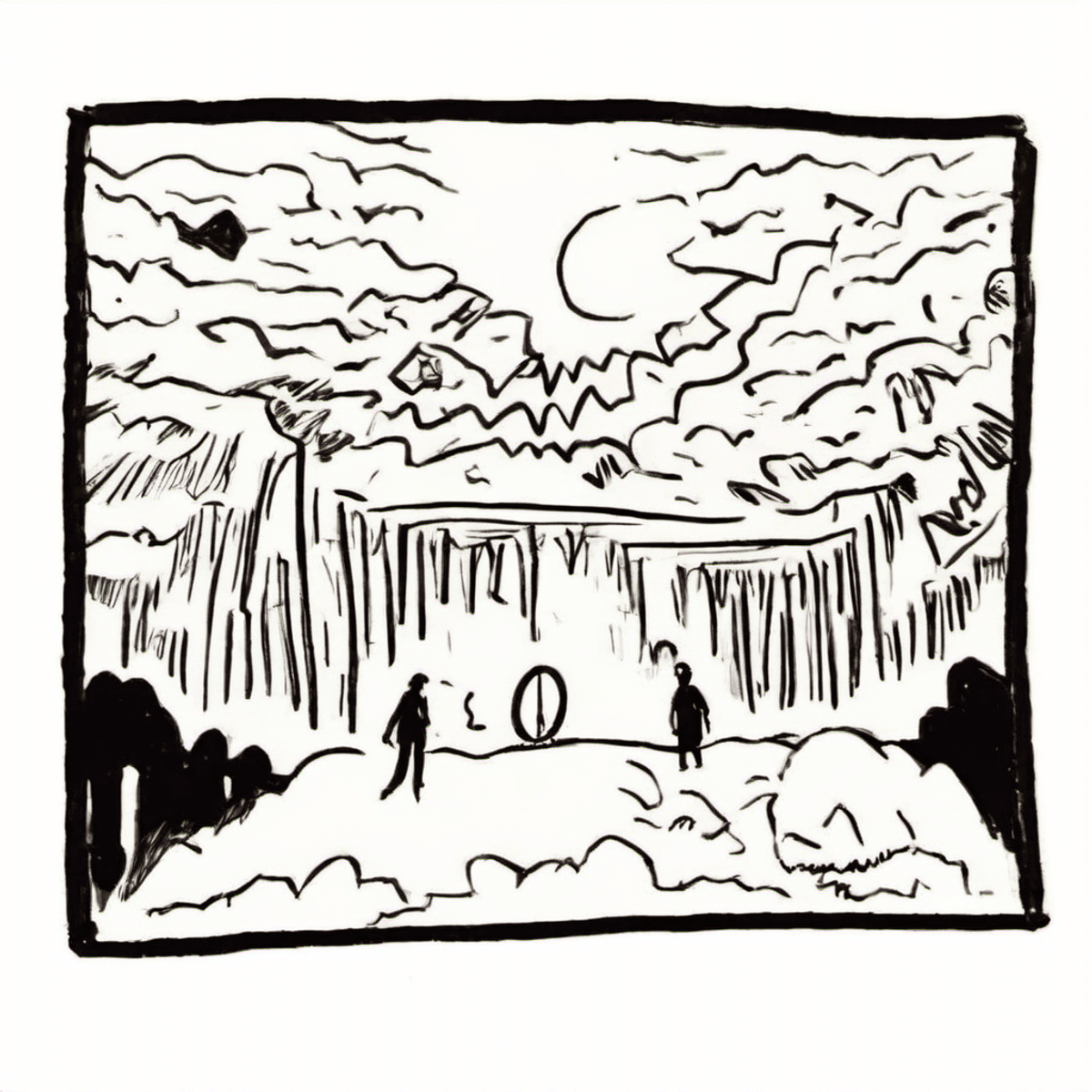
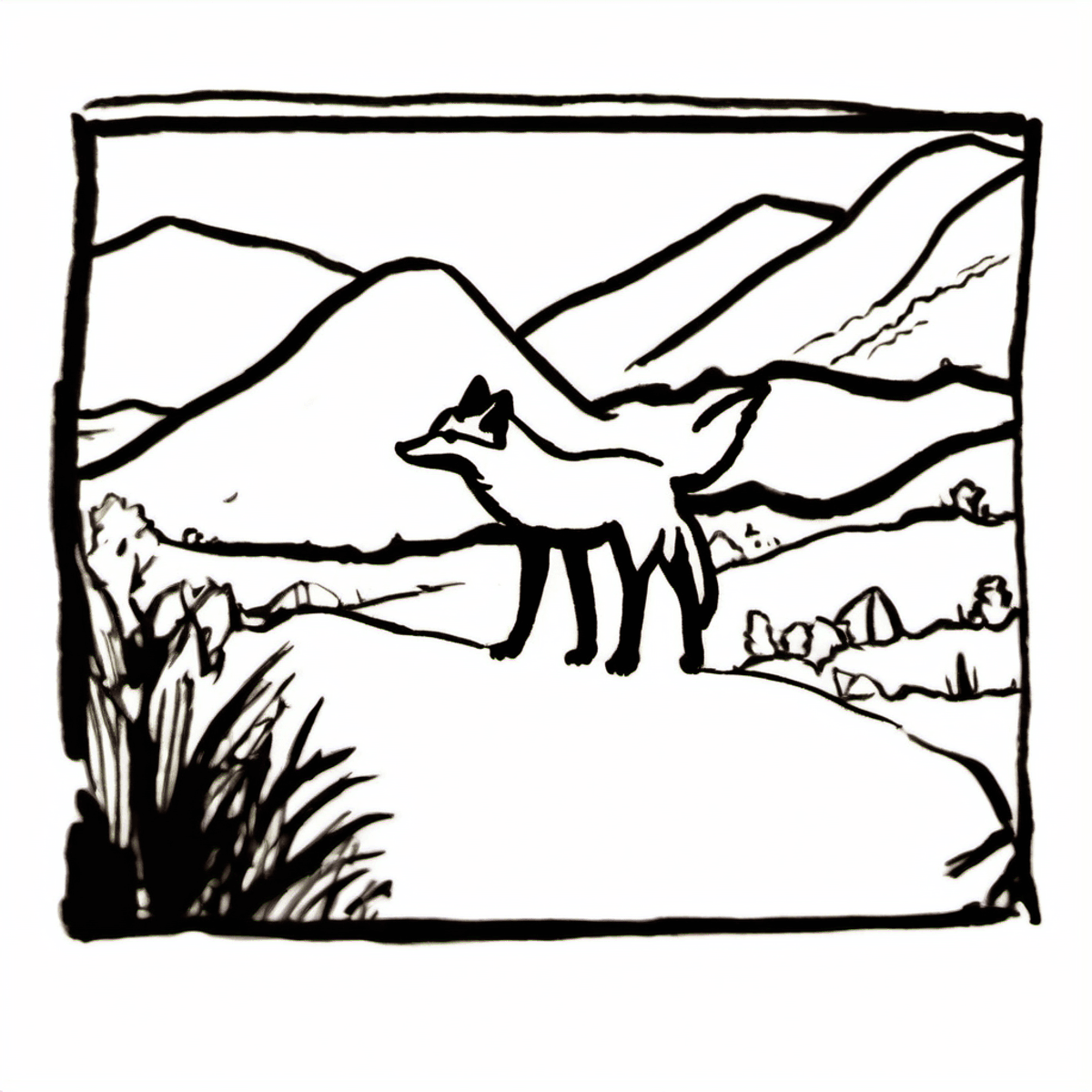
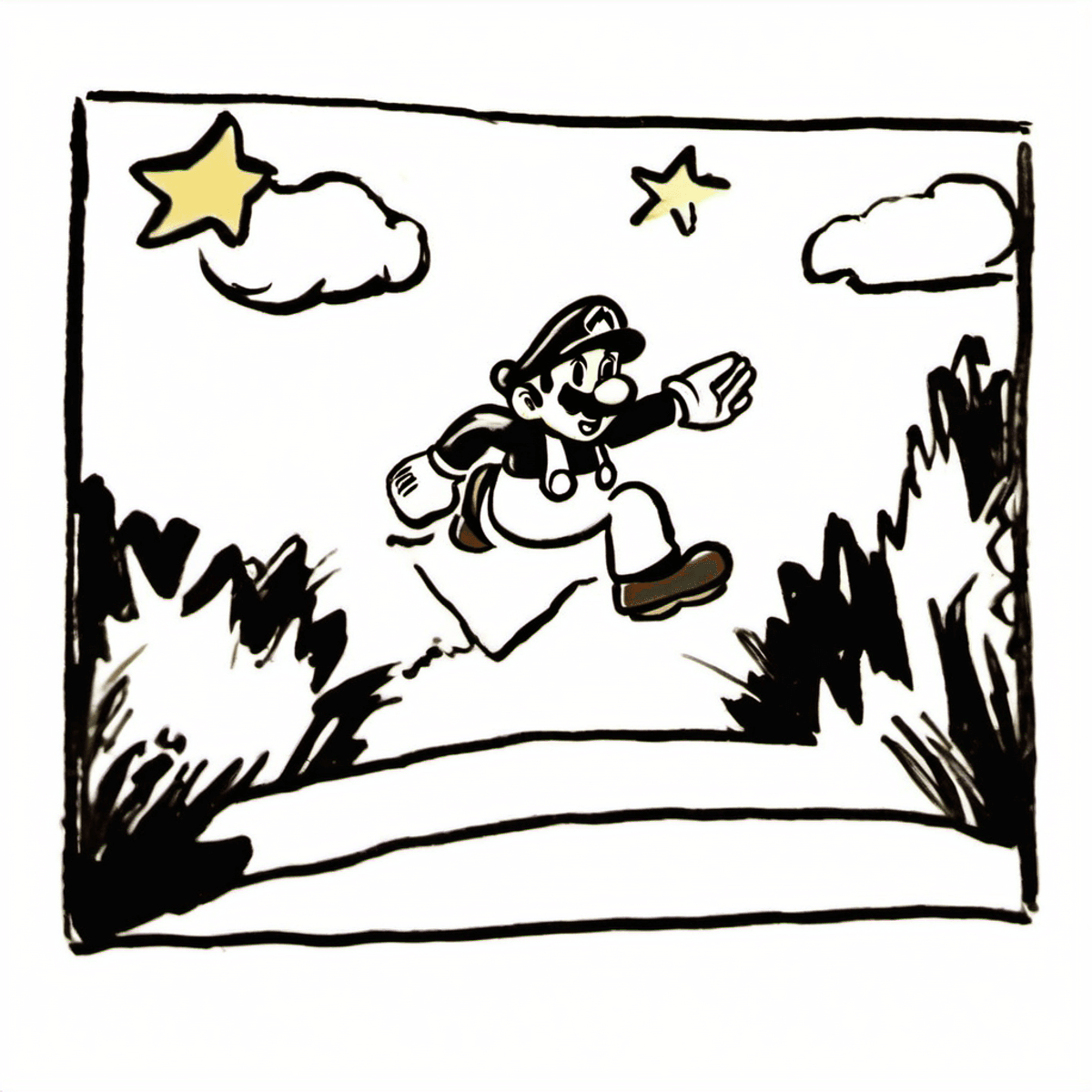
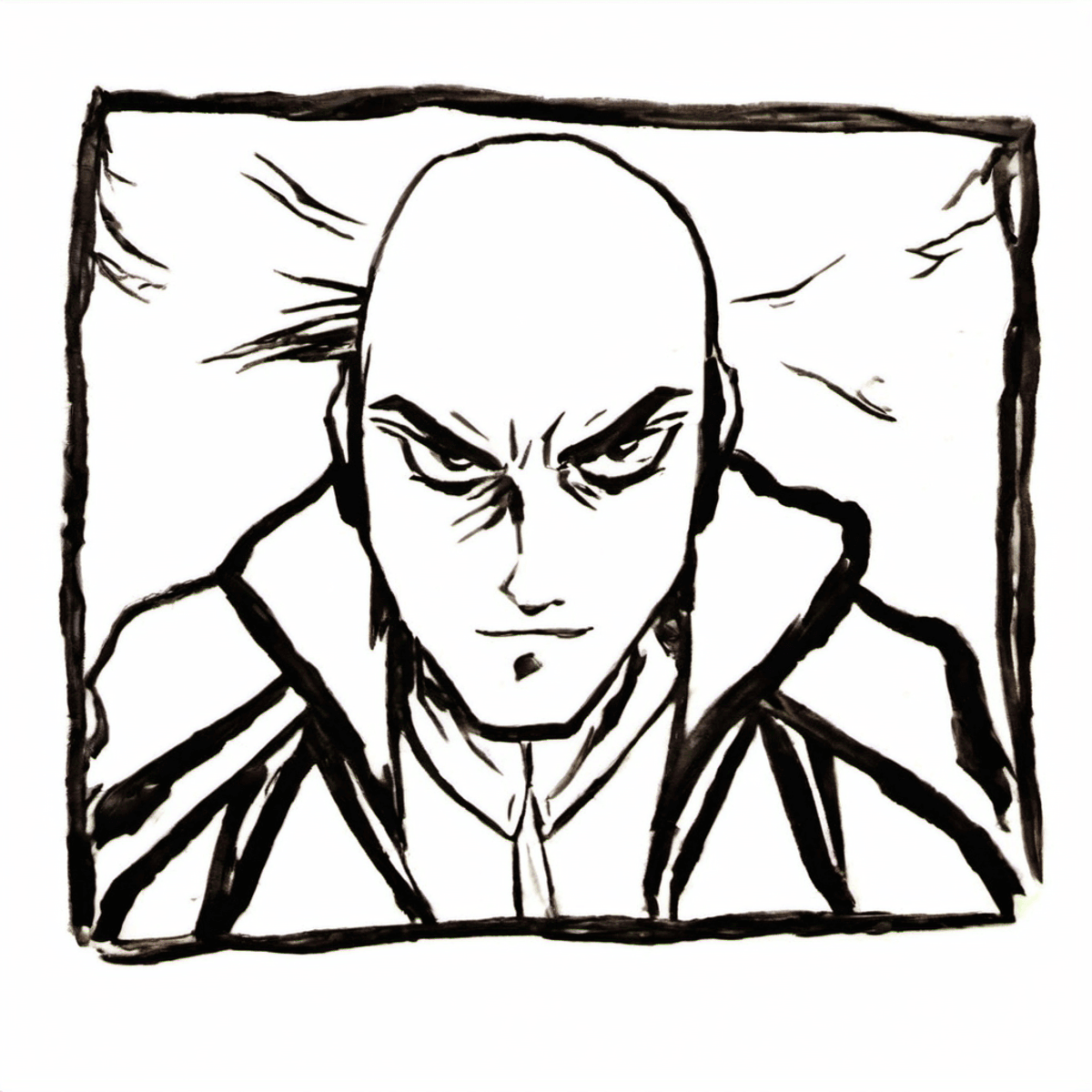
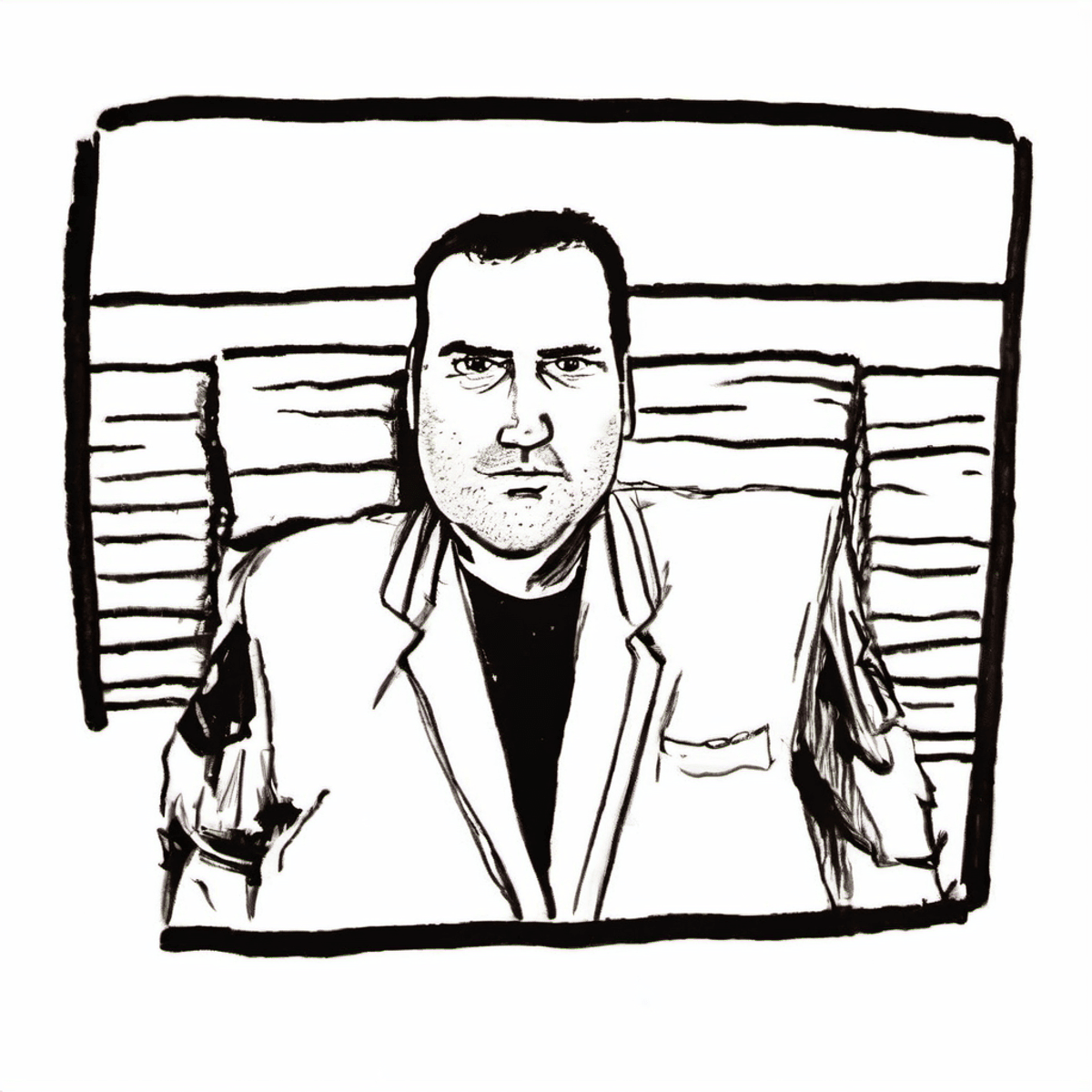
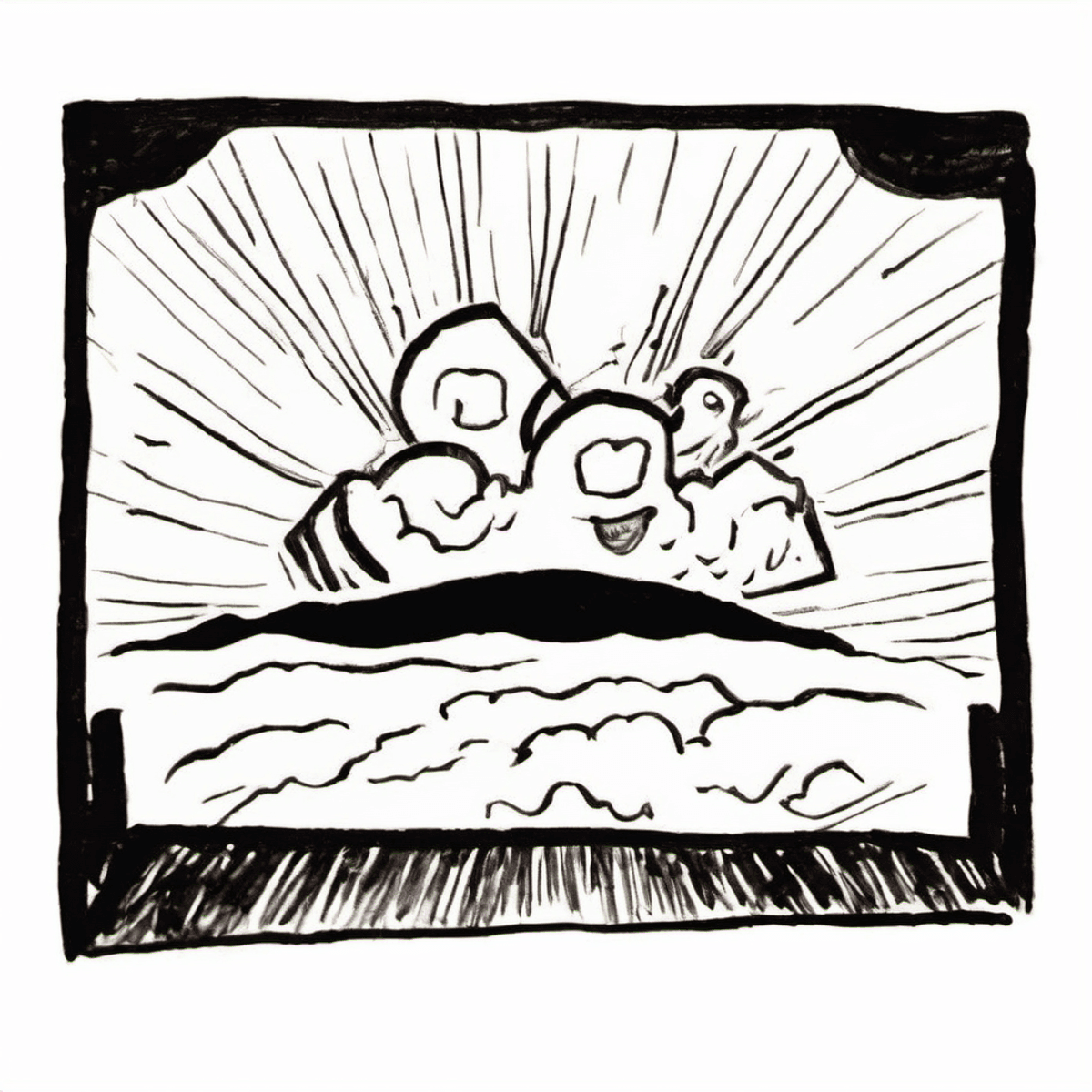
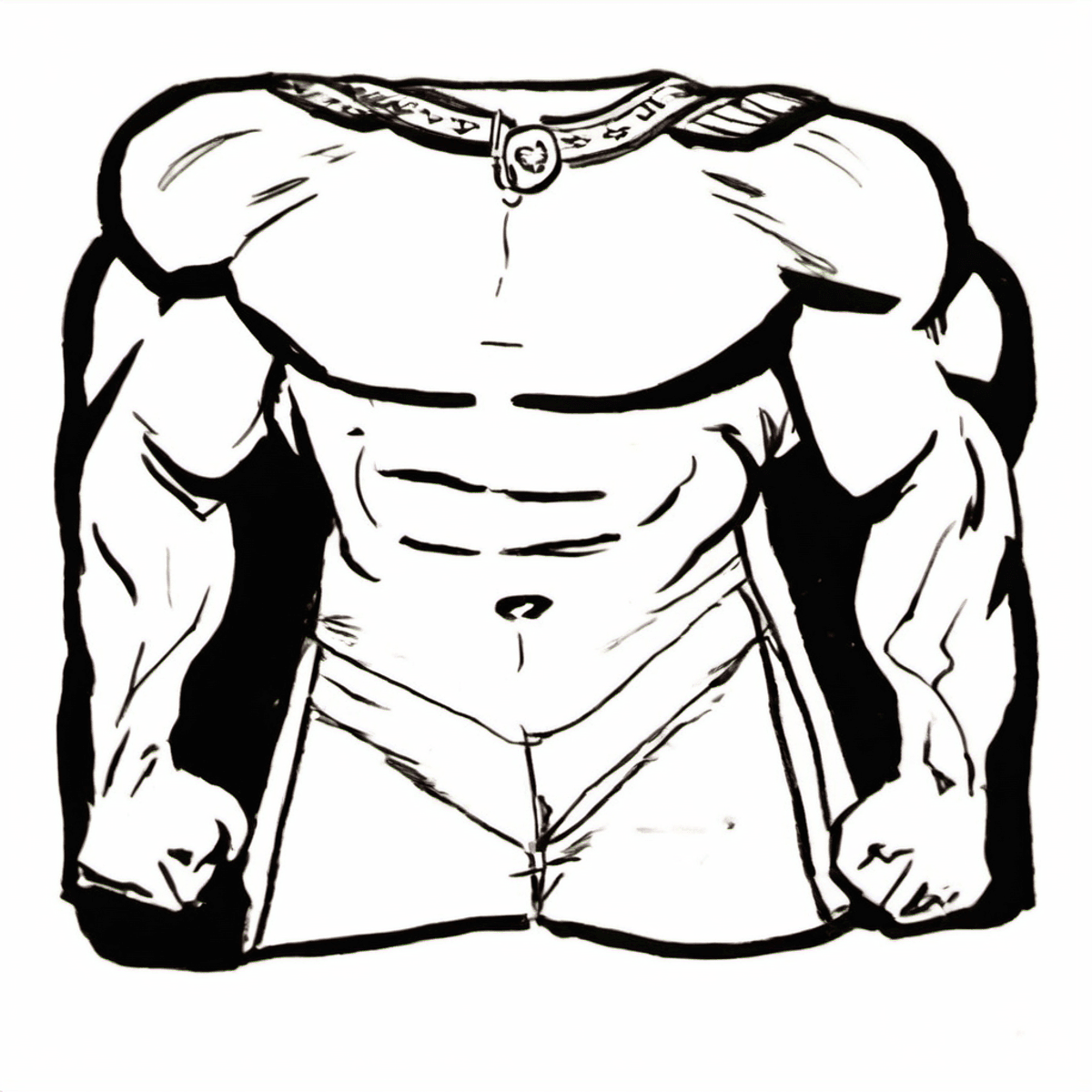
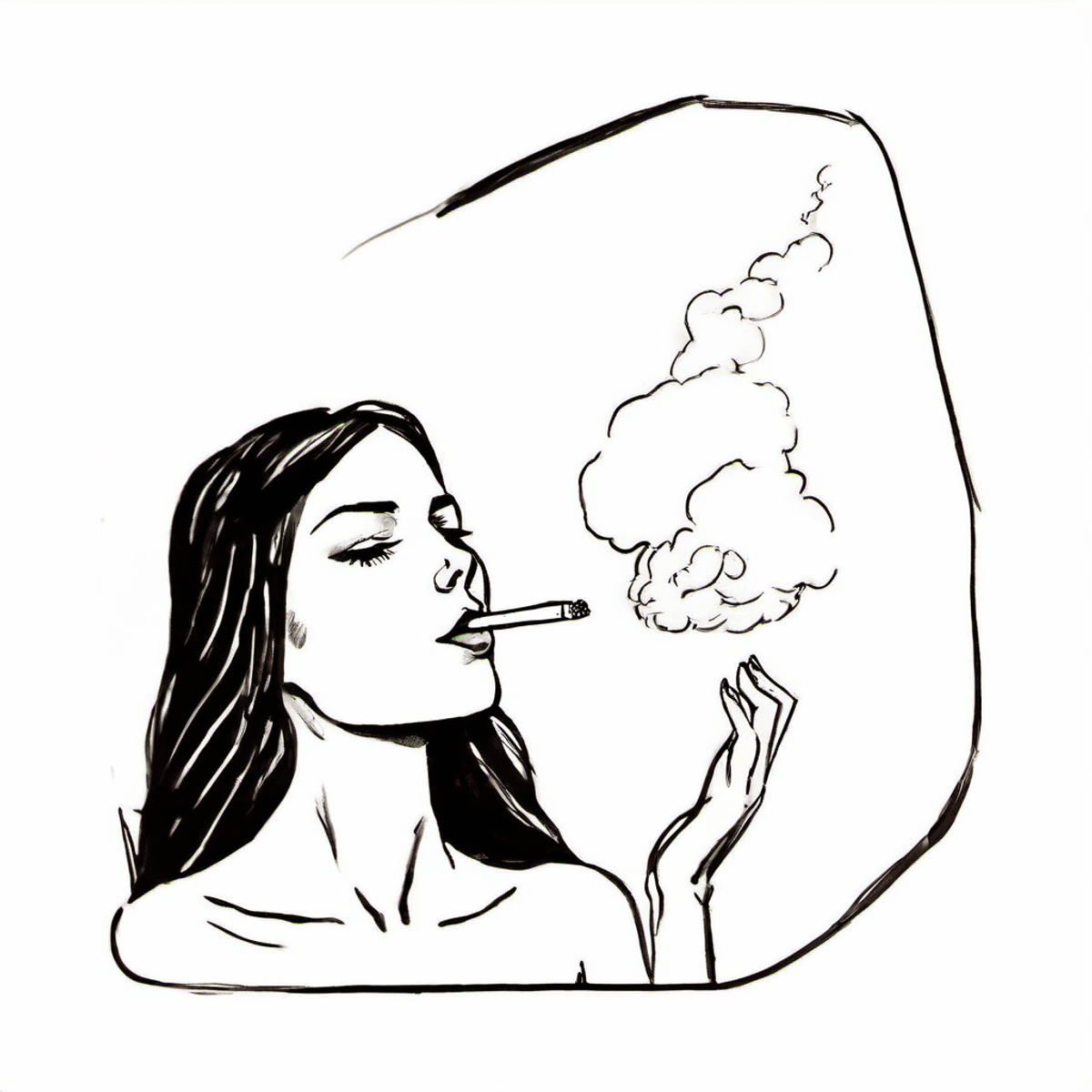
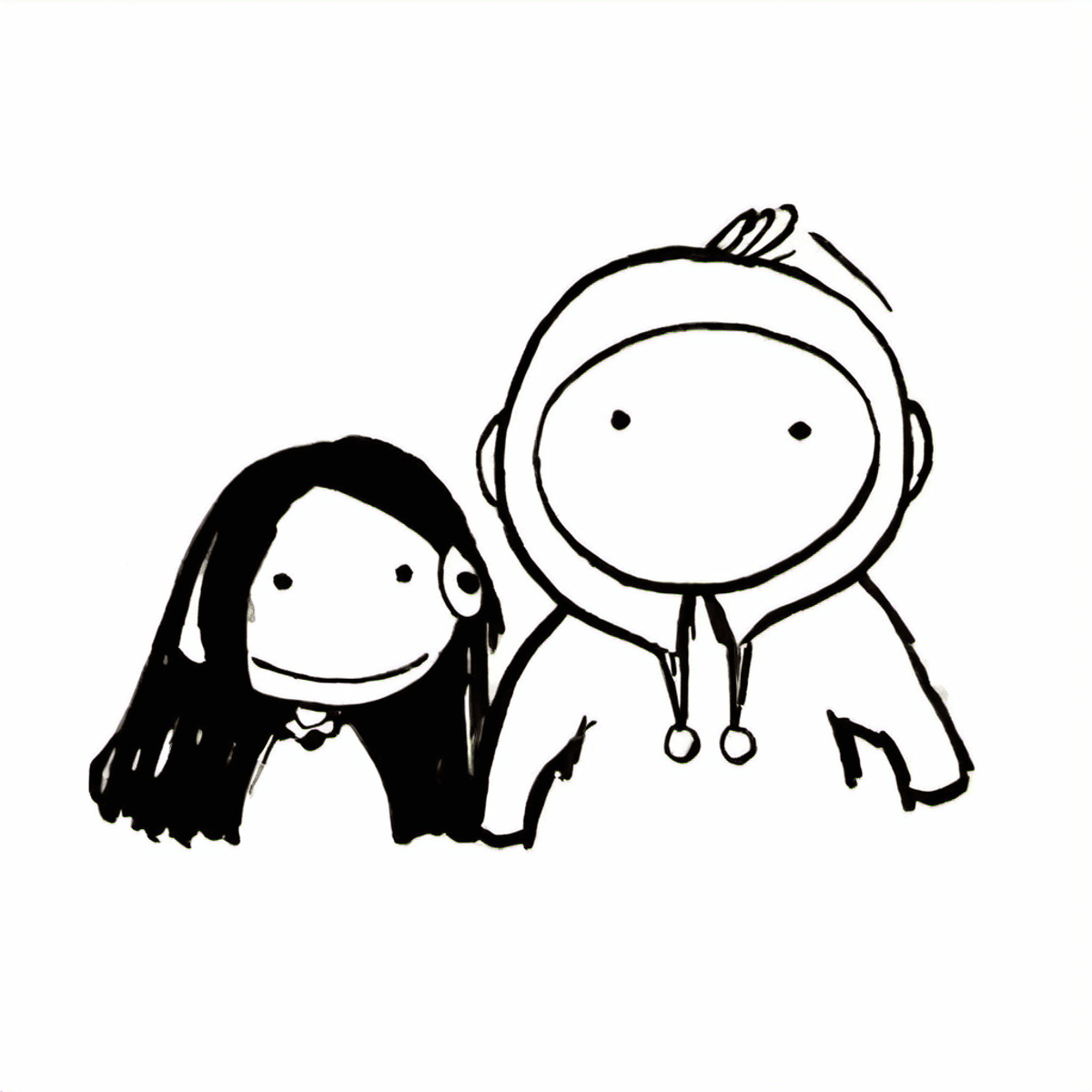
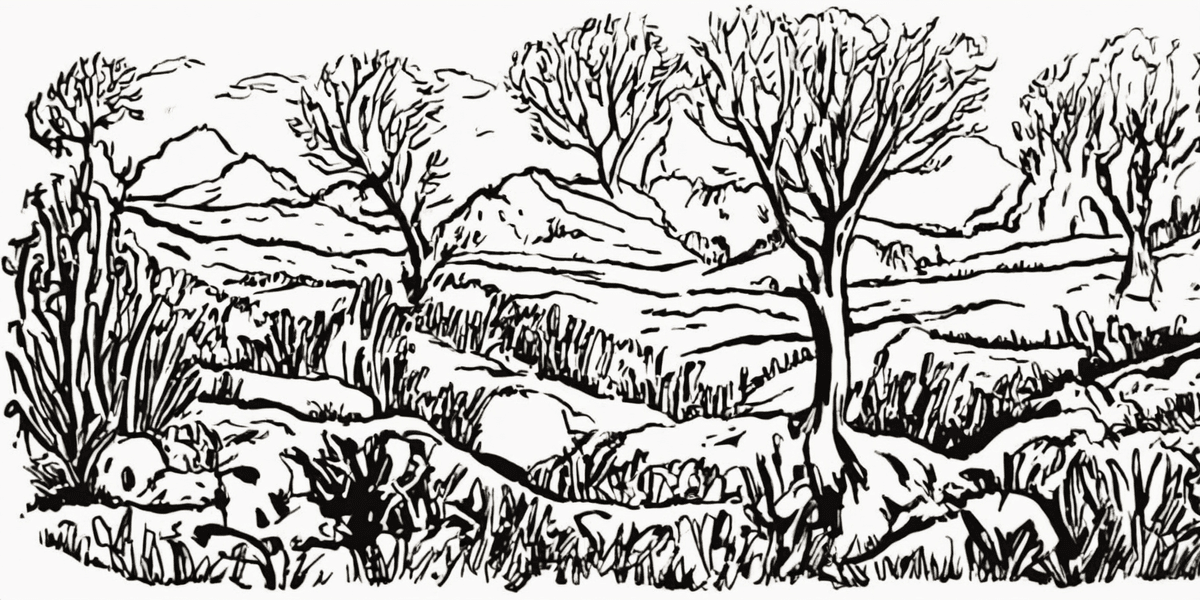
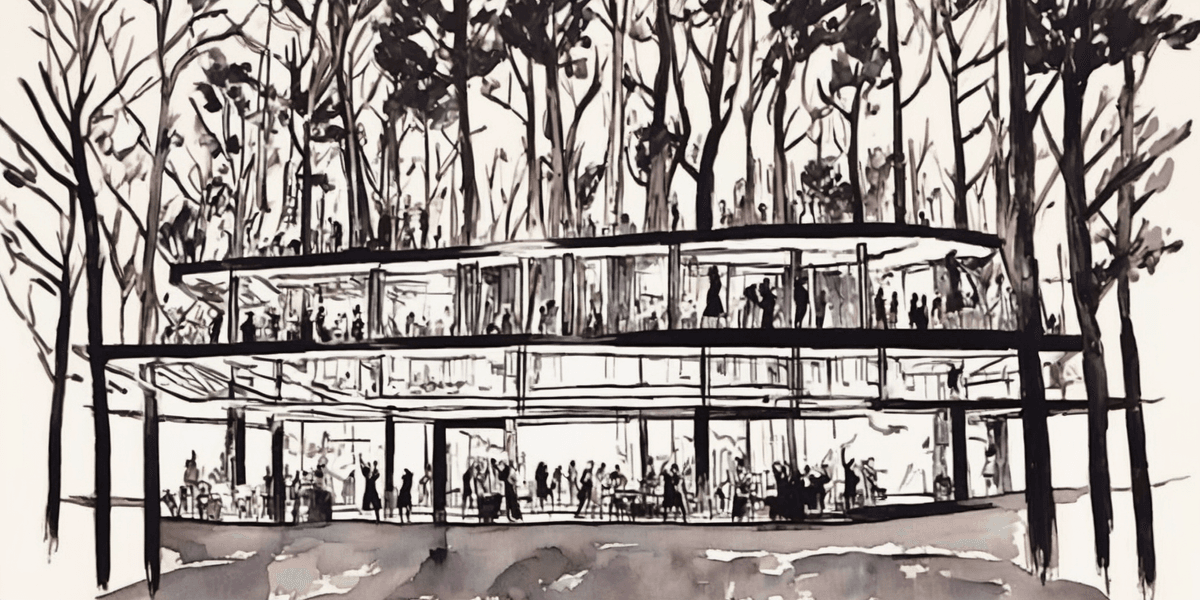
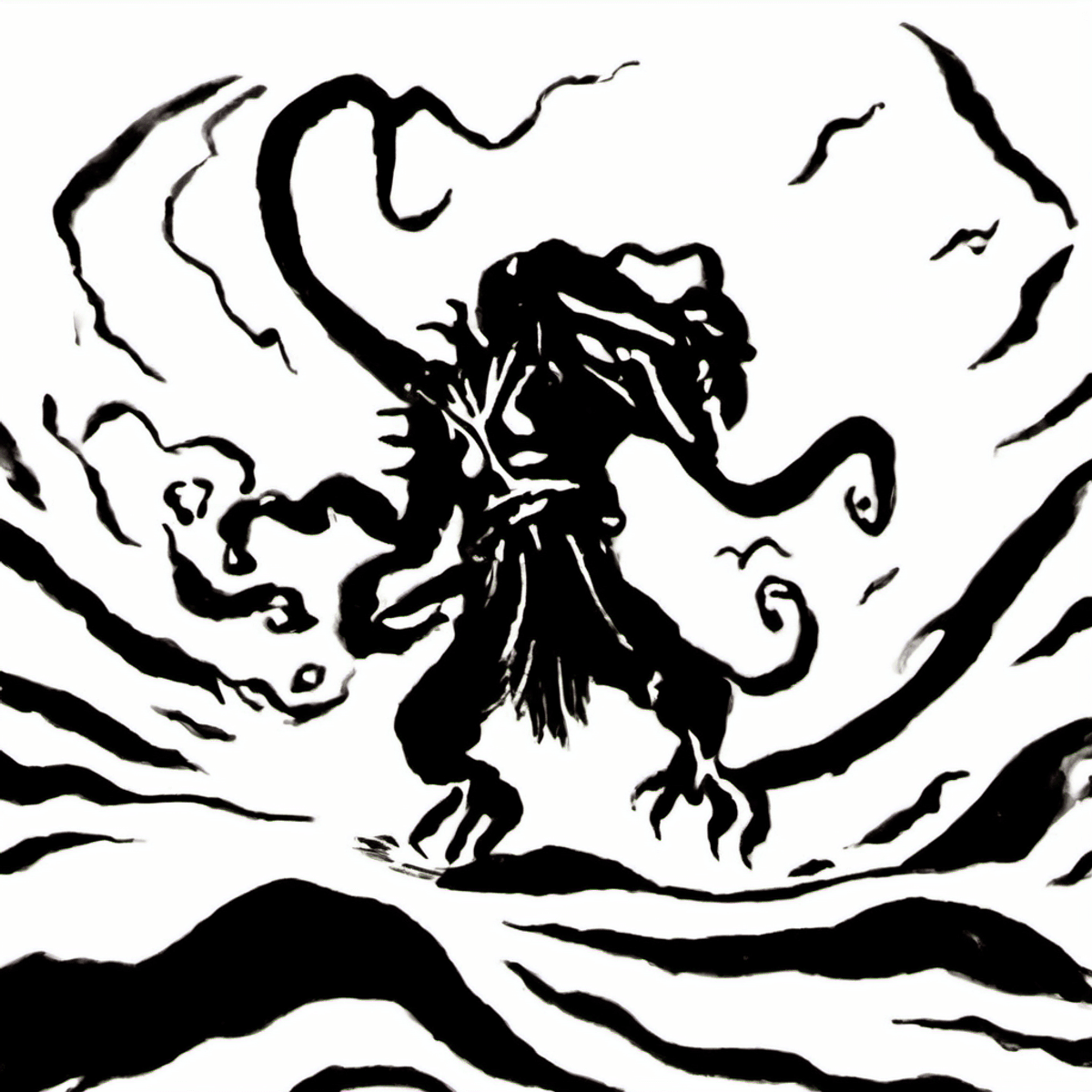
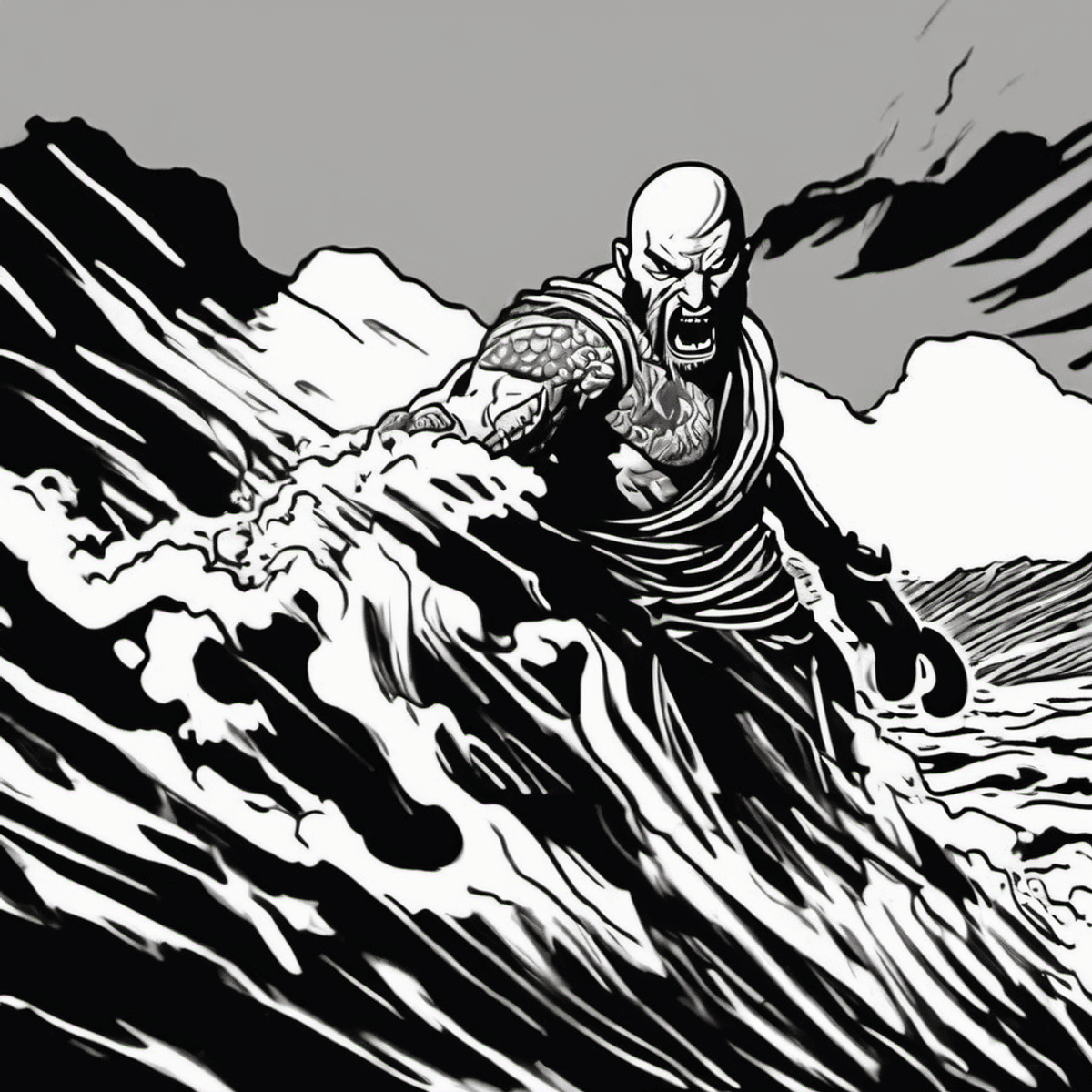
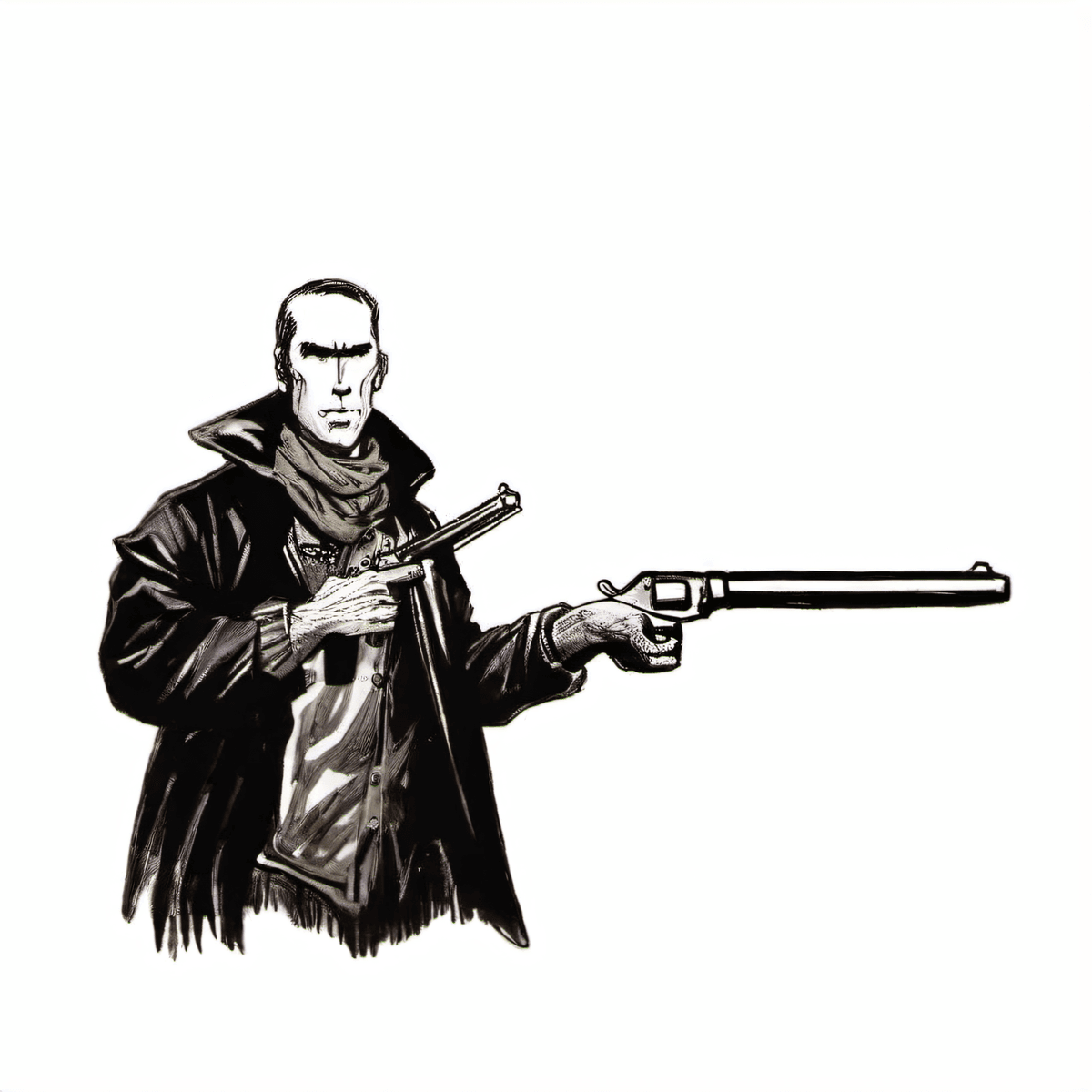
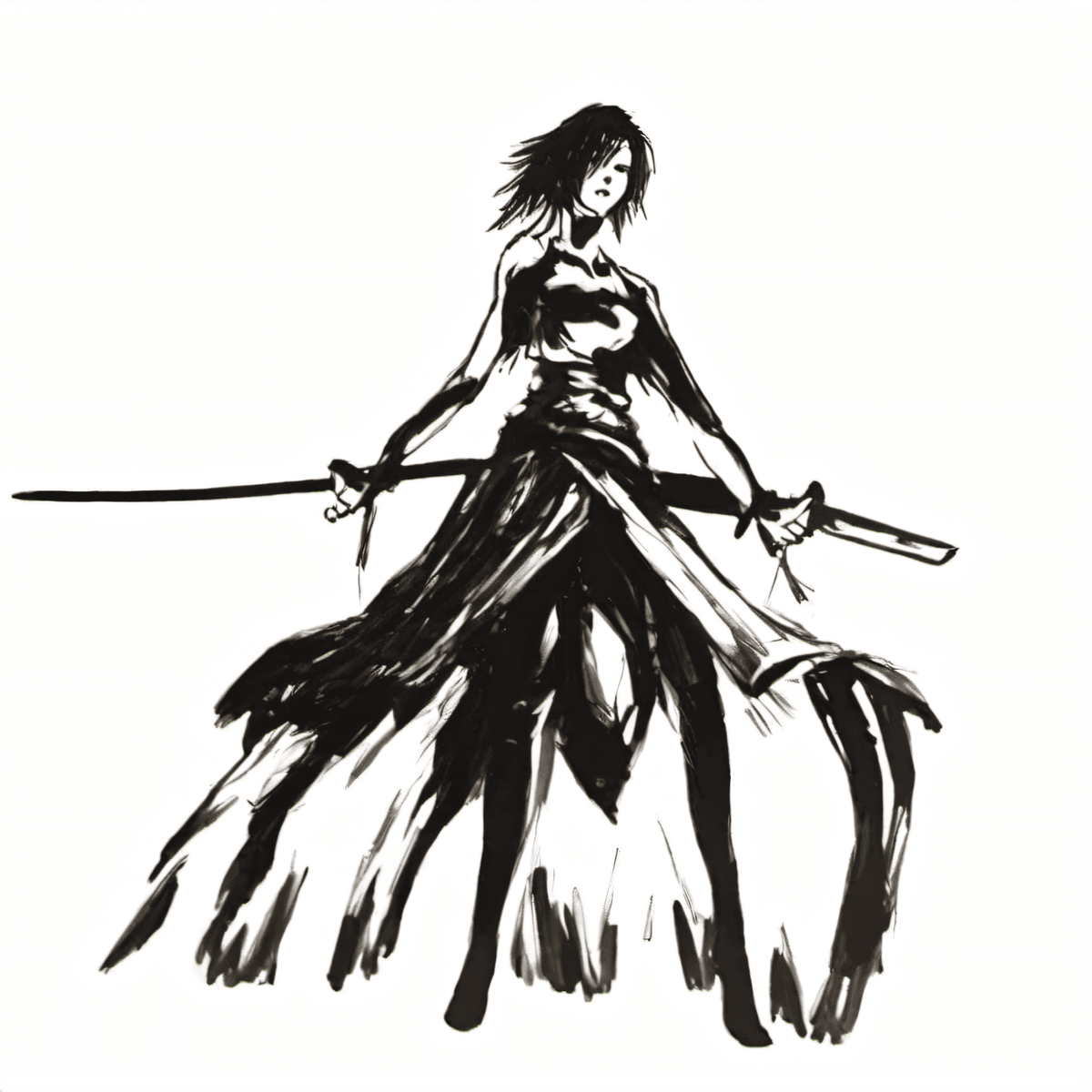
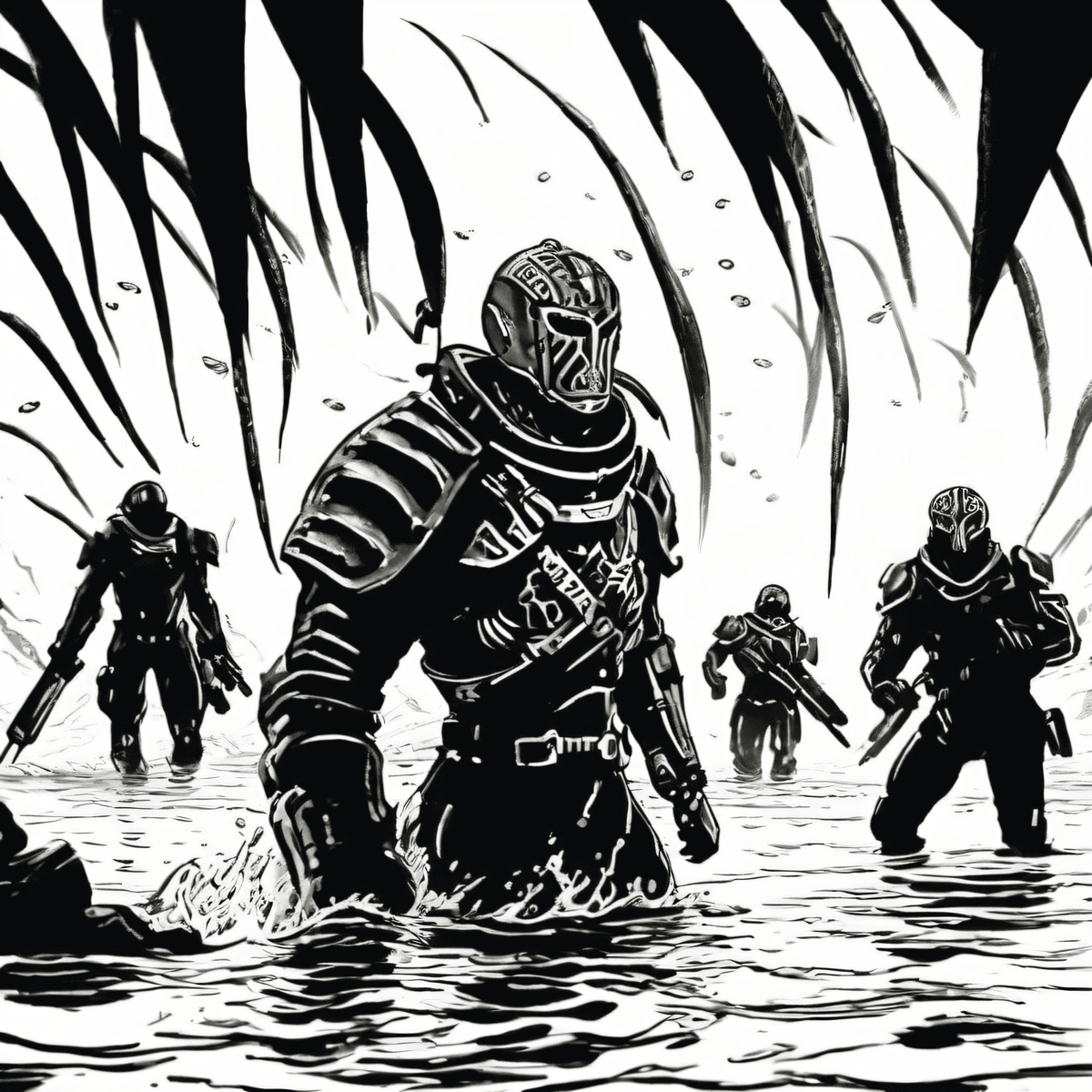
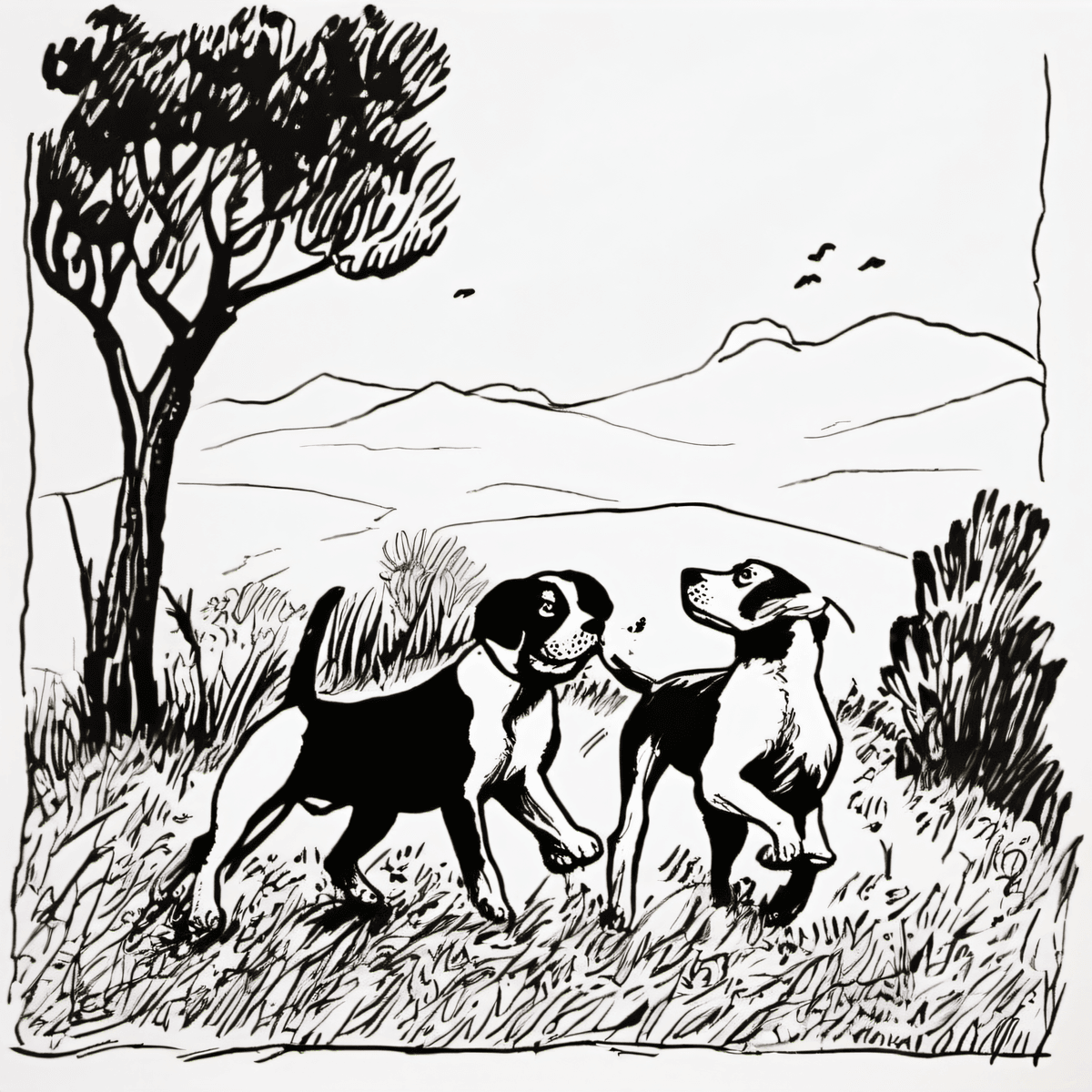
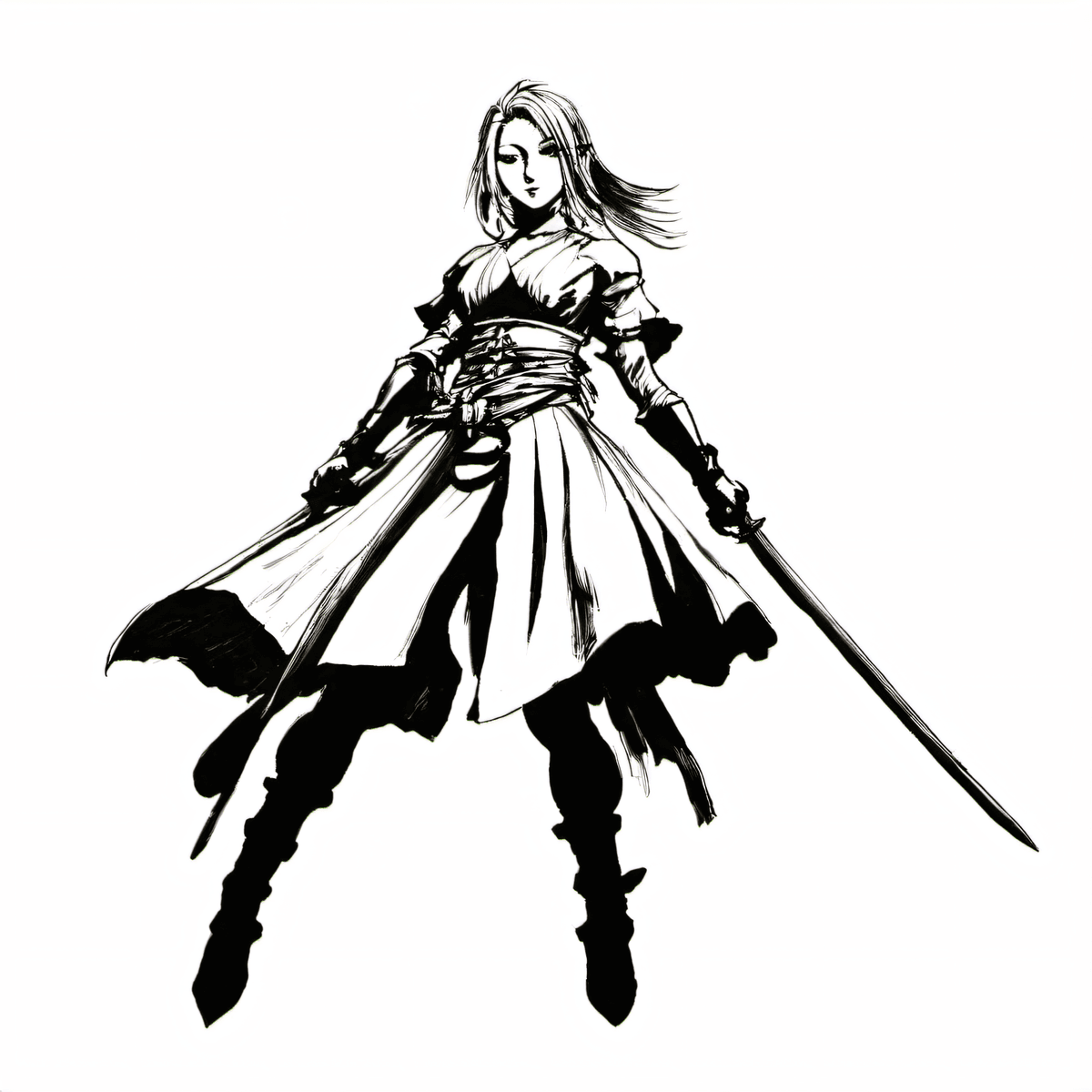
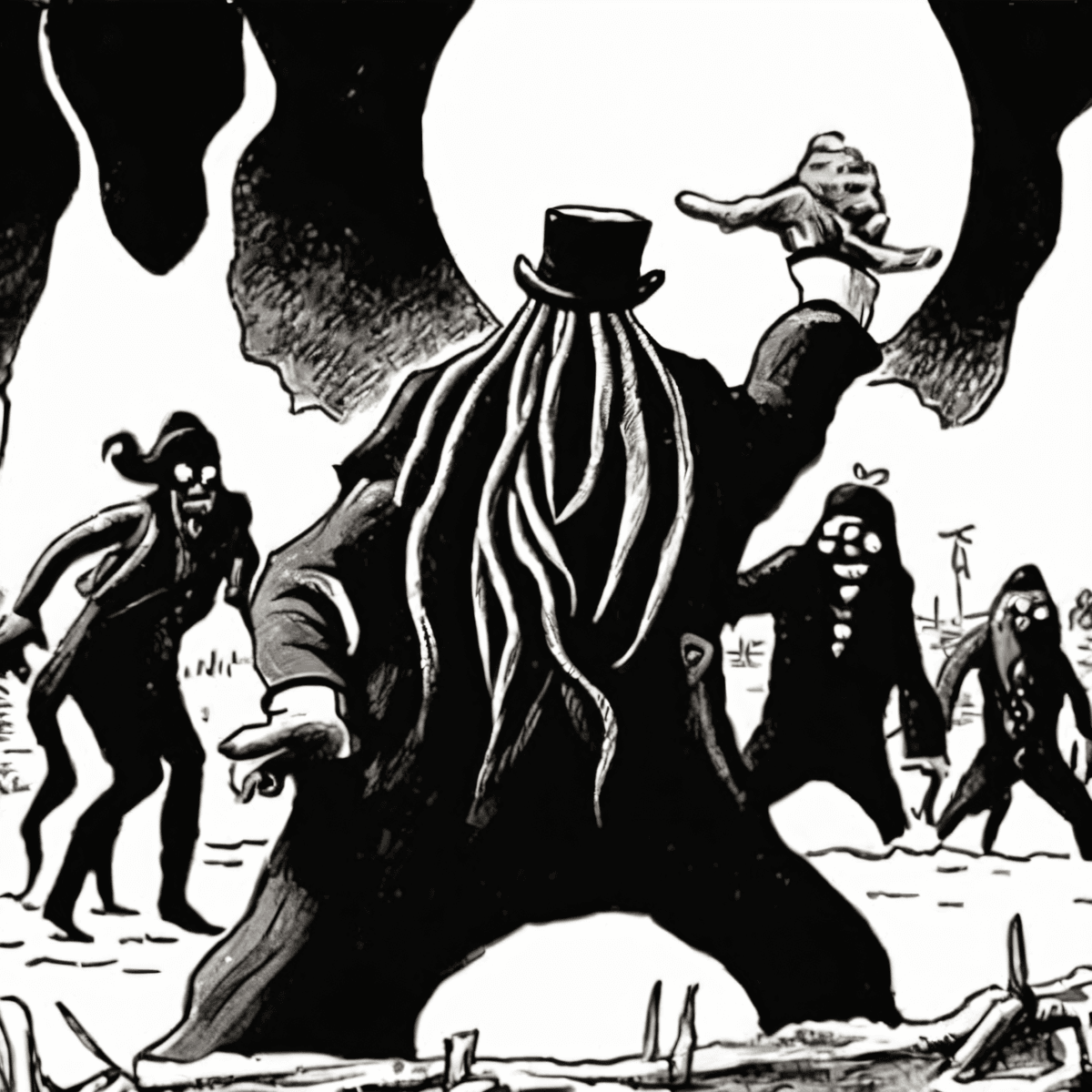
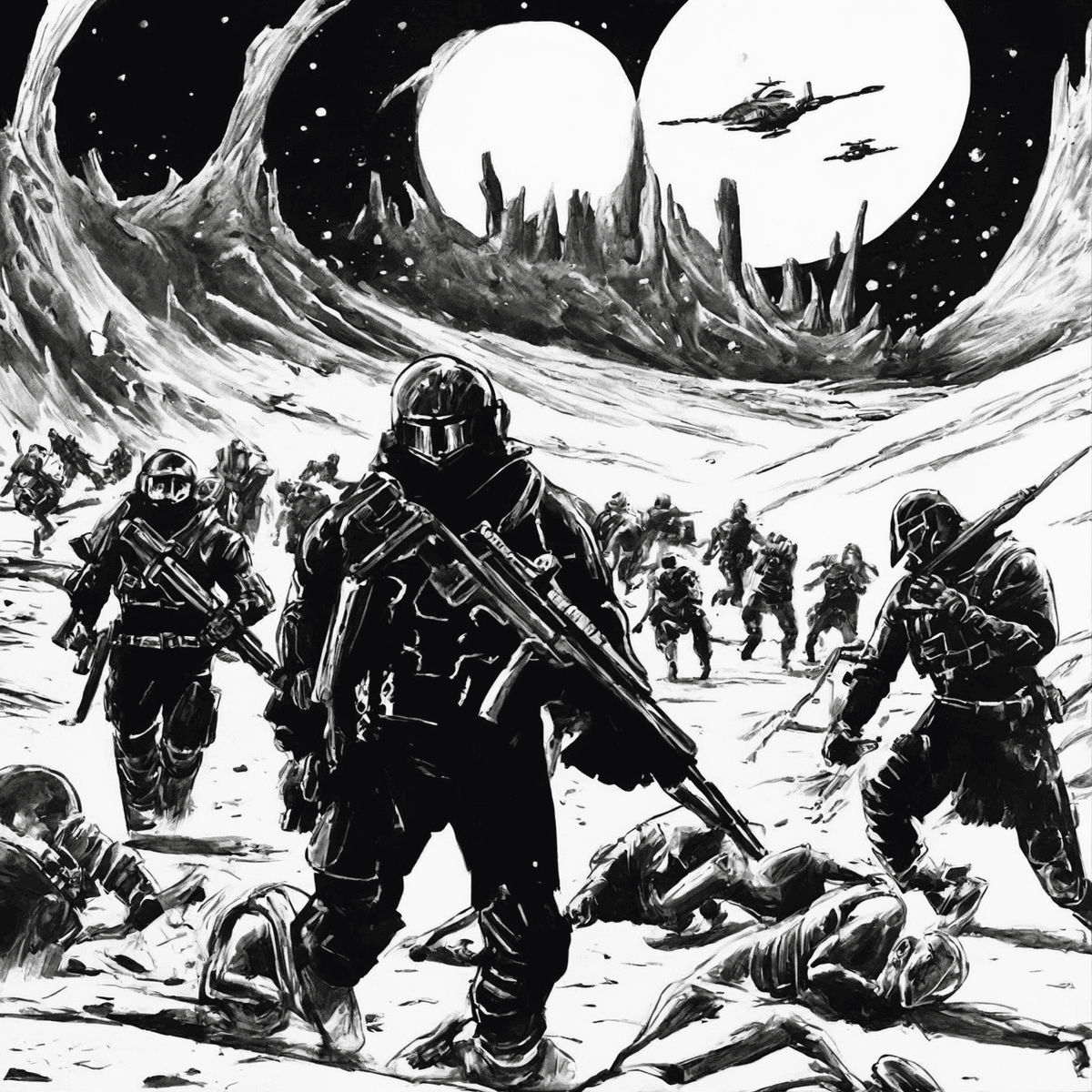
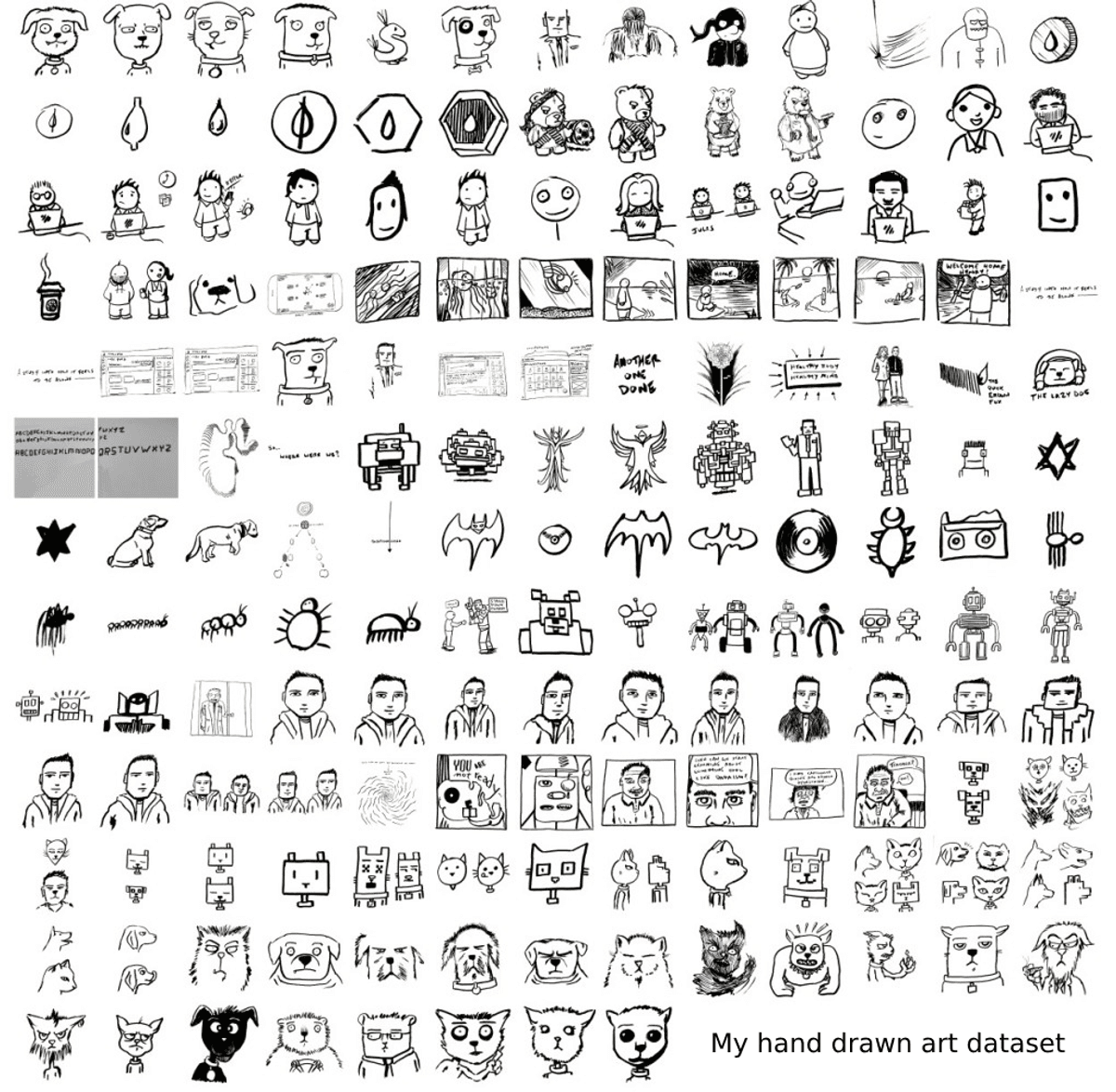
This is my own personal art style available for you to steal free of cost.
I don't believe that AI art is 'stealing' any more than creating any other art is 'stealing.' All art is derivative of the work before it. Just because I created this model and it's my style, doesn't mean it's mine. I learned from the artists who came before me and it's hubris for me to try to claim ownership of my own style when it was derived from the artists who inspired me.
Is this a protest piece? Yes. People who are against AI art need to learn about art history and the history of computing. 'Great Artists Steal' has been a mantra in the arts for over a century so get caught up. Tools like Photoshop automated the manual graphic design process. Steal my work and make great art.
Q/A
How do I use this?
This is a LoRA which can be used with Stable Diffusion 1.0 XL. If you need help getting started, you can look at this video. For best results, I recommend using a weight of 1 in the LoRA, image sizes in increments of 1024px, prompts that encourage hand drawn art (if it's not giving you what you want immediately), and the following negative prompts: mutated, deformed, lowres, worst quality, low quality, jpeg artifacts, error, signature, watermark, username, blurry, censorship, low quality textures, abstract. It can take a bit to find the sweet spot, but once you find it, you can make some incredible things. Try making 1024x2048px landscapes. Here's the model on Civitai.
Why did you make this?
I was curious
I wanted to keep my skills up to date
I wanted to do something experimental
I wanted to design/ideate faster
I didn't want ADHD to impede my art
What about attribution?
Don't worry about it. When I was a kid, I used to watch the Teenage Mutant Ninja Turtles and copy Eastman and Laird's style. I would draw Ninja Turtles all day and that really influenced my work.
They were inspired by Jack Kirby and Frank Miller, creating derivative work. So you can use my model to create your own derivative work. Art is about expression, so be free to express yourself (and share what you've made with me and others!)
Who owns this?
You do- congrats!
Do you want any money for it?
Uhh...sure why not. If you've got some to spare, I'll put it to good use paying rent and buying food. But don't feel obligated please.
What other movements were against artistic advances?
Anti-Photography Movement (1840s-1860s): Some artists and critics opposed photography, arguing that it was a mechanical process lacking artistic merit and would lead to the decline of traditional art forms like painting and drawing.
Opposition to Recorded Music (late 1800s-early 1900s): When recorded music first emerged, some musicians and music lovers protested, believing that it would diminish the importance of live performances and lead to a decline in musical skills.
Protest against Modern Architecture (1920s-1960s): Some people protested against the rise of modern architecture, characterizing it as stark, inhuman, and lacking the ornamentation and beauty of traditional architectural styles.
Opposition to Electronic Music (1950s-1970s): When electronic music first emerged, some traditional musicians and critics protested, arguing that it was not "real" music and lacked the depth and emotion of acoustic instruments.
Resistance to Video Art (1960s-1970s): As artists began experimenting with video as a medium, some critics and traditional artists protested, asserting that video was not a legitimate art form and lacked the permanence and materiality of traditional media like painting and sculpture.
Resistance to Street Art and Graffiti (1970s-present): While some view street art and graffiti as legitimate forms of artistic expression, others have protested against them, arguing that they are vandalism and detract from the appearance of public spaces.
Opposition to Digital Art (1980s-1990s): When artists started creating art using computers and digital tools, some traditionalists protested, claiming that digital art was not "real" art and lacked the skill and craftsmanship of traditional media.
Anti-Digital Photography Movement (1990s-2000s): As digital cameras became more prevalent, some photographers and purists protested, arguing that digital photography lacked the depth, quality, and artistry of traditional film photography.
Resistance to Computer-Generated Imagery (CGI) in Films (1990s-2000s): When CGI began to be widely used in movies, some filmmakers, critics, and viewers protested, asserting that it made films look artificial and detracted from the art of practical effects and traditional filmmaking techniques.
Opposition to Auto-Tune in Music (2000s-2010s): Some musicians and music enthusiasts have protested the widespread use of Auto-Tune, a pitch correction software, arguing that it creates artificial-sounding vocals and diminishes the importance of genuine vocal talent.
Opposition to Experimental and Avant-Garde Art (various times): Throughout history, there have been numerous instances of people protesting against experimental and avant-garde art movements, such as Dadaism, Surrealism, and Abstract Expressionism, claiming that they were not "real" art or were too radical and unconventional.
Gratis
Gratis