

To Imagine or Not to Imagine
Gratis
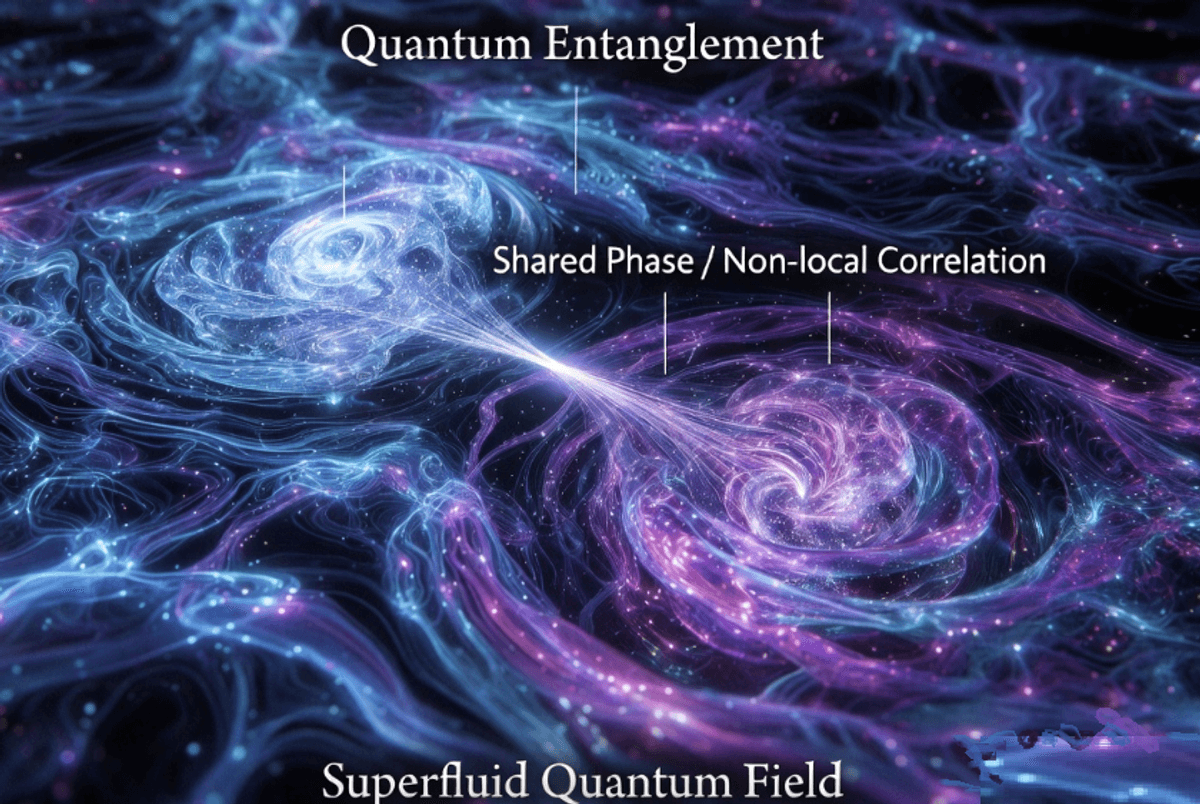
This essay examines why human cognition tends to construct tangible, mechanism-like representations for phenomenathat lie beyond direct sensory experience, such as atoms, molecules, photons, electrons, and quantum entanglement. Itargues that the human mind, shaped by everyday interaction with middle-sized objects, naturally seeks causal, local,narrative, and visualizable models. Although such representations are often incomplete or “naïve,” they can serve aspowerful cognitive bridges, enabling intuition, communication, hypothesis formation, and cross-domain scientificcreativity. The paper highlights chemical molecular models, Madelung’s hydrodynamic reformulation of quantummechanics, de Broglie–Bohm pilot-wave ideas, and modern walking-droplet experiments as examples of how analogyand visualization can expand scientific imagination while remaining distinct from literal descriptions of reality. Available in PDF format.
Gratis
Inserisci un prezzo equo
$
Gratis