

Some Aspects of Our World
Gratis
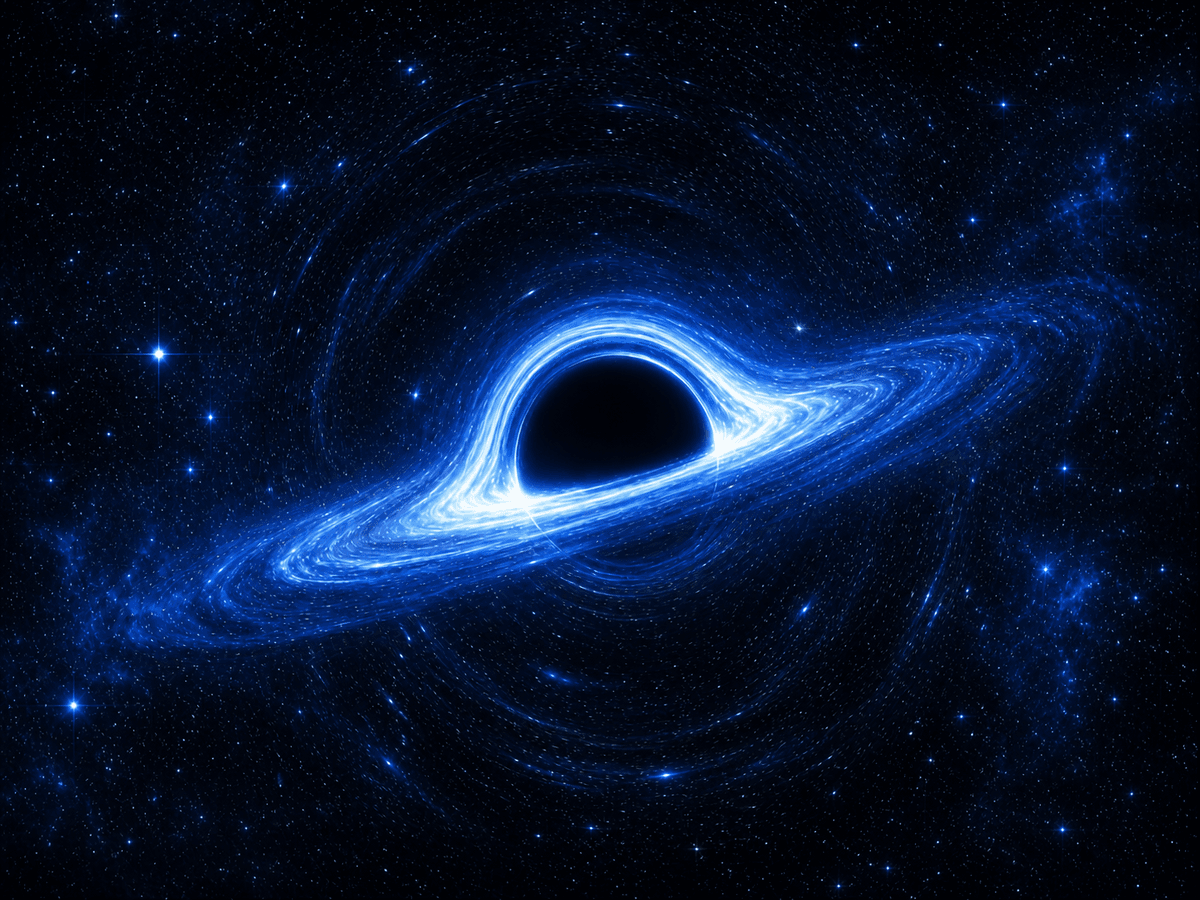
Essay: This essay examines some foundational concepts in physics—space, black holes, gravity, inertia, and electric attraction. The mainstream interpretations of these concepts work extremely well within their tested domains, but they may not be final ontological descriptions of reality. At sufficiently fine scales or under extreme conditions, deviations appear, not necessarily because of experimental error, but because current theories are still only approximations to the deep nature of our world.
Elaborated mathematical interpretations, developed in terms of highly specialised disciplines, allow for predictions that can be tested, whether directly or indirectly. However, in addition to sophisticated mathematical models, it is important to create mental representations of the objects under consideration. We think in terms of visualising objects. Just as we have learned what a tree, a spoon, or any other target of observation is, we need to construct a mental vision of objects that are beyond the range of our direct senses.
This visualisation is not merely a set of shapes and colours. It is a meaningful construct, one that is comparable to and compatible with our other experiences. It helps us give coherence to abstract ideas by placing them in a form that the mind can examine and relate to our broader understanding of reality.
The “language” of mental representations, although its “sentences” are highly individual and vary from person to person, is universal across disciplines, levels of education, and branches of specialisation. This creates fertile ground for the birth of new ideas and breakthroughs. Solutions can emerge from entirely different domain of science when the wider community becomes convinced that the proposed hypothesis is workable.
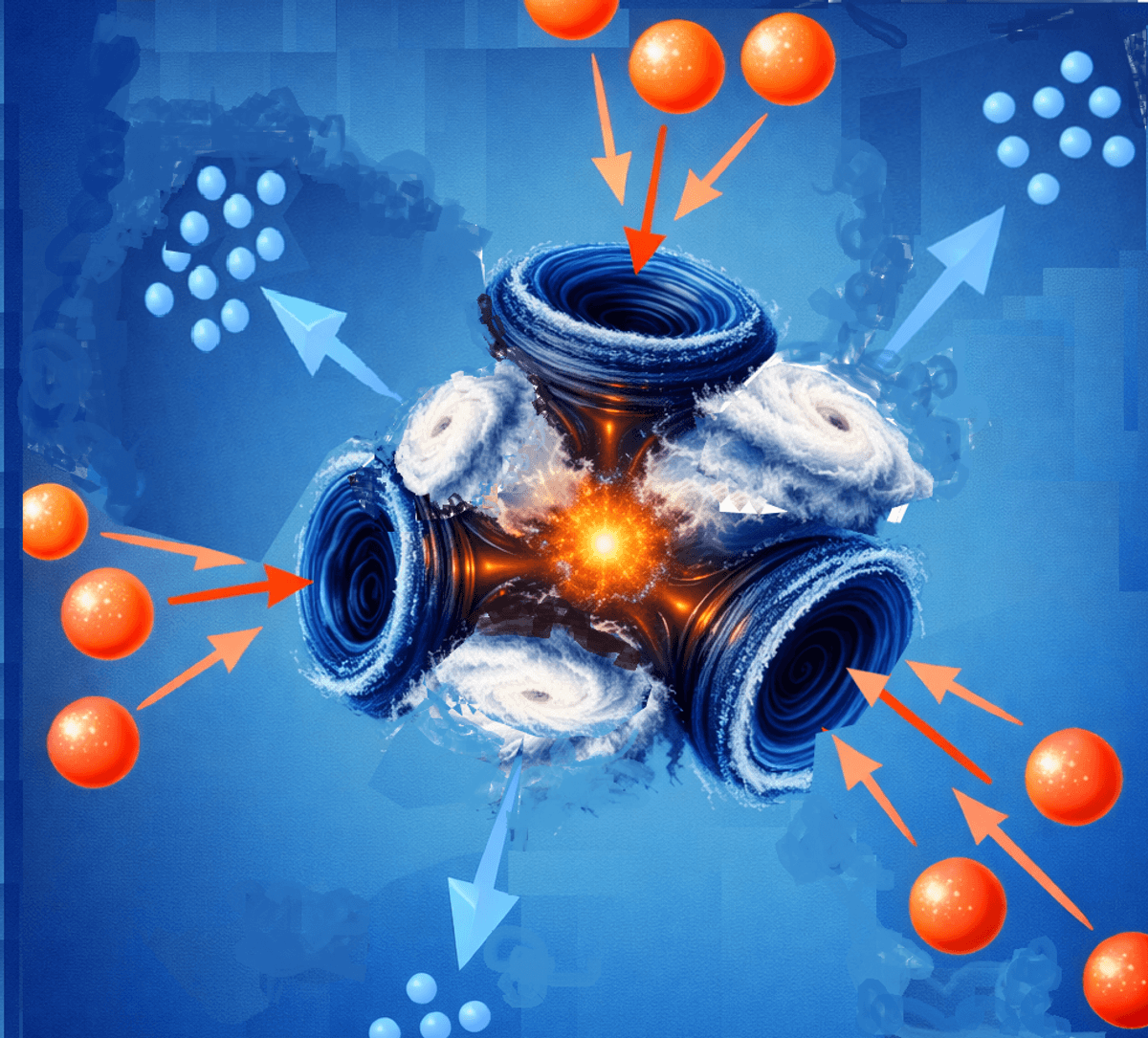
In this essay, visualisations of some phenomena important for our conceptions of the world are proposed by means of analogy with more familiar objects and processes.
Keywords: world, space, black holes, gravity, inertia, electric attraction, image.
Gratis
Inserisci un prezzo equo
$
Gratis