
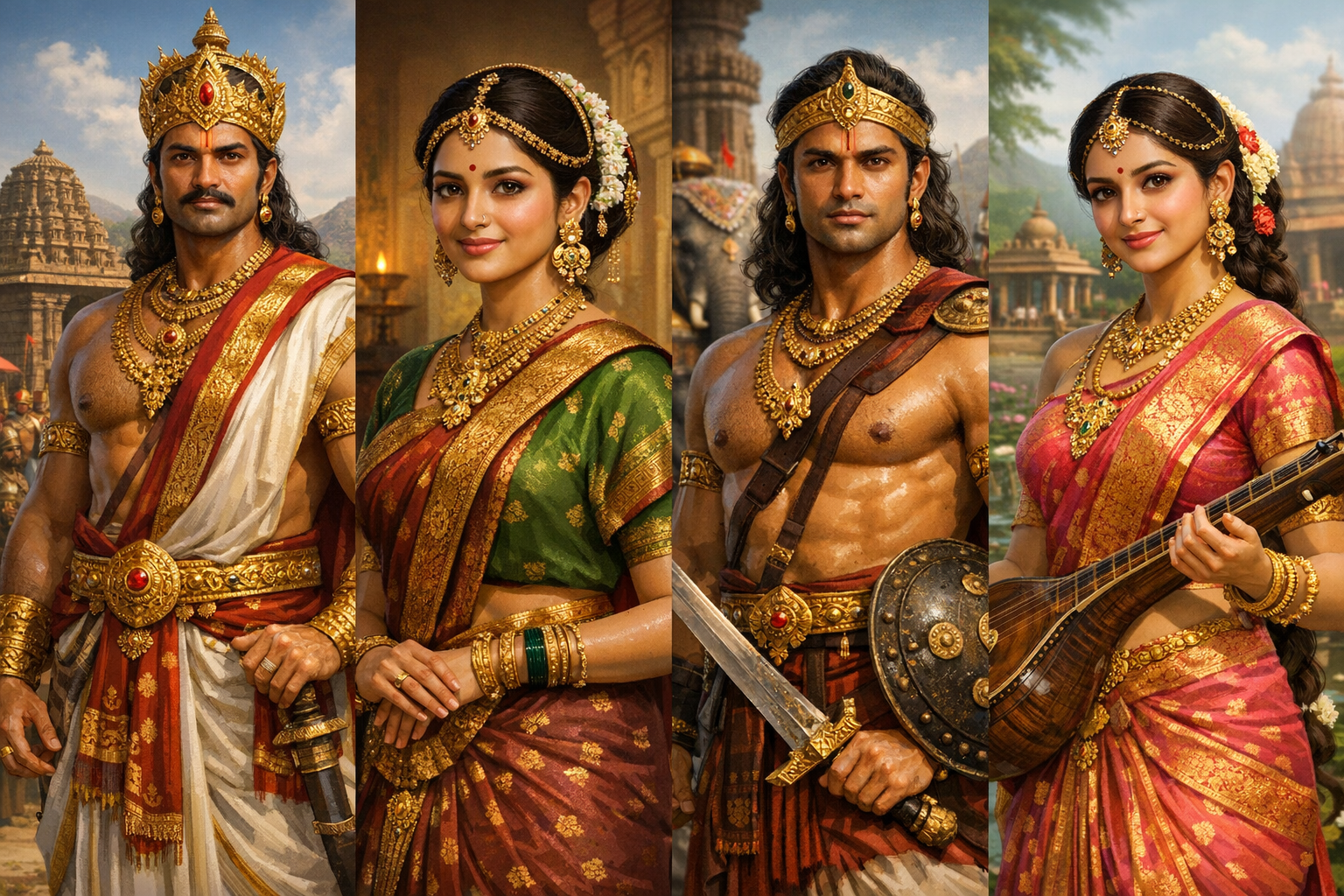
 When we speak about the earliest rulers of Tamil history, one name appears again and again in old literature and legends: the Pandya king Nediyon. Many historians and Tamil scholars consider him one of the earliest known Tamil kings mentioned in Sangam era traditions. While exact dates are difficult to confirm, stories about him survived through poems, inscriptions, and oral history that traveled through generations. For a student of history, reading about such a king feels like opening a window to the very beginning of Tamil civilization.
Nediyon is often remembered as a king who ruled with dignity and responsibility rather than fear. Ancient Tamil society valued a ruler who protected his people, respected poets, and ensured justice in the land. In many references, he is described as a tall, calm, and thoughtful leader who listened before making decisions. Instead of ruling through cruelty, he believed that a kingdom becomes strong only when its people feel safe and respected.
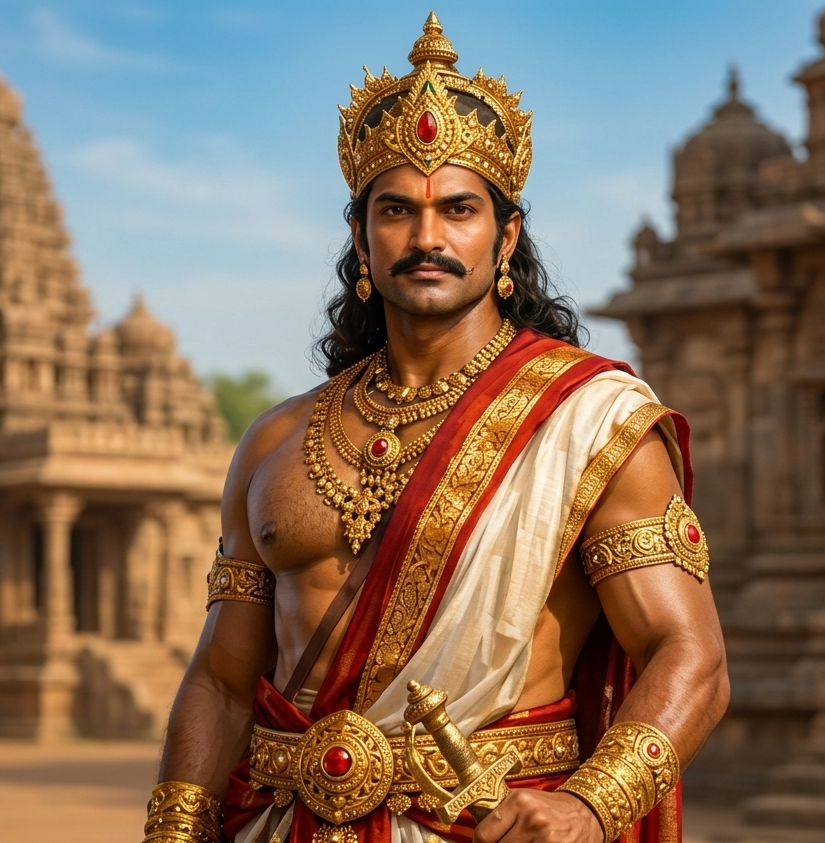 His rule is associated with the early Pandya kingdom in the southern region of Tamilakam. During that time, Tamilakam was divided among the three major dynasties: the Cheras, the Cholas and the Pandyas. Nediyon’s leadership helped strengthen the Pandya influence in the southern coastal areas. Trade routes were expanding and Tamil merchants were beginning to travel across the seas to exchange pearls, spices and textiles with distant lands.
One interesting aspect of Nediyon’s rule was his relationship with poets and scholars. Sangam literature often highlights how Tamil kings supported poets who recorded history, emotions, wars and love stories. A king’s greatness was not measured only by battles but also by how he respected knowledge and culture. Nediyon reportedly welcomed poets to his court, rewarding them with land, gold and protection. Because of this tradition, many early Tamil stories survived in literary form.
 Nediyon’s character in these traditions shows a balance between strength and compassion. He was expected to defend the kingdom from enemies, yet he also had to ensure fairness among his own people. Village disputes, trade agreements, and agricultural concerns were all part of a king’s responsibility. In an age when farming depended heavily on seasonal rains, kings were often involved in building water tanks, canals, and irrigation systems. A ruler who cared about water management automatically earned the respect of farmers.
Behind the public life of the king was also his family. Historical details about his wife and children are limited, but traditional accounts describe the queen as an important partner in royal life. Tamil queens were not always silent figures. They participated in charity, temple support and sometimes political advice. The queen of Nediyon is believed to have been educated and deeply respected within the palace. Royal women often supervised palace administration, festivals and welfare activities for women and children in the kingdom.
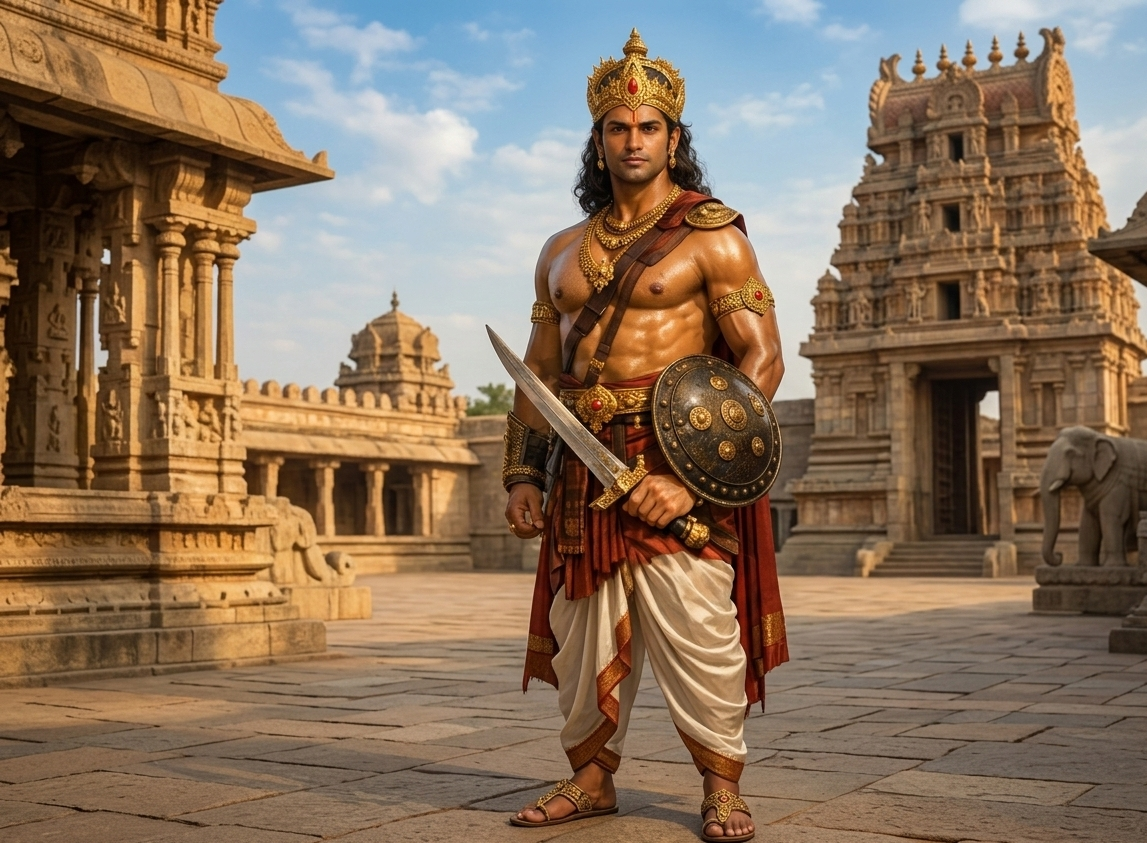 The children of a Tamil king were raised with strict discipline. Princes were trained in warfare, horse riding, elephant control and military strategy from a young age. But education was not limited to combat. They also learned Tamil literature, ethics and diplomacy. A future king needed both courage and wisdom. Princesses were usually trained in literature, music and cultural traditions and many royal daughters later married into other royal families to strengthen alliances between kingdoms.
Life inside the palace was very different from ordinary village life, but the royal family still followed many Tamil traditions. Festivals, temple visits, and rituals connected them to the people they ruled. Kings who respected culture and religion were often remembered more kindly in historical memory.
 Even though the exact historical details about Nediyon are partly mixed with legend, his image in Tamil tradition represents an ideal ruler. He symbolizes leadership that values justice, culture, and responsibility. In many ways, early Tamil kings were expected to act not just as rulers but as protectors of the land and guardians of Tamil identity.
For a college student exploring Tamil history today, reading about kings like Nediyon is more than just studying the past. It is about understanding how early Tamil society imagined leadership, family values and the relationship between power and responsibility. These stories remind us that even thousands of years ago, people admired rulers who cared for their people and respected knowledge.
The legacy of the first Tamil kings lives on not only in history books but also in literature, culture and the pride many Tamils still feel about their ancient heritage.